Healthy Hotteok Cinnamon Brown Sugar Pancake Homemade Recipe (Whole Grain & Lower Sugar)
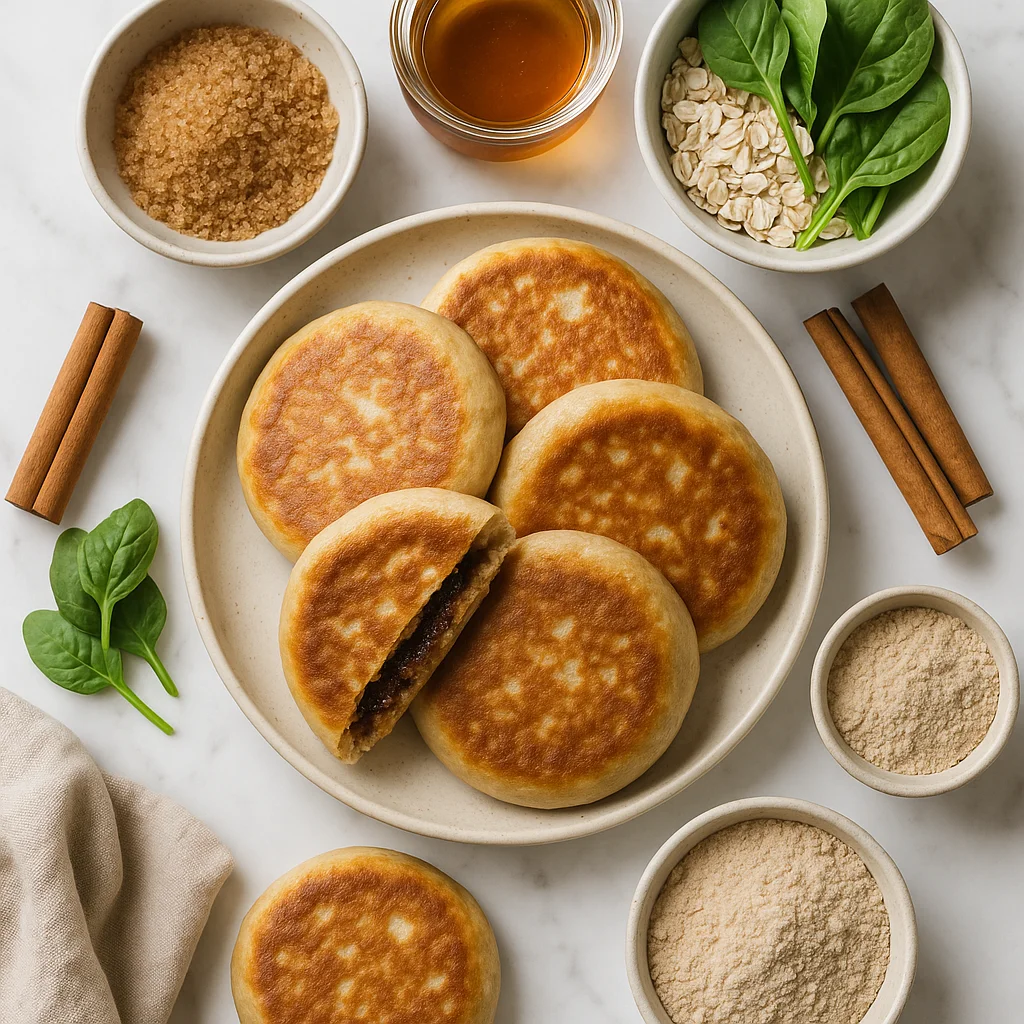
If you have ever walked past a Korean street food stall in winter and caught that warm, caramelised scent drifting through the cold air, you already know the magic of hotteok. These golden, chewy pancakes filled with molten cinnamon sugar are the kind of thing that stops you in your tracks. This homemade hotteok cinnamon brown sugar pancake recipe brings all of that joy into your own kitchen, with a genuinely healthier twist that does not sacrifice a single bit of the experience. It is a recipe for anyone who loves bold, comforting flavours but also wants to feel good about what they are eating. Whether you are making these for a cosy weekend breakfast, an after-school snack, or a fun dinner party treat, they deliver every single time.
The dough here is made with a blend of whole wheat flour and plain flour, which raises the fibre content noticeably compared to the traditional all-white-flour version. A small amount of instant yeast gives the dough its signature soft, slightly chewy texture and that gentle fermented depth that makes hotteok so addictive. For the filling, coconut sugar takes the place of refined white sugar. Coconut sugar has a naturally rich, almost toffee-like flavour that actually enhances the cinnamon notes rather than competing with them. Ground cinnamon is generous here because it is not just delicious, it also has well-documented blood sugar balancing properties. A handful of finely chopped walnuts adds healthy fats, a little crunch, and extra fibre to the filling, making each bite genuinely satisfying rather than just sweet. A tiny pinch of sea salt in the filling pulls everything together beautifully.
When you cook these pancakes, the magic happens fast. The dough puffs up in the pan, the filling melts into a gooey, fragrant syrup, and the outside turns this incredible shade of golden brown. Pressing them flat with a spatula or the bottom of a small cup is one of those deeply satisfying cooking moments. The texture contrast is the real star: crisp and slightly caramelised on the outside, pillowy and soft within, with that flowing cinnamon coconut sugar centre that absolutely needs to be eaten fresh. Serve them straight from the pan with a glass of cold oat milk or a warm mug of ginger tea. They are brilliant as a mid-morning snack or a dessert that feels indulgent but is genuinely balanced.
From a nutritional standpoint, this recipe comes in significantly lower in sugar and calories than the traditional street food version, which can be made with large quantities of white sugar and deep-fried in generous amounts of oil. Here, just a light coating of coconut oil in the pan is all you need, which keeps the fat content reasonable and means you are getting the good-quality fats from the walnuts and coconut rather than a pool of vegetable oil. The whole wheat flour contributes B vitamins, iron, and a meaningful amount of dietary fibre per serving. Cinnamon brings antioxidant compounds. Walnuts are one of the best plant-based sources of omega-3 fatty acids. Altogether, this is a recipe that fits comfortably into a balanced, health-conscious lifestyle without asking you to give up anything you actually love about hotteok. It is proof that traditional recipes can be adapted thoughtfully, and that the result can be just as wonderful as the original.
Ingredients
- 150 g whole wheat flour (finely milled if possible for a softer texture)
- 150 g plain flour (plus extra for dusting your hands)
- 1 tsp instant yeast
- 1 tsp caster sugar (just to activate the yeast)
- 0.5 tsp fine sea salt
- 200 ml warm water (around 40 degrees C, not boiling)
- 2 tbsp plain unsweetened Greek yogurt (adds tenderness and a little protein)
- 1 tbsp coconut oil (melted, for the dough)
- 60 g coconut sugar (for the filling)
- 1.5 tsp ground cinnamon (for the filling)
- 40 g walnuts (finely chopped, for the filling)
- 1 pinch sea salt (for the filling)
- 1 tbsp coconut oil (for frying, use a little at a time)
Instructions
- 1
Combine the warm water, instant yeast, and caster sugar in a small bowl. Stir gently and leave for 5 minutes until slightly frothy. This tells you the yeast is active and ready to go.
If your yeast does not froth at all after 5 minutes, it may be old. Start again with a fresh sachet.
- 2
In a large mixing bowl, whisk together the whole wheat flour, plain flour, and fine sea salt. Make a well in the centre and pour in the yeast mixture, Greek yogurt, and melted coconut oil.
The Greek yogurt might seem unusual but it adds a subtle tenderness to the dough that you will notice in the final texture.
- 3
Mix everything together with a wooden spoon until a shaggy dough forms, then turn it out onto a lightly floured surface and knead for about 5 minutes until smooth and slightly tacky. It should spring back gently when you press it.
Resist adding too much extra flour. A slightly sticky dough produces a softer, chewier pancake.
- 4
Shape the dough into a ball and place it back in the bowl. Cover with a clean damp cloth or cling film and leave in a warm spot for 60 minutes, or until roughly doubled in size.
A switched-off oven with just the light on works perfectly as a proving environment if your kitchen is cool.
- 5
While the dough proves, make the filling. Combine the coconut sugar, ground cinnamon, finely chopped walnuts, and pinch of sea salt in a small bowl. Mix well and set aside.
Chop the walnuts quite finely so they distribute evenly throughout each pancake without creating lumps that make sealing difficult.
- 6
Once the dough has risen, lightly flour your hands and punch it down gently. Divide it into 10 equal portions. Roll each portion into a smooth ball.
A kitchen scale makes dividing the dough much quicker and ensures all your pancakes cook evenly.
- 7
Take one dough ball and flatten it in your palm into a rough circle about 8cm across. Place a heaped teaspoon of the filling in the centre, leaving a clear border around the edge. Bring the edges of the dough up and over the filling, pinching them firmly together to seal. Roll into a ball again. Repeat with all portions.
Press the seal firmly. Any gaps will allow the molten filling to escape into the pan.
- 8
Heat a large non-stick frying pan over medium-low heat and add a small amount of coconut oil, just enough to lightly coat the base. Place 2 or 3 filled dough balls into the pan, sealed side down, leaving plenty of space between them.
Medium-low heat is key here. Too high and the outside will burn before the filling melts properly.
- 9
Cook for about 2 minutes until the underside starts to turn golden, then use the back of a flat spatula or the base of a small cup to press each pancake down firmly and evenly into a flat disc around 1 cm thick. Cook for a further 2 minutes.
Press slowly and steadily rather than all at once to avoid bursting the dough.
- 10
Flip each pancake carefully and cook for another 2 to 3 minutes on the second side until deeply golden and cooked through. The filling should be molten inside. Transfer to a wire rack and repeat with remaining pancakes, adding a little more coconut oil as needed.
Let them cool for just 60 seconds before eating. The filling is extremely hot straight from the pan.
Nutrition per serving
168kcal
Calories
4.5g
Protein
27g
Carbs
5.8g
Fat
2.8g
Fibre
7.2g
Sugar
98mg
Sodium
Pro Tips
- ✓
Always use warm, not hot, water for the yeast. Anything above 45 degrees C will kill it.
- ✓
Coconut sugar does not melt quite as quickly as refined white sugar, so make sure your pan heat is consistent throughout cooking.
- ✓
Lightly oiling your hands instead of flouring them when shaping makes sealing the dough much easier.
- ✓
These are best eaten fresh and warm. The gooey filling is the whole point.
- ✓
If your filling leaks slightly during cooking, do not panic. Just let it caramelise in the pan and scoop it up onto the pancake when you serve it.
- ✓
A cast iron skillet gives an especially good crust if you have one available.
Frequently Asked Questions
Variations
- •
Sesame and Honey Filling
Swap the coconut sugar for 2 tablespoons of raw honey mixed with 3 tablespoons of toasted sesame seeds and the same amount of cinnamon. The sesame adds a nutty depth and extra minerals.
- •
Peanut Butter and Banana
Replace the cinnamon sugar filling with a teaspoon of natural peanut butter and a few small pieces of ripe banana per pancake. Seal carefully as banana releases moisture during cooking.
- •
Spiced Apple and Oat Filling
Cook down finely diced apple with a pinch of cinnamon and a teaspoon of coconut sugar until soft. Mix in a tablespoon of rolled oats for texture. Use as the filling for an autumn-inspired version with extra fibre.
- •
Dark Chocolate and Hazelnut
Fill each pancake with a teaspoon of finely chopped dark chocolate (70 percent or higher) and a few chopped hazelnuts. The chocolate melts into a rich ganache-like centre that feels very indulgent.
Substitutions
- •Whole wheat flour → Spelt flour (Spelt has a slightly nuttier flavour and is easier for some people to digest. Use in the same quantity.)
- •Greek yogurt → Plain coconut yogurt (Makes the recipe fully dairy-free with minimal impact on texture. Choose a thick, unsweetened variety.)
- •Coconut sugar → Maple sugar or date sugar (Both work well in the filling and have a similar depth of flavour. Maple sugar dissolves a little more readily.)
- •Walnuts → Sunflower seeds (Ideal for a nut-free version. Chop finely and toast them briefly first for a better flavour.)
- •Coconut oil (for frying) → Light olive oil or avocado oil (Both have high enough smoke points for this cooking temperature and add no noticeable flavour.)
🧊 Storage
Hotteok are genuinely best eaten fresh and warm, straight from the pan. If you have leftovers, cool them fully and store in an airtight container at room temperature for up to 1 day, or refrigerate for up to 2 days. Reheat in a dry non-stick pan over medium-low heat for 2 to 3 minutes per side to restore some of the original crispness. Avoid microwaving as it makes the dough chewy and tough rather than crisp.
📅 Make Ahead
The dough can be prepared up to 24 hours in advance and stored covered in the refrigerator for a slow cold rise. The filling can also be mixed and stored in an airtight jar at room temperature for up to 3 days. This makes the actual cooking process very quick when you are ready to serve.
More Korean Desserts Recipes
Low Sugar Chapssal-Tteok Rice Cake Recipe with Black Bean and Jujube
Bubble Hotteok Flame Baked Street Food Recipe (Healthy Oven Version)

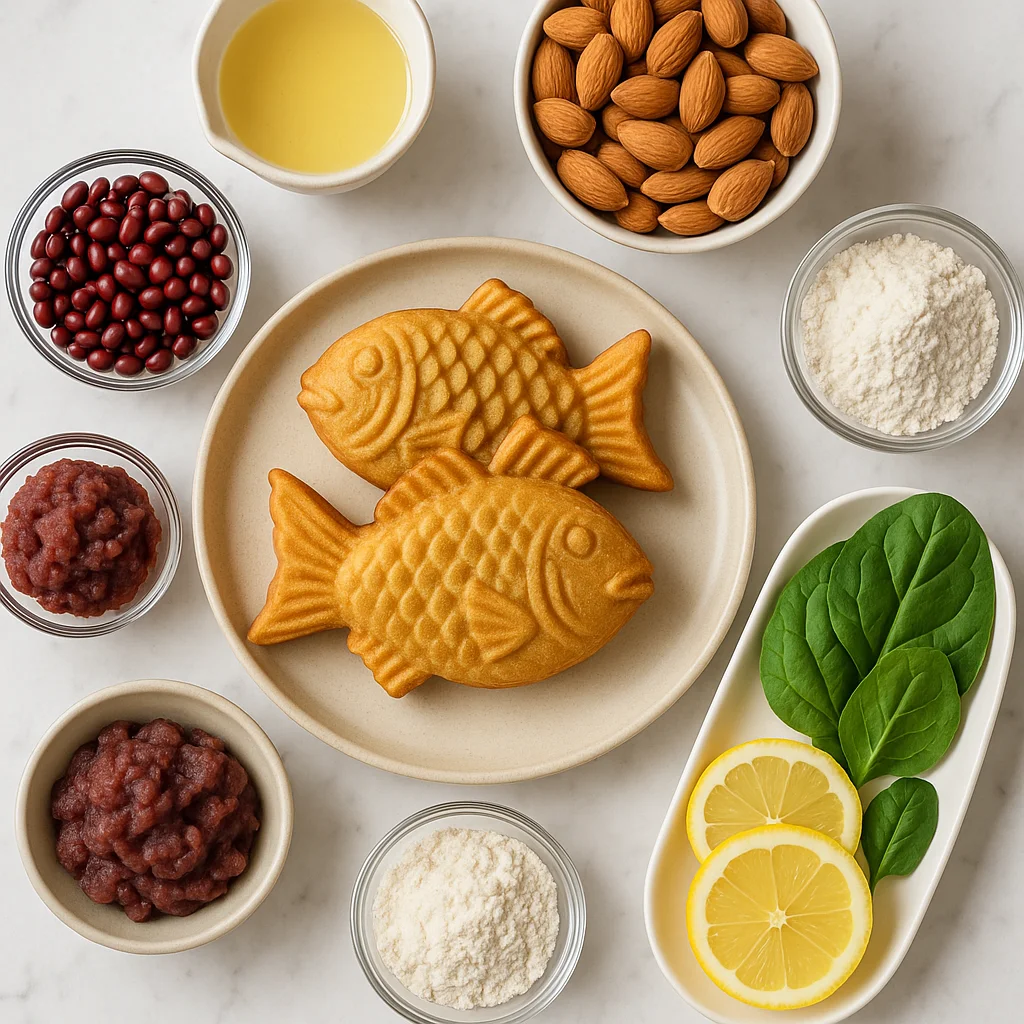
Bungeo-ppang Homemade Fish Pancake Without Deep Frying (Healthy Whole Grain Version)