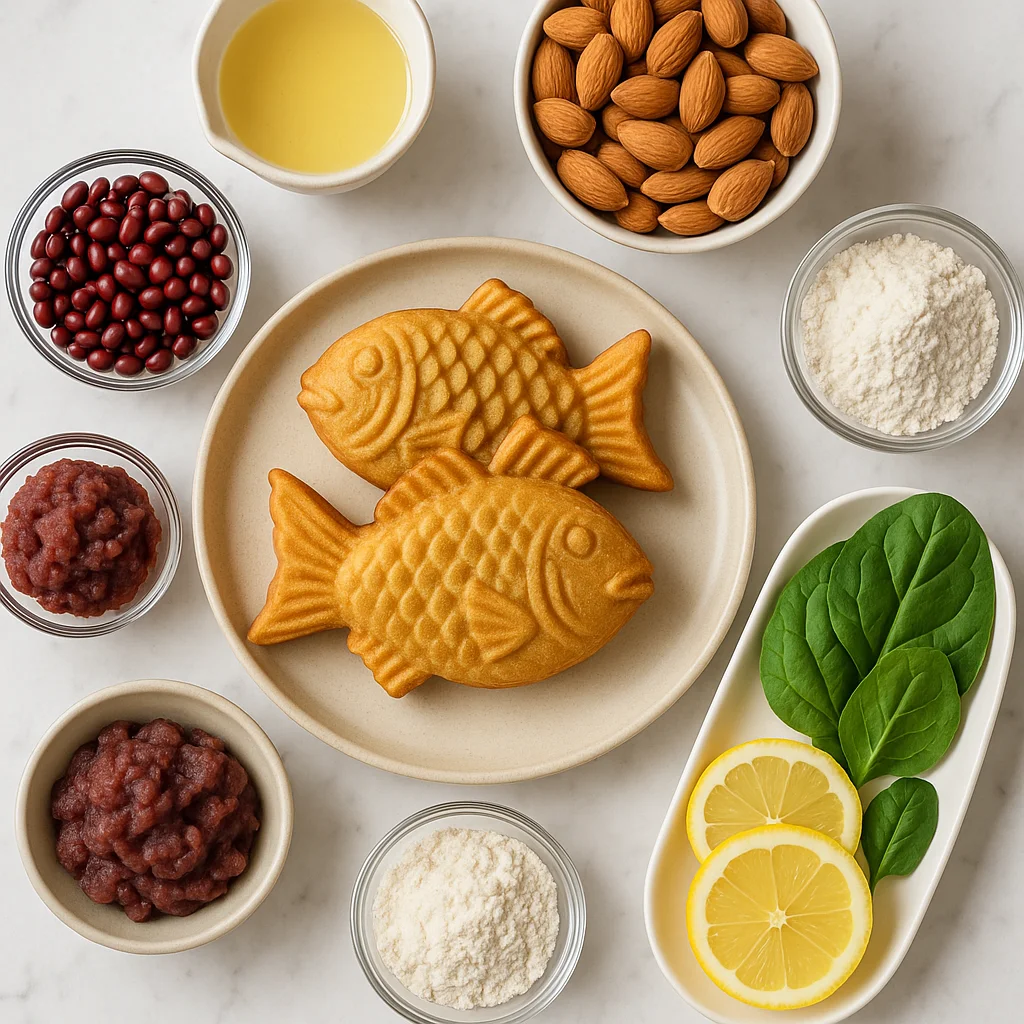
Healthy Bungeo-Ppang Fish Shaped Pancake with Red Bean Paste Recipe
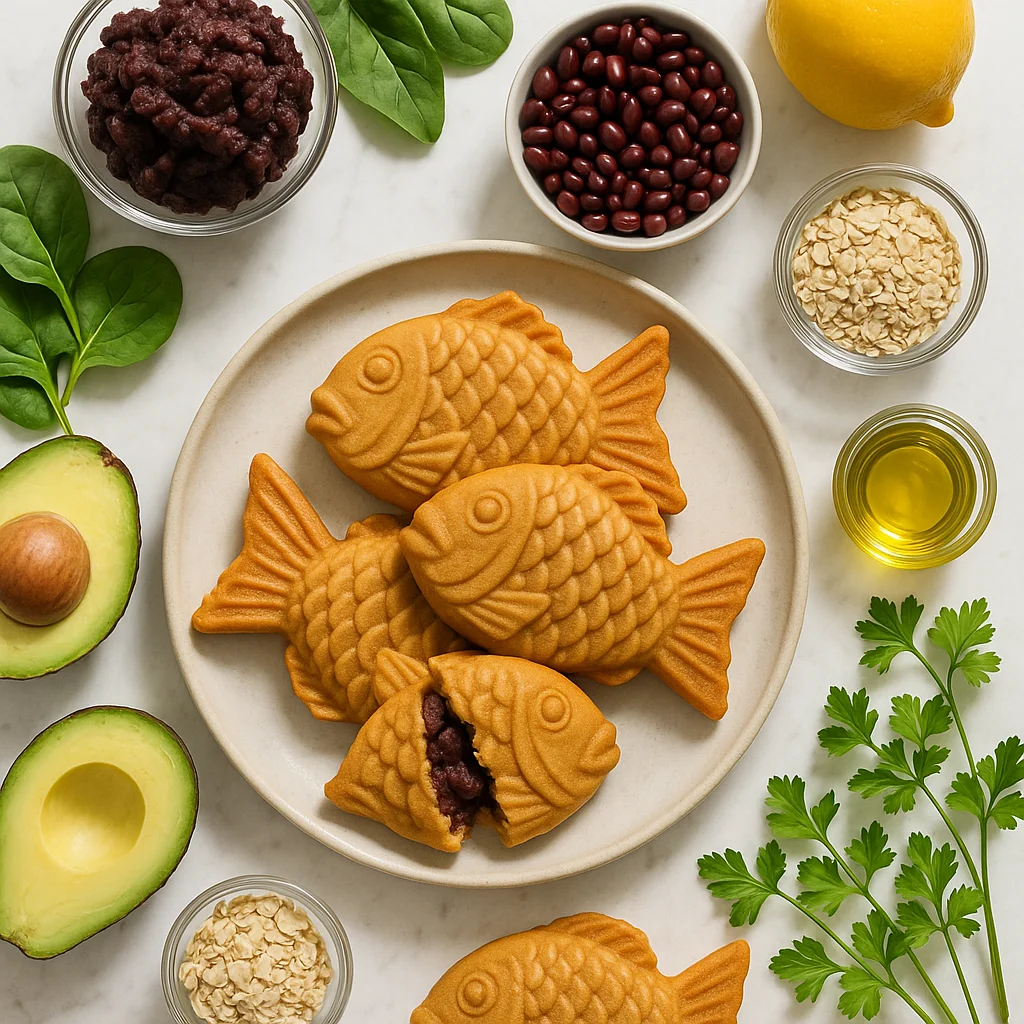
If you have ever craved the warmth of a Korean street snack but wanted something a little kinder to your body, this healthy bungeo-ppang fish shaped pancake red bean paste recipe is going to become your new favourite treat. Bungeo-ppang, those iconic crispy fish-shaped pastries sold from winter street stalls across Korea, are traditionally made with refined white flour and heavily sweetened red bean paste. This version takes all the charm and nostalgia of the original and rebuilds it from the ground up with better-for-you ingredients. The result is a snack that still delivers that satisfying golden shell and sweet, pillowy filling, but with noticeably more fibre, less sugar, and fewer empty calories. It suits health-conscious home bakers, anyone managing their blood sugar, and families who want to introduce kids to Korean food culture without the sugar spike that usually follows.
The batter here swaps plain white flour for a combination of wholegrain oat flour and a small amount of tapioca starch. Oat flour brings a gentle nuttiness and a decent hit of soluble fibre, while the tapioca starch helps create that slightly chewy, lightly crisp texture that makes bungeo-ppang so addictive. A touch of baking powder keeps the batter airy. For the filling, dried adzuki beans are cooked from scratch and mashed with a modest amount of coconut sugar and a pinch of sea salt. Coconut sugar has a lower glycaemic index than refined white sugar, and the adzuki beans themselves are a nutritional powerhouse, packed with plant protein, iron, folate, and a generous amount of dietary fibre. A tiny drop of vanilla extract rounds out the filling beautifully, giving it warmth and depth without adding any extra sweetness.
The texture of these little fish is genuinely impressive. The outside crisps up to a light golden colour in the pan, giving way to a soft, slightly chewy interior that hugs the smooth red bean filling. The filling itself is thick and fragrant, not cloyingly sweet, which means you can actually taste the natural earthiness of the adzuki beans. These are best served hot, straight from the mould, with a small cup of barley tea or green tea on the side. That classic pairing cuts through the subtle sweetness perfectly. If you are serving them as part of a larger spread, they sit beautifully alongside fresh fruit or a small bowl of plain yoghurt. They also make a genuinely lovely after-school snack, since the combination of complex carbohydrates and plant protein keeps energy levels steady rather than spiking and crashing.
From a dietary perspective, this recipe delivers meaningfully on the health front. Each fish contains roughly 110 calories, compared to the 180 to 200 calories typical of a standard street-style bungeo-ppang. The fibre content is considerably higher thanks to both the oat flour and the adzuki beans, which supports digestive health and helps you feel satisfied for longer. The recipe is naturally dairy-free and can be made vegan by using a flax egg in place of the regular egg. Refined sugar is replaced entirely with coconut sugar, so anyone avoiding processed sweeteners will find this recipe fits their lifestyle well. The wholegrain batter also means the carbohydrates are digested more slowly, which is a meaningful benefit for anyone keeping an eye on blood sugar levels. This is Korean comfort food that genuinely earns its place on a healthy dessert table.
Ingredients
- 120 g oat flour (use certified gluten-free oat flour if needed)
- 30 g tapioca starch (also called tapioca flour)
- 1.5 tsp baking powder
- 1 pinch fine sea salt
- 1 large egg (or 1 flax egg for vegan version)
- 180 ml unsweetened oat milk (or any plant milk of your choice)
- 1 tbsp coconut sugar (for the batter)
- 1 tsp light coconut oil (melted, plus extra for greasing the mould)
- 150 g dried adzuki beans (soaked overnight in cold water)
- 3 tbsp coconut sugar (for the red bean paste filling)
- 0.3 tsp fine sea salt (for the filling)
- 0.5 tsp vanilla extract (pure, not imitation)
Instructions
- 1
Drain and rinse the soaked adzuki beans. Place them in a medium saucepan and cover with fresh cold water by about 5 cm. Bring to a boil over high heat, then reduce to a steady simmer. Cook uncovered for 45 to 55 minutes until the beans are completely tender and squash easily between two fingers. Drain well.
Do not skip soaking the beans overnight. It dramatically cuts down on cooking time and improves digestibility.
- 2
Transfer the cooked, drained adzuki beans to a bowl. Add 3 tablespoons of coconut sugar, a quarter teaspoon of sea salt, and the vanilla extract. Mash everything together firmly with a fork or potato masher until you have a thick, smooth paste with only a few small chunks remaining. The paste should hold its shape when scooped. Set aside to cool completely.
For an ultra-smooth paste, blitz briefly in a food processor. A slightly chunky paste also works well and adds texture.
- 3
Make the batter by whisking together the oat flour, tapioca starch, baking powder, and pinch of salt in a medium bowl. In a separate jug, whisk together the egg, oat milk, 1 tablespoon of coconut sugar, and the melted coconut oil. Pour the wet ingredients into the dry and stir gently until just combined. A few small lumps are fine. Do not over-mix.
Let the batter rest for 5 minutes before using. This allows the oat flour to hydrate fully and produces a slightly thicker, more even batter.
- 4
Heat your bungeo-ppang mould or taiyaki pan over medium-low heat. Brush both sides lightly with coconut oil using a pastry brush. Once the pan is hot, pour batter into the lower fish cavity until it is about two-thirds full. Quickly add a rounded teaspoon of the red bean paste into the centre of the batter, keeping it away from the edges.
Do not overfill the mould or the batter will spill out when you close it and create messy edges.
- 5
Pour a small additional spoonful of batter over the top of the red bean paste, just enough to cover it. Close the mould firmly and flip it over. Cook for 2 to 3 minutes on each side over medium-low heat until golden and cooked through. The fish should feel firm and spring back slightly when pressed. Open the mould carefully and transfer the finished bungeo-ppang to a wire rack.
Flip the mould every minute or so for the first two minutes to encourage even browning on both sides.
- 6
Repeat with the remaining batter and filling, re-brushing the mould with a tiny bit of coconut oil between each batch. Serve the bungeo-ppang hot for the best texture, ideally within 10 minutes of cooking.
If making multiple batches, keep finished fish warm in an oven set to 80 degrees Celsius on a wire rack placed over a baking tray.
Nutrition per serving
112kcal
Calories
5g
Protein
19g
Carbs
2.5g
Fat
4g
Fibre
5g
Sugar
98mg
Sodium
Pro Tips
- ✓
Soak adzuki beans overnight for the best texture and to reduce cooking time significantly.
- ✓
Medium-low heat is key for bungeo-ppang. Too high and the outside burns before the inside cooks through.
- ✓
Let the batter rest for at least 5 minutes after mixing so the oat flour absorbs the liquid properly.
- ✓
Use a pastry brush rather than a spray to grease the mould. You need very light, even coverage.
- ✓
Cool the red bean paste completely before using it as filling. Warm paste makes the batter soggy.
- ✓
A fish-shaped cast iron taiyaki pan gives the crispest results, but a non-stick version also works well.
- ✓
If your filling feels too loose, cook it in the saucepan for a few extra minutes over low heat, stirring constantly, until it thickens.
Frequently Asked Questions
Variations
- •
Sweet Potato Filling
Replace the red bean paste with a filling made from roasted and mashed sweet potato mixed with a teaspoon of coconut sugar, a pinch of cinnamon, and a small knob of coconut oil. This gives a naturally sweet, warming filling that is high in beta-carotene and works beautifully with the oat flour batter.
- •
Black Sesame and Honey Filling
Blitz toasted black sesame seeds into a paste, then stir through a small amount of raw honey and a pinch of salt. Black sesame is rich in calcium and healthy fats, and its deep, nutty flavour makes for a sophisticated filling that feels indulgent but is genuinely nourishing.
- •
Banana and Almond Butter Filling
Mash a ripe banana with a tablespoon of smooth almond butter and a pinch of cinnamon. This filling is naturally sweet, high in potassium and healthy monounsaturated fats, and requires no cooking at all. It is especially popular with children and works well for a quick weekday treat.
Substitutions
- •Oat flour → Buckwheat flour (Buckwheat flour is naturally gluten-free and adds an earthy, slightly nutty flavour. Use the same quantity. The colour of the batter will be slightly darker.)
- •Tapioca starch → Arrowroot powder (Arrowroot powder behaves very similarly to tapioca starch in batters, providing the same light chewiness. Use in an equal ratio.)
- •Coconut sugar → Maple syrup (Use 2 tablespoons of maple syrup in place of 3 tablespoons of coconut sugar in the filling. Reduce the oat milk in the batter by a teaspoon if also substituting coconut sugar there, to account for the extra liquid.)
- •Oat milk → Unsweetened almond milk or soy milk (Any unsweetened plant milk works here. Soy milk adds a touch more protein. Almond milk is thinner, so the batter may be slightly looser, but this does not significantly affect the final result.)
- •Egg → Flax egg (Combine 1 tablespoon of ground flaxseed with 3 tablespoons of water. Rest for 10 minutes before using. This keeps the recipe vegan and egg-free.)
🧊 Storage
Store leftover bungeo-ppang in an airtight container at room temperature for up to 1 day, or refrigerate for up to 3 days. Reheat in a dry non-stick pan over low heat for 2 to 3 minutes per side, or in an air fryer at 160 degrees Celsius for 4 minutes, to restore crispness. Avoid microwaving as it makes the outside soft and slightly rubbery.
📅 Make Ahead
The red bean paste filling can be made up to 4 days ahead and stored in an airtight container in the refrigerator. The batter is best made fresh on the day of cooking. If you want to freeze finished bungeo-ppang, cool them completely and freeze in a single layer before transferring to a freezer bag. Reheat from frozen in an air fryer or oven until piping hot throughout.
More Korean Desserts Recipes
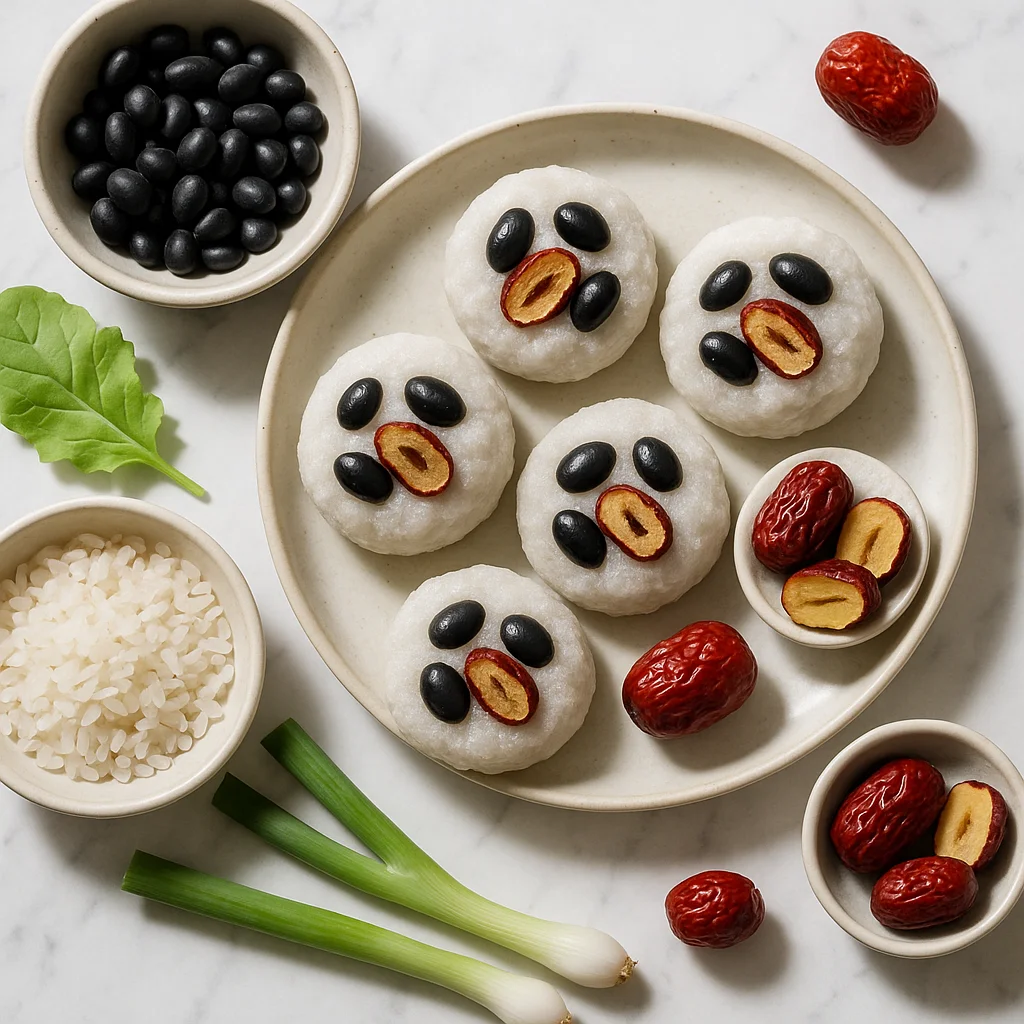
Low Sugar Chapssal-Tteok Rice Cake Recipe with Black Bean and Jujube
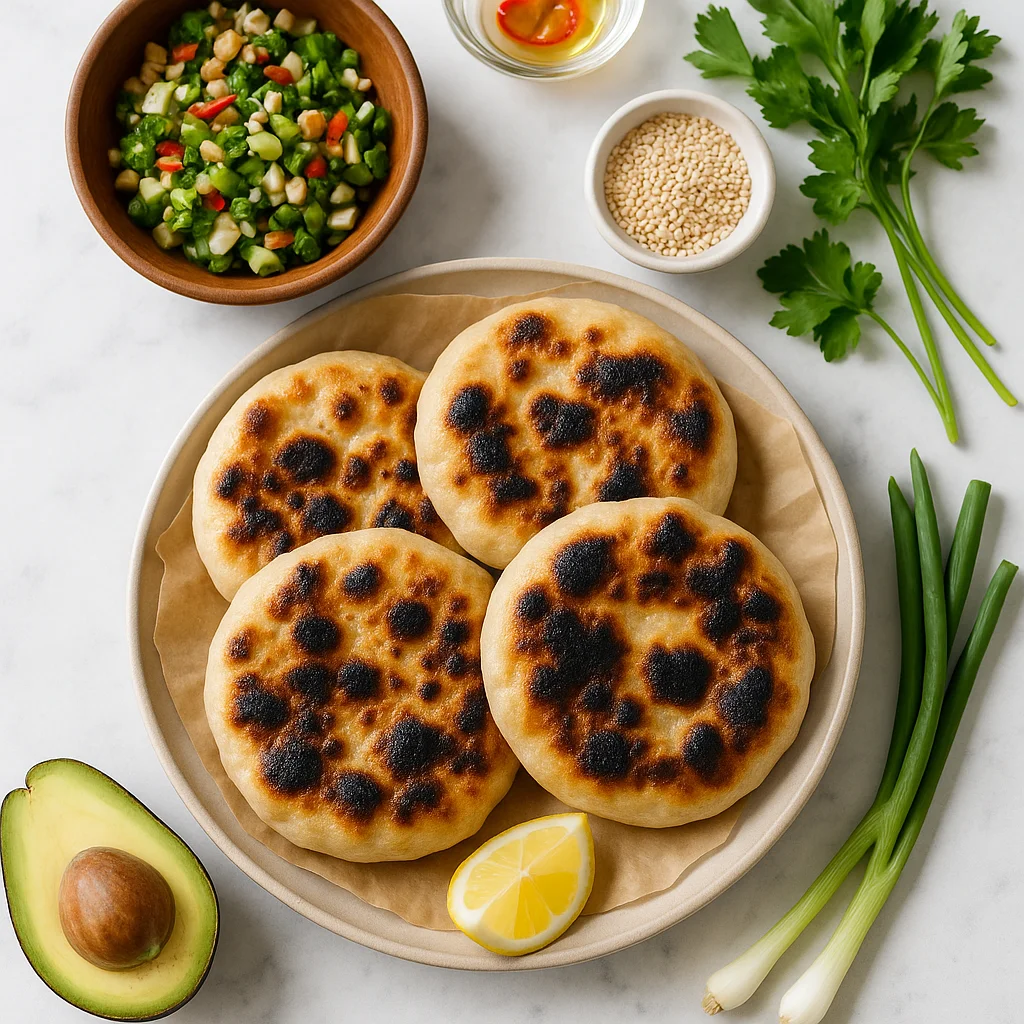
Bubble Hotteok Flame Baked Street Food Recipe (Healthy Oven Version)

Bungeo-ppang Homemade Fish Pancake Without Deep Frying (Healthy Whole Grain Version)