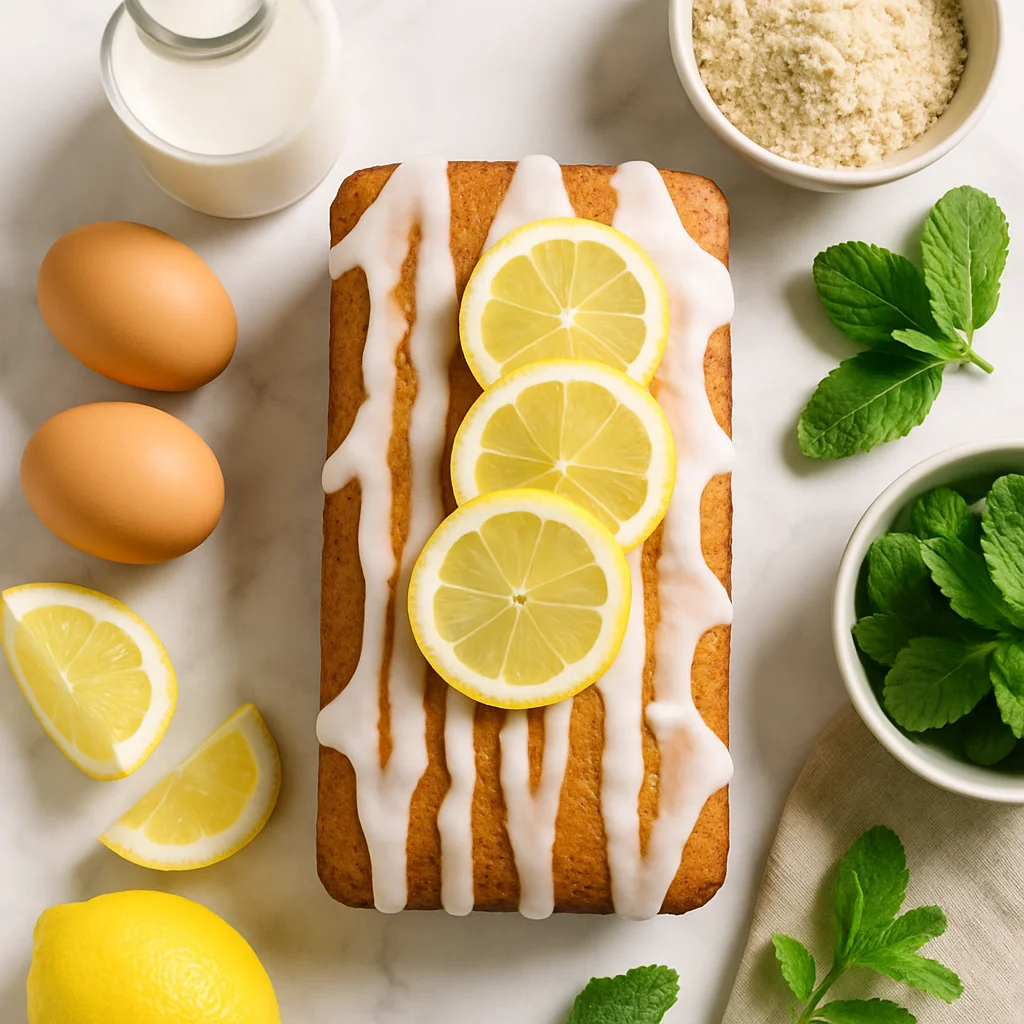
The drizzle is the defining moment of a lemon drizzle cake. Not the sponge, as good as it might be, but the moment the sharp, sugary lemon syrup is poured over the warm cake and soaks into the surface, creating the crackly, crystalline layer that makes every slice taste sharp, sweet and entirely irresistible. This gluten-free version, made with almond flour and a small amount of tapioca starch, produces a sponge with a dense, moist crumb that absorbs the drizzle even better than a standard flour sponge. The lemon flavour is loud throughout, in the sponge, in the drizzle and in a final scatter of lemon zest over the top.
Why this recipe works
Almond flour's high fat content and lack of gluten produce a very moist, almost fudgy crumb that is characteristic of gluten-free almond cakes. Tapioca starch added in a small amount lightens the texture slightly and improves the rise, which almond-only cakes sometimes lack. Greek yogurt in the batter adds protein and reacts with the lemon juice to help the cake rise. The drizzle is simply fresh lemon juice and a small amount of icing sugar stirred together and poured over the warm cake immediately after it comes out of the oven. The cake needs to be warm for the drizzle to penetrate properly.
Getting it right
Pierce the warm cake all over with a skewer before pouring the drizzle. More holes mean more penetration, which means a more evenly soaked and flavoured cake throughout rather than just at the surface.
Pour the drizzle slowly and evenly over the entire surface of the cake. Pouring it all in one spot means it pools rather than soaks in evenly.
Common mistakes
Allowing the cake to cool fully before adding the drizzle means the syrup sits on the surface rather than being absorbed. The drizzle must go on while the cake is still warm from the oven.
Using too much tapioca starch makes the cake gummy rather than tender. Keep it to the recommended small quantity.
Substitutions
Orange juice and zest replace lemon for a sweeter, less tart cake with a completely different character. Lime produces a sharper, more tropical version. A tablespoon of poppy seeds stirred into the batter before baking adds texture and a classic lemon poppy seed dimension.
Serving suggestion
Serve at room temperature, cut into generous slices. A cup of Earl Grey tea alongside is the ideal pairing. The cake keeps in an airtight container for three days and improves on the second day as the drizzle continues to permeate the crumb.
Ingredients
- 200 g blanched almond flour (not almond meal — blanched gives a finer, lighter texture; spoon and level when measuring by volume)
- 30 g tapioca starch or arrowroot (lightens the crumb and improves structure; cornflour also works but is not paleo)
- 150 g caster sugar or coconut sugar (caster sugar gives a cleaner flavour; coconut sugar adds a mild caramel depth and slightly darker crumb)
- 3 large eggs (room temperature — cold eggs can make the batter split)
- 120 ml light olive oil or melted coconut oil (light olive oil is neutral in flavour; coconut oil adds a subtle tropical note; avocado oil also works)
- 3 tbsp fresh lemon juice (approximately 2 lemons; always freshly squeezed — bottled juice lacks the fragrant volatile oils)
- 2 tbsp lemon zest (approximately 2–3 lemons; zest before juicing and use a fine Microplane for best results — avoid the white pith)
- 1 tsp pure vanilla extract (rounds out the citrus — do not substitute imitation vanilla)
- 1 tsp baking powder (gluten-free certified) (check the label if coeliac — some baking powders contain wheat starch)
- ¼ tsp sea salt (balances the sweetness and lifts the lemon flavour)
- 3 tbsp fresh lemon juice (for drizzle) (use the juice from the same lemons you zested for the cake)
- 3 tbsp icing sugar or honey (for drizzle) (icing sugar gives a classic crisp glaze; honey gives a softer, more golden finish — warm slightly if using honey)
Instructions
- 1
Preheat the oven to 175°C (155°C fan) / 350°F. Grease a 2lb (900g) loaf tin and line with baking paper.
Make sure your oven is fully preheated before the batter goes in — almond flour cakes need consistent heat from the start.
- 2
Whisk together the almond flour, tapioca starch, baking powder, and salt in a large bowl.
Whisk the dry ingredients thoroughly to distribute the baking powder evenly — lumps in almond flour can cause uneven rising.
- 3
In a separate bowl or jug, whisk together the eggs, sugar, oil, lemon juice, lemon zest, and vanilla until smooth.
Add the sugar to the wet ingredients rather than the dry — this helps it dissolve more evenly and prevents a grainy texture.
- 4
Pour the wet ingredients into the dry and fold together until just combined and smooth.
The batter will be slightly thicker than a traditional cake batter — this is correct. Do not be tempted to add extra liquid.
- 5
Pour into the prepared loaf tin and bake for 38–42 minutes until golden on top and a skewer inserted in the centre comes out clean.
Cover loosely with foil after 25 minutes if the top is browning too quickly. Almond flour browns faster than wheat flour due to its natural fat content.
- 6
While the cake is baking, mix the lemon juice and icing sugar together for the drizzle.
For a honey drizzle, warm the honey slightly to make it pourable. Combine with the lemon juice just before the cake comes out of the oven so it is ready to pour immediately.
- 7
As soon as the cake comes out of the oven, poke holes all over the surface with a skewer and slowly pour the drizzle over the hot cake.
Pour slowly in two or three small additions, allowing each to absorb before pouring more. This ensures the syrup soaks evenly through the crumb rather than pooling at the edges.
- 8
Allow to cool completely in the tin before slicing — at least 1 hour.
Patience here is key — cutting into a warm almond flour cake can cause it to crumble. It firms up considerably as it cools and slices far more cleanly.
Nutrition per serving
185kcal
Calories
5g
Protein
18g
Carbs
11g
Fat
2g
Fibre
13g
Sugar
120mg
Sodium
Pro Tips
- ✓
Always zest your lemons before juicing them, it is much easier, and the zest carries the most intensely fragrant lemon oils in the whole fruit.
- ✓
Use room temperature eggs. Cold eggs straight from the fridge can cause the oil to seize and the batter to look curdled, it will still bake, but room temperature eggs produce a smoother, more even crumb.
- ✓
Pour the drizzle over the cake immediately as it comes out of the oven, the hot, porous crumb will absorb the syrup much more effectively than a cooled cake, creating that signature sticky, glossy top.
- ✓
The cake is even better on day two. Once the lemon syrup has had overnight to soak fully through the crumb, the flavour deepens and the texture becomes even more tender.
- ✓
If your cake sinks in the middle, the most likely cause is underbaking. Gluten-free cakes can look done on top while still raw in the centre, always test with a skewer and wait for it to come out completely clean.
- ✓
For extra lemon intensity without adding more liquid, stir 1 tsp of lemon extract into the batter alongside the fresh juice and zest. You can also add 2 tbsp poppy seeds for a classic lemon-poppy seed variation.
Frequently Asked Questions
Variations
- •
Lemon Poppy Seed Cake
Stir 2 tbsp poppy seeds into the batter before baking for a classic lemon-poppy seed combination.
- •
Orange Almond Cake
Replace all lemon with orange zest and juice for a warmer, sweeter citrus version. Add 1 tsp cardamom for a Middle Eastern twist.
- •
Lime and Coconut Cake
Replace lemon with lime juice and zest, and add 3 tbsp desiccated coconut to the batter for a tropical variation.
Substitutions
- •Tapioca starch → Arrowroot powder or cornflour (Use equal quantities. Cornflour is not paleo but works well.)
- •Caster sugar → Coconut sugar or golden caster sugar (Coconut sugar gives a slightly darker colour but a wonderful caramel depth.)
- •Light olive oil → Melted coconut oil or avocado oil (Coconut oil adds a subtle coconut flavour that pairs well with lemon.)
🧊 Storage
Store in an airtight container at room temperature for up to 3 days or refrigerate for up to 5 days. The cake stays moist due to the lemon drizzle. Freeze individual slices wrapped in cling film for up to 2 months.
📅 Make Ahead
This cake is ideal for making 1–2 days ahead. Bake, drizzle, and store in an airtight container at room temperature. The lemon syrup continues to soak in, making the cake even more flavourful on day two.
More Gluten-Free Desserts Recipes
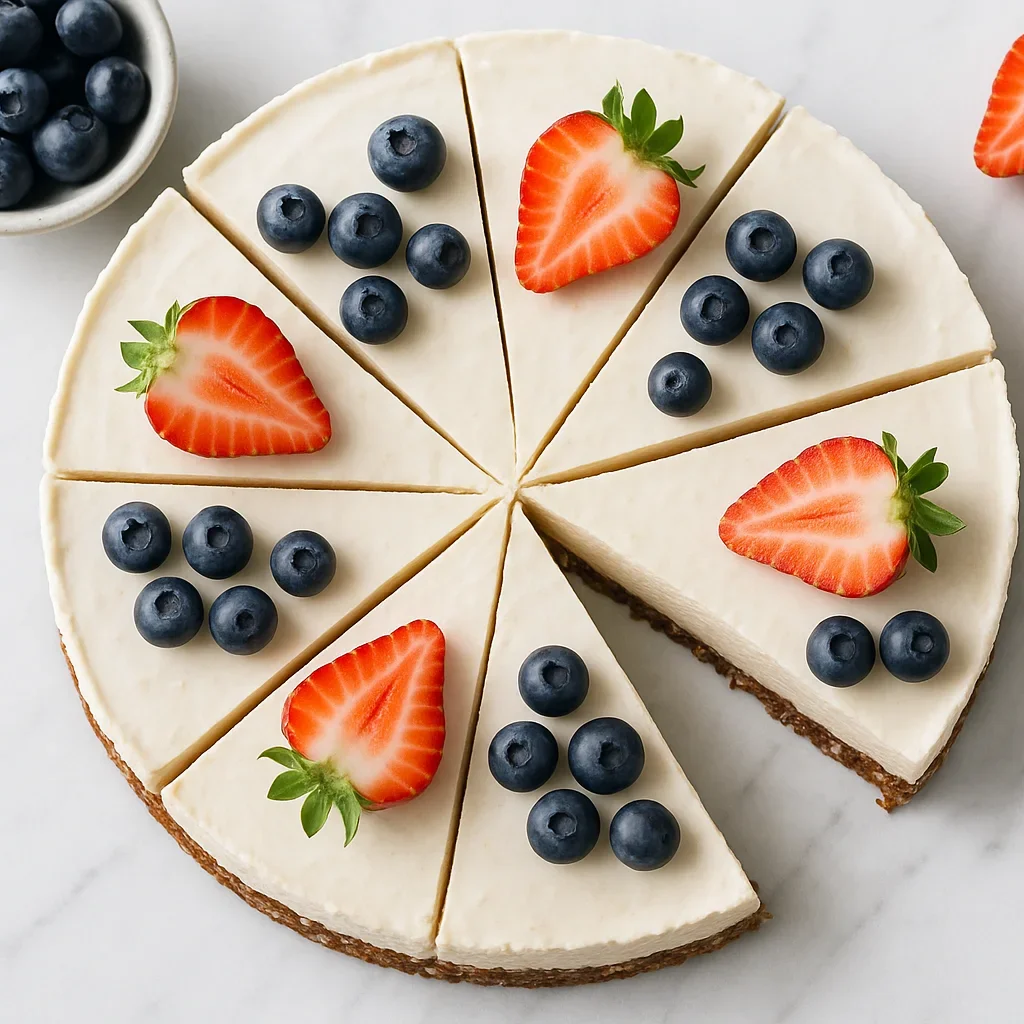
Lightened-Up Gluten Free No Bake Cheesecake with Almond Date Crust
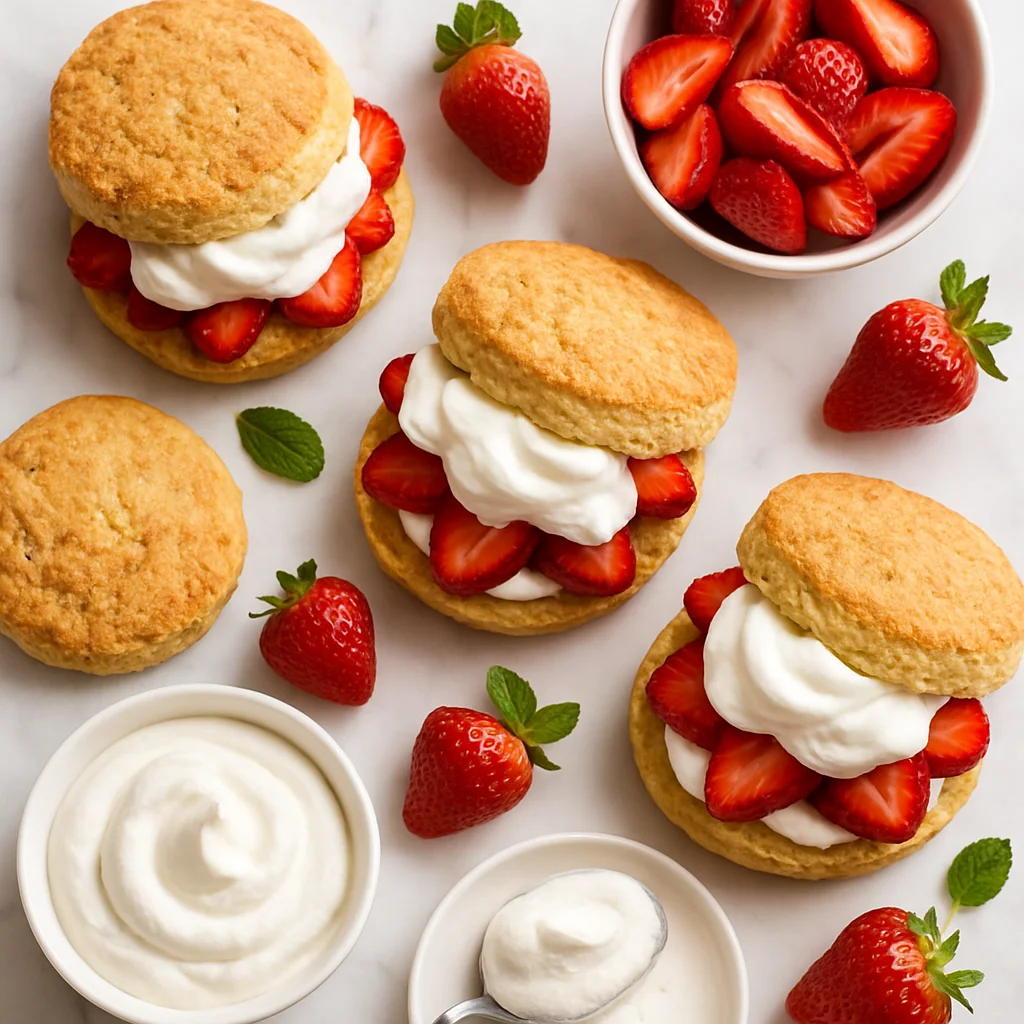
Light & Fluffy Gluten Free Strawberry Shortcake with Almond Flour Biscuits
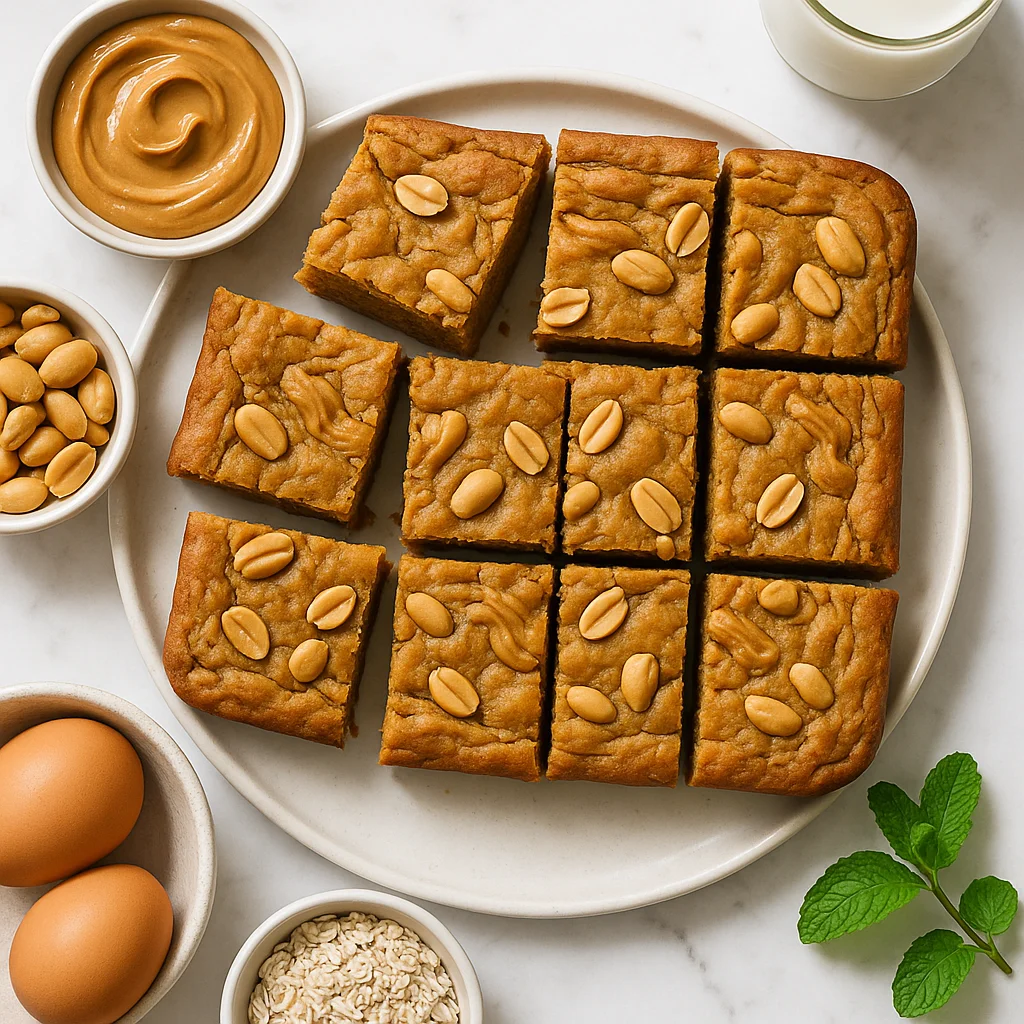
Gluten Free Peanut Butter Blondies (Fudgy, High-Protein & Naturally Sweetened)