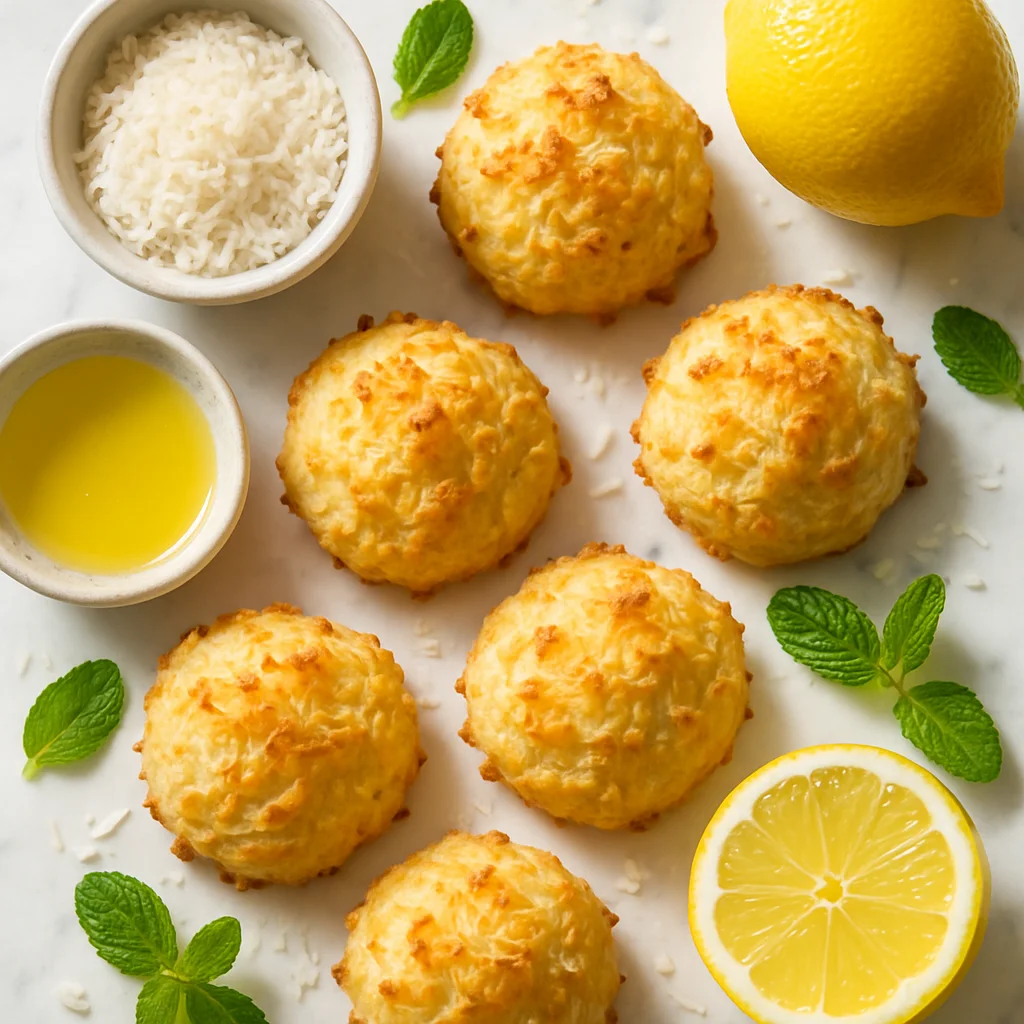
Gluten Free Easter Carrot Cake with Light Yogurt Frosting
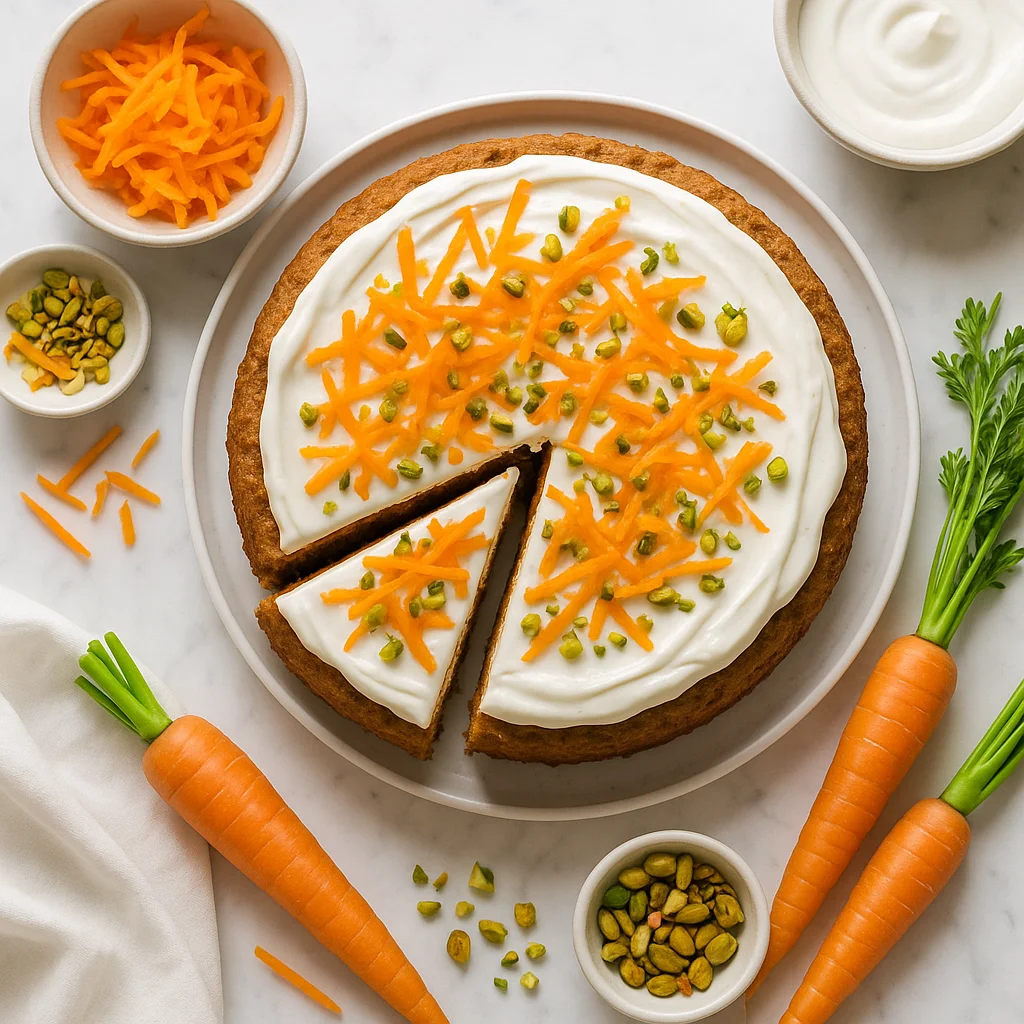
Easter baking should feel celebratory without the post-slice guilt, and this gluten free Easter carrot cake does exactly that. It is the kind of recipe that sits happily on a springtime table, impressing guests who would never guess it skips both refined flour and excessive sugar. Built around wholesome ingredients and a genuinely lighter frosting, this cake is a brilliant choice for anyone navigating gluten intolerance, coeliac disease, or simply wanting to make smarter choices around the long weekend. Every single bite delivers that classic carrot cake warmth, minus the heavy, syrupy sweetness that traditional recipes often carry.
The base of this cake uses a blend of fine almond flour and oat flour, both certified gluten free. Almond flour brings natural moisture and a subtle nuttiness, while oat flour provides structure and a gentle boost of soluble fibre. Fresh grated carrots are the real hero here, adding natural sweetness, colour and an impressive hit of beta-carotene. A small amount of coconut sugar replaces the usual white caster sugar, giving a deeper, almost caramel-like flavour with a lower glycaemic impact. Ground cinnamon, ginger and a pinch of nutmeg tie everything together with that irresistible Easter spice warmth. Two eggs help bind the batter while a modest measure of extra virgin coconut oil replaces the heavy vegetable oil most traditional recipes rely on, keeping the fat profile cleaner and the texture beautifully soft.
The finished cake is tender and springy, with flecks of bright orange carrot running through each slice. The crumb is close and moist without being dense or gummy, which is a common pitfall with gluten free baking. For the frosting, thick Greek yogurt is whipped together with a small amount of cream cheese and a drizzle of raw honey, creating something far lighter than a traditional buttercream or heavy cream cheese frosting. A squeeze of lemon zest lifts the whole thing and makes it taste almost impossibly fresh. Served cool from the fridge, the frosting sets to a silky, cloud-like layer that complements the spiced cake underneath beautifully. Scatter the top with a handful of chopped walnuts and a few edible spring flowers if you want a showstopping Easter centrepiece.
From a nutritional standpoint, this recipe genuinely delivers. Each slice contains significantly less sugar than a comparable traditional carrot cake, and the combination of almond flour and oat flour raises the fibre content considerably above a standard wheat-flour version. Almond flour also contributes a useful amount of vitamin E and healthy monounsaturated fats. The Greek yogurt frosting adds protein to what is usually a nutritionally empty topping. This cake is naturally gluten free, made without any refined sugar, and can easily be adapted to suit dairy free diets with a couple of simple swaps. It is a recipe built around the idea that celebration food can nourish as well as delight, and at Easter, that feels like exactly the right approach.
Ingredients
- 200 g fine almond flour (blanched, not almond meal)
- 120 g certified gluten free oat flour (sifted)
- 2 tsp baking powder (gluten free certified)
- 0.5 tsp bicarbonate of soda
- 0.3 tsp fine sea salt
- 2 tsp ground cinnamon
- 1 tsp ground ginger
- 0.3 tsp ground nutmeg (freshly grated is best)
- 3 large eggs (room temperature)
- 90 g coconut sugar
- 80 ml extra virgin coconut oil (melted and cooled slightly)
- 120 ml unsweetened almond milk
- 1 tsp pure vanilla extract
- 280 g fresh carrots (finely grated, excess moisture squeezed out)
- 40 g raisins (optional, for natural sweetness)
- 250 g full fat Greek yogurt (strained overnight if possible for a thicker frosting)
- 120 g light cream cheese (room temperature)
- 2 tbsp raw honey (or pure maple syrup)
- 1 tsp lemon zest (finely grated)
- 1 tsp fresh lemon juice
- 40 g walnuts (roughly chopped, for topping)
Instructions
- 1
Preheat your oven to 175 degrees C (fan 155 degrees C). Grease two 20cm round cake tins and line the bases with circles of baking parchment.
Running a thin layer of coconut oil around the sides helps the cake release cleanly after baking.
- 2
In a large mixing bowl, combine the almond flour, oat flour, baking powder, bicarbonate of soda, salt, cinnamon, ginger and nutmeg. Whisk together until evenly blended and no lumps remain.
- 3
In a separate bowl, whisk the eggs and coconut sugar together for about two minutes until slightly pale and thickened. Pour in the melted coconut oil, almond milk and vanilla extract, and whisk again until smooth.
Make sure your coconut oil is not too hot when you add it, or it may start to cook the eggs.
- 4
Pour the wet ingredients into the dry ingredients and fold gently with a spatula until just combined. Do not overmix. Fold in the grated carrots and raisins if using.
Squeezing excess liquid from the grated carrots in a clean tea towel prevents the batter from becoming too wet.
- 5
Divide the batter evenly between the two prepared tins and smooth the tops with the back of a spoon. Bake for 35 to 38 minutes, until the tops are golden and a skewer inserted into the centre comes out clean.
Start checking at the 33-minute mark as oven temperatures vary quite a bit.
- 6
Leave the cakes to cool in their tins for 10 minutes, then turn out onto a wire rack and allow to cool completely before frosting. This is important because warm cake will melt the frosting.
- 7
To make the frosting, beat the cream cheese in a bowl until smooth and fluffy. Add the strained Greek yogurt, honey, lemon zest and lemon juice. Beat again until everything is combined and the mixture is creamy. Chill in the fridge for 15 minutes to firm up slightly.
Straining the yogurt overnight through a muslin cloth or fine sieve gives you a much thicker, more stable frosting.
- 8
Place one cooled cake layer on your serving plate or cake board. Spread roughly half the frosting over the top in an even layer. Place the second cake layer on top and spread the remaining frosting across the top and sides. Scatter over the chopped walnuts.
A small offset palette knife gives you the best control when spreading the frosting.
- 9
Refrigerate the assembled cake for at least 30 minutes before slicing. This helps the frosting set and makes cutting much cleaner.
Nutrition per serving
248kcal
Calories
8g
Protein
22g
Carbs
15g
Fat
3g
Fibre
10g
Sugar
165mg
Sodium
Pro Tips
- ✓
Grate your carrots finely rather than coarsely for a more even crumb and better moisture distribution throughout the cake.
- ✓
Certified gluten free oat flour matters here. Regular oat flour can contain traces of wheat from cross-contamination at the mill.
- ✓
Room temperature eggs incorporate far more smoothly into the batter than cold ones straight from the fridge.
- ✓
If your batter feels very thick, add an extra tablespoon of almond milk to loosen it slightly.
- ✓
For an Easter table presentation, top with edible spring flowers, small chocolate eggs made from dark chocolate, or a dusting of cinnamon.
- ✓
Coconut sugar can be replaced with light brown sugar if coconut sugar is unavailable, though this will raise the refined sugar content.
- ✓
This cake tastes even better the next day once the spices have had time to deepen in flavour.
Frequently Asked Questions
Variations
- •
Pineapple and Carrot Easter Cake
Fold 80g of well-drained crushed tinned pineapple into the batter along with the carrots. The pineapple adds extra natural sweetness and makes the crumb even more moist without adding refined sugar.
- •
Spiced Carrot and Orange Cake
Add the zest of one large orange to the batter and swap the lemon zest in the frosting for orange zest. The citrus note pairs beautifully with the warm spices and gives the whole cake a very festive springtime character.
- •
Mini Easter Carrot Cupcakes
Divide the batter among 18 to 20 cupcake cases and bake at the same temperature for 20 to 22 minutes. Top each one with a small swirl of frosting and a mini carrot decoration made from orange-dyed coconut.
- •
Dairy Free Coconut Frosted Carrot Cake
Replace the Greek yogurt and cream cheese entirely with chilled coconut cream that has been whipped until thick, sweetened with a tablespoon of maple syrup and a teaspoon of vanilla extract. The result is a beautifully light dairy free topping.
Substitutions
- •Almond flour → Sunflower seed flour (Use the same weight. Sunflower seed flour works well for those with nut allergies, though it can give a slightly greener tint to the crumb due to a natural reaction with baking powder.)
- •Certified gluten free oat flour → Certified gluten free buckwheat flour (Use the same weight. Buckwheat adds an earthy, slightly nutty depth that pairs nicely with the spices. The texture will be marginally denser.)
- •Coconut sugar → Maple syrup (Replace 90g coconut sugar with 70ml pure maple syrup and reduce the almond milk by 2 tablespoons to compensate for the extra liquid.)
- •Coconut oil → Light olive oil (Use the same volume. Light olive oil has a very neutral flavour and keeps the cake moist. Avoid extra virgin olive oil as the flavour is too strong.)
- •Greek yogurt → Thick coconut yogurt (For a fully dairy free frosting. Choose a coconut yogurt that has been strained or is sold as a Greek-style variety for the best consistency.)
- •Eggs → Flax eggs (Mix 1 tablespoon of ground flaxseed with 3 tablespoons of water per egg and allow to sit for five minutes. Three flax eggs will make this cake vegan. The texture will be slightly denser but still very pleasant.)
🧊 Storage
Store the frosted cake in an airtight container in the refrigerator for up to four days. Remove from the fridge about 20 minutes before serving for the best texture and flavour. The unfrosted cake layers can be kept at room temperature, well wrapped, for up to two days.
📅 Make Ahead
Both cake layers can be baked up to two days in advance and stored tightly wrapped at room temperature, or frozen for up to two months. The frosting can be made up to one day ahead and kept covered in the fridge. Assemble on the day of serving for the freshest result.
More Easter Desserts Recipes
Dark Chocolate Covered Fruit Easter Dessert Platter with Berry and Citrus
Easter White Chocolate Raspberry Truffles Keto (Sugar-Free & Creamy)
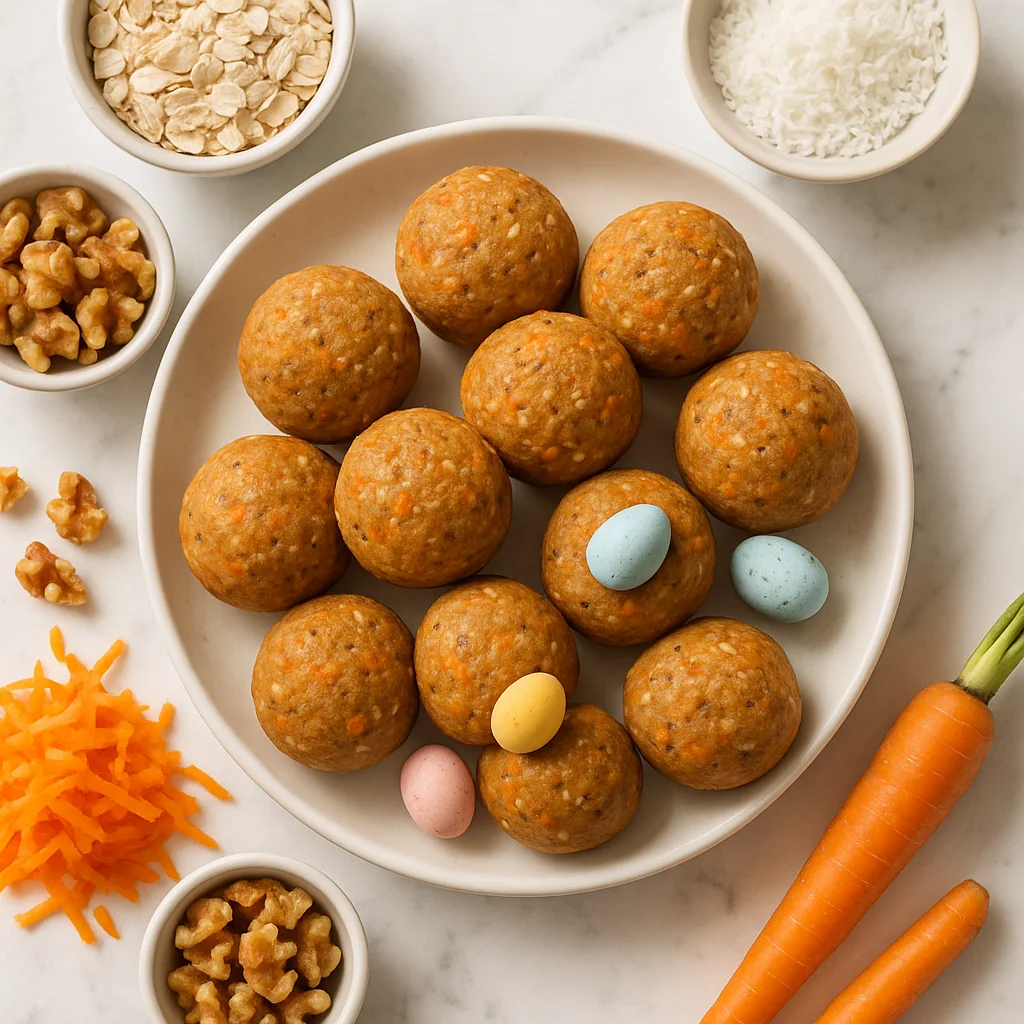
Easter Carrot Cake Protein Balls (Dairy Free)