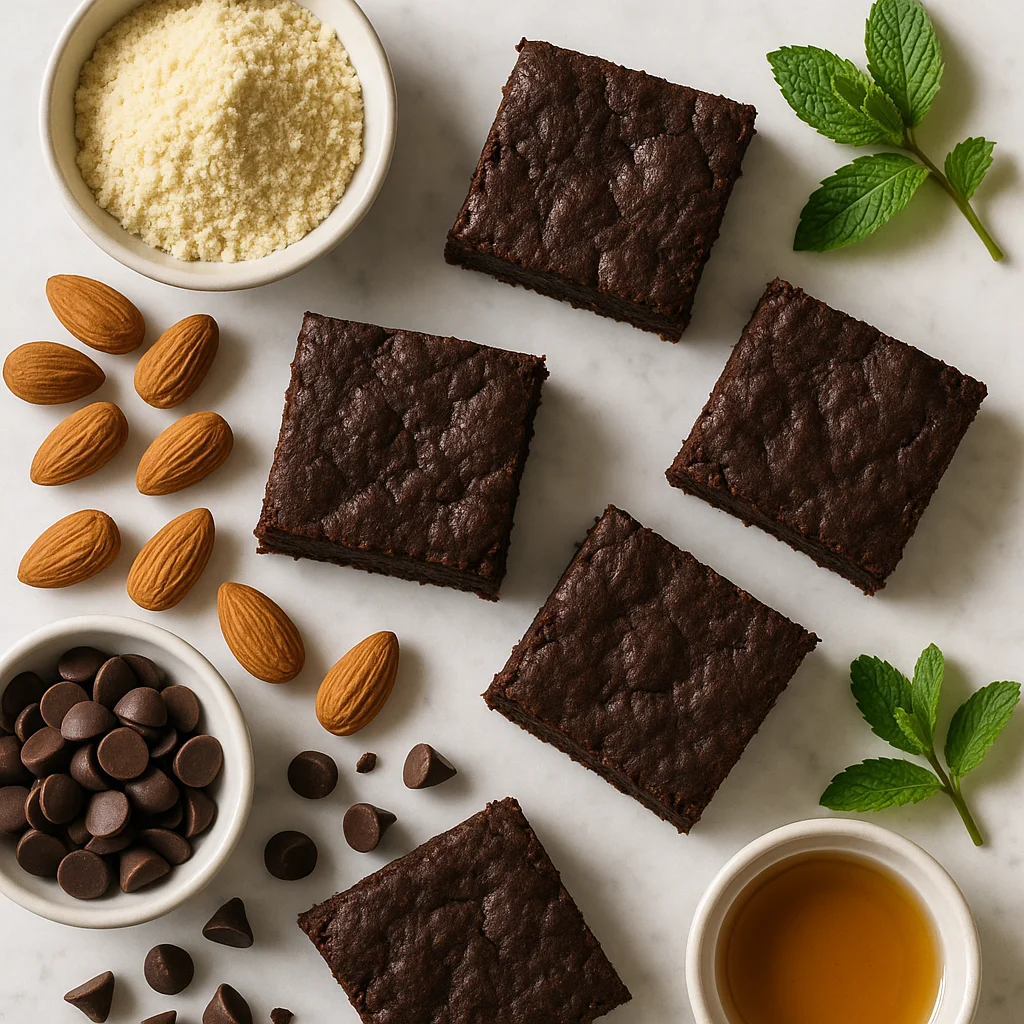
Gluten Free Chocolate Lava Cake with Almond Flour and Date Sweetener
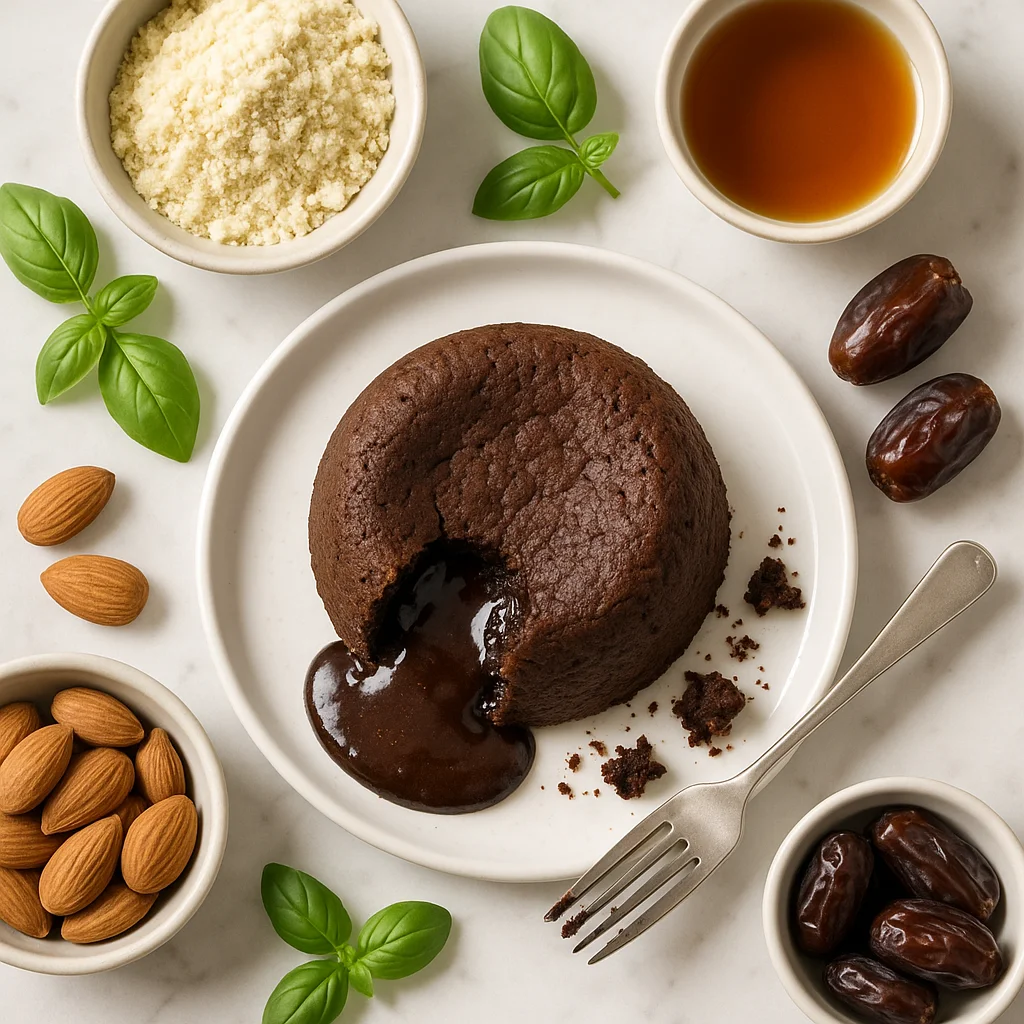
If you have ever craved a warm, gooey chocolate lava cake but wanted something that aligns with your health goals, this gluten free chocolate lava cake is exactly what you have been looking for. Traditional molten lava cakes are loaded with refined flour, heaps of white sugar, and large amounts of butter, making them a dessert that is hard to justify on a regular basis. This version flips the script entirely, delivering that iconic molten chocolate centre and tender outer sponge without any gluten, refined sugar, or unnecessary additives. Whether you are gluten intolerant, simply trying to eat more mindfully, or looking for a show-stopping dessert that will impress guests without leaving everyone in a sugar coma, this recipe is your answer.
The base of this recipe uses finely ground almond flour, which not only keeps the cakes completely gluten free but also adds a subtle nuttiness, healthy fats, and a decent hit of protein and fibre compared to standard plain flour. Almond flour gives the sponge a beautifully moist and slightly dense texture that is actually ideal for lava cakes, helping the outer walls set while the centre stays wonderfully molten. It is important to use blanched, finely ground almond flour here, not almond meal, which is coarser and ground from whole almonds with the skin on. The finer grind is what allows the sponge to hold together cleanly and unmould without crumbling. Paired with raw cacao powder instead of processed cocoa, you get a deeper, more complex chocolate flavour alongside a natural boost of antioxidants, magnesium, and iron.
For sweetness, we skip the refined white sugar entirely and reach for Medjool dates blended into a smooth paste. Dates are nature's caramel, offering a rich, complex sweetness along with fibre, potassium, and natural minerals that refined sugar simply cannot compete with. Medjool dates specifically are the variety to seek out, they are plumper, softer, and far more easily blended than standard dried dates, resulting in a silky paste with no gritty texture. Soaking them in warm water for ten minutes before blending makes an enormous difference, softening them just enough for a truly smooth consistency. The result is a lava cake that is noticeably lower in sugar and calories per serving than any restaurant version you will encounter, yet every bit as indulgent and satisfying.
The molten centre is created using a small piece of high-quality dark chocolate, aim for 85 percent cacao or higher, placed directly in the middle of the batter before baking. As the outer sponge sets in the oven, this centre piece remains beautifully fluid, creating that signature lava flow the moment you cut in. Using dark chocolate with a very high cacao percentage means you also keep the added sugar from the filling as low as possible while intensifying the overall chocolate experience. Make sure the chocolate square is fully enclosed in batter on all sides, as any exposure to the ramekin wall can allow it to seep out during baking rather than pooling beautifully in the centre.
Coconut oil takes the place of traditional butter in this recipe, lending a light richness without any dairy. This makes the recipe naturally dairy free as written, which is a huge bonus for anyone with lactose intolerance or following a dairy-free lifestyle. The eggs play a crucial structural role here, helping the sponge set around the gooey centre, so this is not a fully vegan recipe in its base form, though a vegan adaptation using aquafaba and flax eggs is included in the variations section.
A small addition of arrowroot powder binds the almond flour batter and helps the sponge walls set firmly enough to hold their shape during unmoulding. Do not be tempted to skip it or substitute with more almond flour, it performs a very specific function that keeps the structure intact while allowing the centre to stay molten.
One of the best things about this gluten free chocolate lava cake recipe is how quick and straightforward it is to prepare. With just ten minutes of prep time and around twelve minutes in the oven, you can have elegant, restaurant-quality individual desserts on the table in under half an hour. The batter can even be made ahead and refrigerated in the moulds for up to twelve hours, making it a brilliant option for dinner parties or date nights when you want dessert to feel completely effortless.
Timing is everything with lava cakes. The difference between a perfectly molten centre and an accidentally set one is often just one or two minutes. Every oven runs slightly differently, so the single most important piece of advice is to check the cakes at eleven minutes and trust the wobble test, the edges should look set while the very centre still moves slightly when you shake the tray. If you are making these for the first time or using an unfamiliar oven, bake a single test ramekin first so you can calibrate the exact timing before committing all four.
Served warm straight from the oven, these lava cakes pair beautifully with a dollop of coconut yoghurt, a scoop of banana nice cream, or simply a light dusting of cacao powder and a handful of fresh raspberries. The contrast of the warm, intense chocolate centre against something cool and creamy is an experience that feels genuinely luxurious, even knowing that what you are eating is far better for your body than a conventional version.
At around 282 calories per serving with over 5 grams of fibre and 7 grams of protein, this is a dessert you can feel genuinely good about eating. It sits comfortably in the healthy dessert space without ever sacrificing on flavour, texture, or the pure joy of that molten chocolate moment. Keep this recipe saved, once you make it, it will become your go-to gluten free chocolate lava cake for every occasion.
Ingredients
- 6 large Medjool dates (pitted and soaked in warm water for 10 minutes — Medjool dates are essential here as they are softer and blend more smoothly than standard dried dates)
- 3 tbsp warm water (for soaking and blending the dates into a smooth paste)
- 2 large eggs (room temperature — cold eggs do not incorporate as evenly and can cause the batter to split)
- 2 large egg yolks (room temperature — the extra yolks add richness and help the sponge set around the molten centre)
- 3 tbsp virgin coconut oil (melted and slightly cooled — if it is too hot it can begin to cook the eggs when combined)
- 1 tsp pure vanilla extract (use pure extract, not imitation vanilla flavouring, for the cleanest flavour)
- 60 g fine almond flour (use blanched, finely ground almond flour — not almond meal, which is coarser and produces a grainier, denser sponge that does not unmould cleanly)
- 3 tbsp raw cacao powder (sifted to remove lumps — raw cacao has a more complex, intense flavour and higher antioxidant content than regular cocoa powder)
- 1 tsp arrowroot powder (acts as a binder for the almond flour batter — do not skip this, as it helps the sponge walls set firmly enough to hold their shape during unmoulding)
- 0.3 tsp fine sea salt (enhances the chocolate flavour and balances the natural sweetness of the dates)
- 4 squares dark chocolate (85% cacao) (approximately 10g each — the higher the cacao percentage, the more intense the flavour and the lower the added sugar content; try chilling the squares in the freezer for 15 minutes before use for an even more reliably molten centre)
- 1 tsp coconut oil (for greasing the ramekins — use a pastry brush or paper towel to coat all interior surfaces evenly, including right up to the rim)
- 1 tsp raw cacao powder (for dusting the greased ramekins — this replaces the flour dusting used in traditional recipes and prevents any floury residue on the finished cakes)
Instructions
- 1
Preheat your oven to 200°C (180°C fan / 400°F). Lightly grease four 150ml ramekins with coconut oil, then dust each one with a little raw cacao powder, tapping out any excess. This prevents sticking and avoids any floury residue.
Use a pastry brush or a folded piece of paper towel to coat every part of the ramekin interior — sides, base, and all the way up to the rim. Any uncoated patch is a sticking point that can cause the cake to tear on unmoulding.
- 2
Drain the soaked Medjool dates and add them to a small blender or food processor along with 3 tablespoons of warm water. Blend until completely smooth with no lumps remaining. The paste should be thick and caramel-like.
If your blender struggles, add an extra half tablespoon of warm water, but keep the paste as thick as possible — a watery date paste will thin the batter and affect the final texture. A small, powerful blender or personal blender works better here than a large jug blender.
- 3
In a medium mixing bowl, whisk together the whole eggs, egg yolks, melted coconut oil, and vanilla extract until well combined and slightly frothy, about 1 to 2 minutes.
Make sure the melted coconut oil has cooled to roughly room temperature before adding it to the eggs. Oil that is too hot can partially cook the yolks, creating streaks or graininess in the finished batter.
- 4
Add the date paste to the egg mixture and whisk vigorously until fully combined and smooth. The batter will look rich and dark at this stage.
Scrape down the sides and base of the bowl with a spatula after whisking to make sure no pockets of date paste are hiding. Lumps of date paste in the batter can create uneven sweetness and affect the sponge texture.
- 5
Sift in the almond flour, raw cacao powder, arrowroot powder, and sea salt. Fold gently with a spatula until just combined. Do not overmix — a few folds is all you need once the dry ingredients disappear into the batter.
Folding rather than beating keeps the batter light and prevents the cakes from becoming too dense. The batter is ready the moment you can no longer see streaks of dry flour — stop folding immediately at that point.
- 6
Divide roughly half the batter evenly between the four prepared ramekins. Place one square of dark chocolate in the centre of each ramekin, pressing it down very gently into the batter. Spoon the remaining batter on top, covering the chocolate square completely and levelling the surface.
Make sure the chocolate square is fully enclosed in batter with no part touching the sides of the ramekin. If the chocolate is exposed to the ramekin wall, it can seep out down the sides during baking instead of pooling in the centre. Chilling the chocolate squares in the freezer for 15 minutes beforehand helps maintain a more reliably molten pool.
- 7
Place the ramekins on a baking tray and bake in the preheated oven for 11 to 13 minutes. The edges should look set and the top should appear just firm to the touch, but the centre should still have a very slight wobble when you gently shake the tray.
Start checking at exactly 11 minutes. If you are using a fan oven, lean towards the shorter end of the timing range. Overbaking by even 1 to 2 minutes will fully set the centre and you will lose the lava effect entirely. If you are unfamiliar with your oven's heat distribution, bake a single test ramekin first to calibrate your timing.
- 8
Remove from the oven and allow to rest in the ramekins for exactly 1 minute — no longer. Run a thin butter knife around the inside edge of each ramekin, place a small serving plate on top, and confidently invert the ramekin to unmould the cake. Lift the ramekin away carefully.
Work quickly and confidently when inverting — hesitation or a slow tipping motion can cause the cake to break or stick. If a cake does not release immediately, give the ramekin one firm tap on the top before lifting. Waiting longer than 1 minute allows the sponge to contract and stick to the sides.
- 9
Serve immediately, dusted with a little extra cacao powder or topped with fresh raspberries and a spoonful of coconut yoghurt. The lava centre is at its best within 2 minutes of unmoulding.
Have your serving plates, toppings, and any accompaniments completely ready before you take the cakes out of the oven. These desserts wait for no one — the molten centre begins to firm up quickly once out of the heat, so every second counts between unmoulding and serving.
Nutrition per serving
282kcal
Calories
7.4g
Protein
24.6g
Carbs
18.2g
Fat
5.3g
Fibre
15.8g
Sugar
112mg
Sodium
Pro Tips
- ✓
Use a kitchen scale to weigh your almond flour rather than scooping with a cup, almond flour compresses easily in measuring cups and even a small excess can cause the sponge to set too firmly around the centre, killing the lava effect.
- ✓
Always use blanched, finely ground almond flour, not almond meal. Almond meal is coarser, ground from whole skin-on almonds, and will give your sponge a gritty, dense texture that does not unmould cleanly.
- ✓
The single most important variable in this recipe is oven timing. Ovens vary significantly, so start checking at 11 minutes. If you are making these for the first time, bake one test ramekin ahead of baking all four, it is the most reliable way to nail the perfect timing for your specific oven.
- ✓
The ramekins can be filled with batter, covered tightly with cling film or beeswax wrap, and refrigerated for up to 12 hours before baking. This makes the recipe ideal for dinner parties. Add 1 to 2 extra minutes to the bake time when cooking straight from the fridge, and let them sit at room temperature for 10 minutes first.
- ✓
Do not skip greasing and dusting the ramekins with cacao powder, this step is essential for a clean, confident unmould. Make sure to coat the sides all the way to the rim and tap out any excess. Even a small uncoated patch can cause the sponge to stick and break on inversion.
- ✓
For an extra-intense molten centre, chill your dark chocolate squares in the freezer for 15 minutes before placing them in the batter. A colder piece of chocolate takes slightly longer to melt, meaning the outer sponge has a better chance of setting fully before the centre liquefies all the way through.
Frequently Asked Questions
Variations
- •
Vegan Lava Cake
Replace the 2 eggs and 2 yolks with 3 tablespoons of aquafaba whisked until frothy, combined with 1 tablespoon of ground flaxseed mixed with 3 tablespoons of water and rested for 5 minutes. Use a vegan dark chocolate square for the centre. The texture will be a little softer but the molten effect still works beautifully.
- •
Spiced Mexican Chocolate Lava Cake
Add half a teaspoon of ground cinnamon and a pinch of cayenne pepper to the dry ingredients for a warm, spicy depth inspired by Mexican hot chocolate. Use a cinnamon-spiked dark chocolate square in the centre for extra flavour.
- •
Orange Chocolate Lava Cake
Add the zest of one large orange to the wet ingredients and use a square of dark orange chocolate for the molten centre. The citrus lifts the bitterness of the cacao and creates a sophisticated, grown-up dessert.
- •
Raspberry Lava Cake
Place 3 to 4 fresh raspberries and a small square of dark chocolate into the centre instead of chocolate alone. The raspberries burst during baking, creating a fruity chocolate lava that is lower in sugar and naturally vibrant.
Substitutions
- •Medjool dates → Maple syrup (3 tablespoons) (Use pure maple syrup as a direct liquid sweetener. The batter will be slightly thinner but the flavour is excellent. This reduces fibre content slightly.)
- •Coconut oil → Unsalted butter or ghee (Use the same quantity. Note this will make the recipe no longer dairy free but produces a slightly richer sponge.)
- •Arrowroot powder → Tapioca flour or cornstarch (Use in an equal 1:1 ratio. Both work as binders and thickeners in the same way as arrowroot.)
- •Almond flour → Hazelnut flour (Hazelnut flour creates a Ferrero Rocher-inspired flavour profile. Use the exact same quantity. Note this is not nut free.)
- •Raw cacao powder → Dutch-process cocoa powder (Dutch-process cocoa is milder and slightly less bitter. It works in an equal swap but you will lose some of the antioxidant benefits of raw cacao.)
🧊 Storage
Lava cakes are best eaten immediately after baking and unmoulding. If you have leftovers, store fully baked cakes (still in ramekins or in an airtight container) in the refrigerator for up to 2 days. Reheat in a microwave for 20 to 30 seconds, the centre will not be fully molten but the cake will still be delicious. Not suitable for freezing once baked.
📅 Make Ahead
Fill greased ramekins with batter, cover tightly with cling film or beeswax wrap, and refrigerate for up to 12 hours before baking. This makes the recipe ideal for dinner parties. Remove from the fridge 10 minutes before baking and add 1 to 2 extra minutes to the bake time.
More Gluten-Free Desserts Recipes
Lightened-Up Gluten Free No Bake Cheesecake with Almond Date Crust
Light & Fluffy Gluten Free Strawberry Shortcake with Almond Flour Biscuits
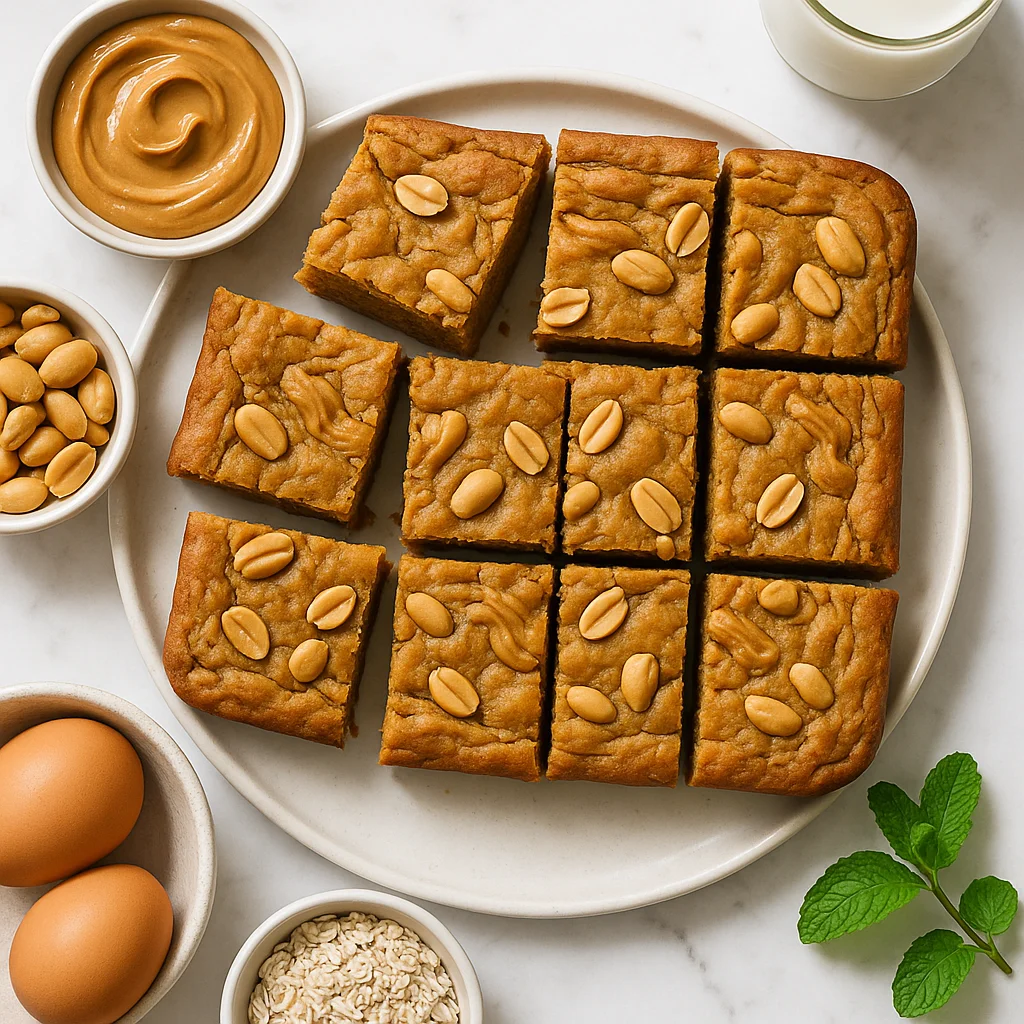
Gluten Free Peanut Butter Blondies (Fudgy, High-Protein & Naturally Sweetened)