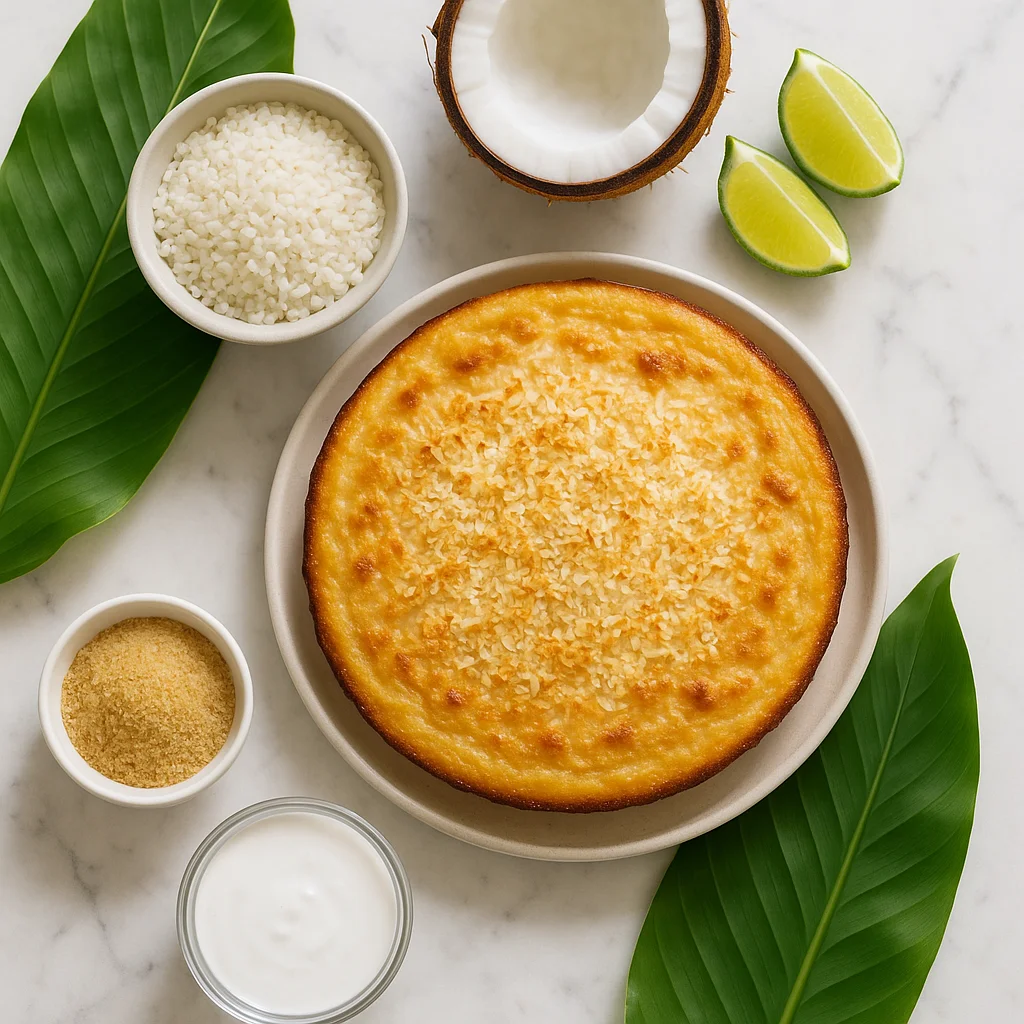
Lightened-Up Ginataang Bilo Bilo Coconut Milk Dessert with Sweet Potato and Jackfruit

If you have ever craved a warm, creamy Filipino dessert that actually loves you back, this lightened-up ginataang bilo bilo recipe is exactly what your kitchen needs. Traditional ginataan is one of those dishes that feels like a hug in a bowl, but the classic version often leans heavily on full-fat coconut cream and generous amounts of refined sugar. This version keeps every bit of that comforting soul while trimming the calories, cutting the added sugar by nearly half and boosting the fibre content through smart ingredient swaps. It is a recipe for anyone who wants to honour Filipino food traditions without abandoning their health goals, and it works beautifully as an afternoon snack, a light dessert after dinner or even a warming breakfast on a cold morning.
The star of this recipe is the homemade glutinous rice balls, also called bilo bilo, made simply from glutinous rice flour and a splash of water. They are naturally gluten-free and provide that satisfying chewy texture the dish is famous for. Instead of full-fat coconut cream, this recipe uses a blend of light coconut milk and a small amount of full-fat coconut milk, which keeps the broth rich and fragrant without loading on saturated fat. Sweetness comes from a modest amount of coconut sugar rather than refined white sugar. Coconut sugar has a lower glycemic index than regular sugar, meaning it causes a gentler rise in blood sugar levels. The addition of ripe purple sweet potato brings natural sweetness, a gorgeous colour and a serious fibre boost. Small sago pearls add that signature chewiness, while ripe jackfruit contributes tropical flavour and extra potassium without needing any additional sweetener.
The finished bowl is a beautiful layered experience of textures and flavours. The broth is gently sweet and coconutty with a silky, slightly thickened consistency from the starch released by the sweet potato and rice balls as they cook. Each spoonful delivers soft, yielding sweet potato cubes, springy little bilo bilo, translucent sago pearls and tender strips of jackfruit all swimming together in that fragrant coconut broth. A pinch of sea salt in the broth ties everything together, which is a small touch that makes the sweetness pop in the most satisfying way. Serve it hot straight from the pot on cool evenings, or allow it to cool and refrigerate it for a chilled dessert during warmer months. A sprinkle of toasted sesame seeds on top adds a gentle nuttiness and a little extra texture if you like.
From a nutritional standpoint, this ginataang bilo bilo recipe coconut milk dessert delivers genuinely impressive credentials compared to the traditional preparation. Each serving comes in at around 210 calories, compared to upwards of 350 calories in many classic versions. The purple sweet potato provides beta-carotene, vitamin C, potassium and roughly 3 grams of dietary fibre per serving, supporting gut health and keeping you fuller for longer. Sago pearls are naturally gluten-free and easy to digest. Light coconut milk still contains medium-chain triglycerides, or MCTs, which the body processes differently from long-chain fats and which some research links to improved energy metabolism. The recipe is completely vegan, dairy-free, gluten-free and free from refined sugar, making it accessible for a wide range of dietary needs. It proves, rather convincingly, that Filipino comfort food can be both deeply traditional and genuinely good for you at the same time.
Ingredients
- 1 cup glutinous rice flour (also labelled mochiko or sweet rice flour)
- 5 tablespoons water (added gradually to form a soft dough)
- 1 cup purple sweet potato (peeled and cut into 1.5cm cubes, about 1 medium potato)
- 400 ml light coconut milk (from a can, shaken well)
- 200 ml full-fat coconut milk (from a can, for richness)
- 400 ml water (for the cooking broth)
- 3 tablespoons coconut sugar (adjust to taste)
- 1 teaspoon fine sea salt
- 1 cup small sago pearls (pre-cooked according to package instructions)
- 150 g ripe jackfruit (fresh or canned in water, drained and sliced into strips)
- 1 small ripe saba banana or regular plantain (sliced into 2cm rounds)
- 1 teaspoon pure vanilla extract (optional but adds lovely warmth)
Instructions
- 1
Cook the sago pearls first if you have not already. Bring a small pot of water to a rolling boil, add the dry sago pearls and cook for 15 to 20 minutes, stirring occasionally, until they are mostly translucent with just a tiny white dot remaining in the centre. Drain, rinse under cold water and set aside in a bowl of cold water to prevent sticking.
Do not skip the cold water rinse. It stops the sago from clumping into one sticky mass while you prepare everything else.
- 2
Make the bilo bilo while the sago cooks. Place the glutinous rice flour in a medium mixing bowl. Add water one tablespoon at a time, mixing with your fingers after each addition, until the dough comes together into a soft, smooth consistency that is not sticky. It should feel like soft playdough.
The dough is ready when it holds its shape when rolled but does not crack at the edges. If it cracks, add another teaspoon of water.
- 3
Pinch off small portions of dough, roughly half a teaspoon each, and roll them between your palms into smooth balls approximately 1.5 cm in diameter. Arrange the finished balls on a lightly floured plate or tray and cover with a damp cloth to prevent drying out.
Aim for consistent sizing so all the bilo bilo cook evenly in the pot.
- 4
Pour the 400ml of water into a medium to large saucepan and bring it to a gentle boil over medium heat. Add the purple sweet potato cubes and cook for 8 minutes, or until they are just beginning to soften but still hold their shape.
Starting with water rather than coconut milk lets the sweet potato cook evenly without the risk of the coconut milk scorching on the bottom of the pot.
- 5
Add the light coconut milk and full-fat coconut milk to the pot along with the coconut sugar and sea salt. Stir gently to combine. Drop in the jackfruit strips and sliced banana. Reduce the heat to medium-low and simmer for 5 minutes, stirring occasionally.
- 6
Carefully drop the bilo bilo balls into the simmering coconut broth one at a time. Stir gently so they do not stick together. Cook for 6 to 8 minutes until the rice balls float to the surface and are cooked through. A floating bilo bilo is a done bilo bilo.
Do not rush this step with high heat. A gentle simmer keeps the rice balls from breaking apart and keeps the coconut milk from separating.
- 7
Add the pre-cooked sago pearls and vanilla extract if using. Stir everything together gently and cook for a further 2 minutes until the sago is warmed through. Taste the broth and add a little more coconut sugar if you prefer a sweeter result.
- 8
Ladle into bowls and serve warm. Alternatively, allow the dessert to cool completely before refrigerating for a chilled version, which is equally delicious in warmer weather.
The broth will thicken as it sits and cools. Stir in a splash of water or extra light coconut milk when reheating to loosen it back to a soup-like consistency.
Nutrition per serving
212kcal
Calories
3g
Protein
36g
Carbs
7g
Fat
3g
Fibre
11g
Sugar
98mg
Sodium
Pro Tips
- ✓
Pre-cook your sago pearls the day before and store them in cold water in the fridge. This makes the actual dessert come together in under 30 minutes.
- ✓
Purple sweet potato gives the broth a stunning lilac hue, but regular orange sweet potato works just as well and tastes equally good.
- ✓
Use canned jackfruit in water rather than syrup to avoid adding hidden sugar to the dish.
- ✓
Keep the heat at medium-low once the coconut milk goes in. High heat causes coconut milk to split and gives the broth a grainy appearance.
- ✓
A pinch of salt is non-negotiable. It balances the sweetness and makes the coconut flavour taste more vibrant.
- ✓
Leftover bilo bilo tend to absorb liquid overnight and expand slightly. Add extra water or coconut milk when reheating to restore the broth.
- ✓
For a more filling version, add half a cup of cooked chickpeas. They blend surprisingly well with the coconut broth and add plant-based protein.
Frequently Asked Questions
Variations
- •
Pandan-Scented Version
Add 2 fresh pandan leaves tied into a knot to the pot along with the coconut milk. Simmer and remove before serving. Pandan gives the broth a subtle floral, vanilla-like fragrance that is deeply traditional in Filipino and Southeast Asian desserts.
- •
Ube Bilo Bilo
Mix 1 tablespoon of ube halaya or ube powder into the glutinous rice dough before rolling. This turns the rice balls a vibrant purple and adds a subtle sweet, earthy flavour that pairs wonderfully with the coconut broth.
- •
Ginger-Spiced Version
Add a 3cm piece of fresh ginger, peeled and sliced, to the pot with the water in step 4. Remove the ginger slices before serving. The gentle warmth from the ginger makes this variation especially comforting in cooler months and is said to aid digestion.
- •
Protein-Boosted Version
Stir in half a cup of canned chickpeas, rinsed and drained, along with the jackfruit in step 5. Chickpeas add 4 grams of plant-based protein per serving without altering the flavour significantly, making this a more satisfying option if you are eating it as a meal rather than a snack.
Substitutions
- •Purple sweet potato → Orange sweet potato or taro (Orange sweet potato is easier to find in most supermarkets and works identically in this recipe. Taro gives a more starchy, earthy flavour and a denser texture, which many people prefer.)
- •Sago pearls → Small tapioca pearls (Small tapioca pearls cook in a similar way to sago and provide the same chewy texture. Avoid large boba pearls as they take much longer to cook and can overwhelm the other ingredients.)
- •Coconut sugar → Maple syrup or raw honey (Use 2 tablespoons of maple syrup or raw honey in place of the 3 tablespoons of coconut sugar. Both dissolve easily into the broth. Note that honey is not vegan.)
- •Jackfruit → Ripe mango or lychee (Fresh ripe mango stirred in at the very end of cooking adds bright tropical sweetness. Canned lychee, drained and halved, also works beautifully and requires no extra cooking time.)
- •Saba banana → Regular banana or Cavendish banana (Regular supermarket bananas work well. Use slightly underripe ones so they hold their shape during cooking rather than turning mushy in the hot broth.)
🧊 Storage
Store leftover ginataang bilo bilo in an airtight container in the refrigerator for up to 3 days. The sago pearls and bilo bilo will absorb some of the broth as they sit, so stir in a few tablespoons of water or light coconut milk before reheating gently on the stovetop over low heat. Do not freeze this dessert as the rice balls become grainy and the sago pearls lose their pleasant texture after thawing.
📅 Make Ahead
The sago pearls can be cooked up to 2 days ahead and stored submerged in cold water in the fridge. The bilo bilo dough balls can be rolled and refrigerated on a floured tray for up to 24 hours before cooking. Having both components ready reduces active cooking time to about 20 minutes on the day of serving.
More Filipino Desserts Recipes
Low Sugar Filipino Yema Recipe: Creamy Egg Yolk Candy with Coconut Milk
Baked Banana Lumpia Turon Recipe No Fry (Crispy and Guilt-Free)
Low Sugar Biko Recipe: Filipino Sticky Rice Cake with Coconut Caramel