Low Sugar Biko Recipe: Filipino Sticky Rice Cake with Coconut Caramel
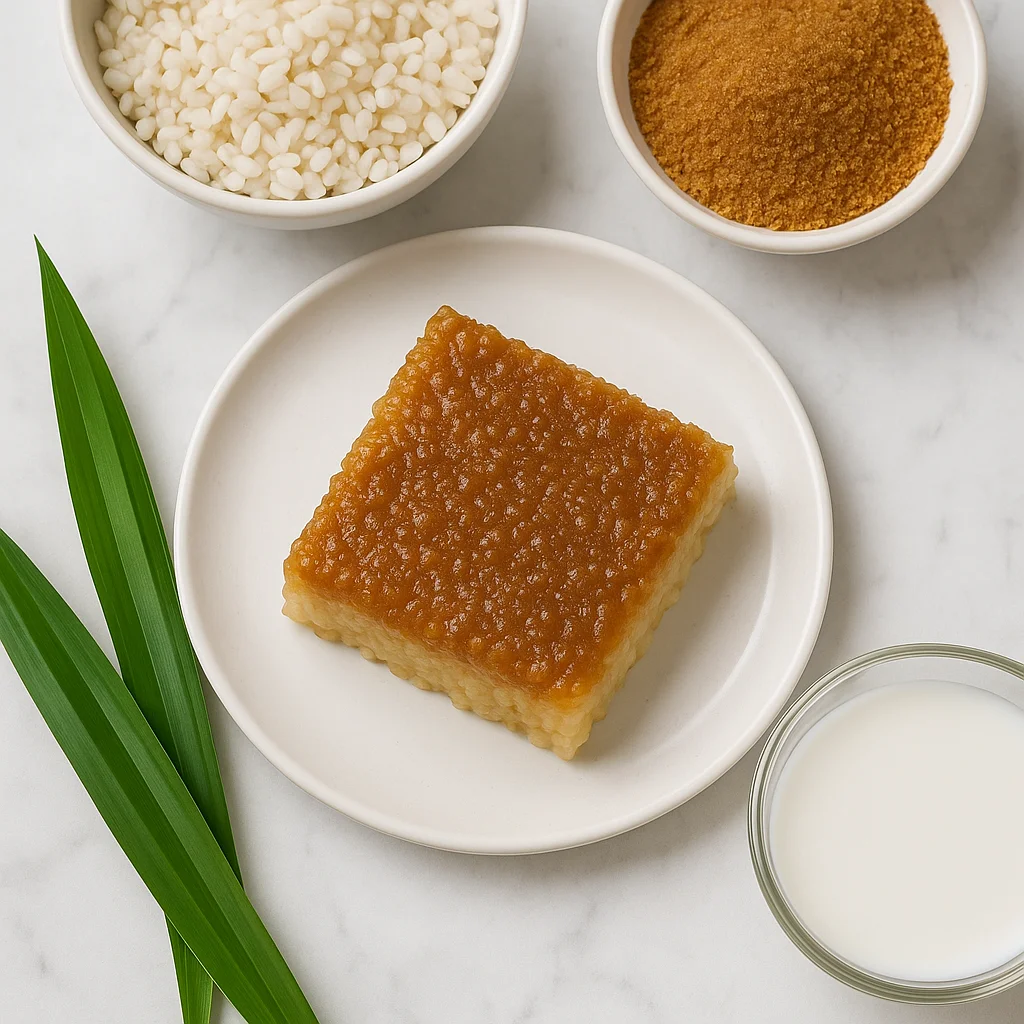
Biko is one of those desserts that feels like a warm hug. This low sugar biko recipe sticky rice cake version was created for anyone who adores the deeply comforting flavours of this Filipino classic but wants to enjoy a slice without the sugar spike that usually follows. Traditional biko can pack anywhere from one to two cups of brown sugar into a single pan, which is a lot for a treat you want to share regularly. This version brings that same chewy, coconut-kissed magic to the table using a fraction of the sugar, sweetened mostly with pure coconut sugar and a touch of pure maple syrup. The result is a dessert that genuinely satisfies, without the guilt or the energy crash.
The backbone of any great biko is glutinous rice, sometimes called sweet rice or malagkit. Do not let the word glutinous confuse you, because the rice is actually completely gluten-free. Its high starch content is what creates that signature bouncy, chewy texture. For this recipe, full-fat coconut milk does the heavy lifting in terms of richness and creaminess. Coconut sugar replaces refined white or dark brown sugar almost one for one in flavour, but it has a lower glycaemic index, meaning it digests more slowly and causes a gentler rise in blood sugar. A small amount of pure maple syrup goes into the topping to help create a glossy caramel without loading on extra processed sweeteners. A pinch of sea salt in both the rice base and the topping is essential, because it sharpens the coconut flavour and keeps the sweetness balanced rather than cloying.
The texture of this biko is wonderfully dense and chewy in the centre, with a slightly sticky surface and a thin, jammy caramel layer on top that sets as it cools. Warm from the oven, it smells like a coconut grove. Once cooled to room temperature, it slices cleanly into neat squares or diamonds, making it ideal for sharing at potlucks, family gatherings, or Filipino celebration spreads. Serving it slightly warm with a small scoop of coconut sorbet works beautifully if you want to make it feel a little more special. A sprinkle of toasted sesame seeds or a few curls of toasted coconut on top adds a gentle crunch that contrasts the chewiness in the most satisfying way. If you are making it for a casual weeknight treat, just slicing it straight from the pan with a cup of jasmine tea is more than enough.
From a nutritional standpoint, this biko recipe sticky rice cake low sugar version has roughly 60 percent less added sugar than a traditional recipe, dropping from a typical 180 to 200 calories per serving down to around 145 calories. The use of coconut sugar provides trace minerals including iron, zinc, and potassium, which refined cane sugar simply does not offer. Glutinous rice, while not high in fibre on its own, is a naturally gluten-free grain that is gentle on the digestive system. This recipe is entirely plant-based, making it suitable for vegans and those avoiding dairy. It contains no eggs, no butter, and no refined white sugar. For anyone managing blood sugar levels or simply trying to eat more mindfully without giving up the foods they grew up with, this lighter biko offers a genuinely satisfying and culturally rich option that does not feel like a compromise.
Ingredients
- 2 cups glutinous white rice (also called sweet rice or malagkit, rinsed well)
- 2.5 cups water (for cooking the rice)
- 1 can (400ml) full-fat coconut milk (divided, shake well before opening)
- 1 cup coconut sugar (for the rice base)
- 1 tsp sea salt (for the rice base)
- 1 cup coconut cream (the thick part skimmed from a chilled second can, for the topping)
- 3 tbsp coconut sugar (for the caramel topping)
- 1 tbsp pure maple syrup (for the caramel topping, adds gloss)
- 1 tsp sea salt (for the caramel topping)
- 2 tbsp toasted shredded coconut (optional, for garnish)
Instructions
- 1
Rinse the glutinous rice under cold water until the water runs mostly clear, then drain well. Combine the rinsed rice and 2.5 cups of water in a medium saucepan. Bring to a boil over medium-high heat, then reduce to a low simmer, cover, and cook for 15 minutes until the water is absorbed and the rice is just cooked through. It will look slightly underdone and very sticky at this stage, which is exactly right.
Do not skip rinsing the rice. Removing excess surface starch prevents the biko from becoming gummy rather than chewy.
- 2
Preheat your oven to 175 degrees Celsius (350 degrees Fahrenheit). Lightly grease an 8x8 inch baking pan with a small amount of coconut oil or line it with parchment paper, leaving an overhang on two sides for easy lifting later.
Parchment paper makes removing the biko and slicing it much cleaner, especially if this is your first time making it.
- 3
In a large, wide saucepan or deep skillet, combine the cooked rice with 1.5 cups of the full-fat coconut milk (reserve the remaining coconut milk for the topping or another use), 1/3 cup coconut sugar, and 1/4 tsp sea salt. Cook over medium heat, stirring constantly with a wooden spoon or silicone spatula, for about 10 to 12 minutes. The mixture will thicken and pull away from the sides of the pan as it cooks. Keep stirring to prevent it sticking to the base.
The rice mixture is ready when it holds its shape briefly when you drag the spoon through it and the mixture looks thick and glossy, not wet.
- 4
Transfer the cooked rice mixture into the prepared baking pan. Press it down firmly and evenly using the back of a wet spoon or damp hands. A smooth, compact, even layer is the goal here. Set the pan aside while you make the topping.
Dipping your spoon or hands in water stops the mixture from sticking to you as you press it flat.
- 5
In a small saucepan, combine the coconut cream, 3 tablespoons of coconut sugar, maple syrup, and 1/8 tsp sea salt. Stir over medium heat until the sugar dissolves completely, about 2 minutes. Continue cooking, stirring frequently, for another 4 to 5 minutes until the mixture thickens slightly and turns a deeper golden colour. It will still be pourable, not thick like fudge.
Watch the topping closely once it starts to deepen in colour. It can go from golden to too dark quite quickly over medium heat.
- 6
Pour the caramel topping evenly over the pressed rice base. Tilt the pan gently to spread it to the edges if needed. Slide the pan into the preheated oven and bake for 20 to 25 minutes, until the top is bubbling at the edges and has turned a rich amber brown.
The centre may still look slightly liquid when you pull it from the oven. It will set as it cools, so do not be tempted to over-bake.
- 7
Remove the pan from the oven and allow the biko to cool at room temperature for at least 30 minutes before slicing. If you refrigerate it for 30 minutes at this stage, it will slice even more cleanly. Scatter toasted shredded coconut over the top before serving if desired. Cut into 12 squares and serve.
A thin, sharp knife dipped in warm water between cuts gives you the cleanest slices.
Nutrition per serving
145kcal
Calories
2g
Protein
26g
Carbs
5g
Fat
1g
Fibre
8g
Sugar
85mg
Sodium
Pro Tips
- ✓
Use full-fat coconut milk and coconut cream for the best flavour and texture. Light coconut milk will produce a less rich, slightly grainy result.
- ✓
Do not rush the rice-cooking stage on the stovetop. Undercooked rice going into the oven will stay chewy and hard in the wrong way.
- ✓
Coconut sugar varies in sweetness by brand. Taste the rice mixture before pressing it into the pan and add an extra teaspoon if you prefer a slightly sweeter base.
- ✓
The biko firms up considerably once chilled. If you are serving it from the fridge, let it sit at room temperature for 15 minutes first for the best texture.
- ✓
For clean caramel topping, make sure your coconut cream is thick. Chill a second can of coconut milk overnight and scoop the solid cream from the top.
- ✓
Leftover biko reheats well. Place a slice on a microwave-safe plate and warm for 20 to 30 seconds to restore its soft, chewy character.
Frequently Asked Questions
Variations
- •
Pandan Biko
Add 1 teaspoon of pandan extract or 2 tablespoons of fresh pandan juice to the rice mixture during the stovetop cooking stage. This gives the biko a beautiful pale green colour and a subtly floral, vanilla-like aroma that is very popular across Southeast Asia.
- •
Ube Biko
Stir 2 tablespoons of ube halaya (purple yam jam) or 1 teaspoon of ube extract into the rice mixture before pressing it into the pan. This creates a stunning purple biko with an earthy, slightly sweet yam flavour and a small boost of antioxidants.
- •
Black Rice Biko
Replace half the glutinous white rice with glutinous black rice for a dramatic dark purple colour and a nuttier, slightly earthier flavour. Black glutinous rice contains anthocyanins, a class of antioxidants, and adds a modest amount of extra fibre compared to the all-white version.
- •
Ginger Coconut Biko
Add 1 teaspoon of freshly grated ginger to the rice while it cooks on the stovetop, and a pinch of ground ginger to the caramel topping. The warmth from the ginger cuts through the sweetness beautifully and gives the biko a slightly spiced, grown-up character.
Substitutions
- •Coconut sugar → Raw cane sugar or muscovado sugar (These will work in equal quantities but have a higher glycaemic index than coconut sugar and will make the recipe less suitable for blood sugar management. The flavour will be slightly more molasses-forward with muscovado.)
- •Maple syrup → Raw honey or agave nectar (Honey will add a floral note and is not suitable for vegans. Agave has a neutral flavour and a lower glycaemic index than maple syrup, making it a good swap for a slightly lighter topping. Use the same quantity either way.)
- •Full-fat coconut milk → Oat milk or almond milk (These alternatives will significantly reduce the richness of the biko and may result in a less cohesive texture. If you use them, add 1 tablespoon of coconut oil to compensate for the reduced fat content.)
- •Coconut cream for topping → Thick cashew cream (Blend soaked raw cashews with a small amount of water to a thick cream as an alternative. The flavour will be nuttier and less coconut-forward but will still caramelise reasonably well with the coconut sugar.)
🧊 Storage
Store leftover biko in an airtight container in the refrigerator for up to 4 days. Place pieces in a single layer or separate layers with parchment paper to prevent them sticking together. Bring to room temperature for 15 minutes before eating, or warm briefly in the microwave for 20 to 30 seconds per slice. Biko can also be frozen for up to 6 weeks. Wrap individual squares tightly in plastic wrap, place in a freezer-safe container, and thaw overnight in the refrigerator.
📅 Make Ahead
Biko actually improves after resting. Making it the evening before and refrigerating it overnight allows the flavours to deepen and the texture to firm up into perfectly clean, sliceable squares. Remove from the fridge about 20 minutes before serving for the best eating experience.
More Filipino Desserts Recipes
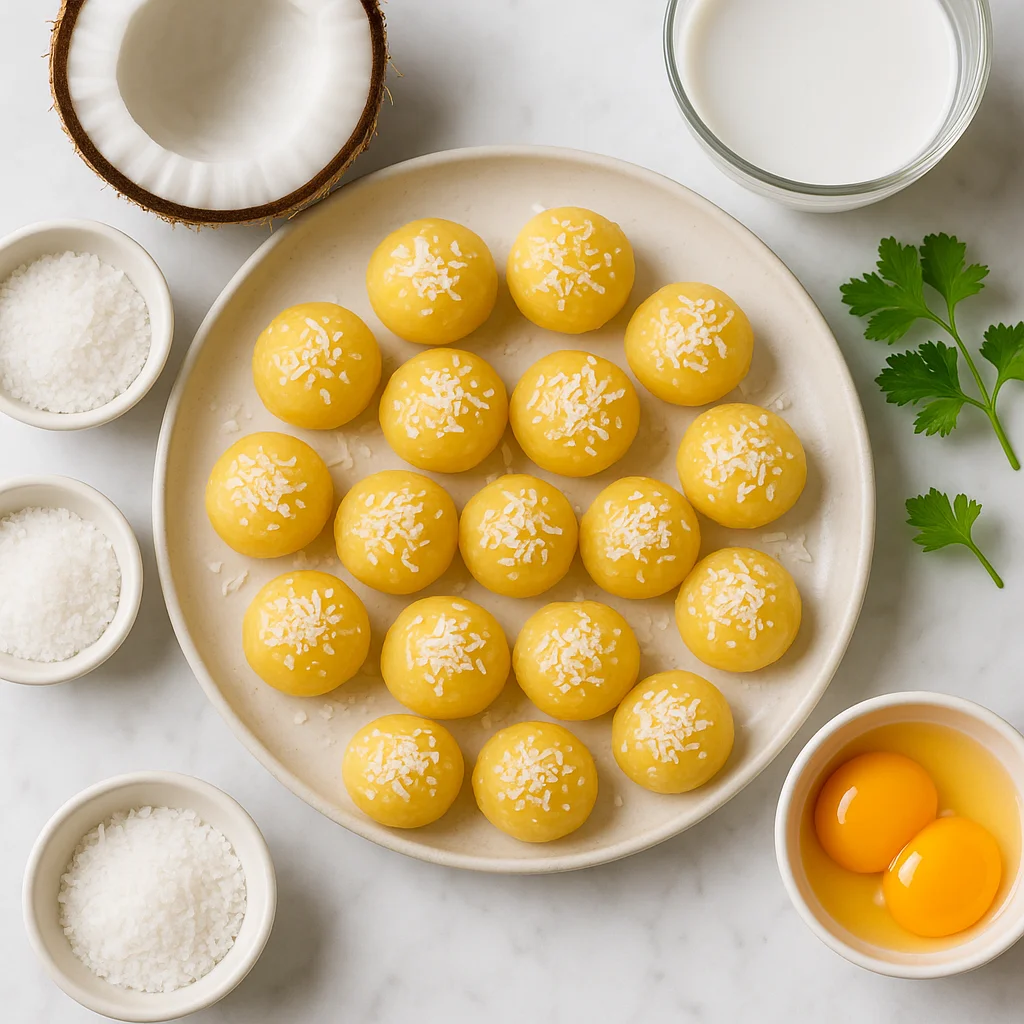
Low Sugar Filipino Yema Recipe: Creamy Egg Yolk Candy with Coconut Milk
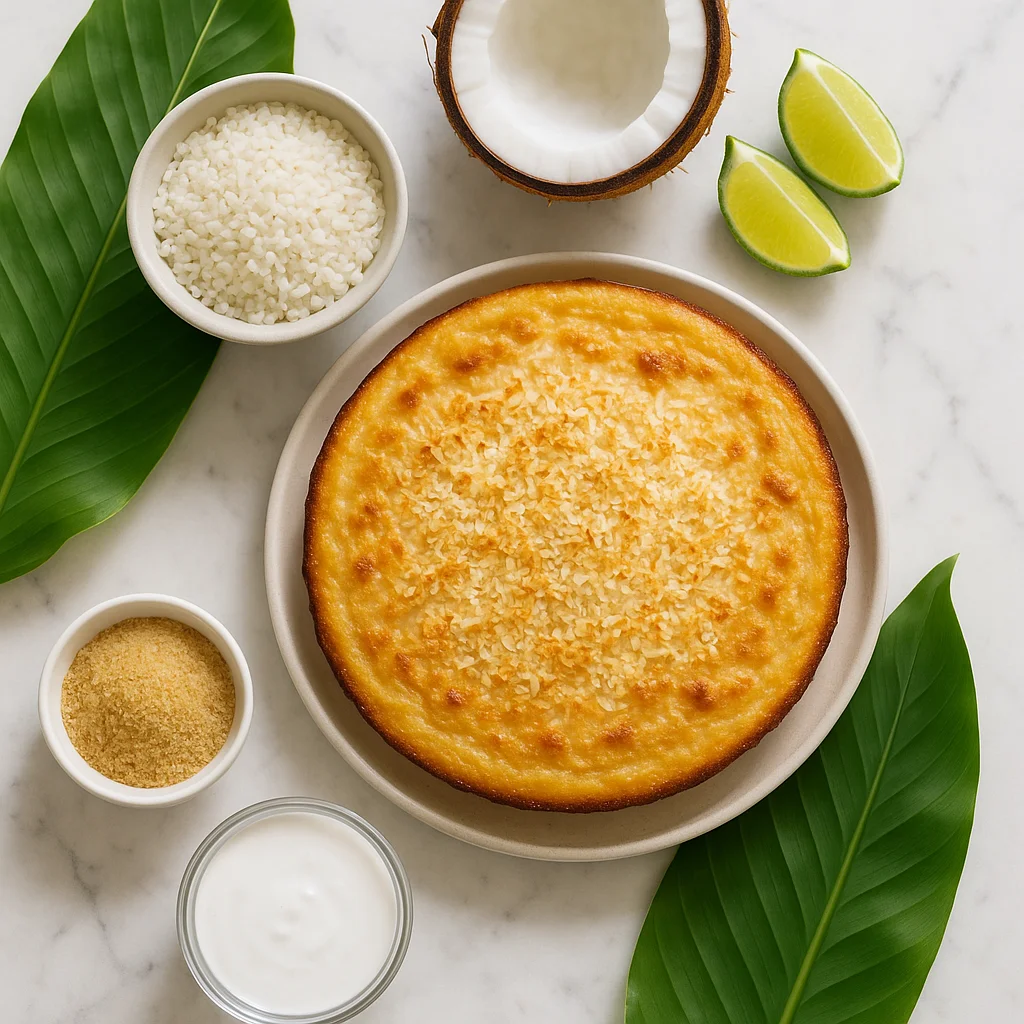
Healthy Bibingka Recipe: Baked Rice Cake with Coconut and Less Sugar
Baked Banana Lumpia Turon Recipe No Fry (Crispy and Guilt-Free)