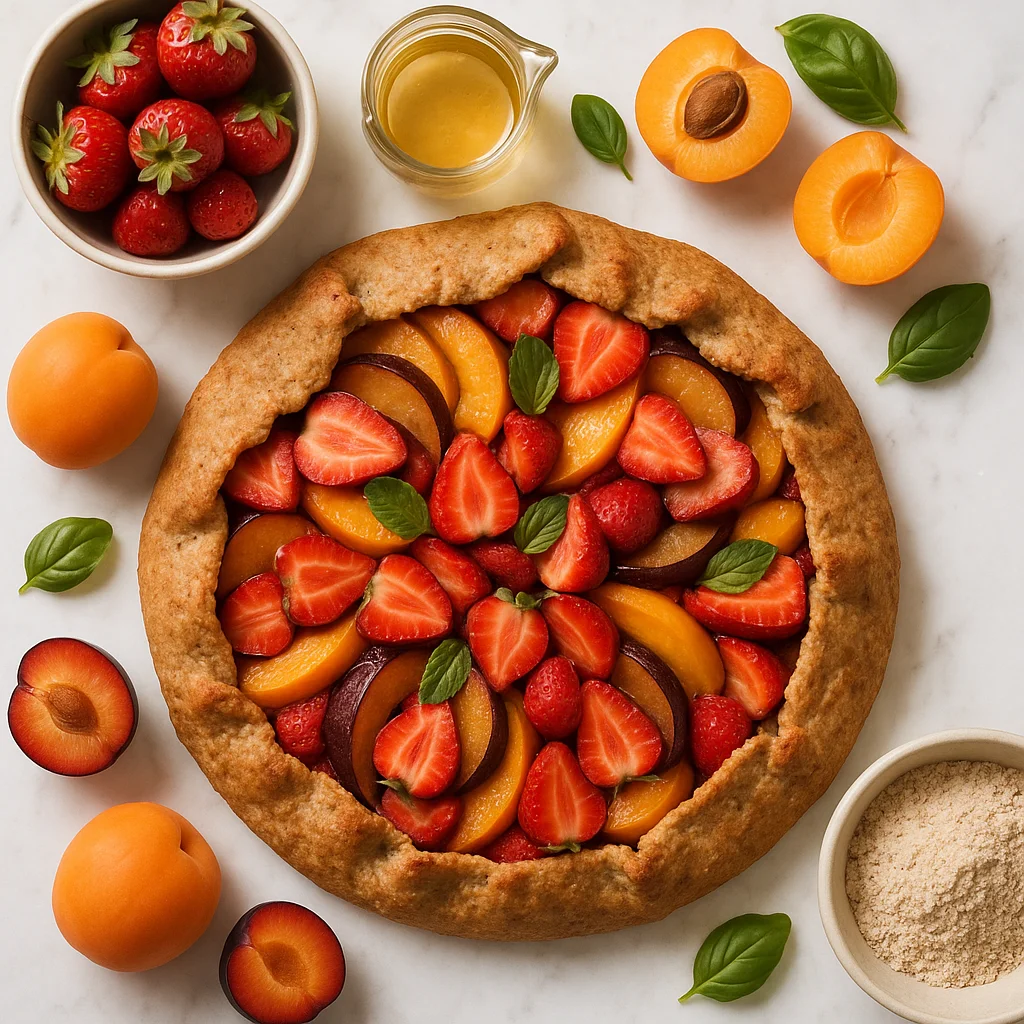
A galette is a tart that has given up on perfection, and that is precisely its appeal. Where a tart demands a fluted tin, blind baking and neatly pressed sides, a galette is assembled directly on a baking sheet, the edges folded up casually over the fruit filling, and baked until golden and imperfect and completely delicious. Rustic is not a polite word for careless. It is a description of intention. The galette looks the way it does because that is how it is supposed to look, and it tastes better for it. This version uses a whole wheat spelt crust, which adds a nuttiness and gentle sweetness that plain pastry cannot match, and whatever seasonal fruit you have available.
Why this recipe works
Spelt flour has a natural sweetness and a slightly elastic dough that is easier to work with than standard whole wheat flour, which can be stiff and prone to cracking when cold. A combination of butter and a small amount of cream cheese in the dough creates a flakier, more tender pastry without adding much extra fat. The fruit filling needs almost nothing: just good ripe fruit, a small amount of coconut sugar, a squeeze of lemon and sometimes a teaspoon of cornflour to thicken the juices. The simplicity is the point.
Getting it right
Roll the dough on a piece of baking parchment rather than a floured board. You can slide the whole thing directly onto the baking sheet without having to transfer the delicate rolled pastry, which is the step where most galettes tear.
Leave a border of at least five centimetres of pastry beyond the fruit filling before folding the edges up. Too small a border means the edges will not fold up high enough to contain the fruit juices.
Common mistakes
Using fruit that is too wet, like frozen fruit that has not been thoroughly drained, produces a soggy galette that does not brown properly on the base. Fresh fruit or well-drained frozen fruit works best.
Baking at too low a temperature means the pastry steams rather than crisps. A galette needs a properly hot oven, at least 200 degrees Celsius, to achieve the colour and texture it should have.
Substitutions
Almost any fruit works. Stone fruits like peaches, plums and apricots are classic summer options. Apple and pear work well in autumn. Berries need a little extra cornflour to contain their juices. Frangipane, a thin layer of almond cream spread under the fruit, adds richness and prevents the pastry base from going soggy.
Serving suggestion
Serve warm from the oven with a scoop of vanilla yogurt or a small pour of cold cream. The galette is best eaten on the day of baking, when the pastry is at its crispest.
Ingredients
- 150 g whole spelt flour (plus extra for dusting)
- 40 g oat flour (certified gluten-free oat flour if needed)
- 1 tsp fine sea salt
- 75 g cold unsalted butter (cut into small cubes, kept in the freezer for 10 minutes before use)
- 3 tbsp plain full-fat Greek yogurt (cold)
- 2 tbsp pure maple syrup (for the dough)
- 1 tbsp ice cold water (add gradually)
- 450 g ripe stone fruit or berries (peaches, nectarines, plums, blueberries or a mix, sliced or whole)
- 1 tbsp pure maple syrup (for the fruit filling)
- 1 tbsp arrowroot powder (or tapioca starch)
- 1 tsp vanilla extract
- 1 tsp ground cinnamon (optional but recommended)
- 1 tbsp rolled oats (for sprinkling on the base before fruit, helps absorb juices)
- 1 small egg (beaten, for the crust wash)
- 1 tsp pure maple syrup (mixed with the egg wash for a golden finish)
Instructions
- 1
Make the dough by combining the whole spelt flour, oat flour and sea salt in a large mixing bowl. Add the cold cubed butter and use your fingertips to quickly rub it into the flour until the mixture resembles coarse breadcrumbs with a few pea-sized lumps of butter still visible. Those lumps are exactly what you want for a flaky crust.
Work quickly to keep the butter cold. If your kitchen is warm, put the bowl in the freezer for 5 minutes halfway through rubbing in the butter.
- 2
Add the Greek yogurt and two tablespoons of maple syrup to the bowl. Stir with a fork until the dough starts to come together. Add ice cold water one tablespoon at a time, mixing gently, until the dough just holds together when you press a small amount between your fingers. Do not overwork it.
The dough should look a little shaggy at this point. That is completely normal and correct.
- 3
Turn the dough out onto a lightly floured surface and gently bring it together into a flat disc. Wrap it tightly in beeswax wrap or reusable cling film and refrigerate for at least 30 minutes, or up to 24 hours.
Chilling the dough firms up the butter again, which is what gives you those lovely flaky layers when it bakes.
- 4
While the dough chills, prepare your fruit filling. Combine your chosen fruit in a bowl with one tablespoon of maple syrup, the arrowroot powder, vanilla extract and cinnamon if using. Toss everything gently to coat the fruit evenly. Set aside at room temperature.
If your fruit is very ripe and juicy, add an extra half teaspoon of arrowroot to help thicken the filling.
- 5
Preheat your oven to 200 degrees Celsius (180 degrees fan). Line a large baking tray with baking parchment.
- 6
Remove the dough from the fridge. On a lightly floured surface, roll it out into a rough circle approximately 30 to 32 centimetres across. It does not need to be perfectly round. Transfer the rolled dough carefully to the lined baking tray.
Roll the dough onto your rolling pin to help transfer it without tearing.
- 7
Scatter the rolled oats over the centre of the dough, leaving a border of about 6 centimetres around the edge. This thin layer of oats acts as a barrier and soaks up fruit juices, preventing a soggy base. Arrange the prepared fruit on top of the oats.
- 8
Fold the edges of the dough up and over the outer ring of fruit, pleating as you go. Press each fold gently to help it hold its shape. The centre of the galette stays open and the fruit should be clearly visible.
Do not stress about making the pleats look uniform. The more rustic it looks, the more authentic it is.
- 9
Whisk together the beaten egg and the remaining teaspoon of maple syrup. Brush this mixture over the folded pastry edges using a pastry brush. This gives the crust a beautiful golden colour as it bakes.
- 10
Bake the galette in the preheated oven for 32 to 36 minutes, until the crust is deep golden and the fruit filling is bubbling and slightly caramelised at the edges. Remove from the oven and allow to cool on the tray for at least 15 minutes before slicing.
The filling will continue to set as the galette cools, so resist cutting it too early.
Nutrition per serving
212kcal
Calories
5g
Protein
28g
Carbs
9g
Fat
4g
Fibre
9g
Sugar
105mg
Sodium
Pro Tips
- ✓
Keep every ingredient as cold as possible when making the dough. Cold butter is the single biggest factor in achieving a flaky crust.
- ✓
Choose fruit that is ripe but still holds its shape. Overripe fruit releases too much liquid and can make the base soggy even with the oat layer.
- ✓
Rolling the dough between two sheets of baking parchment eliminates the need for extra flour and prevents sticking.
- ✓
If the crust edges start to brown too quickly before the fruit has cooked through, loosely tent a piece of foil over the galette for the last 10 minutes.
- ✓
For a more intense flavour, add a teaspoon of lemon zest or orange zest to the fruit filling before assembling.
- ✓
This galette is best eaten on the day it is baked, but it is still very good the next day at room temperature.
Frequently Asked Questions
Variations
- •
Autumn Apple and Pear Galette
Swap the stone fruit for 2 medium apples and 1 ripe pear, peeled, cored and thinly sliced. Add a quarter teaspoon each of ground cinnamon, cardamom and ginger to the filling. A tablespoon of chopped walnuts scattered over the fruit before folding adds crunch and healthy fats.
- •
Mixed Berry and Lemon Galette
Use 450g of mixed blueberries, raspberries and blackberries. Add the zest of one lemon and a teaspoon of lemon juice to the filling along with the maple syrup. The bright, tart flavour of the berries contrasts wonderfully with the nutty spelt crust.
- •
Dairy-Free Coconut Galette
Replace the cold butter with an equal weight of refined coconut oil, chilled solid in the freezer. Swap the Greek yogurt for thick coconut yogurt. The crust has a subtle coconut note that pairs particularly well with mango, pineapple or tropical fruit fillings.
- •
Spiced Plum and Almond Galette
Use ripe plums as the fruit base and scatter one tablespoon of ground almonds over the oat layer before arranging the fruit. Add a pinch of star anise or five spice to the filling for a warming, slightly exotic flavour profile.
Substitutions
- •Whole spelt flour → Whole wheat pastry flour (Use the same quantity. Whole wheat pastry flour is slightly finer than regular whole wheat flour and gives a more tender result.)
- •Oat flour → Almond flour (Use the same quantity. Almond flour adds healthy fats and a slightly richer flavour. Note this will change the texture slightly and is not nut-free.)
- •Unsalted butter → Refined coconut oil, chilled solid (Makes the recipe dairy-free. Use the same weight and keep it very cold. The texture will be slightly more crumbly.)
- •Greek yogurt → Thick plant-based coconut yogurt (Makes the recipe dairy-free. Choose an unsweetened variety for the best result.)
- •Maple syrup → Raw honey (Use the same quantities. Raw honey adds a floral note that works especially well with peaches and apricots.)
- •Arrowroot powder → Tapioca starch or cornflour (Use the same quantity. All three work as thickeners for the fruit filling.)
- •Egg wash → Plant-based milk brushed onto the crust (Oat milk or almond milk works well for a vegan egg wash. The crust will be slightly less golden but still attractive.)
🧊 Storage
Store leftover galette at room temperature, loosely covered, for up to 1 day. For longer storage, refrigerate in an airtight container for up to 3 days. Reheat slices in the oven at 170 degrees Celsius for 8 to 10 minutes to restore the crispness of the crust. Avoid microwaving as this softens the pastry.
📅 Make Ahead
The pastry dough can be made up to 48 hours ahead and kept refrigerated, or frozen for up to 1 month. The fruit filling can be prepared and stored in the fridge for up to 12 hours before assembling. Assemble and bake the galette close to serving time for the best texture.
More French Desserts Recipes

Healthy Palmiers Recipe: Puff Pastry French Cookies with Coconut Sugar and Cinnamon
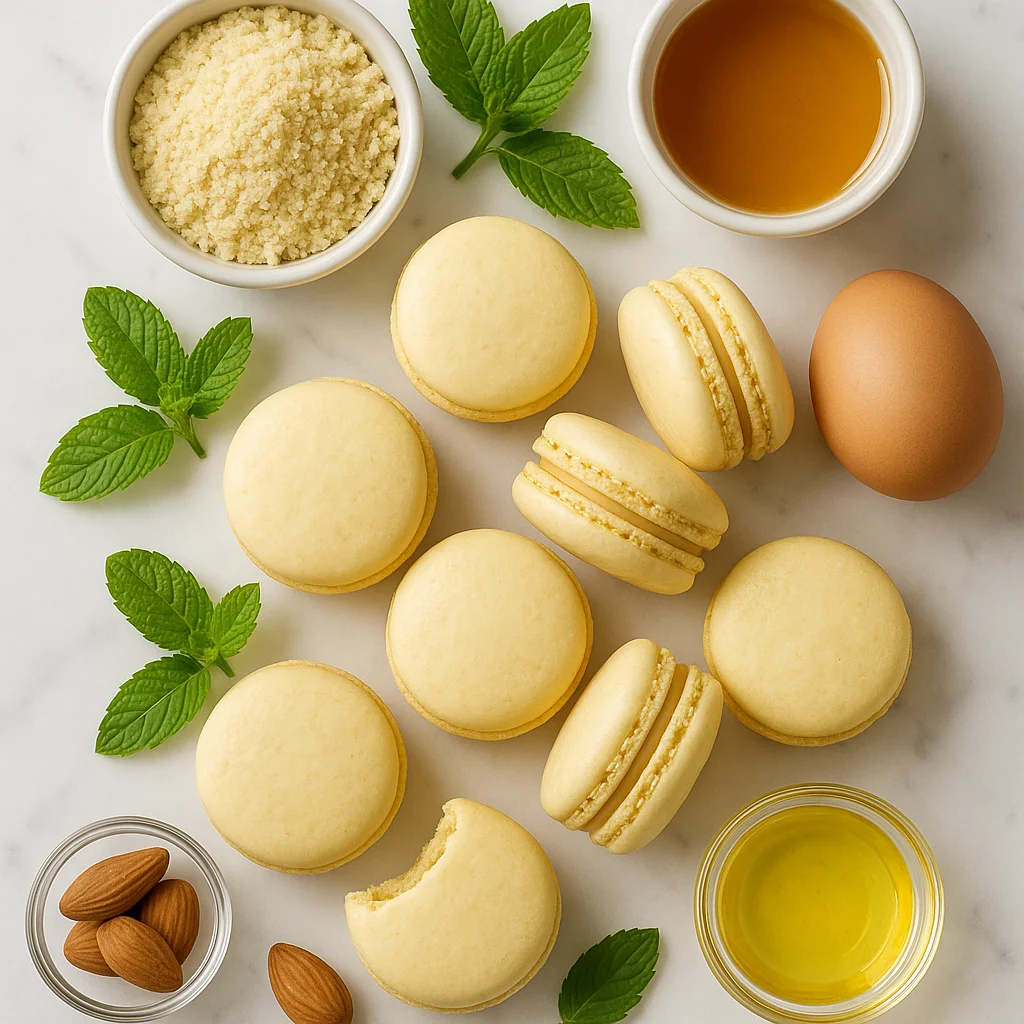
Easy Homemade French Macarons Recipe (Lighter and Naturally Sweetened)
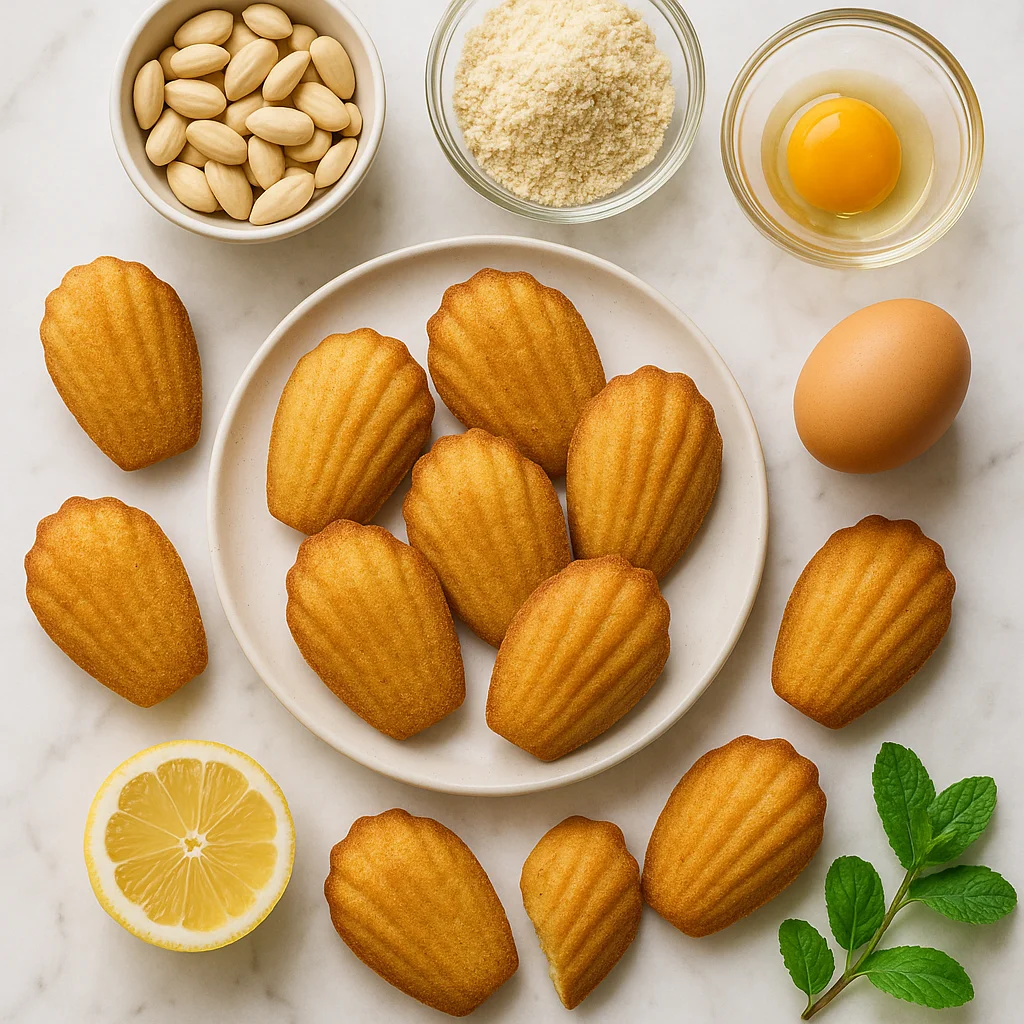
Healthy French Madeleine Cookies Recipe Classic Style with Almond Flour