Healthy Palmiers Recipe: Puff Pastry French Cookies with Coconut Sugar and Cinnamon

If you have ever wanted to make those gorgeous butterfly-shaped French cookies you see stacked in bakery windows, this is your moment. This healthy palmiers recipe takes the classic puff pastry French cookies you love and gives them a genuine nutritional upgrade, without sacrificing the satisfying crunch and caramelised sweetness that makes palmiers so irresistible. The swap is simple but meaningful: coconut sugar replaces refined white sugar, cinnamon adds a warming depth that also helps with blood sugar balance, and a light brush of extra virgin olive oil stands in for the usual heavy butter coating. The result is a batch of golden, flaky, deeply flavoured palmiers that clock in at significantly fewer calories than the traditional version, with a lower glycaemic impact too. These are for anyone who loves real French pastry but wants to treat their body a little more kindly while doing it.
The star ingredient here is an all-butter puff pastry sheet, and it genuinely matters which one you choose. Look for a sheet made with real butter rather than vegetable shortening or palm oil, because the butter contributes both flavour and those beautiful airy layers. Real butter puff pastry also tends to have a cleaner ingredients list. Coconut sugar is the other key player. It has a lower glycaemic index than white sugar, around 35 compared to 65, and it carries a natural toffee-like flavour that pairs brilliantly with cinnamon. One full teaspoon of ground cinnamon brings warmth, antioxidants, and a fragrance that fills your kitchen as these bake. A tiny pinch of fine sea salt on top before baking is optional but highly recommended, because it sharpens all the sweet notes and gives each bite a more complex finish. The olive oil brushed onto the pastry helps the sugar adhere and caramelise evenly, while contributing heart-healthy monounsaturated fats instead of additional saturated fat.
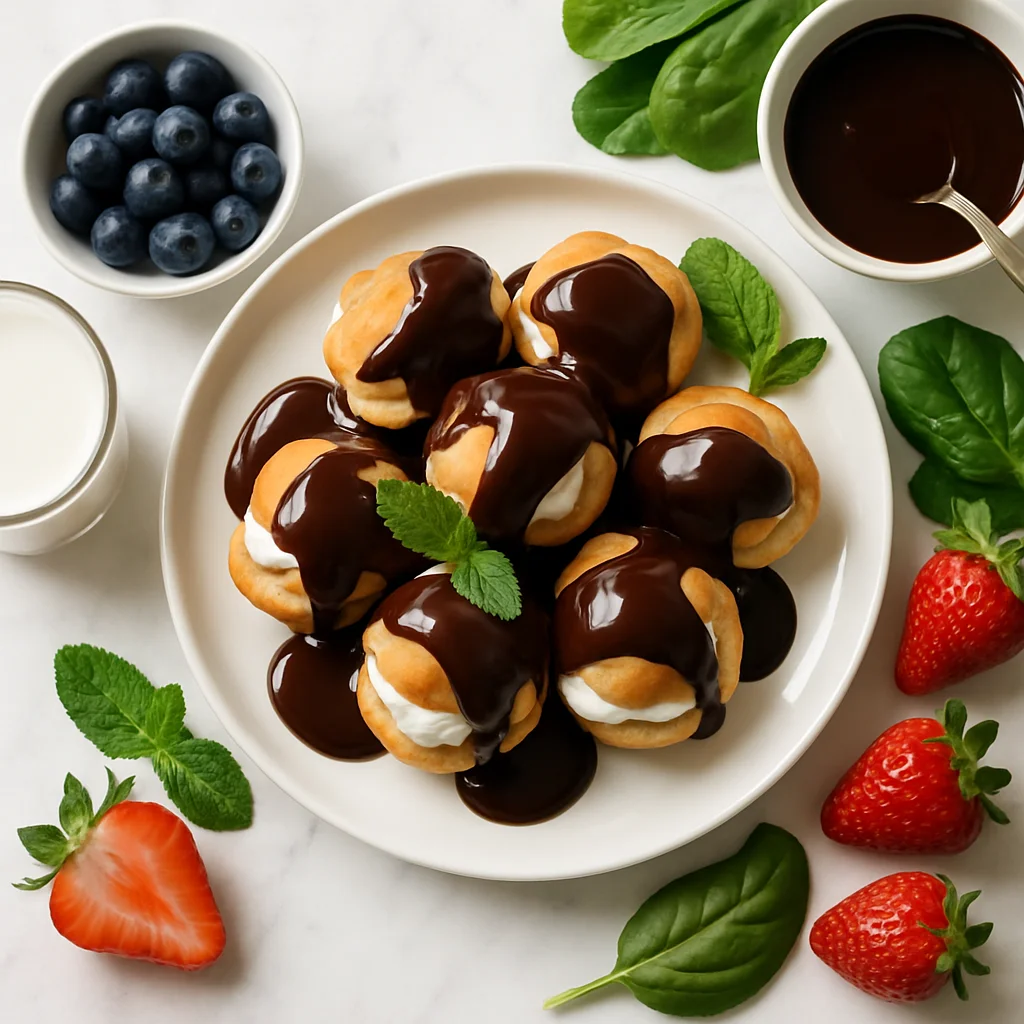
The texture of these palmiers is everything you want from a proper French cookie: shatteringly crisp on the outside, with soft, slightly chewy layers just underneath the caramelised crust. The coconut sugar creates a slightly darker caramel than white sugar would, giving each cookie a rich amber colour and a depth of flavour that actually tastes more interesting than the plain version. Fresh from the oven, they are best eaten within a few hours when the crispness is at its peak. They make a lovely afternoon treat alongside a strong coffee or a spiced chai latte. For a dinner party, arrange them on a long wooden board with some fresh berries and a small bowl of dark chocolate for dipping, and they look far more effortful than the 30 minutes of actual work involved. They also work beautifully as a lunchbox treat for older children, because they feel special without the sugar spike of a conventional biscuit.
From a dietary perspective, these palmiers deliver genuine benefits compared to the classic recipe. By using coconut sugar, you reduce the overall glycaemic load of each cookie. Cinnamon has been studied for its potential role in improving insulin sensitivity, so including a full teaspoon rather than just a dusting is a deliberate choice. Each cookie contains roughly 85 calories, compared to the 110 to 130 calories found in traditional bakery palmiers. The fibre content is modest but real, coming from the coconut sugar and the whole grain option discussed in the variations section. These cookies are naturally egg-free and can be made dairy-free by choosing a plant-based puff pastry, which makes them a surprisingly inclusive treat for mixed groups. They are not a health food in the strictest sense, but they are a genuinely smarter version of a beloved classic, made with ingredients that do more for your body than the original ever could.
Ingredients
- 1 sheet all-butter puff pastry (approximately 320g, thawed if frozen, kept cold until use)
- 60 g coconut sugar (sifted to remove any lumps)
- 1 tsp ground cinnamon (Ceylon cinnamon preferred for milder, sweeter flavour)
- 1 tbsp extra virgin olive oil (or melted coconut oil as an alternative)
- 1 pinch fine sea salt (for finishing, optional but recommended)
Instructions
- 1
Remove the puff pastry from the fridge about 5 minutes before you begin so it is pliable but still cold. Lay it flat on a lightly floured surface or on its own baking paper. In a small bowl, mix together the coconut sugar and ground cinnamon until evenly combined.
Keeping the pastry cold is the key to defined, clean layers. If it starts to feel warm and sticky at any point, slide it onto a baking tray and refrigerate for 10 minutes before continuing.
- 2
Brush the entire surface of the pastry sheet lightly and evenly with the extra virgin olive oil. Scatter the coconut sugar and cinnamon mixture over the surface, spreading it right to the edges. Press the sugar down gently with your palm so it adheres to the pastry.
Do not overload the pastry with oil. A thin, even layer is all you need. Too much oil can make the palmiers soggy rather than crisp.
- 3
Fold both long edges of the pastry inward so they each meet at the centre line, pressing lightly. Then fold once more so the two folded edges meet in the middle. Finally, fold one half directly on top of the other, as if closing a book. You should have a long, compact log.
This is the classic double scroll fold. Work confidently and quickly. The more you handle the pastry, the warmer it gets.
- 4
Wrap the log tightly in baking paper or cling film and place it in the freezer for 20 minutes. This firms up the pastry so you can slice it cleanly without the layers squashing.
Do not skip this chilling step. Slicing a warm log will result in flat, misshapen cookies rather than the beautiful heart shape palmiers are known for.
- 5
Preheat your oven to 200 degrees Celsius, or 180 degrees fan, or gas mark 6. Line two baking trays with baking paper. Remove the log from the freezer and use a sharp knife to slice it into rounds approximately 1 cm thick. Arrange the slices cut side up on the prepared trays, leaving about 5 cm of space between each one as they will spread.
A sharp serrated knife works really well here for clean cuts without dragging the layers.
- 6
Sprinkle a tiny pinch of fine sea salt over each cookie if using. Bake for 13 to 16 minutes, flipping each palmier carefully with tongs or a spatula halfway through at the 7 or 8 minute mark. They are ready when they are a deep golden amber colour on both sides and the coconut sugar has caramelised.
Watch them closely in the final 3 minutes. Coconut sugar caramelises at a slightly lower temperature than white sugar and can go from golden to too dark quickly.
- 7
Remove the palmiers from the oven and transfer them to a wire cooling rack immediately. They will firm up and become properly crisp as they cool over the next 10 to 15 minutes. Serve once fully cooled for the best texture.
Resist the urge to taste them straight from the oven. The caramelised sugar will be extremely hot and the texture improves significantly once cooled.
Nutrition per serving
85kcal
Calories
1.2g
Protein
9.4g
Carbs
4.8g
Fat
0.4g
Fibre
3.2g
Sugar
62mg
Sodium
Pro Tips
- ✓
Always start with cold puff pastry. Warm pastry means melted butter within the layers, which destroys the flakiness you are working toward.
- ✓
Coconut sugar can vary in moisture content between brands. If yours feels damp or clumpy, spread it on a plate for 10 minutes to dry slightly before using.
- ✓
Flip every palmier at the halfway point. This is non-negotiable for even caramelisation on both sides.
- ✓
Use baking paper rather than a greased tray. The caramelised sugar will stick to a bare tray and make the cookies very difficult to remove.
- ✓
For a slightly sturdier cookie that holds its shape even better, chill the sliced cookies on the tray for 10 minutes in the fridge before baking.
- ✓
Batch bake if possible. These freeze beautifully unbaked, so you can slice the log, freeze the rounds on a tray, then transfer to a bag and bake from frozen, adding 3 extra minutes to the baking time.
Frequently Asked Questions
Variations
- •
Spiced Orange Palmiers
Add half a teaspoon of finely grated orange zest and a quarter teaspoon of ground cardamom to the coconut sugar and cinnamon mixture. The citrus cuts through the richness of the pastry and gives each bite a bright, festive quality.
- •
Dark Chocolate Drizzle Palmiers
Once the palmiers have cooled completely, drizzle with melted 85 percent dark chocolate using a spoon or piping bag. Dark chocolate at this percentage adds antioxidants and keeps the added sugar minimal. Allow to set at room temperature before serving.
- •
Sesame and Honey Palmiers
Replace the olive oil brush with a very thin layer of raw honey and scatter white sesame seeds over the coconut sugar before rolling. The sesame adds a gentle nuttiness, extra fibre and a pleasant toasty crunch once baked.
- •
Spelt Puff Pastry Palmiers
If you can find spelt puff pastry or a wholegrain puff pastry, use it here for a meaningful fibre boost. The nutty, slightly earthy flavour of spelt pairs exceptionally well with cinnamon and coconut sugar.
Substitutions
- •coconut sugar → raw cane sugar or muscovado sugar (Raw cane sugar has a similar coarse texture and works well in this recipe. Muscovado adds a deeper molasses flavour. Both have a slightly higher glycaemic index than coconut sugar but are still less refined than white sugar.)
- •extra virgin olive oil → melted coconut oil (Coconut oil adds a very subtle tropical note that works well with cinnamon. Use refined coconut oil if you want a neutral flavour. Apply the same thin, even layer as you would with olive oil.)
- •all-butter puff pastry → vegan puff pastry (Plant-based puff pastry made with vegetable fats makes this recipe fully dairy-free. The layers may be slightly less pronounced but the cookies will still bake up crisp and delicious.)
- •ground cinnamon → mixed spice or pumpkin pie spice (A quarter teaspoon of mixed spice or pumpkin pie spice in place of cinnamon adds clove, nutmeg and allspice notes for an autumnal, warming version of this recipe.)
🧊 Storage
Store cooled palmiers in an airtight container at room temperature for up to 3 days. Avoid refrigerating them as moisture will soften the caramelised sugar and make them lose their crispness. To refresh them, place on a baking tray in a 180 degree oven for 4 to 5 minutes, then cool on a rack again before eating.
📅 Make Ahead
The unbaked pastry log can be wrapped tightly and stored in the freezer for up to 6 weeks. When ready to bake, slice from frozen and bake at 200 degrees Celsius for 16 to 19 minutes, flipping halfway through. You can also slice the log and freeze the individual rounds on a lined tray, then transfer to a freezer bag once solid.
More French Desserts Recipes
Easy Homemade French Macarons Recipe (Lighter and Naturally Sweetened)
Healthy French Madeleine Cookies Recipe Classic Style with Almond Flour
Shortcut Croissant Recipe Homemade Easy: Whole Wheat Flaky Crescents