Soft Filipino Ensaymada Recipe: Healthier Brioche Bread Rolls
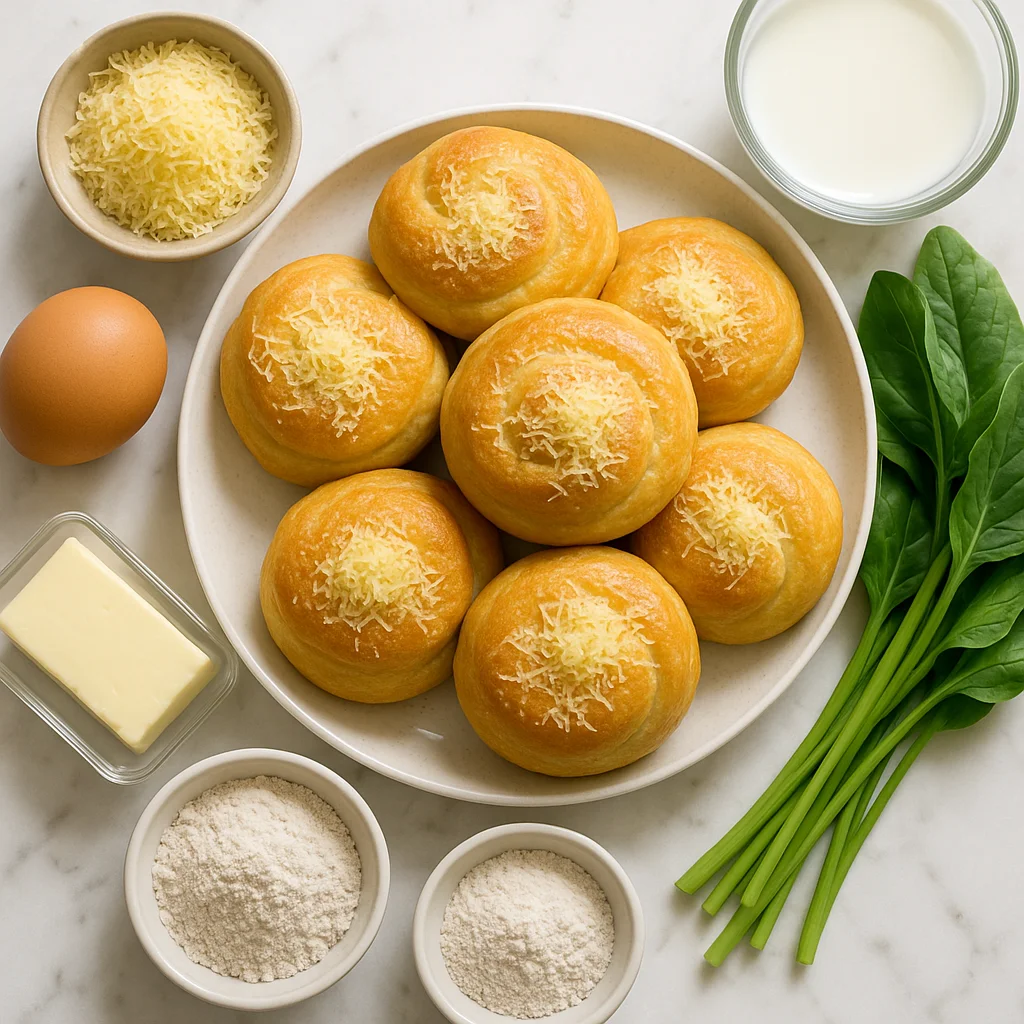
Sunday morning in a Filipino household often means ensaymada. These soft, coiled brioche rolls, topped with butter, sugar and grated cheese, are one of the great comfort foods of Philippine cuisine, present at family gatherings, fiestas and Sunday breakfasts in equal measure. The combination of a slightly sweet, enriched dough with salty grated cheese on top sounds unconventional if you are not familiar with it. In practice, the contrast is one of the most compelling things about ensaymada and is worth experiencing even if the sweet-savoury combination is unfamiliar territory. This healthier version uses a lighter hand with the butter in the dough, substitutes some of the sugar and uses a sharper, lower-fat cheese for the topping.
Why this recipe works
The enriched dough, made with eggs, milk and a moderate amount of butter, produces the characteristic soft, pull-apart crumb that distinguishes brioche from ordinary bread. A proper prove time, at least two hours for the first prove and forty-five minutes after shaping, develops flavour and lightness. The butter spread on top before the cheese and sugar goes on melts into the surface during the second brief baking and contributes the rich, glossy finish. Reducing the butter in the dough slightly compared to a traditional recipe produces a result that is slightly less rich but still unmistakably ensaymada.
Getting it right
Knead the dough until it is smooth, elastic and passes the windowpane test: stretch a small piece between your fingers and it should be thin enough to see light through without tearing. Insufficiently kneaded dough produces a dense, bread-like roll rather than a pillowy, light one.
Shape the rolls by rolling each portion of dough into a long rope and then coiling it into a tight spiral. The coiling is what creates the characteristic layered texture when the roll is pulled apart.
Common mistakes
Rushing the prove produces rolls that are dense and yeasty-tasting. The flavour of a good ensaymada develops during the prove, not during baking. Be patient.
Topping with too much cheese overwhelms the delicate sweetness of the dough. A light, even scattering is the right approach.
Substitutions
Vegan butter and oat milk can replace dairy throughout for a plant-based version, though the texture will be slightly less rich. Parmesan or pecorino can replace the traditional kesong puti or cheddar if Filipino cheese is unavailable.
Serving suggestion
Serve warm, freshly baked, with a cup of hot tsokolate or a strong brewed coffee. Ensaymada reheat beautifully wrapped in foil in a low oven for five minutes. Best eaten on the day of baking.
Ingredients
- 2 tsp active dry yeast (one standard 7g sachet)
- 1 tsp coconut sugar (to activate the yeast)
- 120 ml warm low-fat milk (around 38-40 degrees C, not hot)
- 250 g bread flour (plus extra for dusting)
- 100 g whole wheat flour (adds fibre and a subtle nuttiness)
- 60 g coconut sugar (for the dough)
- 1 tsp fine sea salt
- 2 large eggs (room temperature)
- 2 large egg yolks (room temperature, adds richness)
- 60 g full-fat Greek yogurt (room temperature)
- 60 g unsalted butter (softened, good quality)
- 2 tbsp raw honey (for the topping glaze)
- 1 tbsp softened unsalted butter (for brushing tops before baking)
- 60 g reduced-fat sharp cheddar (finely grated, for topping)
Instructions
- 1
Combine the warm milk, one teaspoon of coconut sugar, and the yeast in a small bowl. Stir gently and leave for 8 to 10 minutes until the surface looks foamy and active. If it does not foam, your yeast may be old. Start fresh with a new sachet.
The milk temperature is important. Too hot kills the yeast, too cool and it will not activate. Aim for the temperature of a warm bath.
- 2
In the bowl of a stand mixer fitted with the dough hook, combine the bread flour, whole wheat flour, 60g of coconut sugar, and salt. Whisk briefly to distribute the ingredients evenly.
- 3
Add the eggs, egg yolks, and Greek yogurt to the flour mixture. Pour in the activated yeast mixture. Mix on low speed for 2 minutes until a shaggy dough forms, then increase to medium speed and knead for 6 minutes.
Scrape down the sides of the bowl halfway through. The dough will look rough at first but will smooth out as you knead.
- 4
With the mixer still running on medium speed, add the 60g of softened butter one small piece at a time, waiting for each piece to be fully incorporated before adding the next. This process takes around 5 to 6 minutes. Once all the butter is in, knead for a further 4 minutes until the dough is smooth, slightly tacky, and pulls cleanly away from the sides of the bowl.
Do not rush the butter addition. Adding it too fast prevents proper gluten development and can make the dough greasy.
- 5
Shape the dough into a ball and place it in a lightly greased bowl. Cover tightly with plastic wrap or a damp tea towel. Leave to rise at room temperature for 1.5 to 2 hours until doubled in size, or refrigerate overnight for a slower, more flavourful rise.
A slow overnight rise in the fridge develops a more complex flavour and makes the dough easier to handle the next day.
- 6
Once risen, punch the dough down gently. Turn it out onto a lightly floured surface and divide it into 12 equal portions, each weighing roughly 65 to 70 grams. Roll each portion into a smooth ball by cupping your hand over it and using a circular motion against the work surface.
If the dough feels sticky, use the lightest dusting of flour on your hands rather than the surface. Too much extra flour toughens the bread.
- 7
Place the dough balls onto two baking trays lined with parchment paper, spacing them about 5cm apart. Cover loosely with lightly greased plastic wrap and leave to proof for 45 to 60 minutes until noticeably puffed and soft to a gentle touch.
- 8
Preheat your oven to 175 degrees C (fan 160 degrees C). Brush the tops of each roll lightly with the tablespoon of softened butter. Bake for 16 to 18 minutes until the tops are a pale golden colour. Ensaymada should not be deeply brown, it stays quite fair.
Check them at 15 minutes. Every oven runs differently, and overbaking dries out the delicate crumb quickly.
- 9
Remove from the oven and allow to cool for just 5 minutes. While still warm, brush each roll with raw honey, then immediately sprinkle the finely grated reduced-fat cheddar over the top so it clings to the honey glaze. Serve warm.
The honey needs to go on while the rolls are warm so the cheese sticks properly. If the rolls cool down fully before topping, warm them briefly in the oven for 2 minutes first.
Nutrition per serving
195kcal
Calories
7g
Protein
28g
Carbs
6g
Fat
3g
Fibre
9g
Sugar
185mg
Sodium
Pro Tips
- ✓
Room temperature eggs and yogurt are essential. Cold dairy and eggs can shock the yeast and tighten the dough, resulting in a denser crumb.
- ✓
Do not skip the second proof. Under-proofed dough bakes up dense and slightly rubbery rather than light and airy.
- ✓
Whole wheat flour absorbs liquid differently to white flour. If your dough feels very stiff after mixing, add warm milk one tablespoon at a time until it comes together smoothly.
- ✓
Finely grating the cheese rather than using pre-shredded gives far better melt and coverage across the top of each roll.
- ✓
For the lightest texture, weigh your ingredients rather than using cups. Flour especially packs down in measuring cups and can throw off the balance of the dough.
- ✓
If you do not have a stand mixer, this dough can be made by hand. It will require around 12 to 15 minutes of vigorous kneading, but the result is just as good.
Frequently Asked Questions
Variations
- •
Ube Ensaymada
Stir 2 tablespoons of ube halaya (purple yam jam) into the dough along with the eggs. The dough will take on a beautiful lavender hue and a subtly sweet, earthy flavour that pairs wonderfully with the honey and cheese topping.
- •
Matcha Ensaymada
Add 1.5 teaspoons of high-grade matcha powder to the flour mixture. The slight bitterness of matcha balances the honey topping beautifully and adds antioxidant benefits. Top with a small amount of white sesame seeds alongside the cheese.
- •
Cinnamon Raisin Ensaymada
Mix 1 teaspoon of cinnamon into the dry flour ingredients and fold in 80g of plump raisins after the butter incorporation stage. Brush the tops with honey as usual and skip the cheese for a purely sweet version that is wonderful with morning coffee.
Substitutions
- •Bread flour → All-purpose flour (All-purpose flour can replace bread flour in the same quantity. The rolls will be slightly less chewy and a little more tender, which some people actually prefer. Avoid replacing the whole wheat flour portion with all-purpose as this reduces the fibre benefit.)
- •Greek yogurt → Low-fat sour cream (Sour cream provides a similar fat content and tang. Use the same quantity as a direct one-for-one swap. The texture of the finished rolls will be very similar.)
- •Coconut sugar → Light brown sugar (Light brown sugar works as a straightforward replacement at the same quantity. It does not have the same lower glycaemic index benefit as coconut sugar but produces an equally delicious dough with a mild molasses note.)
- •Raw honey → Pure maple syrup (Maple syrup drizzled over the warm rolls instead of honey gives a slightly different but equally delicious flavour. Use the same quantity. It also makes the topping slightly thinner so it soaks in a little more.)
- •Reduced-fat sharp cheddar → Edam or Gouda (A block of Edam or Gouda, finely grated, is actually closer to the traditional Filipino ensaymada topping. Use the same amount. Edam has a mild, slightly salty profile that works very well with the honey glaze.)
🧊 Storage
Store cooled ensaymada rolls in an airtight container at room temperature for up to 2 days. For longer storage, keep them in the fridge for up to 4 days and warm briefly in the microwave for 20 seconds or in the oven at 160 degrees C for 5 minutes before serving. The rolls are best eaten fresh or within the first day for peak softness.
📅 Make Ahead
The dough can be prepared through the first rise, then covered and refrigerated overnight for up to 24 hours. This makes the recipe very manageable for morning baking. Simply remove the dough from the fridge, allow it to rest at room temperature for 30 minutes, then divide, shape, and proceed with the second proof and baking as normal.
More Filipino Desserts Recipes
Low Sugar Filipino Yema Recipe: Creamy Egg Yolk Candy with Coconut Milk
Baked Banana Lumpia Turon Recipe No Fry (Crispy and Guilt-Free)
Low Sugar Biko Recipe: Filipino Sticky Rice Cake with Coconut Caramel