Silky Sugar Free Chocolate Mousse with Avocado and Cacao
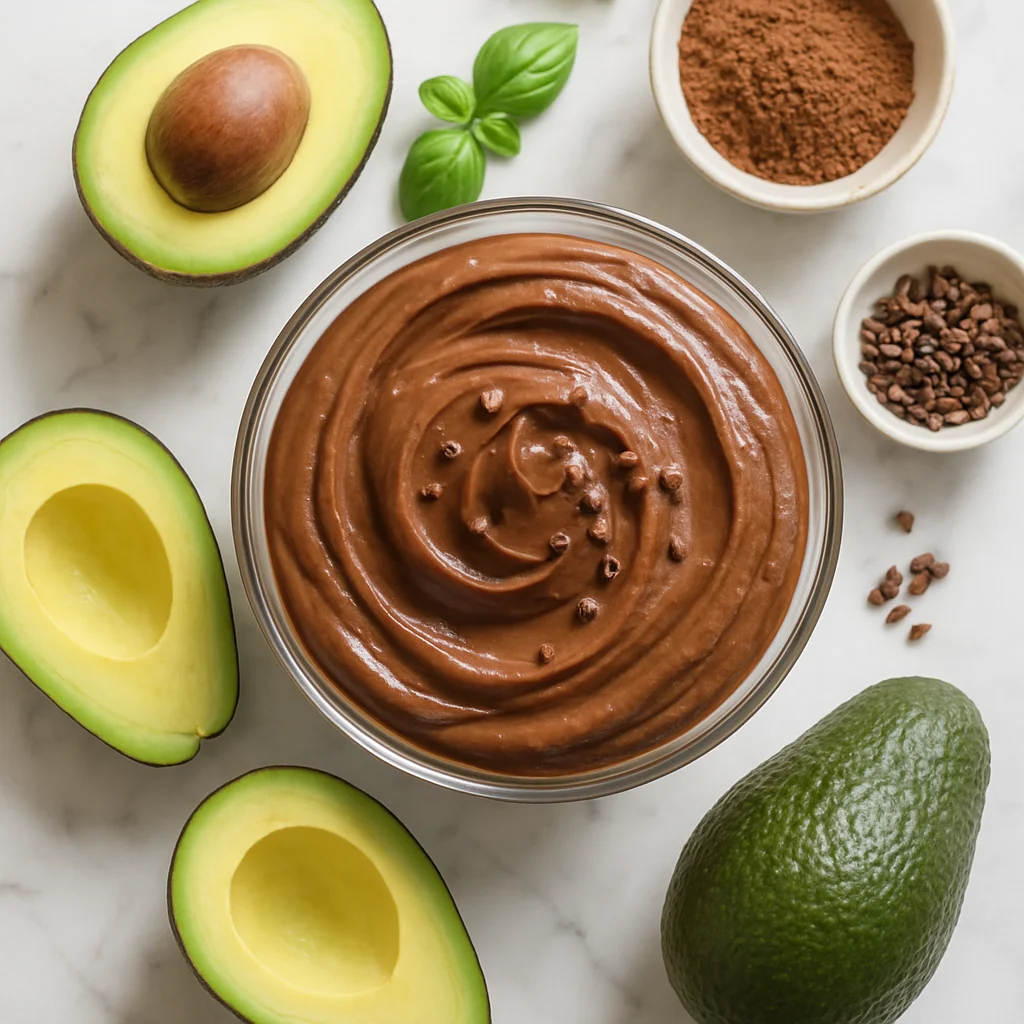
If you have ever craved a luscious, velvety chocolate mousse but wanted to skip the sugar, heavy cream, and calorie overload of a traditional French-style dessert, this sugar free chocolate mousse is exactly what you have been looking for. Made with just a handful of wholesome ingredients, it delivers the kind of deep, satisfying chocolate flavour that feels indulgent, without the blood sugar spike, the refined sugar, or the hours of preparation in the kitchen.
The secret ingredient here is ripe avocado. Before you scroll away, hear us out. Avocado creates an impossibly smooth, buttery texture that mimics the richness of a cream-based mousse perfectly. You would never guess it was there, and neither would your guests. All you taste is pure, intense chocolate. Combined with unsweetened raw cacao powder, a splash of pure vanilla extract, a drizzle of powdered monk fruit sweetener, and a little chilled coconut cream for lift and lightness, this recipe produces a mousse that genuinely rivals any restaurant dessert.
Traditional chocolate mousse is made with whipped egg whites or whipped cream, plenty of sugar, and melted chocolate, a process that takes time, requires skill, and results in a dessert that is high in refined sugar and saturated fat. This avocado-based version achieves the same creamy, silky, deeply chocolatey result in under 10 minutes of active preparation, with zero refined sugar and a nutritional profile you can actually feel good about.
What makes this recipe stand out from other sugar free chocolate mousse recipes is the fibre content. Each serving delivers around 6 grams of dietary fibre thanks to the avocado and cacao. That fibre slows digestion, keeps you feeling satisfied for longer, and means the natural sugars in this dish hit your bloodstream far more gently than a conventional mousse ever could. At under 180 calories per serving, it is also one of the lighter chocolate desserts you will find, without any compromise on flavour.
Avocados also bring an impressive nutritional payload beyond just fibre and healthy fats. They are a rich source of folate, potassium, vitamin K, and carotenoids, antioxidants linked to eye health and reduced inflammation. The monounsaturated fats in avocado are the same heart-healthy fats found in olive oil, and they help the body absorb the fat-soluble nutrients in cacao more efficiently. In short, the avocado is doing a lot of heavy lifting here beyond just creating texture.
Raw cacao powder is the hero of this recipe and deserves a special mention. Unlike Dutch-processed cocoa, raw cacao is minimally processed, which means it retains significantly more of its natural antioxidants, including flavanols linked to heart health and anti-inflammatory benefits. It is also naturally rich in magnesium, iron, and zinc. Using raw cacao instead of regular cocoa powder is one of the simplest ways to boost the nutritional profile of any chocolate dessert.
The sweetener in this recipe is completely flexible. We have used powdered monk fruit sweetener, which contains zero calories, zero carbohydrates, and has no effect on blood glucose levels, making this dessert suitable for people managing type 2 diabetes, those following a ketogenic diet, or anyone simply trying to reduce their sugar intake. If you prefer a more natural sweetener, a small amount of pure maple syrup, date paste made from blended Medjool dates, or a few drops of liquid stevia all work beautifully and each brings its own subtle flavour nuance.
This mousse is also 100 percent dairy free, gluten free, vegan, and paleo friendly, which means it fits neatly into a huge range of dietary lifestyles. Whether you are cooking for a crowd with mixed dietary needs or just treating yourself on a Tuesday evening, this recipe ticks every box.
Preparation takes less than 10 minutes and requires nothing more than a food processor or a high-speed blender. There is no whipping egg whites, no tempering chocolate, and no standing over a hot stove. Simply blend, taste, adjust, chill, and serve. The mousse can be made up to two days ahead and stored in the refrigerator, making it the ideal make-ahead dinner party dessert.
For the best results, use fully ripe avocados, they should feel soft when gently pressed and be dark green to nearly black on the outside. A hard or underripe avocado will result in a grainy texture and a grassy flavour that no amount of cacao can mask. If your avocados are perfectly ripe, the blended mixture will be glossy, smooth, and completely free of lumps within about 60 seconds of blending.
Serve this sugar free chocolate mousse in small glasses or ramekins, topped with a light dusting of extra cacao powder, a few fresh raspberries, or a small handful of cacao nibs for crunch. It is the kind of dessert that looks elegant, tastes extraordinary, and happens to be genuinely good for you, and that is a combination worth celebrating.
Ingredients
- 2 large ripe avocados (flesh only, stones and skins removed — must be fully ripe (dark green to black skin, soft when pressed) for a silky smooth texture; underripe avocados cause graininess and a grassy off-flavour)
- 4 tbsp raw cacao powder (use unsweetened; raw cacao is preferred over Dutch-processed cocoa as it retains significantly more antioxidants, magnesium, and iron — however regular unsweetened cocoa powder works as a 1:1 substitute)
- 3 tbsp powdered monk fruit sweetener (adjust to taste; note that monk fruit brands vary hugely in sweetness — some are 1:1 with sugar, others are 2–3x sweeter, so always taste as you go. Substitute with powdered erythritol, 2 tbsp pure maple syrup, or date paste from 3 pitted Medjool dates for a less strict but still wholesome option)
- 3 tbsp chilled coconut cream (use only the thick, solid cream from the top of a full-fat coconut milk can that has been refrigerated overnight — the watery liquid below will make the mousse too thin; silken tofu or cashew cream can substitute)
- 1 tsp pure vanilla extract (use pure vanilla extract, not vanilla flavouring or essence — pure extract gives a cleaner, deeper taste that enhances the chocolate; imitation vanilla can add a slightly synthetic aftertaste)
- 1 tbsp almond milk (unsweetened; used to loosen the blend — add more one teaspoon at a time if needed; any unsweetened plant milk works, including oat milk, cashew milk, or even chilled water in a pinch)
- 1 pinch fine sea salt (do not skip — salt is essential for amplifying and rounding out the chocolate flavour; it suppresses bitterness in the cacao and makes the overall taste noticeably richer)
- 1 tsp fresh lemon juice (prevents the avocado from oxidising and turning brown, and brightens the overall flavour without adding any detectable citrus taste; bottled lemon juice works but fresh is preferable)
Instructions
- 1
Halve the avocados, remove the stones, and scoop the flesh into a food processor or high-speed blender. Discard the skins. Make sure the avocados are fully ripe — they should be soft and creamy inside with no hard or brown patches.
If your avocado is slightly underripe, place the uncut avocado in a paper bag with a banana overnight — the ethylene gas the banana releases will speed up ripening naturally. Avoid microwaving as a shortcut; it softens the flesh but does not develop the true creamy richness of a properly ripened avocado.
- 2
Add the raw cacao powder, powdered monk fruit sweetener, chilled coconut cream, vanilla extract, almond milk, sea salt, and lemon juice to the food processor with the avocado flesh.
Measure out the coconut cream only from the thick, solid portion at the top of a refrigerated can — the watery liquid underneath will make the mousse too thin. If you forgot to refrigerate the can, you can place it in the freezer for 20–25 minutes to speed up the separation.
- 3
Blend on high speed for 60 to 90 seconds until completely smooth and glossy. Stop and scrape down the sides of the bowl halfway through blending to ensure no lumps remain. The mixture should look like a thick, shiny chocolate ganache.
If the mixture seems too thick to blend smoothly, add almond milk one teaspoon at a time until it loosens just enough for the blades to work efficiently. Avoid adding too much liquid at once — you want the mousse thick enough to hold its shape when spooned into glasses.
- 4
Taste the mousse and adjust sweetness by adding a little more monk fruit sweetener if desired. Blend again for 10 seconds to combine. The mousse should taste intensely chocolatey with a pleasantly smooth finish and no avocado flavour.
If you detect any avocado taste at this point, add an extra teaspoon of cacao powder and a tiny pinch more salt, then blend again for 15 seconds — this reliably masks any residual green flavour. A tiny splash of extra vanilla extract also helps if the mousse still tastes slightly vegetal.
- 5
Spoon or pipe the mousse evenly into 4 small glasses, ramekins, or dessert cups. Smooth the tops with the back of a spoon or a small offset spatula for a neat presentation.
For a more elegant look, transfer the mousse to a piping bag fitted with a large star nozzle and pipe it directly into the serving glasses in a swirl pattern. Chill the filled piping bag for 15–20 minutes before piping if you want the swirls to hold their shape cleanly.
- 6
Cover the glasses loosely with cling film or small lids and refrigerate for at least 30 minutes. Chilling firms up the texture slightly and allows the flavours to meld together for a richer, deeper chocolate taste.
The mousse can be chilled for up to 48 hours ahead of serving — the texture actually improves slightly after a few hours in the fridge as the cacao and vanilla have time to bloom fully. Press a piece of cling film directly against the surface of the mousse (not just over the top of the glass) to minimise oxidation.
- 7
Remove from the refrigerator just before serving. Top with a light dusting of raw cacao powder, a few fresh raspberries or strawberry slices, a small sprinkle of cacao nibs, or a tiny pinch of flaky sea salt. Serve immediately and enjoy.
Fresh berries cut through the richness of the chocolate beautifully and add a pop of colour. For a dinner party presentation, try a combination of fresh raspberries, a dusting of cacao powder through a fine mesh sieve, and a single small sprig of fresh mint — it looks stunning with almost no extra effort.
Nutrition per serving
178kcal
Calories
3g
Protein
14g
Carbs
13g
Fat
6g
Fibre
2g
Sugar
62mg
Sodium
Pro Tips
- ✓
Always use fully ripe avocados, the single most important factor in this recipe. A ripe avocado will be dark green to nearly black on the outside and yield gently when pressed near the stem. An underripe avocado produces a grainy, slightly grassy mousse that even a generous amount of cacao cannot fully fix. If your avocados are not yet ripe, place them in a paper bag with a ripe banana for 12–24 hours to speed things up naturally.
- ✓
Refrigerate your can of full-fat coconut milk overnight before making this recipe. The cold causes the thick cream to separate and solidify at the top of the can, making it easy to scoop out only the dense, rich portion you need. If you forget, 20–25 minutes in the freezer achieves a similar result. Never shake the can before opening.
- ✓
Add half a teaspoon of instant espresso powder or very finely ground coffee to the blend for a noticeably deeper, more intense chocolate flavour. This is a professional baker's trick, the coffee does not make the mousse taste like coffee at all, it simply amplifies and rounds out the cacao notes in the same way that a pinch of salt does.
- ✓
Monk fruit sweetener brands vary considerably in sweetness intensity, some are a direct 1:1 swap for sugar while others are two to three times sweeter. Always start with less than you think you need, taste the mixture, and add more gradually. Over-sweetening is the second most common mistake with this recipe after using underripe avocado.
- ✓
For the smoothest possible texture, make sure all your ingredients are at room temperature before blending, except the coconut cream, which should remain chilled. Cold avocado flesh straight from the fridge can cause the mixture to seize slightly and blend unevenly, leaving small lumps that are difficult to remove.
- ✓
This mousse sets slightly firmer after chilling, which actually improves the texture. If you prefer a lighter, airier result closer to a traditional mousse, fold in two tablespoons of whipped coconut cream (whipped from a chilled can using a hand mixer) at the very end, just before portioning into glasses, do not blend it in, as gentle folding preserves the airiness.
Frequently Asked Questions
Variations
- •
Mint Choc Chip Sugar Free Mousse
Add 1/4 teaspoon of pure peppermint extract to the blend along with a tablespoon of roughly chopped sugar free dark chocolate or cacao nibs folded in at the end. This creates a refreshing after-dinner dessert with a cool mint finish.
- •
Spiced Mexican Chocolate Mousse
Blend in 1/2 teaspoon of ground cinnamon and a tiny pinch of cayenne pepper alongside the cacao powder. The warmth of cinnamon and the gentle heat of cayenne create a complex, grown-up flavour profile inspired by traditional Mexican chocolate.
- •
Peanut Butter Chocolate Mousse
Add 2 tablespoons of natural unsweetened peanut butter or almond butter to the base recipe. This adds a nutty depth, extra protein, and a beautiful swirled effect if you stir the nut butter through loosely rather than fully blending it in.
- •
Orange and Dark Chocolate Mousse
Add the finely grated zest of one large organic orange and a teaspoon of fresh orange juice to the blend. The citrus brightens the deep chocolate flavour dramatically and creates a classic pairing that feels luxurious and special.
Substitutions
- •Powdered monk fruit sweetener → Powdered erythritol, pure maple syrup, or 3 pitted Medjool dates (If using maple syrup, start with 1.5 tablespoons and taste before adding more. Dates will add extra fibre and a caramel undertone but will also increase carbohydrate content.)
- •Coconut cream → Silken tofu or cashew cream (Silken tofu creates an even higher protein mousse with a slightly denser texture. Cashew cream (made by blending soaked raw cashews with water) adds a mild nutty richness. Both keep the recipe dairy free.)
- •Raw cacao powder → Unsweetened cocoa powder (Regular unsweetened cocoa powder works as a direct swap in equal quantities. The flavour will be slightly less intense and the antioxidant content lower, but the mousse will still taste excellent.)
- •Almond milk → Oat milk, cashew milk, or chilled water (Any unsweetened plant milk works well here. Use chilled water as a last resort, it works but the mousse will be very slightly less rich. Avoid sweetened plant milks as they will alter the sweetness balance.)
- •Ripe avocado → Silken tofu only (not recommended as primary swap) (While silken tofu can produce a similarly smooth, protein-rich mousse, the base recipe is specifically designed around avocado for its fibre content and healthy fat profile. If you use tofu, increase cacao to 5 tablespoons and add an extra pinch of salt.)
🧊 Storage
Store covered mousse glasses or transfer to an airtight container and refrigerate for up to 2 days. Keep the mousse covered at all times as avocado can oxidise and discolour when exposed to air, even in the fridge. The lemon juice in the recipe significantly slows browning. Do not store at room temperature for more than 1 hour. For longer storage, freeze in individual airtight containers for up to 4 weeks and thaw in the fridge overnight before serving.
📅 Make Ahead
This mousse is an ideal make-ahead dessert. You can prepare it up to 48 hours in advance, spoon into serving glasses, cover tightly, and refrigerate until needed. The flavour actually deepens and improves after a few hours of chilling as the cacao and vanilla have time to bloom fully. Add any fresh toppings such as berries or cacao nibs just before serving to keep them looking their best.