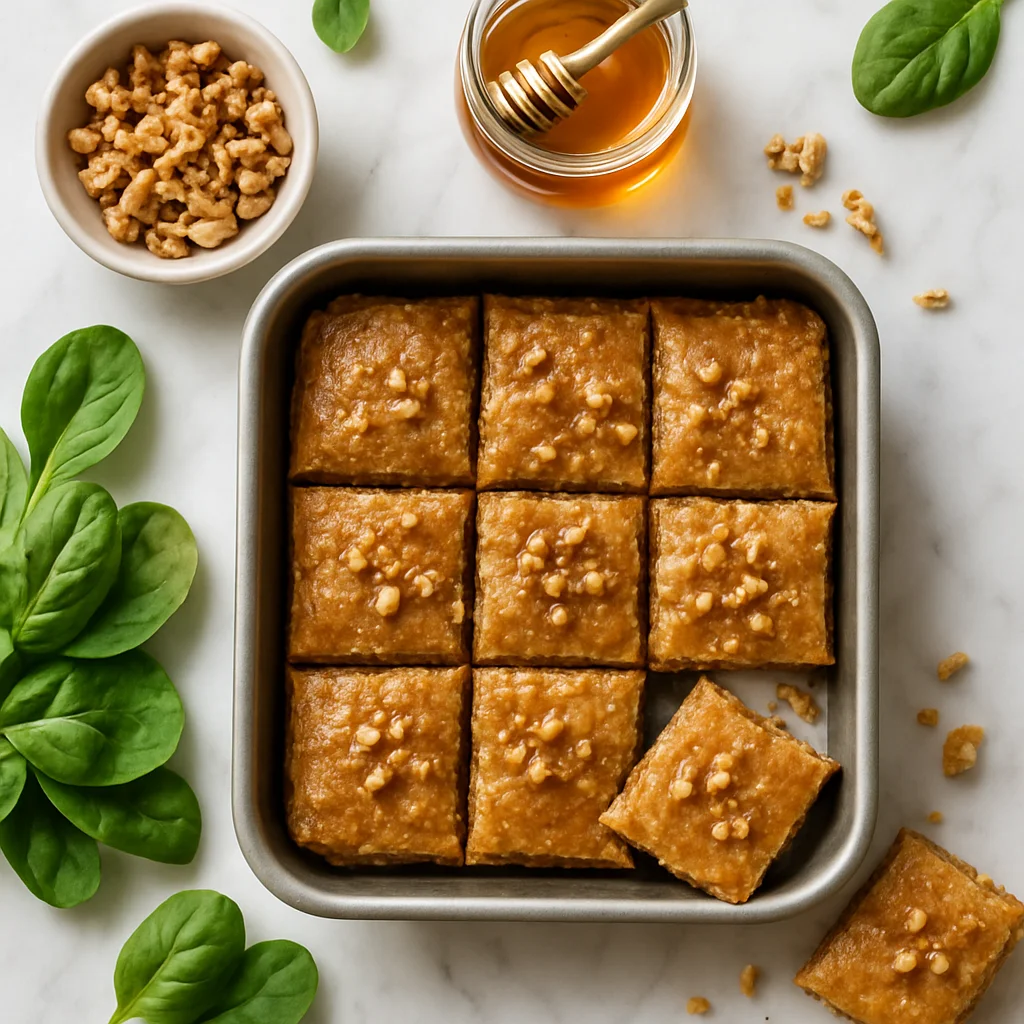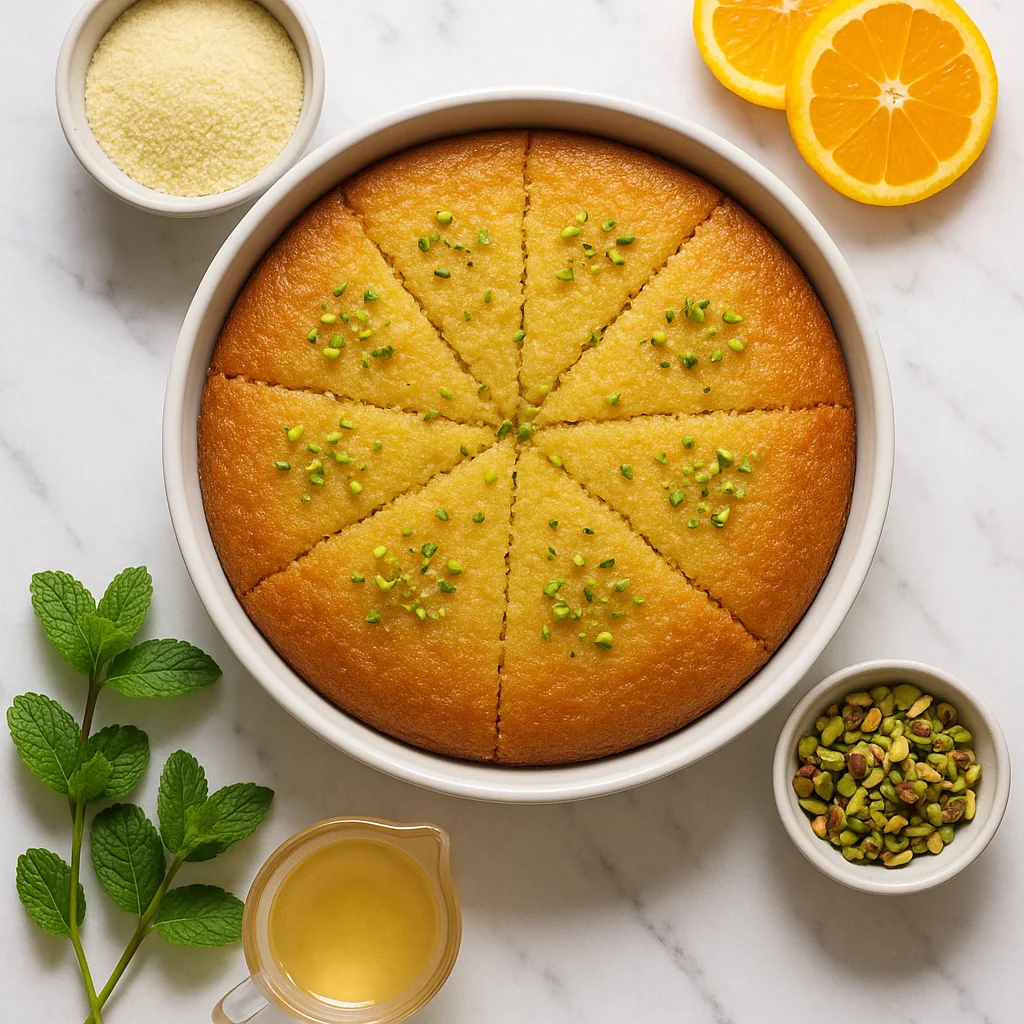
If you have ever fallen in love with a syrup-soaked cake and then felt a little guilty about it afterwards, this recipe is here to change that experience completely. This lighter take on revani Greek semolina cake keeps everything you adore about the traditional version, the golden crumb, the fragrant citrus syrup, the satisfying density, while quietly dialling back the sugar and boosting the nutritional profile. It is the kind of recipe that works beautifully for a weekend afternoon treat, a casual dinner party dessert, or honestly just a Tuesday when you want something a little special without going overboard. Health-conscious home bakers who miss the flavours of Greek pastry shops will find this version genuinely satisfying rather than a compromise.
The ingredients here do some clever work behind the scenes. Coarse semolina forms the backbone of the cake, and that is actually a good thing from a nutrition standpoint, as semolina provides more protein and slightly more fibre than plain white flour. A portion of the semolina is swapped for fine wholegrain semolina to add a little extra texture and a nuttier depth of flavour. Full-fat Greek yogurt steps in to replace the butter or oil you would find in many traditional recipes, keeping the crumb wonderfully moist while adding protein and reducing overall fat. Eggs are kept to just three, and the sugar in the batter is cut to roughly half of what classic recipes call for, relying instead on the natural brightness of orange zest and a small measure of pure vanilla extract to carry the sweetness forward. The syrup is where revani gets its signature sticky, glossy character, and here it is made with a blend of raw honey and a modest amount of coconut sugar dissolved in water with orange blossom water and fresh lemon juice. That combination creates a fragrant, lightly floral syrup that is genuinely lower in refined sugar than the standard version.
The texture of this cake is one of its great pleasures. The semolina gives every slice a slightly grainy, satisfying chew that is quite different from a typical sponge, and once the warm syrup soaks in, the crumb becomes tender and moist without turning soggy or heavy. The orange blossom water in the syrup gives the finished cake a subtle floral aroma that pairs beautifully with a dusting of ground pistachios on top. You can also finish it with a light shower of toasted coconut flakes or a few thin slices of candied orange if you want something more striking for guests. Serve each square at room temperature with a small cup of strong Greek coffee, or alongside a dollop of thick strained yogurt for a dessert that feels both indulgent and grounded. A small scoop of frozen yogurt works wonderfully in warmer months too.
From a dietary perspective, each serving comes in at a notably lower calorie count than traditional revani, with less than half the sugar you would typically find in a syrup-soaked semolina cake. The Greek yogurt contributes calcium and live cultures, and the use of honey and coconut sugar means the syrup carries a lower glycaemic load than a standard white sugar syrup, though it is still a treat to be enjoyed mindfully. The cake is naturally free from butter and uses no refined white sugar in the batter at all. It is not gluten-free because semolina is a wheat product, but for anyone simply looking to reduce processed ingredients and added sugar while still enjoying a genuinely beautiful Mediterranean dessert, this revani delivers in every single way. Sharing a tray of this with people who claim they are avoiding sugar tends to result in everyone asking for the recipe, which is really the best kind of outcome.
Ingredients
- 180 g coarse semolina (also called durum wheat semolina)
- 80 g fine wholegrain semolina (adds fibre and a nuttier flavour)
- 40 g plain flour (plain all-purpose flour)
- 1.5 tsp baking powder
- 0.3 tsp fine sea salt
- 3 large eggs (room temperature)
- 60 g coconut sugar (for the cake batter)
- 200 g full-fat Greek yogurt (adds moisture and protein)
- 60 ml light olive oil (or any neutral oil)
- 1 tsp pure vanilla extract
- 1 large orange, zest only (use a fine grater)
- 1 small lemon, zest only
- 240 ml water (for the syrup)
- 60 g raw honey (for the syrup, use a mild variety)
- 40 g coconut sugar (for the syrup)
- 2 tbsp fresh lemon juice (for the syrup)
- 1.5 tsp orange blossom water (for the syrup, add after removing from heat)
- 2 tbsp raw unsalted pistachios, roughly chopped (to garnish)
Instructions
- 1
Preheat your oven to 180C (160C fan) and lightly grease a 23x33cm baking tray with a little olive oil. Dust with a small amount of semolina and tap out the excess.
Using semolina rather than flour to dust the pan gives the edges of the cake a lovely subtle crust.
- 2
In a large mixing bowl, whisk together the coarse semolina, fine wholegrain semolina, plain flour, baking powder and sea salt until evenly combined. Set aside.
- 3
In a separate bowl, use a hand whisk or electric mixer to beat the eggs and coconut sugar together for about 3 minutes, until the mixture is pale and slightly thickened. This small amount of aeration helps keep the cake tender.
Room temperature eggs beat much more easily and create better volume than cold eggs straight from the fridge.
- 4
Add the Greek yogurt, light olive oil, vanilla extract, orange zest and lemon zest to the egg mixture and whisk until smooth and well combined.
- 5
Fold the dry semolina mixture into the wet ingredients using a spatula. Stir gently until just combined, making sure no dry pockets remain. The batter will be quite thick. Let it rest for 5 minutes so the semolina can absorb the moisture slightly.
Do not overmix. A few gentle folds are enough once the flour disappears.
- 6
Pour the batter into the prepared tray and spread it out evenly with the back of a spoon or an offset spatula. Bake for 28 to 30 minutes, until the top is golden and a skewer inserted in the centre comes out clean.
Start checking at the 25-minute mark as all ovens vary slightly.
- 7
While the cake bakes, prepare the syrup. Combine the water, raw honey, coconut sugar and lemon juice in a small saucepan over medium heat. Stir until the sugars dissolve, then bring to a gentle simmer. Cook for 5 minutes, then remove from the heat and stir in the orange blossom water. Set aside to cool slightly.
The syrup should still be warm, not boiling, when it goes onto the cake. A very hot syrup on a very hot cake can lead to uneven absorption.
- 8
As soon as the cake comes out of the oven, use a skewer or toothpick to poke holes all over the surface at roughly 2cm intervals. This helps the syrup soak down into the crumb rather than just sitting on top.
- 9
Slowly pour the warm syrup evenly over the hot cake, ladle by ladle, giving each addition a moment to absorb before adding the next. The cake will look very wet at first. That is exactly what you want.
Pouring the syrup slowly in stages gives a much more even soak than tipping it all on at once.
- 10
Scatter the chopped pistachios over the top. Leave the cake to rest and absorb the syrup at room temperature for at least 30 minutes before cutting into squares and serving.
The longer it rests, the better the texture. Letting it sit for an hour gives an even more beautiful result.
Nutrition per serving
198kcal
Calories
5.8g
Protein
31.2g
Carbs
6.1g
Fat
1.9g
Fibre
12.4g
Sugar
112mg
Sodium
Pro Tips
- ✓
Rest the batter for 5 minutes before baking so the semolina softens slightly, giving a more tender crumb.
- ✓
Using a combination of coarse and fine semolina creates a more interesting texture than either alone.
- ✓
Greek yogurt at full-fat gives a richer result than low-fat versions, and the calorie difference per serving is minimal.
- ✓
Score the cut lines into the cake lightly with a knife before adding the syrup so it seeps into the cuts as well.
- ✓
Orange blossom water is potent, so measure carefully. Too much can overpower the other flavours.
- ✓
This cake actually improves the next day once the syrup has fully settled into the crumb.
Frequently Asked Questions
Variations
- •
Lemon and Thyme Revani
Replace the orange zest and orange blossom water with lemon zest, a little extra lemon juice in the syrup and a teaspoon of fresh thyme leaves steeped in the syrup while it simmers. The herbal note is subtle and elegant.
- •
Coconut Revani
Add 30g of unsweetened desiccated coconut to the batter and toast a handful of coconut flakes to scatter on top instead of pistachios. The coconut pairs particularly well with the orange blossom syrup.
- •
Rose and Cardamom Revani
Swap the orange blossom water for rose water and add a quarter teaspoon of ground cardamom to the cake batter. This creates a more Middle Eastern flavour profile reminiscent of Persian desserts.
- •
Honey and Walnut Revani
Fold 40g of finely chopped walnuts into the batter before baking and increase the honey in the syrup to 80g, reducing the coconut sugar accordingly. Finish with a drizzle of extra honey on top.
Substitutions
- •Greek yogurt → Coconut yogurt (Use a thick, unsweetened coconut yogurt for a dairy-free version. The flavour will have a very subtle coconut note which actually works beautifully with the orange.)
- •Light olive oil → Melted coconut oil (Coconut oil works well and adds a very subtle tropical undertone. Use refined coconut oil if you want no coconut flavour.)
- •Raw honey → Maple syrup (Maple syrup creates a vegan-friendly syrup with a slightly different but equally delicious flavour. Use the same quantity by weight.)
- •Coconut sugar → Brown sugar (Brown sugar can replace coconut sugar in a one-to-one ratio in both the batter and the syrup. The result will be slightly less complex in flavour but still very good.)
- •Orange blossom water → Rose water (Rose water works as a direct substitute in the same quantity. Start with 1 teaspoon and taste before adding more, as rose water varies significantly in strength between brands.)
- •Pistachios → Toasted almonds or sesame seeds (Sliced toasted almonds are the most traditional garnish for revani. Sesame seeds add a nutty crunch and are a good option for those with tree nut allergies.)
🧊 Storage
Store leftover revani in an airtight container at room temperature for up to 3 days, or refrigerate for up to 5 days. Bring refrigerated slices to room temperature before serving for the best texture. Individual squares can be wrapped in cling film and frozen for up to 2 months. Thaw overnight at room temperature.
📅 Make Ahead
This cake is an excellent make-ahead dessert. Bake it the day before you need it, add the syrup as instructed, and leave it covered at room temperature overnight. The crumb will be even more tender and flavourful the next day, making it ideal for dinner parties or meal prep.
More Greek Desserts Recipes
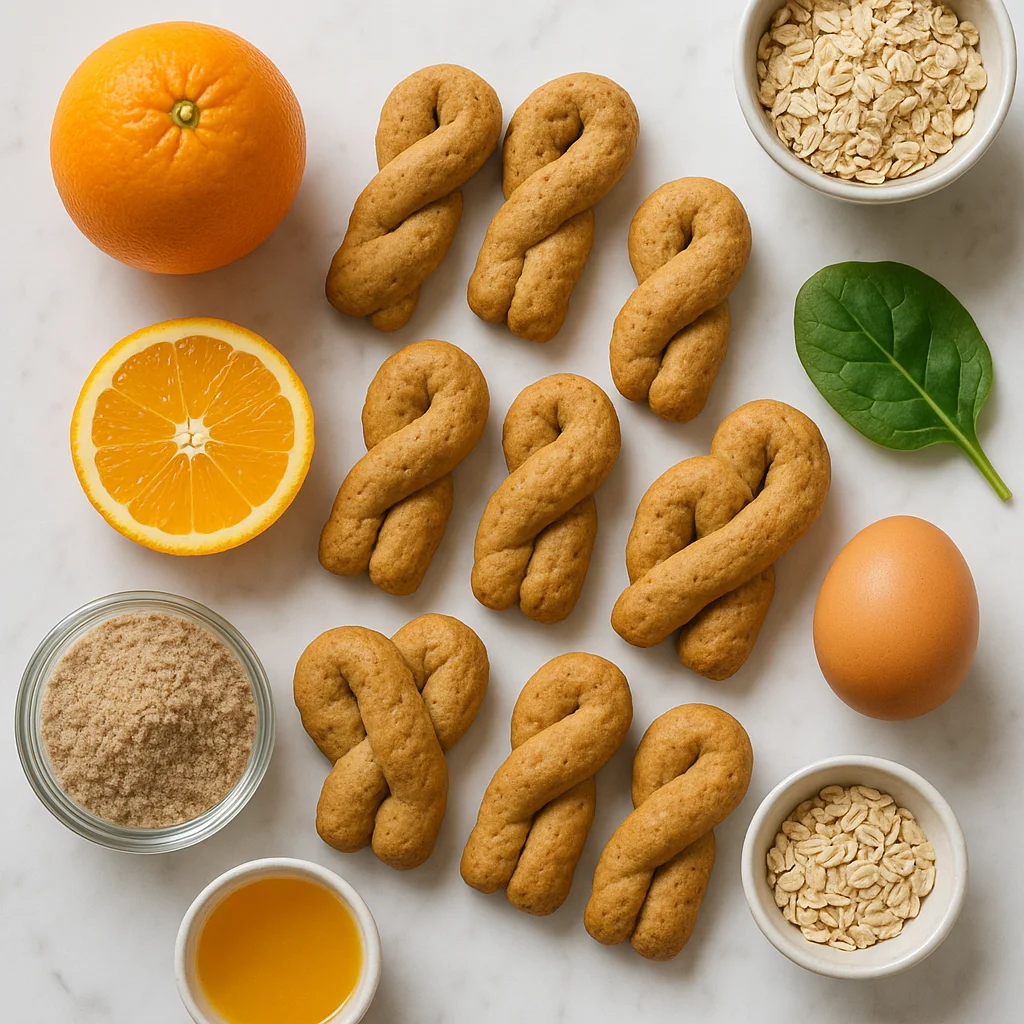
Healthy Koulourakia Greek Easter Cookies with Spelt and Orange
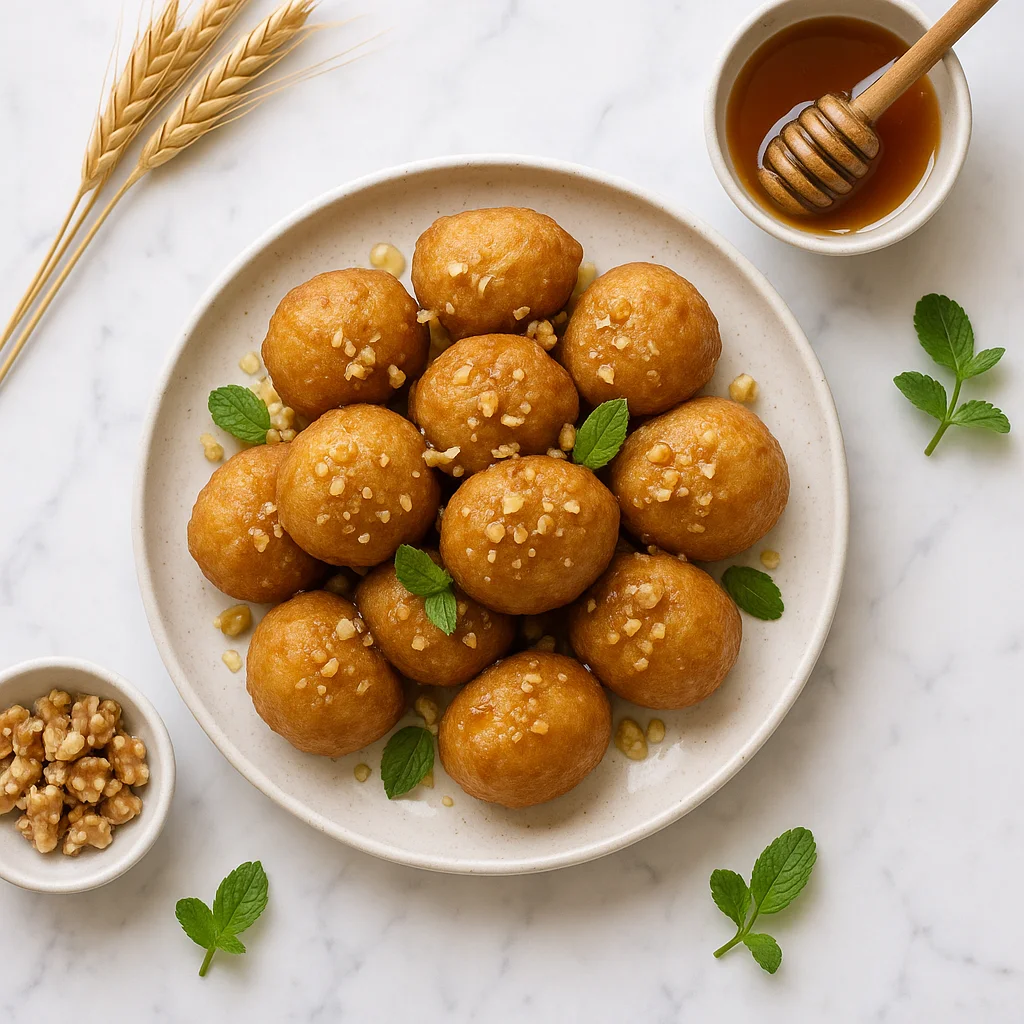
Healthy Loukoumades Greek Honey Donuts with Spelt and Raw Honey
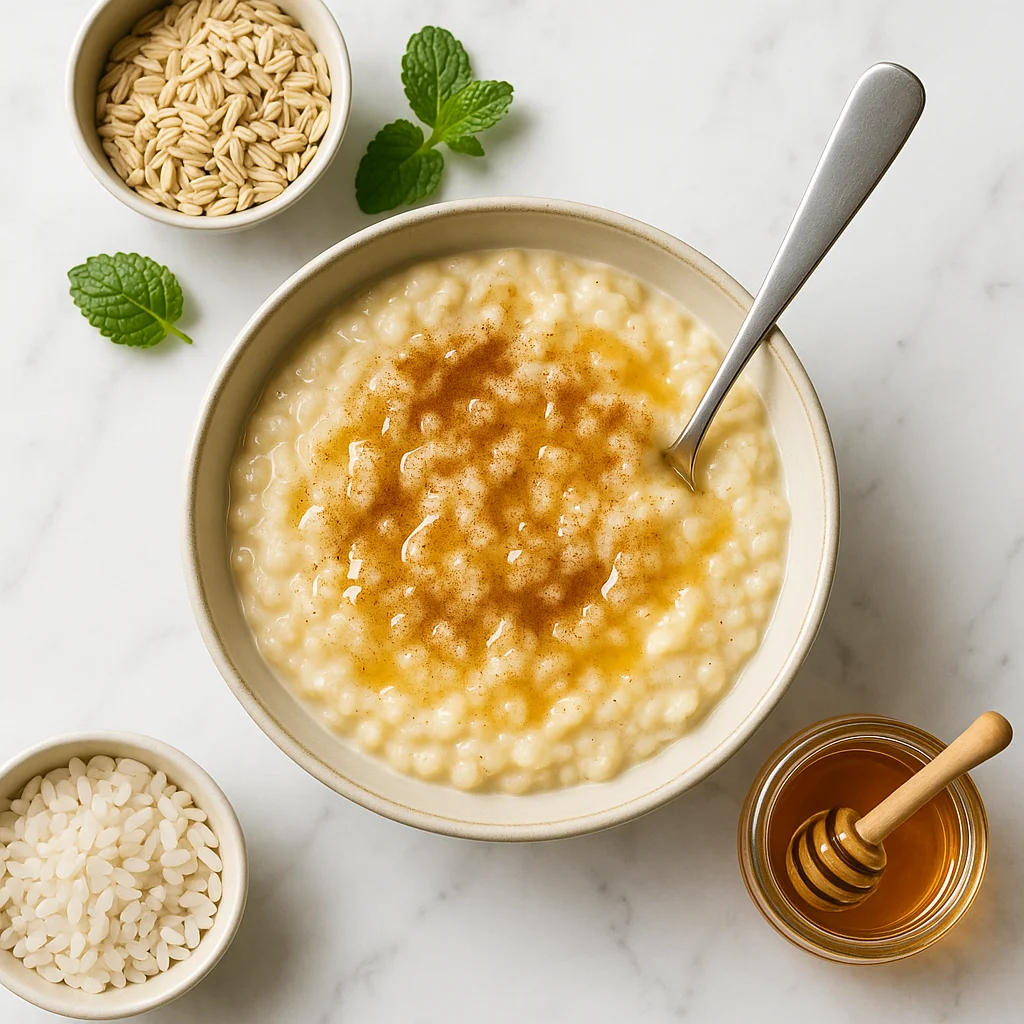
Healthy Rizogalo Greek Rice Pudding with Oat Milk and Honey