Healthy Koulourakia Greek Easter Cookies with Spelt and Orange
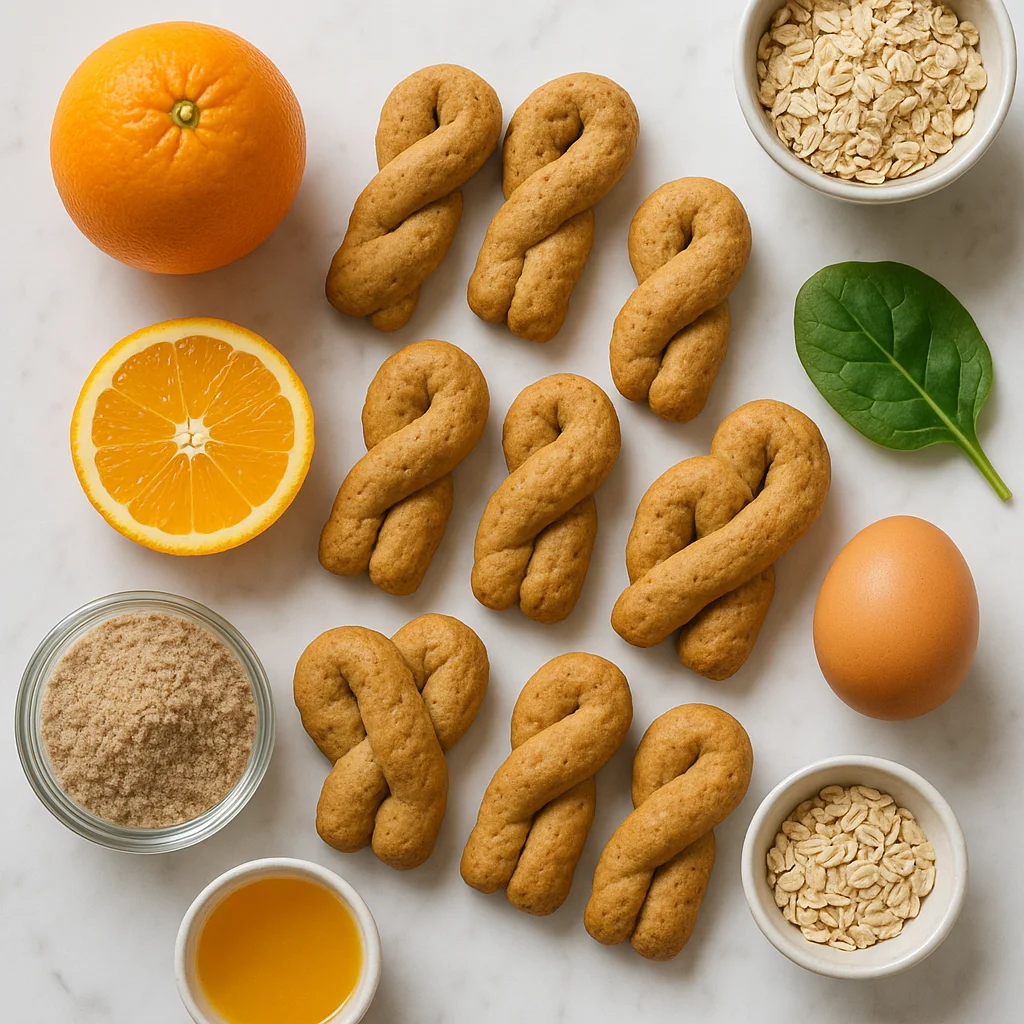
The shape of a koulouraki is not accidental. The braided twist, the coil, the S-curve: these forms are traditional and they matter to the texture of the finished cookie. The twisted dough has more surface area per cookie than a flat biscuit, which means more of the surface makes contact with the heat of the baking tray and more of the exterior caramelises and crisps. The interior stays slightly softer than the outside, creating a contrast that makes koulourakia more interesting to eat than a uniformly textured biscuit. This healthier version uses spelt flour, which has a slightly sweeter, nuttier flavour than plain flour, and orange zest in addition to the traditional vanilla for a more complex, aromatic result.
Why this recipe works
Spelt flour has a lower phytic acid content than standard wheat flour and a slightly higher protein content, producing a dough that is easy to work with and a cookie with a pleasantly tender crumb. The small amount of olive oil in the dough is a nod to the older, more traditional versions of koulourakia that predate the adoption of butter in Greek home baking. Olive oil contributes a subtle savouriness that stops the cookies from being one-dimensionally sweet. Orange zest provides aromatic oils that elevate the vanilla and give the cookies a festive, fragrant quality appropriate for Easter.
Getting it right
Work the dough until it is smooth and pliable but not sticky. A sticky dough is difficult to roll and shape, and adding too much flour to compensate can make the finished cookie dry. If the dough is too sticky, refrigerate for thirty minutes before rolling.
Brush each shaped cookie with egg wash before baking. The egg wash is responsible for the characteristic deep golden colour and glossy surface that distinguishes koulourakia from other cookies.
Common mistakes
Making the individual dough ropes too thick produces cookies that are doughy rather than crisp. Roll each rope to about the thickness of a pencil before shaping.
Overbaking produces a cookie that is too hard and brittle. Koulourakia should be golden on the outside but with a slight give when pressed. They will harden further as they cool.
Substitutions
Plain spelt flour can replace the mixture of spelt and plain flour for a stronger, nuttier flavour. Lemon zest can replace orange for a sharper citrus profile. Sesame seeds sprinkled on top before baking are used in some regional variations and add crunch.
Serving suggestion
Stack on a plate and serve with Greek coffee or a glass of cold milk. They keep in an airtight tin at room temperature for two weeks, improving slightly as the flavours develop over the first few days.
Ingredients
- 350 g white spelt flour (plus extra for dusting)
- 50 g wholemeal spelt flour (adds extra fibre)
- 100 g coconut sugar (or light brown sugar as an alternative)
- 60 g unsalted butter (softened, grass-fed preferred)
- 60 ml extra virgin olive oil (a mild, light variety works best)
- 2 large eggs (at room temperature)
- 1 tsp pure vanilla extract
- 2 tsp fresh orange zest (from approximately 1 large orange)
- 1.5 tsp baking powder (aluminium-free)
- 0.3 tsp ground cinnamon (optional but recommended)
- 0.1 tsp fine sea salt
- 1 tbsp freshly squeezed orange juice (to loosen the dough if needed)
- 1 medium egg (for the egg wash)
- 1 tbsp whole milk (for the egg wash)
- 2 tbsp sesame seeds (optional topping)
Instructions
- 1
In a large mixing bowl, beat the softened butter and coconut sugar together with an electric hand mixer on medium speed for about 3 minutes until the mixture is pale and slightly fluffy. Coconut sugar is denser than white sugar so it will not turn as pale as you might expect, but the texture should feel light and aerated.
Make sure your butter is genuinely soft, not melted. Cold butter will not cream properly and affects the final texture.
- 2
Add the olive oil to the creamed butter and sugar, then beat for another minute until fully combined. The mixture may look slightly split at first but keep mixing and it will come together into a smooth, glossy base.
A mild olive oil such as a light Kalamata variety keeps the flavour subtle. A very peppery oil can overpower the orange and vanilla notes.
- 3
Add the two eggs, one at a time, beating well after each addition. Mix in the vanilla extract and fresh orange zest until the mixture smells wonderfully fragrant.
- 4
In a separate bowl, whisk together both spelt flours, baking powder, cinnamon and sea salt. Add this dry mixture to the wet ingredients in three additions, folding gently with a spatula after each one. Mix until a soft dough forms. If the dough feels a little dry and is cracking at the edges, add the tablespoon of orange juice and fold it in.
Spelt gluten is more fragile than wheat gluten. Overmixing will make the cookies tough, so stop as soon as the dough comes together cleanly.
- 5
Shape the dough into a disc, wrap it tightly in beeswax wrap or cling film, and refrigerate for 30 minutes. This chilling step firms the dough and makes it much easier to roll and shape without sticking.
You can leave the dough in the fridge for up to 24 hours if you want to prepare ahead. Just let it sit at room temperature for 10 minutes before shaping.
- 6
Preheat your oven to 180 degrees Celsius, or 160 degrees fan. Line two large baking trays with parchment paper.
- 7
Divide the chilled dough into roughly 36 equal pieces, each about the size of a walnut. Working one at a time, roll each piece into a rope approximately 20 cm long between your palms and on a lightly floured surface. Fold the rope in half and twist the two strands around each other two or three times to create a classic braid shape. Pinch the ends together firmly so they do not unravel during baking. You can also roll into an S-shape or a simple coil if you prefer.
Flouring your hands lightly helps prevent sticking without adding too much extra flour to the dough.
- 8
Place the shaped cookies onto the prepared trays, spacing them about 3 cm apart. In a small bowl, whisk together the egg and milk to make the egg wash. Brush each cookie generously with the egg wash, making sure you coat the sides as well as the top for an even golden colour. Sprinkle with sesame seeds if using.
Two coats of egg wash give a deeper, more traditional gloss. Apply the first coat, let it sit for two minutes, then apply a second thin layer.
- 9
Bake for 16 to 18 minutes until the cookies are a deep golden amber on top and firm to the touch. They will still feel slightly soft in the centre when they come out, but they firm up considerably as they cool on the tray.
Every oven runs differently. Start checking at 15 minutes and pull them out when they are golden, not just lightly tanned. Underbaked koulourakia lose that signature crunch.
- 10
Transfer the baked cookies to a wire rack and allow them to cool completely before eating. This final cooling step is where the crunch fully develops, so try to be patient.
Nutrition per serving
95kcal
Calories
2.4g
Protein
12.8g
Carbs
4.1g
Fat
1.4g
Fibre
4.2g
Sugar
42mg
Sodium
Pro Tips
- ✓
Chill the dough for the full 30 minutes. It makes a real difference to how easily you can shape the cookies.
- ✓
Use fresh orange zest rather than bottled orange extract. The flavour is brighter and more complex.
- ✓
These cookies deepen in flavour on the second day, so baking them a day ahead of your gathering actually works in your favour.
- ✓
If your kitchen is very warm, keep the portion of dough you are not currently shaping in the fridge while you work through each batch.
- ✓
For a crispier cookie, bake for the full 18 minutes. For a slightly softer texture, pull them at 15 to 16 minutes.
- ✓
Weigh your flour rather than scooping it by cup to ensure accuracy. Spelt flour can pack differently depending on humidity.
Frequently Asked Questions
Variations
- •
Lemon and Thyme Koulourakia
Replace the orange zest with the zest of two lemons and add half a teaspoon of dried thyme to the dry ingredients. This version has a more fragrant, herby quality that works beautifully with afternoon tea.
- •
Tahini and Honey Koulourakia
Replace the butter with two tablespoons of tahini and swap the coconut sugar for two tablespoons of raw honey added to the wet ingredients. Reduce the olive oil by one tablespoon to compensate for the added liquid. The sesame flavour becomes more prominent and the cookies have a slightly denser chew.
- •
Chocolate Dipped Koulourakia
Once baked and fully cooled, dip one end of each cookie into melted dark chocolate with at least 70 percent cocoa solids. Place on parchment paper and allow the chocolate to set at room temperature. This adds a festive touch while keeping the added sugar minimal.
- •
Gluten-Free Koulourakia
Use a one-to-one gluten-free baking flour blend in place of the spelt flours. Add half a teaspoon of xanthan gum if your blend does not already contain it. The dough will be softer, so extend the chilling time to 45 minutes and handle gently during shaping.
Substitutions
- •Coconut sugar → Light brown sugar or date sugar (Both work in a one-to-one swap. Date sugar adds more fibre but can make the dough slightly stickier.)
- •Unsalted butter → Coconut oil or vegan butter (Use refined coconut oil to avoid a coconut flavour competing with the orange. The cookies will be slightly crisper and less rich.)
- •Extra virgin olive oil → Avocado oil or light coconut oil (Both are neutral in flavour and provide similar fat content. Avocado oil is a great source of monounsaturated fats.)
- •Whole milk (egg wash) → Oat milk or almond milk (Works well for a dairy-free egg wash. The gloss will be slightly less deep but still gives good colour.)
- •White spelt flour → Plain white flour (The cookies will be less fibrous but will still taste delicious and may be slightly crispier.)
🧊 Storage
Store completely cooled koulourakia in an airtight tin or container at room temperature for up to 10 days. They actually improve in texture after the first 24 hours as the crunch develops fully. Do not refrigerate as this draws moisture into the cookies and softens them. For longer storage, freeze in a single layer on a tray, then transfer to a freezer bag for up to 3 months. Thaw at room temperature for 30 minutes before serving.
📅 Make Ahead
The dough can be made up to 24 hours in advance and stored wrapped tightly in the refrigerator. You can also shape the cookies and freeze them unbaked on a lined tray, then transfer to a bag and bake from frozen at 180 degrees Celsius for 20 to 22 minutes, adding the egg wash just before they go in the oven.
More Greek Desserts Recipes
Healthy Rizogalo Greek Rice Pudding with Oat Milk and Honey
Healthy Loukoumades Greek Honey Donuts with Spelt and Raw Honey
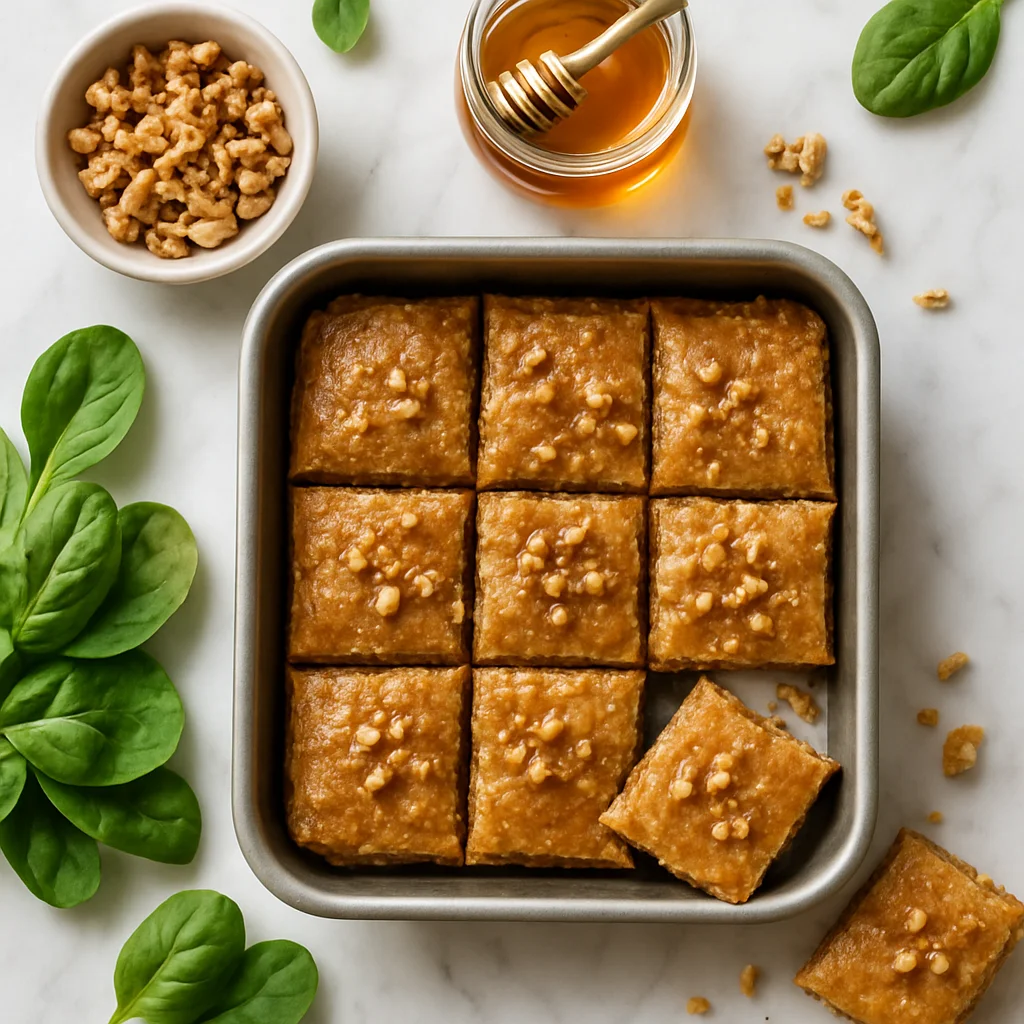
Healthy Baklava Recipe with Honey, Walnuts and Spelt Phyllo