Mexican Tres Leches Cake Dairy Free with Light Coconut Milk Sponge
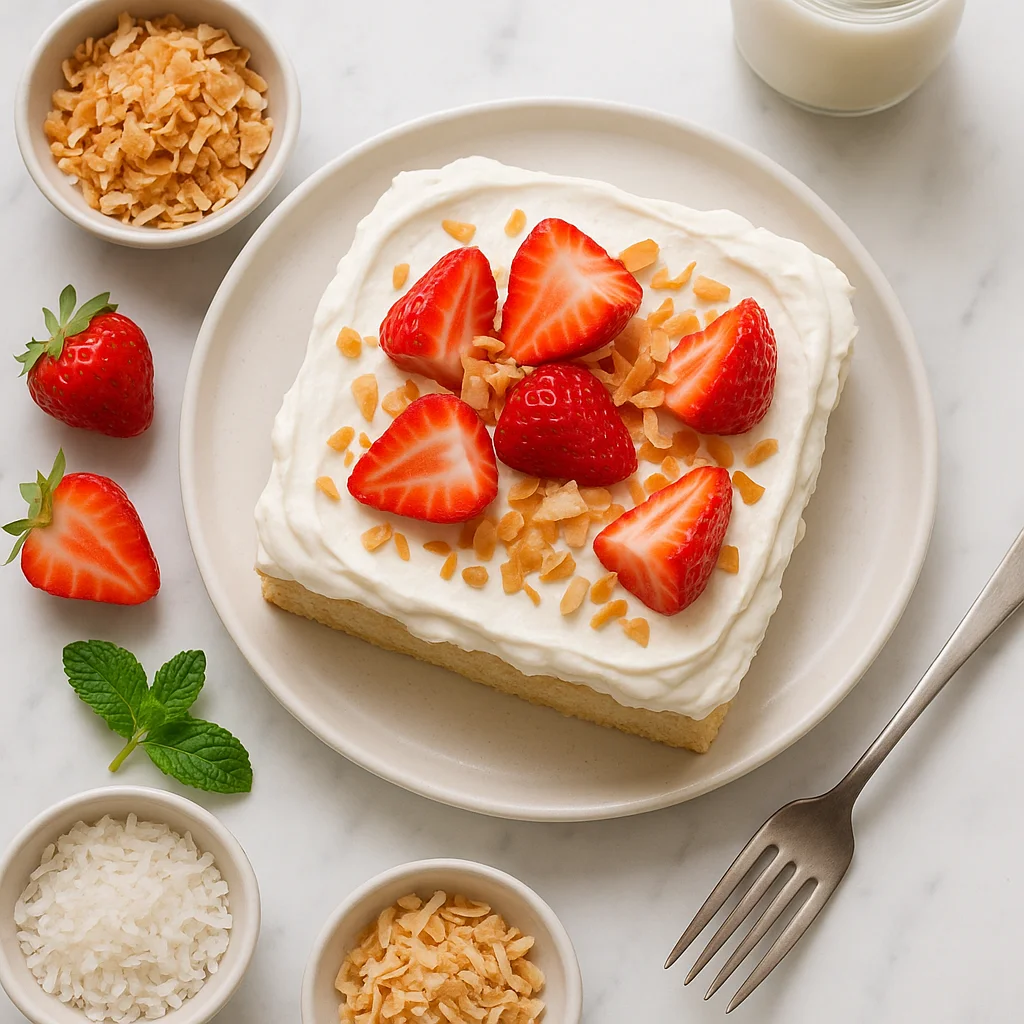
If you have always loved the indulgent, cloud-like texture of a classic Mexican tres leches cake but need a dairy free alternative, you are absolutely in the right place. This Mexican tres leches cake dairy free recipe delivers everything you adore about the traditional dessert, a tender, milk-soaked sponge topped with a pillowy whipped cream, but without a single drop of cow's milk, butter, or heavy cream. Instead, we lean on the natural richness of coconut milk, oat milk, and cashew milk to create that signature three-milk soak that makes tres leches so irresistible.
The result is a cake that is genuinely lighter in calories, lower in refined sugar, and higher in fibre than its traditional counterpart, while still feeling luxurious and celebratory enough for birthdays, Cinco de Mayo, or any occasion that calls for something special. Traditional tres leches cake can clock in at over 400 calories per slice with enormous amounts of saturated fat from sweetened condensed milk and heavy cream. Our version uses full-fat coconut milk for creaminess, unsweetened oat milk for a mild, slightly nutty backdrop, and homemade cashew milk blended with a touch of pure maple syrup and vanilla to replace the sweetened condensed milk. This swap alone cuts the sugar content dramatically while adding a subtle caramel depth that makes the soak taste even more interesting than the original.
The sponge itself is made with a blend of spelt flour and almond flour, giving it a slightly nutty flavour and a meaningful fibre boost compared to plain white all-purpose flour. We use coconut sugar in place of refined white sugar throughout, which has a lower glycaemic index and brings warm, toffee-like notes that complement the coconut milk soak beautifully. Eggs are used here to provide structure and lift, they are the key to that classic tres leches sponge texture, so we have kept them in for authenticity. However, if you need this cake to be fully vegan, check the substitutions section below for a flax egg option.
One of the most important techniques in any tres leches recipe is allowing enough soaking time. We recommend a minimum of two hours in the refrigerator, but overnight is truly where the magic happens. The sponge absorbs every last drop of the three-milk mixture, becoming incredibly moist and soft without falling apart. This is a wonderful make-ahead dessert for dinner parties precisely because it actually improves the longer it sits.
The dairy free whipped topping is made from chilled full-fat coconut cream whipped with a small amount of maple syrup and vanilla. For best results, refrigerate your cans of coconut cream for at least 24 hours before you plan to bake, this ensures the cream and liquid separate completely, giving you the firmest possible whipped topping. It pipes and spreads just as well as conventional whipped cream, and the subtle coconut flavour ties the whole dessert together beautifully.
A classic Mexican dusting of cinnamon across the top adds warmth and a beautiful finishing touch, while fresh berries or sliced mango can make it feel even more vibrant and colourful. The cinnamon is not merely decorative, it is a traditional element of authentic tres leches that adds aromatic complexity and a gentle spice that balances the sweetness of the milk soak.
When it comes to the three-milk soak, the ratio matters. Full-fat coconut milk is the backbone of the soak, providing richness and body. The oat milk lightens the mixture and ensures it soaks into the sponge evenly rather than sitting on top. The cashew milk, sweetened with maple syrup, replaces the traditional sweetened condensed milk and gives the soak that characteristic thick, sweet creaminess that defines great tres leches.
Whether you are lactose intolerant, following a plant-based diet, or simply looking for a lighter way to enjoy a beloved Latin American classic, this dairy free tres leches cake is the recipe you have been searching for. It serves twelve generously, making it perfect for sharing, and it stores beautifully in the refrigerator for up to four days, if it lasts that long. Let's get baking.
Ingredients
- 1 cup spelt flour (spooned and levelled; do not pack the cup or the sponge will be dense)
- 1 cup almond flour (blanched, finely ground — not almond meal; adds moisture and a light nutty flavour)
- 1.5 tsp baking powder (check it is fresh — old baking powder will result in a flat sponge)
- 1 tsp fine sea salt
- 5 large eggs (room temperature and separated; take out of the fridge at least 30 minutes before baking)
- 3 cup coconut sugar (divided — 1/2 cup for yolks, 1/4 cup for whites; has a lower GI than white sugar and adds a warm toffee note)
- 1 cup unsweetened oat milk (room temperature; barista-style oat milk adds extra creaminess to the sponge)
- 2 tsp pure vanilla extract (divided; use good quality extract for the best flavour)
- 1 can (400ml) full-fat coconut milk (for the three-milk soak; shake well before opening — this is the richness backbone of the soak)
- 1 cup unsweetened oat milk (for the three-milk soak; lightens the mixture and helps it absorb evenly into the sponge)
- 1 cup raw cashews (soaked in cold water for 4 hours (or in boiling water for 30 minutes), then drained; replaces sweetened condensed milk)
- 3 tbsp pure maple syrup (for the soak; grade A amber for a more neutral sweetness, grade B dark for a deeper caramel note)
- 1 tsp pure vanilla extract (for the soak)
- 2 cans (400ml each) full-fat coconut cream (refrigerated upright for at least 24 hours before whipping — Thai Kitchen, Aroy-D or Savoy brands are most reliable)
- 2 tbsp pure maple syrup (for the whipped topping)
- 1 tsp pure vanilla extract (for the whipped topping)
- 1 tsp ground cinnamon (for dusting; a traditional finishing touch that adds warmth and aromatic complexity)
- 1 cup fresh strawberries or mango slices (optional garnish; sliced strawberries are the classic choice, mango adds a tropical twist)
Instructions
- 1
Preheat your oven to 350°F (175°C). Lightly grease a 9x13-inch baking pan with coconut oil and line the bottom with parchment paper.
Using parchment prevents sticking and makes it easier to portion the cake cleanly later. Grease the sides of the pan too so the sponge rises evenly without sticking.
- 2
In a medium bowl, whisk together the spelt flour, almond flour, baking powder, and salt. Set aside.
Sift the dry ingredients if your almond flour or spelt flour looks lumpy — a lump-free flour mixture folds into the batter more evenly and produces a more uniform crumb.
- 3
Separate the eggs into two large bowls. To the yolks, add 1/2 cup of the coconut sugar and 1 teaspoon of vanilla extract. Beat with a hand mixer on high speed for about 3 minutes until the mixture is pale, thick, and roughly doubled in volume.
This step is the foundation of a light sponge — do not rush it. The yolk mixture should fall from the beaters in a thick ribbon when done. If using coconut sugar, it will not turn as pale as white sugar but will thicken noticeably.
- 4
Stir the oat milk into the yolk mixture until combined. Gently fold in the flour mixture with a spatula until just incorporated — do not overmix.
A few small flour streaks are fine at this stage — they will disappear when you fold in the egg whites. Overmixing develops gluten and will toughen the sponge.
- 5
In the clean bowl with the egg whites, beat with a hand mixer on medium speed until foamy. Gradually add the remaining 1/4 cup of coconut sugar and beat on high until stiff, glossy peaks form.
Make sure your bowl and beaters are completely free of grease or egg yolk — even a small amount of fat will prevent the whites from whipping to stiff peaks. Wipe the bowl with a little white vinegar on a paper towel if in doubt.
- 6
Gently fold one-third of the whipped egg whites into the batter to lighten it. Then carefully fold in the remaining whites in two additions, using broad sweeping motions to preserve as much air as possible.
Use a large rubber spatula and fold from the bottom of the bowl up and over — do not stir in circles. Some white streaks are perfectly fine and actually preferable to overmixing, which will deflate the batter and produce a flat, dense cake.
- 7
Pour the batter into the prepared pan and spread it evenly. Bake for 25 to 28 minutes, or until the top is golden and a toothpick inserted in the centre comes out clean.
Do not open the oven door before the 20-minute mark or the sponge may sink in the centre. The cake is done when it springs back lightly when pressed and has pulled away slightly from the sides of the pan.
- 8
While the cake bakes, prepare the three-milk soak. Blend the soaked and drained cashews with 1/2 cup of water until completely smooth. Combine this cashew milk with the full-fat coconut milk, oat milk, maple syrup, and vanilla extract in a bowl or jug and whisk well.
Blend the soaked cashews for a full 2 minutes in a high-speed blender for the smoothest, most creamy result. If using a standard blender, blend for 3 to 4 minutes. Any remaining graininess will affect the texture of the soak.
- 9
Allow the baked cake to cool in the pan for 10 minutes. Use a fork or skewer to poke holes all over the surface of the cake — go dense and thorough, covering the entire top.
Aim for at least 40 to 50 holes across the full surface, going all the way to the edges and corners where the sponge tends to be denser. The holes should go at least two-thirds of the way through the cake — more holes means more absorption and a moister final result.
- 10
Slowly pour the three-milk soak evenly over the warm cake. It will look like a lot of liquid — that is correct. Allow the cake to cool to room temperature, then cover and refrigerate for a minimum of 2 hours, or ideally overnight.
Pour the soak in small additions — about one quarter at a time — and pause for 30 seconds between pours to let the sponge absorb. Start at the edges and work toward the centre. The warm cake absorbs the soak more readily than a cold cake, so do not wait too long before pouring.
- 11
When ready to serve, prepare the whipped coconut topping. Open the chilled cans of coconut cream and scoop out only the thick, solidified cream into a cold mixing bowl (discard or save the liquid for smoothies). Add maple syrup and vanilla, then whip with a hand mixer on high speed for 3 to 4 minutes until light and fluffy.
Chill your mixing bowl and beaters in the freezer for 10 minutes before whipping for the best results. If the cream begins to soften mid-spreading, return the bowl to the freezer for 5 minutes to firm it up again. Adding 1 teaspoon of tapioca starch while whipping helps stabilise the cream if your kitchen is warm.
- 12
Spread or pipe the whipped coconut cream evenly over the soaked cake. Dust generously with ground cinnamon and garnish with fresh strawberries or mango slices if desired. Slice into 12 pieces and serve chilled.
For the cleanest slices, use a sharp knife wiped clean between each cut. The cake is easiest to portion when it has been chilled for several hours and the sponge has fully set around the absorbed milk soak.
Nutrition per serving
248kcal
Calories
6g
Protein
27g
Carbs
13g
Fat
3g
Fibre
14g
Sugar
112mg
Sodium
Pro Tips
- ✓
Refrigerate the cake overnight rather than the minimum 2 hours, the sponge becomes extraordinarily moist, the flavours deepen, and the three-milk soak distributes completely and evenly throughout.
- ✓
Chill your coconut cream cans for a full 24 hours (not just 12) for the firmest, most stable whipped topping. Place them at the back of the fridge where it is coldest, and do not shake them before opening.
- ✓
Room temperature eggs whip to significantly greater volume than cold eggs. Take your eggs out of the fridge at least 30 minutes before you begin, this single step makes a noticeable difference to how light and airy the sponge turns out.
- ✓
When poking holes in the warm cake, use a fork and go dense, aim for at least 40 to 50 holes across the entire surface, including right to the edges. The more holes, the more evenly the three-milk soak penetrates the sponge.
- ✓
Pour the milk soak slowly and in small additions, giving the sponge 30 seconds to absorb between pours. Starting from the edges and working toward the centre prevents the liquid from pooling in one spot and ensures every slice is equally moist.
- ✓
If your kitchen is warm and your coconut whipped cream starts to soften while you are spreading it, pop the bowl back in the freezer for 5 minutes to firm it up again. You can also stabilise it by adding 1 teaspoon of tapioca starch or arrowroot powder while whipping.
Frequently Asked Questions
Variations
- •
Chocolate Tres Leches Dairy Free
Replace 3 tablespoons of the spelt flour with unsweetened cacao powder and add 1 tablespoon of cacao to the milk soak for a deep chocolate version. Top with coconut whipped cream and a dusting of cacao powder.
- •
Mango Coconut Tres Leches
Add 1/2 cup of fresh mango puree to the three-milk soak for a tropical twist. Top with coconut whipped cream and arrange thin mango slices in a decorative pattern on top.
- •
Spiced Mexican Tres Leches
Add 1/2 teaspoon each of ground cinnamon and ancho chilli powder to the sponge batter for a subtly spiced cake that honours the bold flavours of Mexican cuisine.
- •
Berry Tres Leches
Stir 2 tablespoons of strawberry or raspberry puree into the milk soak for a pink-tinted, berry-flavoured variation. Perfect for celebrations and particularly popular with children.
Substitutions
- •Spelt flour → Gluten-free 1:1 baking flour (Use the same quantity for a gluten-free version. Results will be slightly less springy but still delicious.)
- •Eggs → Flax eggs (Use 1 tablespoon ground flaxseed + 3 tablespoons water per egg, rested 10 minutes. The cake will be denser and less fluffy but fully vegan.)
- •Coconut sugar → Maple sugar or date sugar (Both work well and maintain the refined-sugar-free quality of the recipe. Use in equal quantities.)
- •Oat milk → Almond milk or rice milk (Any thin, neutral plant milk works well in the sponge batter and the three-milk soak.)
- •Raw cashews (for soak) → Coconut condensed milk (Use 3/4 cup store-bought coconut condensed milk and reduce the maple syrup in the soak to 1 tablespoon as it is already sweet.)
- •Coconut cream (topping) → Aquafaba whipped cream (Whip the liquid from 1 can of chickpeas with 1/4 teaspoon cream of tartar and 2 tablespoons maple syrup to stiff peaks for a nut-free and coconut-free topping option.)
🧊 Storage
Store the finished cake covered tightly in the refrigerator for up to 4 days. The sponge actually improves in moisture over time. Do not freeze once assembled with the coconut cream topping, as the texture deteriorates on thawing. The unsoaked sponge can be frozen for up to 1 month before adding the milk soak.
📅 Make Ahead
This is an ideal make-ahead dessert. Bake the sponge, soak it with the three-milk mixture, cover, and refrigerate overnight before adding the whipped coconut cream topping. The longer soak time produces a noticeably moister and more flavourful cake.
More Mexican Desserts Recipes
Mexican Chocolate Avocado Truffles Keto with Spiced Dark Chocolate Bites
Easy Mexican Churro Bites Sugar Free with Crispy Cinnamon Poppers
Mexican Horchata Chia Pudding Vegan with Creamy Cinnamon Rice Milk Dessert