Low Calorie Chocolate Mug Cake with Protein Powder (Under 200 Calories!)
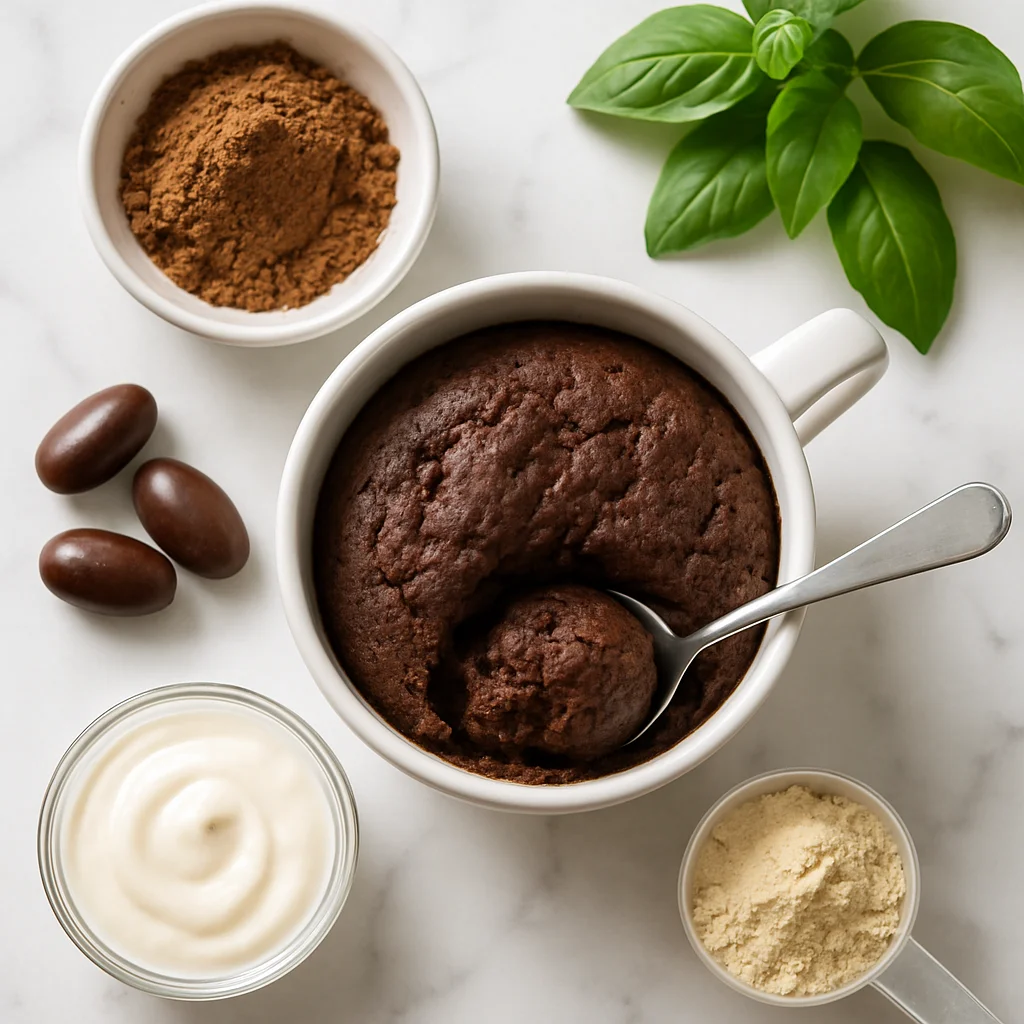
If you have ever craved a warm, gooey chocolate cake at 10pm but refused to blow your entire day of healthy eating on a single dessert, this low calorie chocolate mug cake with protein powder is about to change your life. Seriously. We are talking about a deeply chocolatey, moist, single-serving cake that comes together in one mug, cooks in under two minutes, and delivers a genuinely impressive nutritional profile, around 190 calories, 20 grams of protein, and less than 5 grams of sugar. It tastes indulgent. It feels like a treat. And it is genuinely good for you. That is not something you hear often in the dessert world, but here we are.
Traditional chocolate mug cakes are typically made with all-purpose flour, full-fat butter, whole eggs, and several tablespoons of sugar. A standard version can easily clock in at 400 to 500 calories with minimal protein and almost no fibre. Our version flips that script entirely. By swapping white flour for a combination of chocolate protein powder and a small amount of oat flour, we dramatically increase the protein content while keeping carbohydrates in check. A teaspoon of unsweetened cocoa powder deepens the chocolate flavour without adding calories, and a touch of pure maple syrup provides just enough natural sweetness to satisfy without the blood sugar spike that refined sugar causes.
The secret weapon in this recipe is the protein powder itself. Using a high-quality chocolate whey protein powder or a plant-based chocolate protein blend does double duty here, it acts as both the structural base of the cake and the flavour driver. This means we need far less added sweetener than a traditional recipe, because the protein powder brings its own rich chocolate taste. The result is a cake that is protein-dense, lower in fat, and genuinely filling in a way that a regular mug cake simply is not.
One important note on protein powder selection: use a protein powder whose flavour you already enjoy drinking on its own. Because the protein powder is the dominant flavour component in this recipe, a poor-tasting powder will produce a poor-tasting cake. A good rule of thumb, if you would not enjoy it in a shake, do not bake with it. Chocolate whey isolate tends to produce a slightly fluffier, more cake-like result, while pea protein or other plant-based blends yield a denser, fudgier texture that many people actually prefer.
We also include a single tablespoon of unsweetened almond milk and one large egg white instead of a whole egg. The egg white provides structure and lift without the extra fat from the yolk, keeping our calorie count low while giving the cake its characteristic fluffy-yet-fudgy texture. A tiny pinch of baking powder is essential here, it creates just enough rise to prevent the cake from turning into a dense hockey puck, which is the most common mug cake mistake we see.
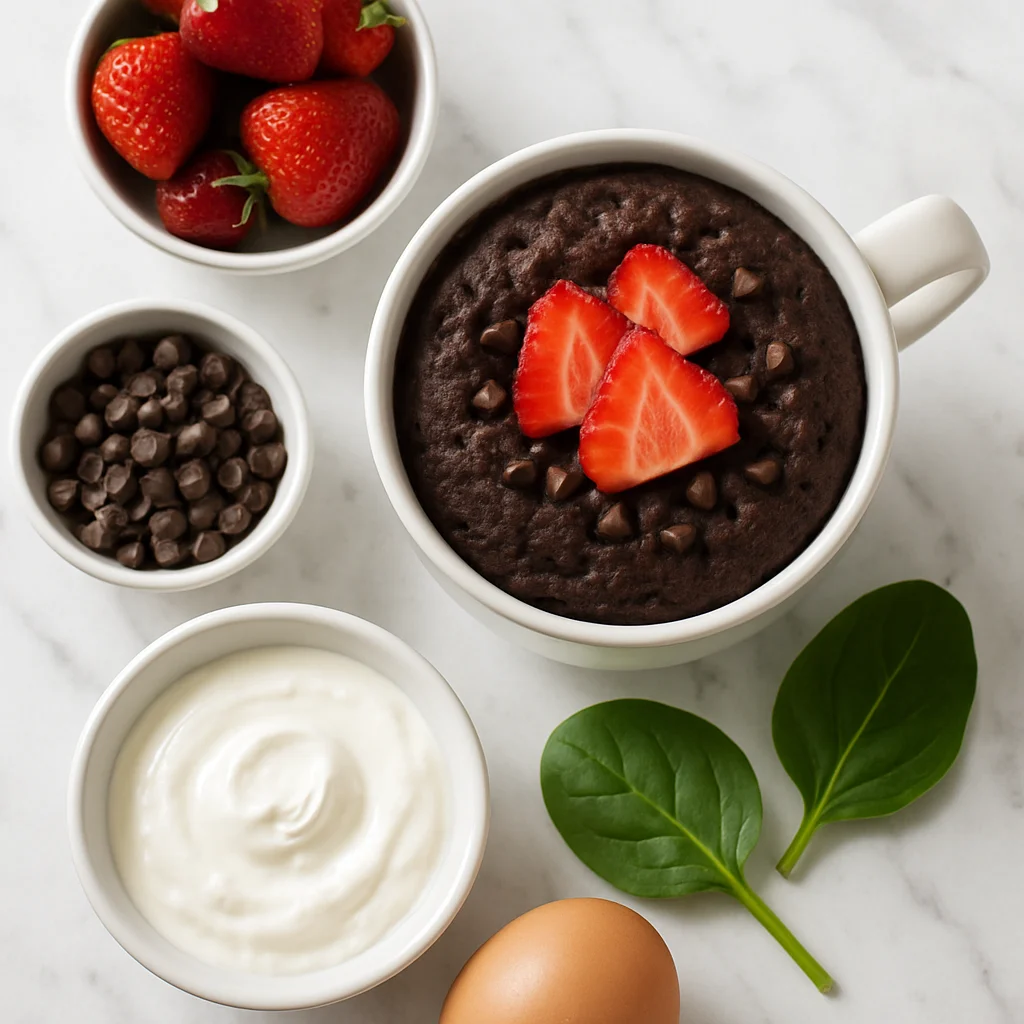
For those who want to add an extra protein hit without meaningfully increasing calories, a simple high-protein frosting made from non-fat Greek yoghurt stirred together with a teaspoon of chocolate protein powder and a pinch of cocoa transforms this from a humble mug cake into something that genuinely looks and tastes like a dessert worth photographing. This trick, popularised by macro-focused food creators, adds roughly 5 to 8 extra grams of protein for fewer than 30 additional calories.
Now, let us talk about why mug cakes in general are such a brilliant concept for health-conscious bakers. Portion control is one of the most powerful tools in maintaining a healthy diet, and baking a single serving eliminates the temptation to cut just one more slice from a full-sized cake. You make exactly what you eat, and you eat exactly what you make. There is no leftover cake sitting on the counter calling your name at midnight. When your chocolate craving hits, and it will, you can satisfy it completely in under three minutes, using ingredients you almost certainly already have in your kitchen.
This recipe is also incredibly versatile. It works beautifully with both whey protein powder and vegan protein blends, making it accessible to a wide range of dietary needs. If you use a plant-based protein powder and swap the egg white for a flax egg, the entire recipe becomes vegan-friendly. If you use certified gluten-free oat flour, it becomes gluten-free. It is also naturally refined sugar-free when made as written, since we use maple syrup as our only sweetener.
For anyone tracking macros or following a higher-protein diet, this mug cake is genuinely exciting. Getting 20 grams of protein from a dessert is remarkable, and it means this cake can reasonably serve as a post-workout snack, a high-protein breakfast in a pinch, or a satisfying late-night treat that will not derail your goals. Pair it with a dollop of non-fat Greek yoghurt for an extra protein boost, or top it with a few fresh raspberries to add natural sweetness and fibre.
We have tested this recipe dozens of times across multiple microwave wattages and with several different protein powder brands to make sure it works reliably. The single most important tip we can offer is this: do not overcook it. Every microwave is different, and the difference between a perfectly moist mug cake and a rubbery, dry one is often just 10 to 15 seconds. Start with 60 seconds, check the texture, and add additional time in 10-second bursts only if needed. The centre should look very slightly underdone when you remove it, it will continue cooking from residual heat and set perfectly within 30 seconds of coming out of the microwave.
Whether you are a fitness enthusiast looking for a smarter dessert, a busy parent who wants a quick chocolate fix, or simply someone trying to eat a little better without giving up the things you love, this low calorie chocolate mug cake with protein powder delivers on every level. Make it tonight. You deserve it.
Ingredients
- 3 tbsp chocolate protein powder (whey isolate or plant-based both work — approx 25g total. Use a flavour you enjoy drinking, as it is the primary flavour driver. Chocolate whey gives a fluffier texture; pea protein gives a denser, fudgier result.)
- 1 tbsp oat flour (use certified gluten-free if needed. Can substitute almond flour for a paleo-friendly, slightly richer version.)
- 1 tsp unsweetened cocoa powder (Dutch-process gives a deeper, smoother chocolate flavour; natural cocoa is slightly more acidic and bright. Either works well here.)
- 1 tsp baking powder (essential for lift — do not skip or the cake will be dense and flat.)
- 1 pinch fine sea salt (enhances and balances the chocolate flavour. Do not omit.)
- 1 large egg white (from a fresh egg or carton egg whites. Provides structure and lift without the extra fat of a whole egg. For vegan version, substitute with a flax egg (1 tbsp ground flaxseed + 2.5 tbsp water, rested 5 minutes).)
- 3 tbsp unsweetened almond milk (or any milk of choice. Oat milk adds a slightly sweeter flavour; soy milk adds a small amount of extra protein. Adjust quantity by a teaspoon if your batter looks too thick or too thin.)
- 1 tsp pure maple syrup (or honey in equal measure. Can omit entirely if your protein powder is already well-sweetened. For a near-zero sugar version, substitute with 2 to 3 drops of liquid stevia.)
- 1 tsp pure vanilla extract (rounds out the chocolate flavour and adds depth. Do not substitute with imitation vanilla if you can avoid it.)
- 1 tsp coconut oil (melted. Adds richness and moisture. Substitute with an equal amount of unsweetened applesauce to reduce fat by approximately 35 calories while keeping the cake moist.)
- 1 tbsp dark chocolate chips (optional but highly recommended. Use 70% cacao or higher for the best flavour with the least sugar. Adds approximately 50 calories. Mini chips distribute more evenly through the batter.)
Instructions
- 1
Choose a microwave-safe mug with a capacity of at least 350ml (12oz). A wider mug is better than a tall narrow one as it promotes even cooking. Lightly spray the inside with a little cooking spray or wipe with a small amount of coconut oil to prevent sticking.
A mug that is too small will cause the batter to overflow as it rises during cooking. If you only have a small mug, fill it no more than halfway with batter and cook any excess separately.
- 2
Add the chocolate protein powder, oat flour, unsweetened cocoa powder, baking powder, and pinch of salt to the mug. Use a small fork or whisk to stir the dry ingredients together until fully combined and no lumps remain.
Mixing the dry ingredients thoroughly first is the single most important step for texture. Pockets of dry protein powder that survive into the finished cake create chalky, unpleasant spots. Take 20 to 30 seconds to do this properly.
- 3
Add the egg white, almond milk, maple syrup, vanilla extract, and melted coconut oil to the mug. Stir everything together vigorously with a fork for about 30 seconds until a smooth, uniform batter forms. Scrape down the sides and bottom of the mug to ensure all the dry ingredients are incorporated.
The batter will be noticeably thicker than typical cake batter — think brownie batter consistency. This is correct and is what gives the mug cake its fudgy texture. If it looks too thick to stir at all, add milk one teaspoon at a time.
- 4
If using chocolate chips, press them gently into the top of the batter or fold a few into the centre for a melty chocolate core.
For a genuinely molten centre, push 4 to 5 chocolate chips directly into the middle of the batter so they are fully submerged. They will melt during cooking and create a gooey core. Mini chips work especially well for this.
- 5
Microwave on HIGH for 60 seconds. Carefully check the texture — the edges should be set and the centre should look just slightly underdone and glossy. If it appears very wet and liquid throughout, microwave in 10-second increments until the centre is just set.
Microwave wattage varies significantly. A 700-watt microwave may need 75 to 85 seconds; a 1200-watt microwave may be done in 50 to 55 seconds. When in doubt, undercook — you can always add 10 more seconds, but you cannot undo an overcooked, rubbery cake.
- 6
Allow the mug cake to rest for 30 seconds after microwaving. The residual heat will finish setting the centre perfectly. Eat directly from the mug or carefully tip onto a small plate. Enjoy immediately while warm.
For an elevated finish, top with a spoonful of non-fat Greek yoghurt mixed with a teaspoon of chocolate protein powder for a high-protein frosting that adds 6 to 8 extra grams of protein. A few fresh raspberries, a dusting of cocoa powder, or a drizzle of nut butter also make excellent toppings.
Nutrition per serving
190kcal
Calories
20g
Protein
14g
Carbs
6g
Fat
3g
Fibre
4g
Sugar
210mg
Sodium
Pro Tips
- ✓
Do not overcook, start checking at 60 seconds and add time in 10-second bursts only if the centre still looks completely liquid. A 1000-watt microwave typically needs 65 to 75 seconds total. Underdone is always better than overdone with mug cakes.
- ✓
Use a protein powder you already enjoy drinking on its own. The protein powder is the primary flavour driver in this recipe, so a poor-tasting powder will produce a poor-tasting cake. Chocolate whey isolate tends to produce fluffier results, while pea protein gives a denser, fudgier texture.
- ✓
For a high-protein frosting that adds roughly 6 to 8 extra grams of protein, stir together 20g of non-fat Greek yoghurt with 1 teaspoon of chocolate protein powder and a tiny pinch of cocoa powder. Spoon over the warm cake immediately before eating.
- ✓
If your batter seems too thick to stir smoothly, add an extra teaspoon of almond milk at a time until it reaches a thick but just-pourable consistency. Different protein powder brands absorb liquid differently, so small adjustments are completely normal.
- ✓
For a richer, deeper chocolate flavour without any extra calories, add a very small pinch of instant espresso powder or instant coffee granules to the dry ingredients. It amplifies the cocoa significantly and makes the cake taste noticeably more indulgent.
- ✓
Applesauce can replace the coconut oil in equal measure to reduce the fat content by approximately 35 calories while keeping the texture moist. This swap is especially useful if you are tracking very lean macros or following a low-fat diet.
Frequently Asked Questions
Variations
- •
Mocha Protein Mug Cake
Add 1 teaspoon of instant espresso powder to the dry ingredients for a rich mocha flavour that amplifies the chocolate and adds a gentle caffeine kick.
- •
Peanut Butter Chocolate Mug Cake
Swirl 1 teaspoon of natural peanut butter into the batter before microwaving for a classic chocolate-peanut butter combination. Adds approximately 30 calories and 1.5g extra protein.
- •
Mint Chocolate Mug Cake
Replace vanilla extract with 1/4 teaspoon peppermint extract for a refreshing mint chocolate chip mug cake. Top with a small handful of crushed dark chocolate.
- •
Double Chocolate Mug Cake
Use 2 teaspoons of cocoa powder instead of one, and press a full tablespoon of dark chocolate chips into the centre for an extra-indulgent, chocolatey version with a gooey molten middle.
- •
Vanilla Protein Mug Cake
Swap chocolate protein powder for vanilla protein powder, omit the cocoa powder, and add 1 tablespoon of blueberries into the batter for a fruity vanilla mug cake alternative.
Substitutions
- •oat flour → almond flour (Use the same quantity. Almond flour makes the cake slightly denser and adds healthy fats. Makes the recipe paleo-friendly.)
- •egg white → flax egg (Mix 1 tbsp ground flaxseed with 2.5 tbsp water and rest 5 minutes before using. Makes the recipe vegan. Texture will be slightly denser.)
- •almond milk → any milk of choice (Cow's milk, oat milk, soy milk, or coconut milk all work. Full-fat versions will add calories but create a richer texture.)
- •maple syrup → honey or liquid stevia (Use honey in equal amounts for a similar flavour. Use 2 to 3 drops of liquid stevia to make the recipe keto-friendly with near-zero sugar.)
- •coconut oil → unsweetened applesauce (Use 1 teaspoon of applesauce in place of coconut oil to reduce fat content and save approximately 35 calories. Cake will be slightly less rich.)
- •chocolate protein powder → vanilla protein powder plus extra cocoa (If you only have vanilla protein powder, use the same quantity and increase cocoa powder to 2 teaspoons to maintain the chocolate flavour.)
🧊 Storage
Mug cakes are best enjoyed immediately after cooking while warm and fresh. If needed, cover with cling film and refrigerate for up to 24 hours. Reheat in the microwave for 20 to 30 seconds before eating. Note that the texture becomes slightly denser after refrigeration.
📅 Make Ahead
Pre-mix the dry ingredients (protein powder, oat flour, cocoa powder, baking powder, salt) and store in a labelled airtight container at room temperature for up to 2 weeks. When craving hits, simply add wet ingredients directly to the mug and cook, saves even more time.