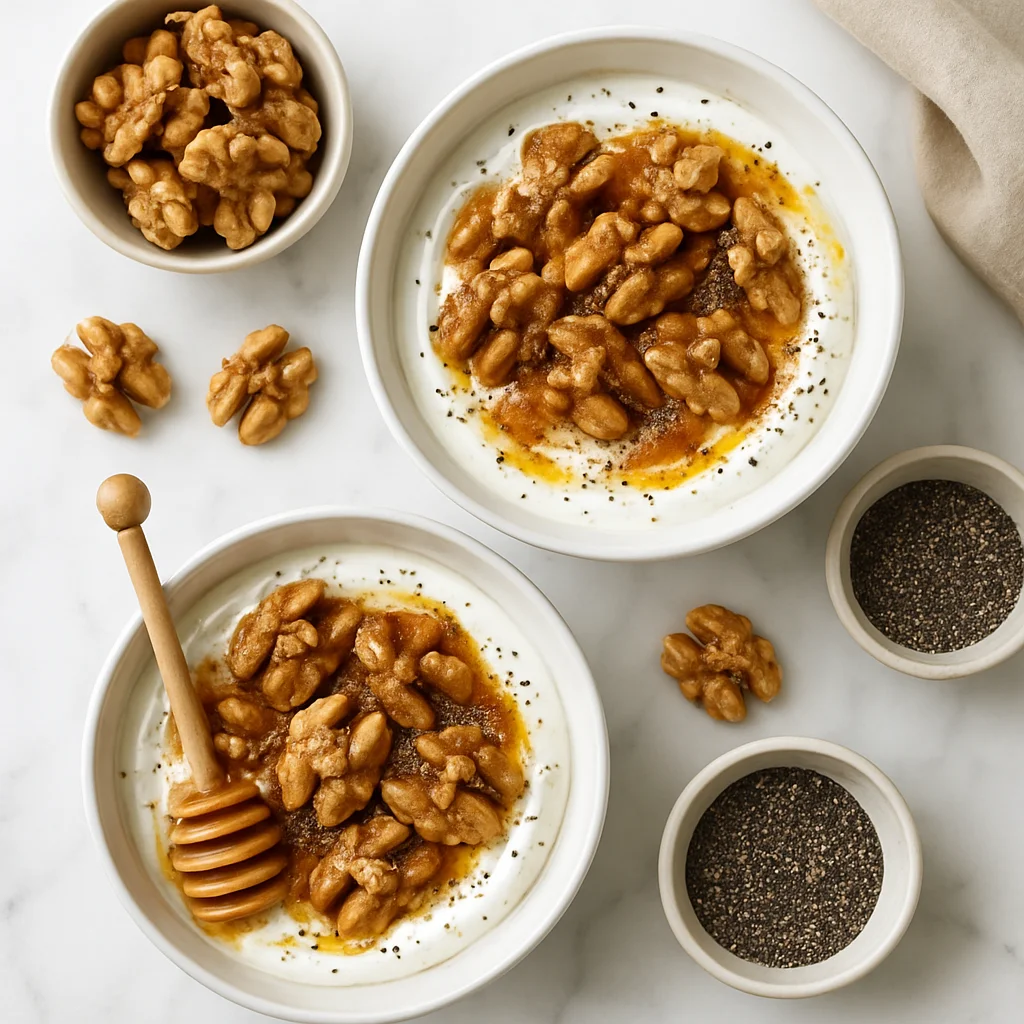
Healthy Baklava Recipe with Honey, Walnuts and Spelt Phyllo
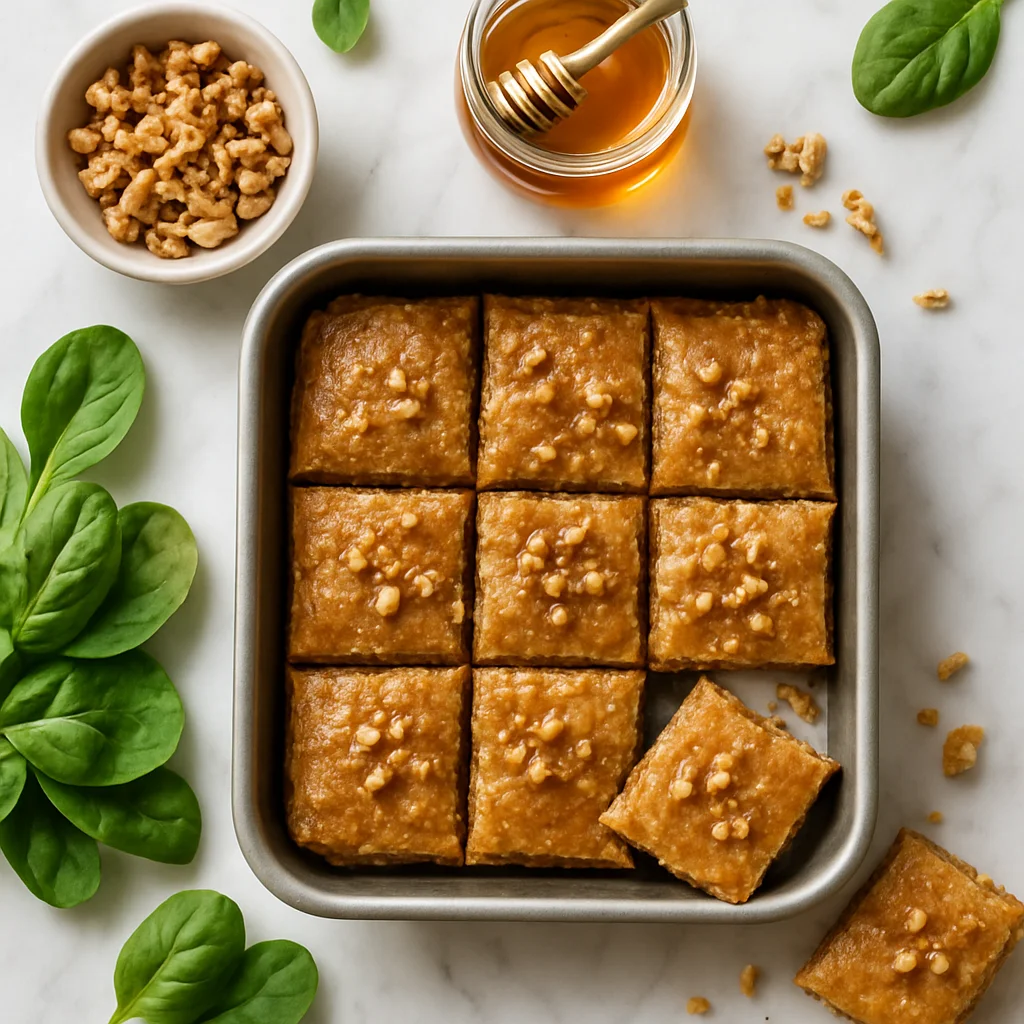
If you have ever wanted to enjoy a proper baklava recipe without the sugar overload that usually follows, this version was made for you. Traditional baklava is gorgeous but notoriously heavy, often soaked in sugar syrup until each piece glistens like a jewel and hits your bloodstream like a freight train. This lighter take keeps everything you love about the original: the crisp, shattering phyllo layers, the fragrant spiced nut filling, and that sticky, aromatic glaze. The difference is in the details. By swapping a refined sugar syrup for a raw honey and orange blossom water glaze, reducing the butter quantity significantly, and loading the filling with fibre-rich walnuts and pistachios, you get a baklava that tastes indulgent without making you regret every bite. It suits home bakers who are calorie-conscious, anyone reducing refined sugar, and anyone who simply wants a dessert they can share proudly knowing it has genuine nutritional value behind its beauty.
The ingredient list is short but every choice is deliberate. Raw honey does double duty here, providing natural sweetness along with antioxidants and trace minerals that refined white sugar simply cannot offer. Walnuts are the star of the nut filling, chosen specifically because they are one of the highest plant-based sources of omega-3 fatty acids and deliver a satisfying creaminess when chopped. Pistachios add colour, a slightly sweet flavour, and a good dose of potassium and B vitamins. A small amount of grass-fed butter is used rather than the traditional generous pour, keeping the fat content in check while still achieving those iconic crispy layers. Ceylon cinnamon and cardamom bring warmth to the filling, and a touch of orange zest lifts everything with brightness. The phyllo pastry sheets used here are standard thin sheets, kept to a moderate layer count of twelve rather than the usual twenty-plus, which cuts calories without sacrificing structure.
The texture of this baklava is genuinely wonderful. The top layers shatter when you bite in, giving way to a chewy, nutty centre that carries warmth from the cinnamon and a gentle floral note from the cardamom. The honey glaze soaks in just enough to soften the lower layers slightly while the top stays crisp, especially if you serve it the day after baking when everything has settled and the flavours have deepened. Cut pieces into small diamonds or rectangles before baking so the syrup can penetrate every layer evenly. Serve at room temperature on a wooden board or a simple white plate alongside a small cup of strong black coffee or mint tea. A light dusting of crushed pistachios on top just before serving adds colour and a little crunch that makes each piece look genuinely special.
From a nutritional standpoint, this baklava recipe comes in at roughly 145 calories per piece compared to the 250 to 300 calories typical of a standard baklava portion. The sugar content per serving sits at around 8 grams rather than the usual 15 to 20 grams found in versions made with full sugar syrups. The walnut and pistachio filling provides around 2 grams of fibre per serving, along with healthy monounsaturated and polyunsaturated fats that support heart health. Using raw honey as the sole sweetener means the glycaemic impact is lower than a white sugar syrup, and the recipe is completely refined sugar free. It is not keto or paleo due to the phyllo pastry, but it is a genuinely lighter, more nourishing take on a classic that has been loved across Middle Eastern and Mediterranean cultures for centuries. Make it for a dinner party, a celebration, or simply because you deserve something beautiful that also happens to be good for you.
Ingredients
- 12 sheets phyllo pastry (thawed overnight in the fridge if frozen, kept under a damp tea towel while working)
- 150 g walnut halves (roughly chopped, not too fine)
- 100 g shelled pistachios (unsalted, roughly chopped, plus extra for garnish)
- 1.5 tsp ground Ceylon cinnamon
- 0.5 tsp ground cardamom
- 1 tsp finely grated orange zest (from an unwaxed orange)
- 1 tbsp coconut sugar (mixed into the nut filling for a touch of caramel depth)
- 55 g grass-fed unsalted butter (melted, used sparingly between layers)
- 1 tbsp light olive oil or melted coconut oil (combined with butter to stretch it further and reduce saturated fat)
- 120 ml raw honey (good quality, runny variety works best)
- 60 ml water
- 1 tbsp fresh lemon juice
- 1 tsp orange blossom water (add after removing syrup from heat)
- 0.3 tsp vanilla extract (pure, not imitation)
Instructions
- 1
Take the phyllo pastry out of the fridge 30 minutes before starting. Keep the sheets covered with a lightly damp clean tea towel as you work to stop them drying out and cracking.
Phyllo dries very quickly at room temperature. Even a few minutes exposed to air can make the sheets brittle and difficult to handle.
- 2
Preheat your oven to 170 degrees Celsius (fan) or 190 degrees Celsius conventional. Lightly grease a 20x30cm baking tin with a little of the melted butter and oil mixture.
- 3
Add the chopped walnuts and pistachios to a bowl. Mix in the cinnamon, cardamom, orange zest and coconut sugar. Stir well so the spices coat every piece of nut evenly.
Taste the nut mixture at this stage. You want it warmly spiced and very lightly sweet since the honey glaze will add more sweetness later.
- 4
Combine the melted butter and olive oil in a small bowl. Using a pastry brush, lay 4 sheets of phyllo into the base of the tin, brushing each one very lightly with the butter and oil mixture before adding the next. Use the minimum amount needed to coat each sheet in a thin, even layer.
Brushing too generously at this stage is where most of the excess calories in traditional baklava come from. A light hand here makes a real difference.
- 5
Spread half of the nut mixture evenly over the phyllo base. Press it down gently with your fingers so it forms a compact, even layer.
- 6
Layer 4 more phyllo sheets on top of the nuts, again brushing each layer lightly with the butter and oil mixture. Spread the remaining nut mixture over these layers.
- 7
Add the final 4 phyllo sheets on top, brushing lightly between each one and finishing with a final light brush on the top sheet. Tuck any overhanging edges down the sides of the tin.
The top layer benefits from a slightly more generous brush to help it colour and crisp up nicely in the oven.
- 8
Using a very sharp knife, score the baklava into diamond shapes or rectangles, cutting all the way through to the bottom. This is essential as it allows the honey syrup to soak into every layer after baking.
Dip your knife in warm water between cuts to get cleaner lines. Do not skip pre-cutting as trying to slice after baking will shatter the crispy top.
- 9
Bake in the preheated oven for 35 to 40 minutes until the top is deeply golden and the layers look crisp and set. Check at 30 minutes as ovens vary.
- 10
While the baklava bakes, make the honey glaze. Combine the honey, water and lemon juice in a small saucepan over medium heat. Stir gently and bring to a simmer. Let it cook for 4 to 5 minutes until slightly thickened, then remove from the heat. Stir in the orange blossom water and vanilla extract.
Do not boil the honey aggressively as high heat degrades its beneficial enzymes. A gentle simmer is all you need.
- 11
As soon as the baklava comes out of the oven, pour the warm honey glaze slowly and evenly over the hot pastry. You will hear it sizzle and absorb into the cuts. Pour gradually, following the score lines.
The contrast of hot baklava meeting warm syrup helps it soak in evenly. Avoid pouring cold syrup onto hot baklava or vice versa as this can make the pastry go soggy.
- 12
Scatter a small handful of finely chopped pistachios over the top immediately while the syrup is still sticky. Allow the baklava to cool completely in the tin at room temperature for at least one hour before serving.
Resist the urge to refrigerate for cooling as this can cause condensation and soften the pastry.
Nutrition per serving
145kcal
Calories
3g
Protein
14g
Carbs
9g
Fat
2g
Fibre
8g
Sugar
55mg
Sodium
Pro Tips
- ✓
Keep phyllo under a damp tea towel at all times while assembling to prevent cracking.
- ✓
Use a light touch with the butter and oil. Less is genuinely more here and reduces the calorie count significantly.
- ✓
Always score before baking and pour syrup immediately after the baklava exits the oven.
- ✓
Raw honey retains more nutrients than processed honey and has a more complex flavour that works beautifully in the glaze.
- ✓
This baklava tastes even better the day after baking once the syrup has fully absorbed and the flavours have settled.
- ✓
For extra crunch, toast the walnuts and pistachios in a dry pan for 3 minutes before chopping and adding to the filling.
Frequently Asked Questions
Variations
- •
Pistachio and Rose Water Baklava
Replace the walnuts entirely with pistachios and swap the orange blossom water in the glaze for rose water. Add a pinch of ground nutmeg to the filling alongside the cardamom for a Persian-inspired version.
- •
Pecan and Maple Baklava
Swap walnuts for pecans and replace half the honey in the glaze with pure maple syrup. The maple adds a warm caramel depth that pairs beautifully with the cinnamon. Skip the cardamom and add a pinch of ground ginger instead.
- •
Vegan Baklava
Replace the butter and oil mixture with melted coconut oil only, using the same light brushing technique. Swap the honey for pure maple syrup or agave nectar in the glaze. The result is fully vegan and still wonderfully crispy and flavourful.
- •
Chocolate Walnut Baklava
Add 2 tablespoons of raw cacao powder to the nut filling mixture along with the spices. Drizzle the finished baklava with a little melted dark chocolate instead of pistachio garnish. A grown-up, slightly bitter twist that works beautifully.
Substitutions
- •Grass-fed butter → Melted coconut oil (Use the same quantity. Coconut oil gives a very slightly different flavour but produces equally crispy layers. This also makes the recipe dairy free.)
- •Raw honey → Pure maple syrup or agave nectar (Use the same volume. Maple syrup adds a different but equally lovely flavour and makes the recipe vegan.)
- •Walnuts → Pecans or almonds (Pecans offer a similar buttery richness. Almonds provide a firmer texture and slightly lower fat content per gram.)
- •Orange blossom water → Rose water or fresh orange juice (Use the same amount of rose water. If using fresh juice, increase to 1.5 tablespoons as the flavour is less concentrated.)
- •Phyllo pastry → Gluten-free phyllo pastry sheets (Available in specialist health food shops and some large supermarkets. Handle gently as gluten-free versions can be slightly more fragile.)
- •Coconut sugar → Date sugar or omit entirely (The coconut sugar in the filling adds a light caramel note but the baklava is still delicious without it if you want to reduce sugar further.)
🧊 Storage
Store the fully cooled baklava in an airtight container at room temperature for up to 5 days. Do not refrigerate as the cold air softens the phyllo and dulls the crisp texture. If your kitchen is very warm, a cool pantry or cupboard works well. Layer pieces with baking paper if stacking to prevent them sticking together.
📅 Make Ahead
This baklava recipe is ideal for making ahead. Bake and glaze the baklava up to 2 days before serving and store at room temperature covered loosely with foil or in an airtight container. The flavour deepens and improves considerably overnight, making it a reliable choice for dinner parties or gifting.
More Greek Desserts Recipes
Healthy Koulourakia Greek Easter Cookies with Spelt and Orange
Healthy Loukoumades Greek Honey Donuts with Spelt and Raw Honey
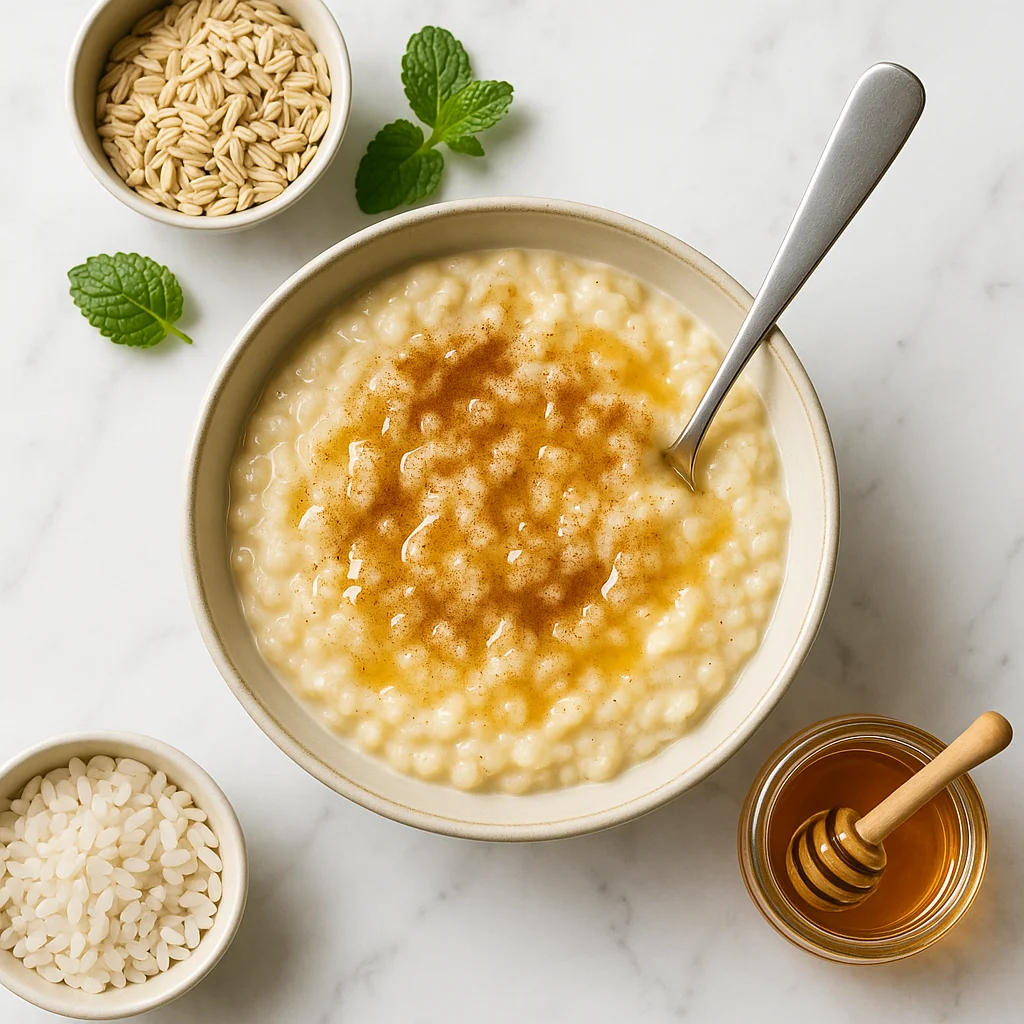
Healthy Rizogalo Greek Rice Pudding with Oat Milk and Honey