Healthy Irish Barmbrack Traditional Recipe with Wholemeal Flour and Less Sugar
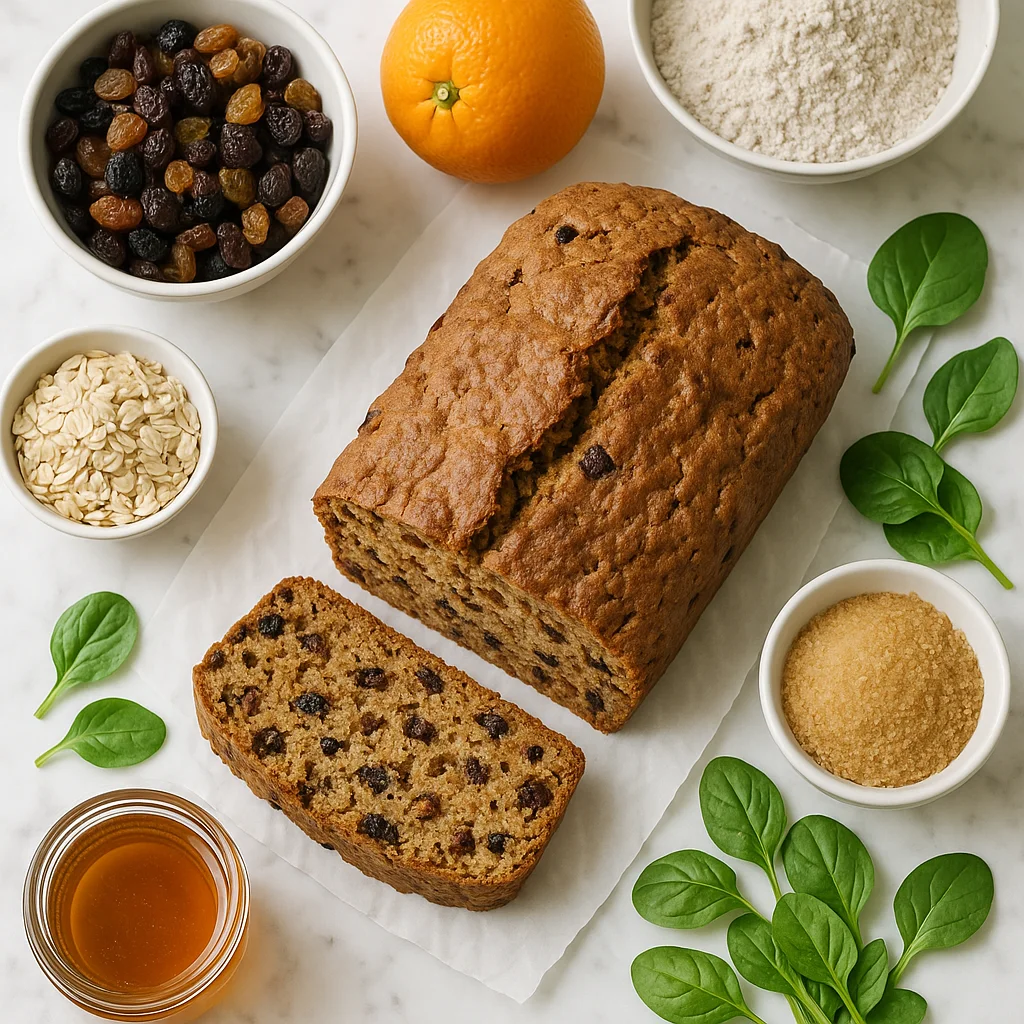
There is something deeply comforting about a warm slice of Irish barmbrack, and this healthier version honours that tradition without piling on refined sugar or white flour. This recipe is built for anyone who loves the idea of a traditional Irish barmbrack but wants a loaf that actually supports their health goals rather than derailing them. The result is a moist, fruit-packed bread with genuine Irish soul, a lighter crumb, and a nutritional profile that would genuinely surprise you. It sits beautifully at the crossroads of heritage baking and mindful eating, making it ideal for those who refuse to choose between flavour and wellbeing.
The ingredient list is where this recipe earns its healthy credentials. Wholemeal spelt flour forms the base, bringing a nutty depth of flavour alongside a meaningful fibre boost compared to refined white flour. Coconut sugar replaces standard caster sugar, providing a lower glycaemic sweetness with subtle caramel notes that complement the dried fruit perfectly. The fruit itself, a generous mix of sultanas, dried currants and chopped dried apricots, is soaked overnight in strong black tea rather than whiskey, which plumps the fruit beautifully and infuses every bite with warmth. A single egg binds the loaf, while a small amount of melted coconut oil keeps things moist without the saturated fat load of butter. Ground cinnamon, mixed spice and a pinch of freshly grated nutmeg round out the classic barmbrack flavour, keeping the recipe true to its roots while skipping nothing in the aromatics department. A little black treacle adds a hint of bitterness and iron, tying everything together in the most satisfying way.
Once baked, this loaf has a wonderfully dense yet tender crumb, generously speckled throughout with jewel-like pieces of plumped fruit. The crust turns a deep golden brown, and the kitchen will smell absolutely incredible for hours. Sliced thin, it is excellent eaten warm with a scrape of almond butter or a drizzle of raw honey, though it is honestly good enough to enjoy completely plain. As it cools and rests overnight the flavours deepen considerably, so it is well worth making a day ahead. For a festive Halloween twist, you can tuck a small washed coin or a ring wrapped in baking paper into the dough before baking, as Irish tradition calls for, creating a joyful moment of discovery at the table. Equally, a few slices toasted under the grill and served alongside a strong cup of Irish breakfast tea is a simple pleasure that feels genuinely special.
From a dietary perspective, each slice delivers around 4 grams of fibre thanks to the wholemeal spelt flour and dried fruit, which is considerably higher than most commercial or homemade barmbrack versions. The total sugar per slice is kept well below that of a traditional loaf by leaning on the natural sweetness of the fruit and using coconut sugar sparingly. The calorie count per slice sits at a moderate level that makes this genuinely snack-friendly rather than an occasional treat. Spelt flour also contains a broader range of amino acids compared to wheat, and the dried apricots contribute a useful hit of potassium and beta-carotene. The tea soak means no added alcohol, making this recipe completely suitable for children and those avoiding alcohol. It is not gluten-free due to the spelt flour, but it is dairy-free, egg-light and refined-sugar-free, ticking a range of dietary boxes that the traditional version simply cannot. If you are looking for a bake that connects you to Irish food culture while genuinely taking care of your body, this is the loaf to make.
Ingredients
- 300 g sultanas (or a mix of sultanas and raisins)
- 100 g dried currants
- 80 g dried apricots (finely chopped)
- 300 ml strong black tea (cooled, brewed from 2 tea bags)
- 280 g wholemeal spelt flour (plus extra for dusting)
- 1 tsp baking powder (level)
- 0.5 tsp bicarbonate of soda
- 1.5 tsp ground cinnamon
- 1 tsp mixed spice
- 0.3 tsp freshly grated nutmeg
- 70 g coconut sugar (or light brown sugar for a less intense flavour)
- 1 tbsp black treacle (or molasses)
- 1 large free-range egg (lightly beaten)
- 2 tbsp melted coconut oil (slightly cooled)
- 1 tsp vanilla extract
- 1 tbsp warm water (to loosen the batter if needed)
Instructions
- 1
Place the sultanas, currants and chopped dried apricots into a large mixing bowl. Pour the cooled strong black tea over the fruit, stir briefly, then cover the bowl with a clean tea towel or cling film. Leave to soak at room temperature for at least 8 hours, or overnight for best results. The fruit will plump up dramatically and absorb most of the liquid.
Do not skip the overnight soak. It is what makes the crumb moist and keeps the loaf tender without needing extra fat or sugar.
- 2
When you are ready to bake, preheat your oven to 170 degrees Celsius, fan setting, or 180 degrees Celsius conventional. Grease a 900g loaf tin generously with a little coconut oil and line the base and two long sides with a strip of baking paper, leaving an overhang to help you lift the loaf out later.
- 3
In a separate large bowl, whisk together the wholemeal spelt flour, baking powder, bicarbonate of soda, ground cinnamon, mixed spice and nutmeg. Make sure the raising agents are evenly distributed throughout the flour before you add any wet ingredients.
Whisking the dry ingredients together rather than just stirring helps avoid pockets of bicarbonate of soda in the finished loaf.
- 4
Add the coconut sugar, black treacle, beaten egg, melted coconut oil and vanilla extract to the soaked fruit and stir everything together well until the treacle is fully incorporated. The mixture will look dark and sticky at this point.
- 5
Pour the wet fruit mixture into the bowl of dry ingredients. Stir gently with a large spoon or spatula until just combined. The batter will be quite thick and heavy. If it feels too stiff to fold together easily, add the tablespoon of warm water to bring it together. Avoid over-mixing, as this can make the loaf dense.
A few streaks of flour in the batter are absolutely fine at this stage. They will disappear during baking.
- 6
Spoon the batter into your prepared loaf tin and smooth the surface gently with the back of a damp spoon. Give the tin a gentle tap on the counter to settle the mixture and remove any air pockets.
- 7
Bake in the centre of the preheated oven for 55 to 65 minutes, until the loaf is deep golden brown on top and a skewer inserted into the centre comes out clean. If the top begins to colour too quickly after 40 minutes, lay a loose sheet of foil over it for the remaining baking time.
Ovens vary considerably, so start checking at the 55 minute mark. The loaf should feel firm and springy when you press the centre lightly.
- 8
Remove the tin from the oven and leave the loaf to cool in the tin for 15 minutes before lifting it out using the baking paper overhang. Transfer to a wire rack and allow to cool completely before slicing. The loaf will be very moist and fragile when warm, so patience is rewarded here.
The flavour genuinely improves after resting overnight, wrapped loosely in baking paper on the counter.
Nutrition per serving
195kcal
Calories
5g
Protein
35g
Carbs
5g
Fat
4g
Fibre
18g
Sugar
115mg
Sodium
Pro Tips
- ✓
Use the strongest black tea you can brew for the fruit soak. A robust breakfast tea or an Irish blend works best and adds subtle tannin complexity to the loaf.
- ✓
Chop the dried apricots into small pieces roughly the same size as a sultana so the fruit is evenly distributed throughout the crumb.
- ✓
Do not be tempted to add more coconut sugar than the recipe calls for. The dried fruit provides a large amount of natural sweetness once it has been tea-soaked.
- ✓
If your treacle has hardened, warm the jar briefly in a bowl of hot water before measuring it out. It will slide off the spoon much more easily.
- ✓
For a beautiful shiny top, brush the baked loaf with a light coating of warm honey or a diluted maple syrup glaze as soon as it comes out of the oven.
- ✓
Spelt flour absorbs liquid differently to standard wheat flour, so always measure by weight rather than volume for consistent results.
- ✓
This loaf is best sliced when fully cool or even the next day. Warm slices tend to crumble due to the high fruit content.
Frequently Asked Questions
Variations
- •
Whiskey-Soaked Version
Replace half the tea in the fruit soak with 150ml of Irish whiskey for a more traditional adult-friendly depth of flavour. The whiskey adds a warming, slightly smoky undertone that pairs wonderfully with the cinnamon and mixed spice.
- •
Orange and Cranberry Barmbrack
Swap the dried currants for dried cranberries and add the zest of one large orange to the batter along with 50ml of fresh orange juice mixed into the tea soak. The citrus lifts the entire loaf and creates a bright, festive flavour profile.
- •
Seed-Topped Fibre Boost
Before baking, scatter a tablespoon of mixed seeds, such as pumpkin, sunflower and sesame, across the surface of the loaf for added crunch, healthy fats and an extra fibre boost. Press them in gently so they adhere during baking.
- •
Vegan Barmbrack
Replace the single egg with a flax egg made from one tablespoon of ground flaxseed mixed with three tablespoons of water, left to gel for 5 minutes. The loaf will be slightly denser but still wonderfully moist and completely plant-based.
Substitutions
- •Wholemeal spelt flour → Wholemeal wheat flour (Use the same quantity. The loaf will be slightly denser and less nutty in flavour but will work perfectly well.)
- •Coconut sugar → Light brown sugar or date sugar (Use the same quantity. Date sugar adds extra fibre and a fudgier sweetness while light brown sugar gives a more familiar flavour.)
- •Coconut oil → Light olive oil or sunflower oil (Use the same quantity. Light olive oil has a neutral enough flavour not to interfere with the spices.)
- •Black treacle → Molasses or dark maple syrup (Molasses is the closest substitute and gives an almost identical depth of flavour. Dark maple syrup works but produces a slightly sweeter, less bitter result.)
- •Dried apricots → Dried figs or dried dates (Both work well and add natural sweetness. Remove the stones from dates and chop finely before adding. Figs add a slightly jammy, seedy texture that is lovely.)
- •Egg → Flax egg (1 tbsp ground flaxseed plus 3 tbsp water) (Leave the mixture to gel for 5 minutes before using. The loaf will be slightly more compact but remains moist thanks to the tea-soaked fruit.)
🧊 Storage
Store the cooled loaf wrapped in baking paper and then loosely in a clean tea towel at room temperature for up to 4 days. Alternatively, slice the loaf and freeze individual slices in a zip-lock bag for up to 3 months. Frozen slices toast from frozen beautifully, making them ideal for a quick breakfast.
📅 Make Ahead
This loaf is genuinely better made a day ahead. Bake it the day before you plan to serve it, allow it to cool completely, then wrap it in baking paper and leave it at room temperature overnight. The flavours meld and deepen considerably with resting time, and the crumb firms up to a perfect slicing consistency. The fruit soak also needs to happen overnight, so factor in roughly 20 hours from start to finish.
More Irish Desserts Recipes
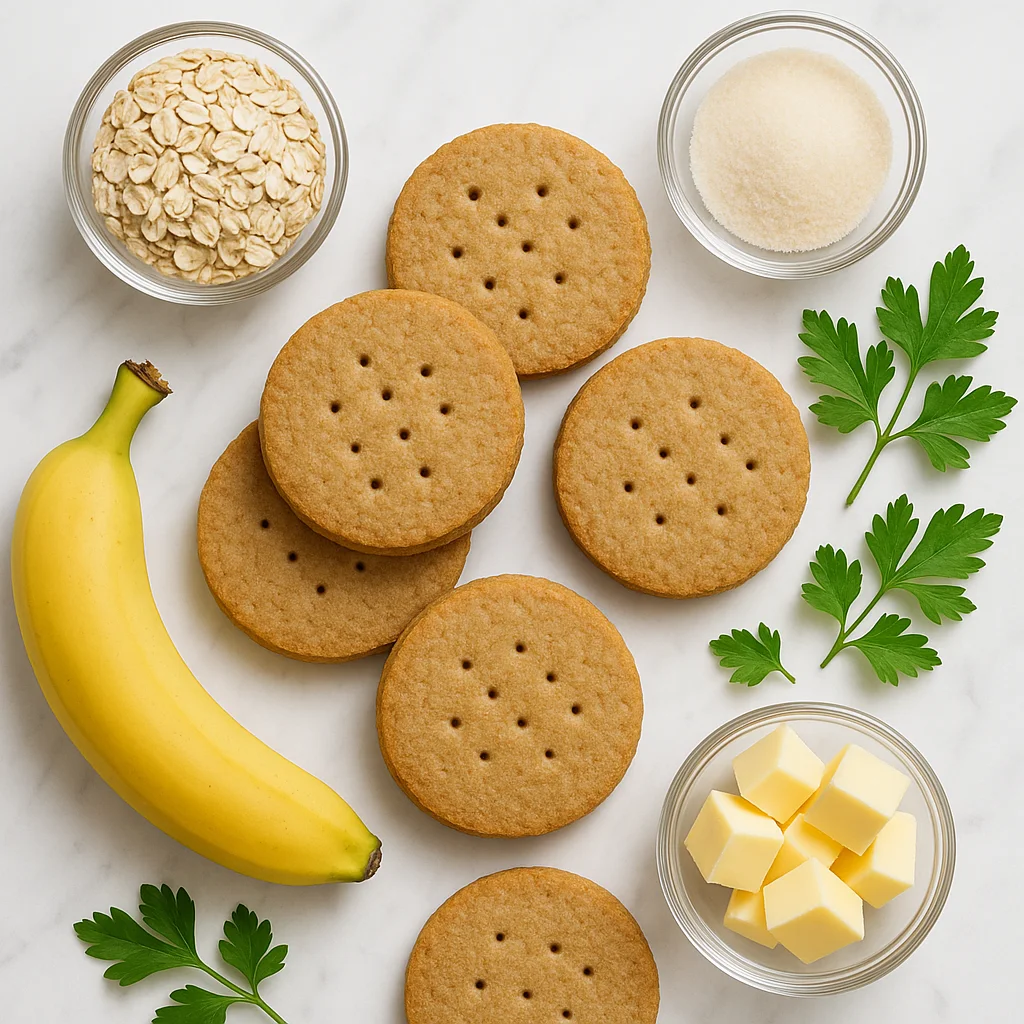
Healthy Irish Shortbread Cookies 5 Ingredient Recipe (Lower Sugar)
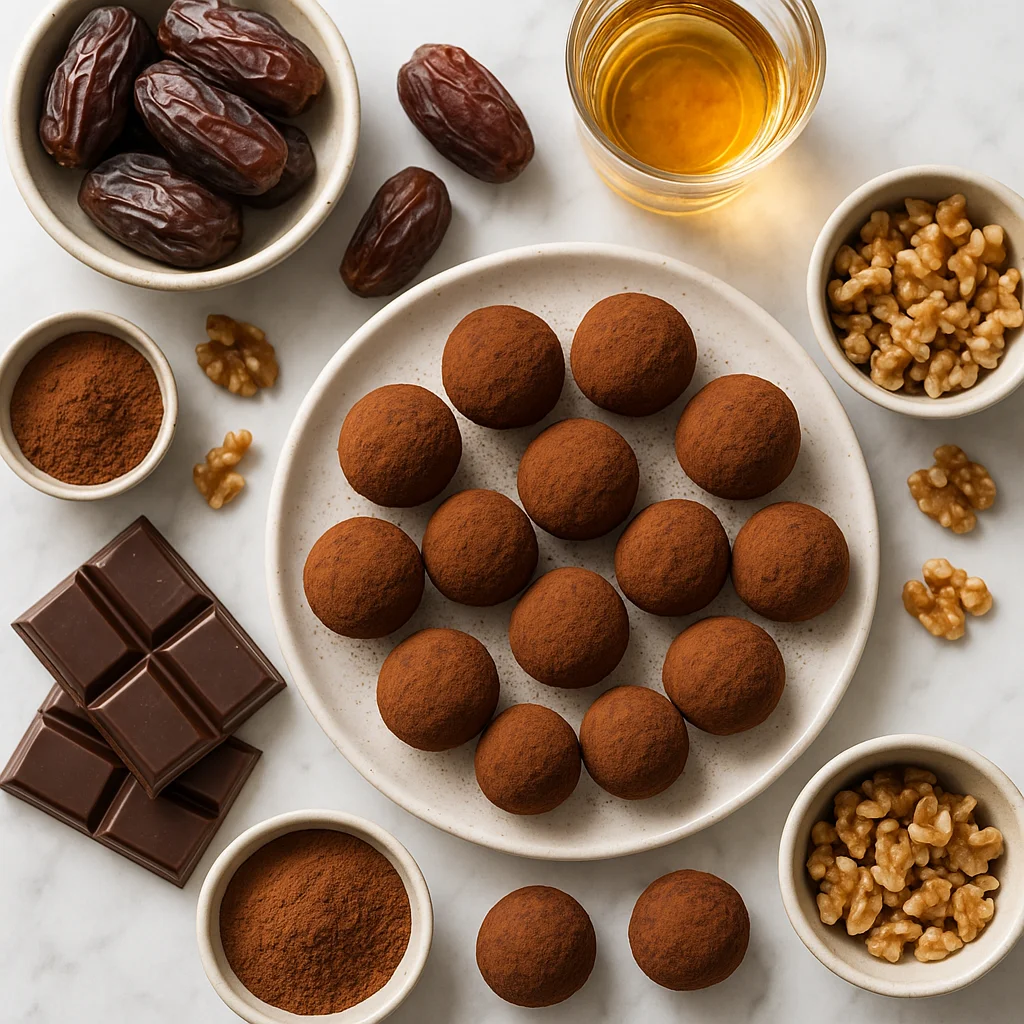
Healthy Irish Whiskey Truffles Homemade with Dark Chocolate and Dates
Irish Oat Flapjacks No Refined Sugar with Honey and Dates