Healthy Irish Shortbread Cookies 5 Ingredient Recipe (Lower Sugar)
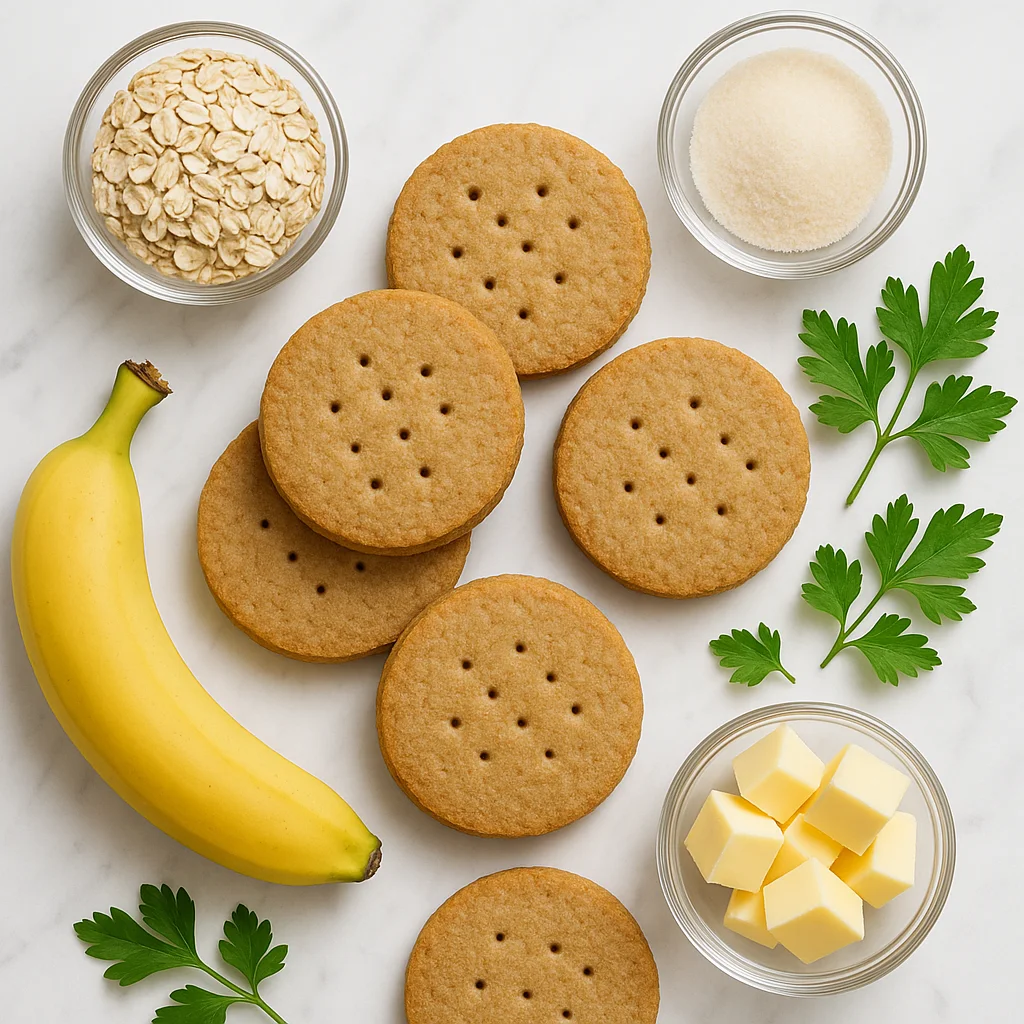
If you have been searching for a genuinely lighter take on the classic, these healthy Irish shortbread cookies are exactly what your biscuit tin needs. Made with just five simple ingredients, this recipe strips things right back to what shortbread has always been about: good butter, a gentle sweetness, and a melt-in-your-mouth crumb. The difference here is that every ingredient has been chosen with your health in mind. Less sugar, more fibre, and a texture so satisfying you will not miss the original for a second. This is the kind of recipe a nutritionist friend would actually bake on a Sunday afternoon and share with zero guilt.
The five ingredients doing all the heavy lifting here are grass-fed butter, oat flour, coconut sugar, vanilla extract, and a small pinch of fine sea salt. Grass-fed butter brings that rich, unmistakably Irish dairy flavour that makes traditional shortbread so beloved, and it also delivers fat-soluble vitamins that regular supermarket butter simply cannot match. Oat flour is the real star of the health upgrade. It adds a lovely nuttiness, significantly more fibre than plain white flour, and a naturally soft crumb that holds together beautifully without any eggs or leavening agents. Coconut sugar steps in for refined white sugar, providing a lower glycaemic index sweetness with a faint caramel note that actually complements the butter rather than fighting it. Vanilla extract ties everything together with warmth, and a pinch of sea salt sharpens all those flavours in the way that only salt can.
The texture of these cookies is genuinely wonderful. They are slightly crumbly at the edges, dense through the centre, and they dissolve on your tongue in that classic shortbread way. The oat flour gives a very subtle chewiness that you would not get from all-purpose flour, and it makes the cookies feel a little more substantial. They are not crispy like a biscuit and not cakey like a scone. They sit in their own category, which is exactly where shortbread belongs. Serve them alongside a strong cup of Irish breakfast tea, arrange them on a plate for a St. Patrick's Day gathering, or simply keep a batch in the tin for afternoon moments when something sweet and honest is just what you need. A light dusting of coconut sugar on top before baking adds a little sparkle without loading on extra calories.
From a nutritional standpoint, each cookie comes in well under 150 calories and contains a meaningful amount of fibre from the oat flour. Coconut sugar means the sugar content per cookie is noticeably lower than a traditional shortbread, and the absence of any refined flour keeps the glycaemic load modest. These cookies are also egg-free by nature, just like traditional shortbread, making them suitable for those with egg allergies. The recipe is refined-sugar-free and can be made dairy-free with a good quality plant-based butter if needed. For anyone following a diet that focuses on whole-food ingredients and minimal processing, this five-ingredient Irish shortbread fits beautifully without any awkward compromises. Baking healthy does not have to mean sacrificing flavour or tradition. Sometimes it just means choosing slightly better versions of the same ingredients you already love.
Ingredients
- 225 g unsalted grass-fed butter (softened to room temperature, not melted)
- 75 g coconut sugar (plus a little extra for dusting tops before baking)
- 1 tsp pure vanilla extract (use a good quality extract for best flavour)
- 280 g oat flour (certified gluten-free oat flour if needed, spooned and levelled)
- 0.3 tsp fine sea salt
Instructions
- 1
Take your butter out of the fridge at least 45 minutes before you begin. It needs to be genuinely soft so it creams properly. Preheat your oven to 160 degrees Celsius, or 140 degrees fan. Line two baking trays with parchment paper and set them aside.
Soft butter is the single most important step here. If your butter is too cold the dough will be crumbly and hard to shape. If it is too warm the cookies will spread too much.
- 2
Add the softened butter and coconut sugar to a large mixing bowl. Beat together with a wooden spoon or hand mixer on medium speed for about 3 to 4 minutes until the mixture is pale, fluffy and well combined. Scrape down the sides of the bowl halfway through.
Coconut sugar does not dissolve as readily as white sugar, so creaming for the full time is important to avoid a grainy texture in the finished cookie.
- 3
Add the vanilla extract to the creamed butter and sugar. Stir it through gently until just incorporated.
- 4
Sift the oat flour and sea salt directly into the bowl. Using your wooden spoon first, then your hands, bring the dough together with a gentle pressing motion. Do not overwork it. Stop mixing as soon as a cohesive dough has formed. It will feel slightly soft.
Overworking the dough develops gluten in regular flour but with oat flour the risk is a greasy, dense cookie. Mix just until it comes together.
- 5
Shape the dough into a flat disc, wrap it in parchment or cling film, and refrigerate for 30 minutes. Chilling firms up the butter and helps the cookies hold their shape in the oven.
You can chill the dough for up to 24 hours if you are preparing ahead.
- 6
Remove the dough from the fridge and place it between two sheets of parchment paper. Roll it out to roughly 8 mm thickness. Cut into rounds or rectangles using a 6 cm cutter, re-rolling any scraps gently. Place the cut cookies onto your prepared trays with a small gap between each one.
Oat flour dough is slightly more fragile than regular shortbread dough. Using the two sheets of parchment to roll means you avoid adding extra flour and the dough lifts cleanly.
- 7
Dust each cookie lightly with a pinch of coconut sugar. Bake in the preheated oven for 16 to 18 minutes until the edges are just barely turning golden. The centres will look slightly underdone but they firm up as they cool.
Watch them closely from the 15 minute mark. Oat flour cookies can go from perfectly golden to over-baked quickly because of the natural sugars in oats.
- 8
Remove the trays from the oven and leave the cookies to cool completely on the trays before lifting. They are fragile when warm. Once fully cooled they become firm, crisp at the edges and tender in the centre.
Resist moving them too soon. Give them at least 20 minutes on the tray before transferring to a wire rack.
Nutrition per serving
128kcal
Calories
1.8g
Protein
12.4g
Carbs
8.1g
Fat
1.2g
Fibre
4.1g
Sugar
38mg
Sodium
Pro Tips
- ✓
Room temperature butter is non-negotiable for a smooth, workable dough. Plan ahead.
- ✓
Weigh your oat flour rather than scooping from the bag to avoid using too much, which makes the cookies dry.
- ✓
If your dough feels sticky after mixing, chill it for an extra 10 minutes before rolling.
- ✓
For a St. Patrick's Day touch, press a shamrock cookie stamp into each round before baking.
- ✓
These cookies are intentionally not very sweet. If you prefer a slightly sweeter result, increase coconut sugar to 90g.
- ✓
Bake on the middle shelf of your oven for the most even heat distribution.
Frequently Asked Questions
Variations
- •
Lemon and Poppy Seed
Add the finely grated zest of one unwaxed lemon and 1 teaspoon of poppy seeds to the dough along with the vanilla. The citrus cuts through the richness beautifully and adds a bright, spring flavour.
- •
Cardamom and Orange
Replace the vanilla extract with half a teaspoon of ground cardamom and add the zest of half an orange. This warming spice combination gives the cookies an elegant, slightly exotic edge.
- •
Dark Chocolate Dipped
Once baked and fully cooled, dip one half of each cookie into melted 85% dark chocolate. Set on parchment until the chocolate is firm. Adds indulgence while keeping the recipe relatively low in sugar.
- •
Rosemary and Sea Salt
Stir 1 teaspoon of very finely chopped fresh rosemary into the dough. Before baking, top each cookie with a few flakes of sea salt. The savoury herbal note against the buttery base is surprisingly addictive.
Substitutions
- •Coconut sugar → Maple sugar or light muscovado sugar (Both work at the same quantity. Maple sugar gives a slightly lighter flavour. Muscovado adds a deeper molasses note.)
- •Oat flour → Whole wheat pastry flour (Use the same weight. Whole wheat pastry flour is lower in fibre than oat flour but still healthier than plain white flour. The texture will be very slightly denser.)
- •Unsalted butter → Block-style vegan butter (Use a solid block vegan butter for best results. Avoid soft spreadable margarines as the extra water content will make the dough greasy and the cookies may not hold their shape.)
- •Vanilla extract → Almond extract (Use only half a teaspoon as almond extract is more intense. It gives a lovely marzipan note that works really well with the oat flour base.)
🧊 Storage
Store cooled cookies in an airtight tin or container at room temperature for up to 7 days. Keep them away from moisture as this softens the texture. For longer storage, layer between sheets of parchment in a freezer-safe container and freeze for up to 2 months. Thaw at room temperature for about 30 minutes before serving.
📅 Make Ahead
The dough can be made up to 24 hours in advance and kept wrapped in the fridge. Alternatively, freeze the unbaked dough disc for up to 6 weeks. Baked cookies can also be frozen in a single layer, then transferred to a container once solid.
More Irish Desserts Recipes
Healthy Irish Whiskey Truffles Homemade with Dark Chocolate and Dates
Irish Oat Flapjacks No Refined Sugar with Honey and Dates
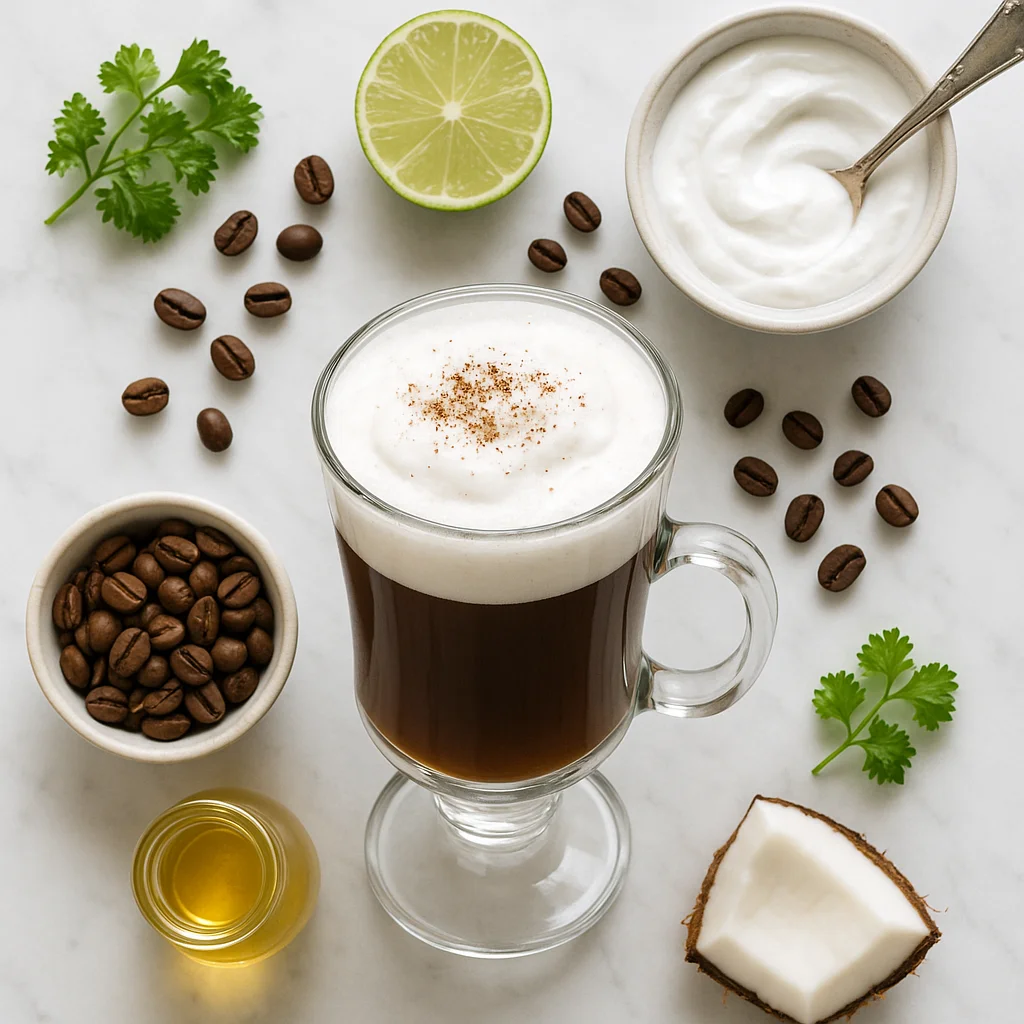
Healthy Irish Coffee Traditional Recipe with Coconut Cream