Healthy German Plum Cake Pflaumenkuchen Recipe with Spelt and Oat Streusel
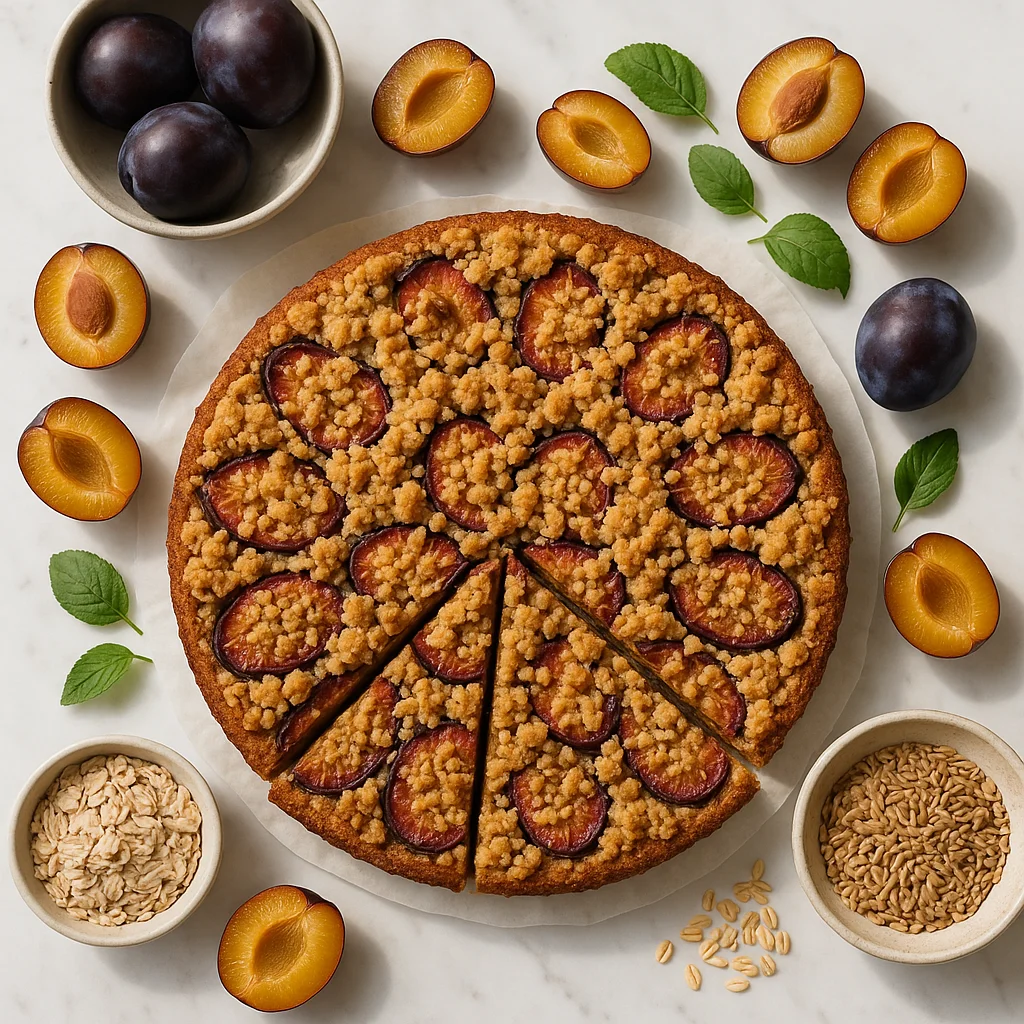
If you have ever wanted to bake a proper German plum cake Pflaumenkuchen recipe at home but wished it were a little kinder on the waistline, this is the version for you. Traditional Pflaumenkuchen is a beloved late-summer staple across Germany, served at Kaffee und Kuchen time with a strong coffee and good company. This healthier take keeps every bit of that cosy, fruit-forward charm while cutting refined sugar significantly, swapping in wholegrain spelt flour, and building a streusel topping from rolled oats and coconut oil rather than a butter-heavy crumb. The result is a cake that genuinely feels like an indulgence without the post-slice guilt. Health-conscious home bakers, anyone watching their blood sugar, and families who want a more nourishing afternoon treat will all find a lot to love here.
The base layer uses a blend of wholegrain spelt flour and a small amount of ground almonds for tenderness without relying on excessive fat. Spelt has a naturally nutty, slightly sweet flavour that pairs beautifully with stone fruit, and its higher fibre content compared to plain white flour helps slow digestion and keep you feeling satisfied. Coconut sugar replaces refined white sugar throughout the recipe. It carries a gentle caramel note and has a lower glycaemic index than regular sugar, making it a smarter swap in baked goods. Fresh Italian prune plums, sometimes called Zwetschgen, are the star. They are tarter and firmer than regular round plums, which means they hold their shape beautifully during baking and release just enough juice to keep the base moist without going soggy. A little cinnamon and vanilla extract tie everything together with warmth and depth. The oat streusel on top uses coconut oil in place of butter, keeping the topping dairy-free while still delivering that satisfying crunch.
In terms of texture, this cake is layered in a way that gives you something different in every bite. The base is soft and slightly dense in the best possible way, almost like a cross between a sponge and a shortcake. The plum layer on top turns jammy and fragrant as it bakes, releasing its gorgeous purple-pink juices into the crumb beneath. Then the oat streusel crowns everything with a golden, lightly crisp topping that adds contrast and a hint of earthiness from the oats. Serve it slightly warm, cut into generous squares, alongside a strong black coffee or a pot of chamomile tea. A spoonful of plain Greek yoghurt on the side adds protein and a cool creaminess that works really well against the warm, spiced fruit. This cake is honestly just as good at room temperature the next day, which makes it a brilliant option for meal-prepped afternoon snacks or a weekend baking project where you want leftovers throughout the week.
From a nutritional standpoint, this healthy Pflaumenkuchen delivers meaningfully more fibre per slice than the traditional version, thanks to the wholegrain spelt, rolled oats and the plums themselves. Plums are a genuinely impressive fruit from a health perspective. They are rich in vitamin C, vitamin K and antioxidants including anthocyanins, which are the compounds responsible for that deep purple skin colour. Those antioxidants have been linked to reduced inflammation and improved cardiovascular health. The cake is naturally dairy-free, making it suitable for those avoiding lactose, and it contains no refined white sugar at all. Each slice comes in at a notably lower calorie count than a traditional butter-and-white-flour version while still delivering real satisfaction. This is the kind of bake that proves healthy eating does not have to mean flavourless or austere. It is a cake rooted in German tradition, made with ingredients your body will actually thank you for.
Ingredients
- 200 g wholegrain spelt flour (sifted)
- 50 g ground almonds (adds tenderness without excess fat)
- 2 tsp baking powder
- 0.5 tsp ground cinnamon (for the base)
- 0.3 tsp fine sea salt
- 70 g coconut sugar (for the base)
- 2 large eggs (room temperature)
- 80 ml light olive oil or melted coconut oil
- 120 ml unsweetened almond milk (or any plant milk)
- 1 tsp vanilla extract
- 700 g fresh Italian prune plums (halved and stoned, about 18 to 22 plums)
- 1 tbsp coconut sugar (for dusting the plums)
- 0.5 tsp ground cinnamon (for dusting the plums)
- 80 g rolled oats (use certified gluten-free oats if needed)
- 40 g wholegrain spelt flour (for the streusel)
- 30 g coconut sugar (for the streusel)
- 0.5 tsp ground cinnamon (for the streusel)
- 45 ml melted coconut oil (for the streusel, should be just firm enough to form crumbs)
Instructions
- 1
Preheat your oven to 180 degrees C (160 degrees C fan). Lightly grease a 23x33cm baking tin and line it with parchment paper, leaving some overhang on the sides for easy removal.
A rectangular tray gives you the classic blechkuchen style that is traditional in Germany. A 9x13 inch tin works perfectly if you are using US measurements.
- 2
Make the oat streusel first so it can chill while you prepare the base. Combine the rolled oats, spelt flour, coconut sugar and cinnamon in a bowl and stir well. Pour in the melted coconut oil and use your fingertips to rub everything together until you have rough, clumpy crumbs. Pop the bowl in the fridge while you continue.
If the coconut oil is very liquid and the mixture will not clump, refrigerate for 10 minutes before rubbing together. Cold fat makes better streusel every time.
- 3
Prepare the plums by halving and stoning them. Score a shallow cross into the skin side of each half if you like, which encourages them to fan out slightly as they bake. Toss the plum halves gently with the tablespoon of coconut sugar and half teaspoon of cinnamon and set aside.
Italian prune plums, also called zwetschgen, are ideal here because their firm, dry flesh holds up during baking. Regular round plums can work but may release more juice, so pat them dry first.
- 4
In a large mixing bowl, whisk together the sifted spelt flour, ground almonds, baking powder, cinnamon and salt. In a separate jug, whisk the eggs, coconut sugar, oil, almond milk and vanilla extract until smooth and well combined.
- 5
Pour the wet ingredients into the dry ingredients and fold gently with a spatula until just combined. Do not overmix. A few small lumps are completely fine and will bake out. The batter will be slightly thicker than a standard sponge.
Overmixing spelt flour develops gluten quickly and can make the base tough. Gentle folding is all you need here.
- 6
Spread the batter evenly into the prepared tin using a spatula or the back of a spoon. Take your time here to get an even layer right to the edges.
- 7
Arrange the plum halves cut-side up in neat rows directly on top of the batter, pressing them down very gently so they sit partially in the batter without sinking completely. Pack them in fairly close together as they shrink during baking.
Cut-side up is important. It allows the plum flesh to caramelise and the juices to pool in the hollow, keeping the base moist without making it wet underneath.
- 8
Remove the streusel from the fridge and scatter it evenly over the plums and any exposed batter, using your fingers to break it into varied-sized pieces for the best texture.
- 9
Bake in the preheated oven for 38 to 42 minutes, until the streusel is golden brown, the edges of the cake are set and a skewer inserted into the base comes out with just a few moist crumbs rather than raw batter.
Start checking at 35 minutes as oven temperatures vary. If the streusel is browning too quickly, loosely tent the tin with a sheet of foil for the last 10 minutes.
- 10
Allow the cake to cool in the tin for at least 15 minutes before lifting it out using the parchment overhang. Cut into 12 squares and serve warm or at room temperature. A dollop of plain Greek yoghurt alongside each slice is lovely.
The cake slices much more cleanly once it has cooled fully, so if you are making this ahead, resist the urge to cut it straight away.
Nutrition per serving
218kcal
Calories
5.2g
Protein
27.4g
Carbs
9.8g
Fat
3.6g
Fibre
11.2g
Sugar
98mg
Sodium
Pro Tips
- ✓
Italian prune plums, also called Zwetschgen or damson-style plums, are the authentic choice for Pflaumenkuchen. Their firm, low-moisture flesh is ideal for baking.
- ✓
Coconut sugar can be swapped for maple sugar or light muscovado sugar in equal quantities if that is what you have on hand.
- ✓
Do not skip the resting time after baking. The base needs those 15 minutes to firm up so the slices hold together cleanly.
- ✓
Spelt flour absorbs liquid a little differently each time depending on the brand, so if your batter looks very stiff, add an extra splash of plant milk to loosen it.
- ✓
This cake is best on the day it is baked but keeps well. The streusel softens slightly by day two, which some people actually prefer.
- ✓
For an extra nutritional boost, add a tablespoon of ground flaxseed to the base batter alongside the dry ingredients. It blends in seamlessly and adds omega-3 fatty acids.
Frequently Asked Questions
Variations
- •
Cardamom and Orange Pflaumenkuchen
Replace the cinnamon with half a teaspoon of ground cardamom and add the zest of one orange to the base batter. This gives the cake a fragrant, slightly floral warmth that works beautifully with tart plums.
- •
Almond Frangipane Base
Increase the ground almonds to 100g and reduce the spelt flour by 50g for a richer, denser base that is closer to a frangipane tart. This version is naturally lower in carbohydrates and has a lovely marzipan-like quality.
- •
No-Streusel Simple Pflaumenkuchen
Omit the streusel entirely for a lighter, quicker version. Simply dust the plums with coconut sugar and cinnamon before baking and finish the cooled cake with a scattering of toasted flaked almonds for texture.
- •
Pear and Plum Version
Replace half the plums with thinly sliced ripe pears. The pear adds a softer sweetness that balances the tartness of the plums and makes this a great option when you do not have enough plums to fill the whole tin.
Substitutions
- •Wholegrain spelt flour → Whole wheat flour (Use in exactly the same quantity. Whole wheat flour is slightly denser than spelt and has a stronger flavour, so the base will taste a little more earthy but still works well.)
- •Coconut sugar → Light muscovado sugar or maple sugar (Use in equal quantity. Both have a similar caramel depth to coconut sugar and will not affect the texture of the bake.)
- •Melted coconut oil → Light olive oil or rapeseed oil (Use in the same quantity. Liquid oils work in both the base and the streusel. The streusel may be slightly less crumbly but the flavour is still excellent.)
- •Almond milk → Oat milk, soy milk or regular dairy milk (Any milk works here in equal quantity. If using dairy milk, the recipe will no longer be dairy-free but the texture and taste of the base will be virtually identical.)
- •Ground almonds → Sunflower seed flour (For a nut-free version, replace the ground almonds with an equal weight of sunflower seed flour or simply use an extra 50g of spelt flour. The texture will be slightly less tender but still enjoyable.)
- •Italian prune plums → Damsons, regular purple plums or apricots (Damsons are the closest in flavour and texture. Regular round plums work but should be patted dry before use. Apricots give a sweeter, less tart result and make a beautiful alternative in early summer.)
🧊 Storage
Store leftover slices in an airtight container at room temperature for up to 2 days or in the fridge for up to 4 days. The streusel will soften slightly in the fridge but the cake remains delicious. To refresh the texture, warm individual slices in a low oven at 160 degrees C for 8 minutes before serving.
📅 Make Ahead
You can prepare the streusel mixture up to 24 hours ahead and keep it covered in the fridge. The base batter should be made fresh on the day of baking. Alternatively, bake the whole cake the day before serving, as the flavours deepen overnight and the plums become even more jammy and fragrant. Store covered at room temperature and add any accompaniments fresh at serving time.
More German Desserts Recipes
Healthy Rote Grütze Red Berry Pudding Recipe with Less Sugar
Vanilla Bean Bavarian Cream Recipe Low Sugar with Greek Yogurt
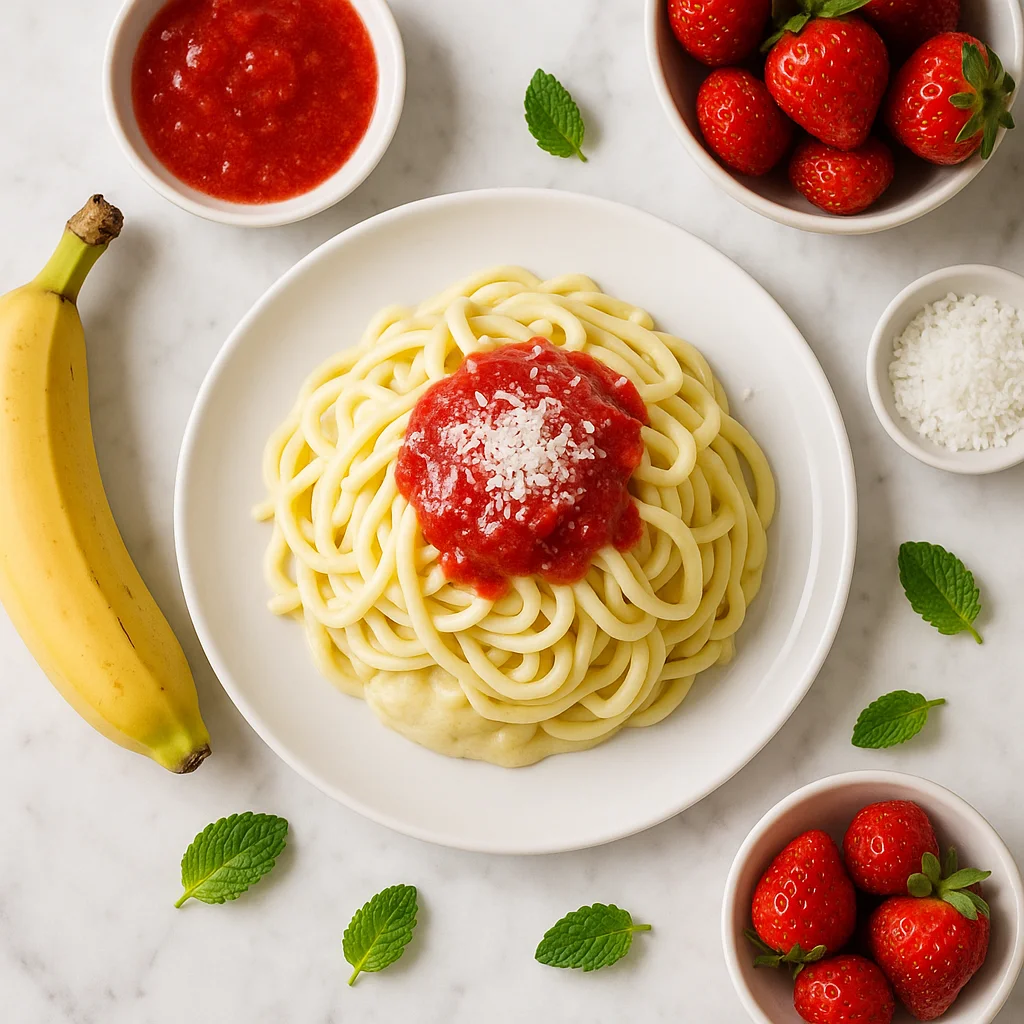
Healthy Spaghetti Ice Cream Spaghettieis Recipe with Frozen Banana Base