Vanilla Bean Bavarian Cream Recipe Low Sugar with Greek Yogurt
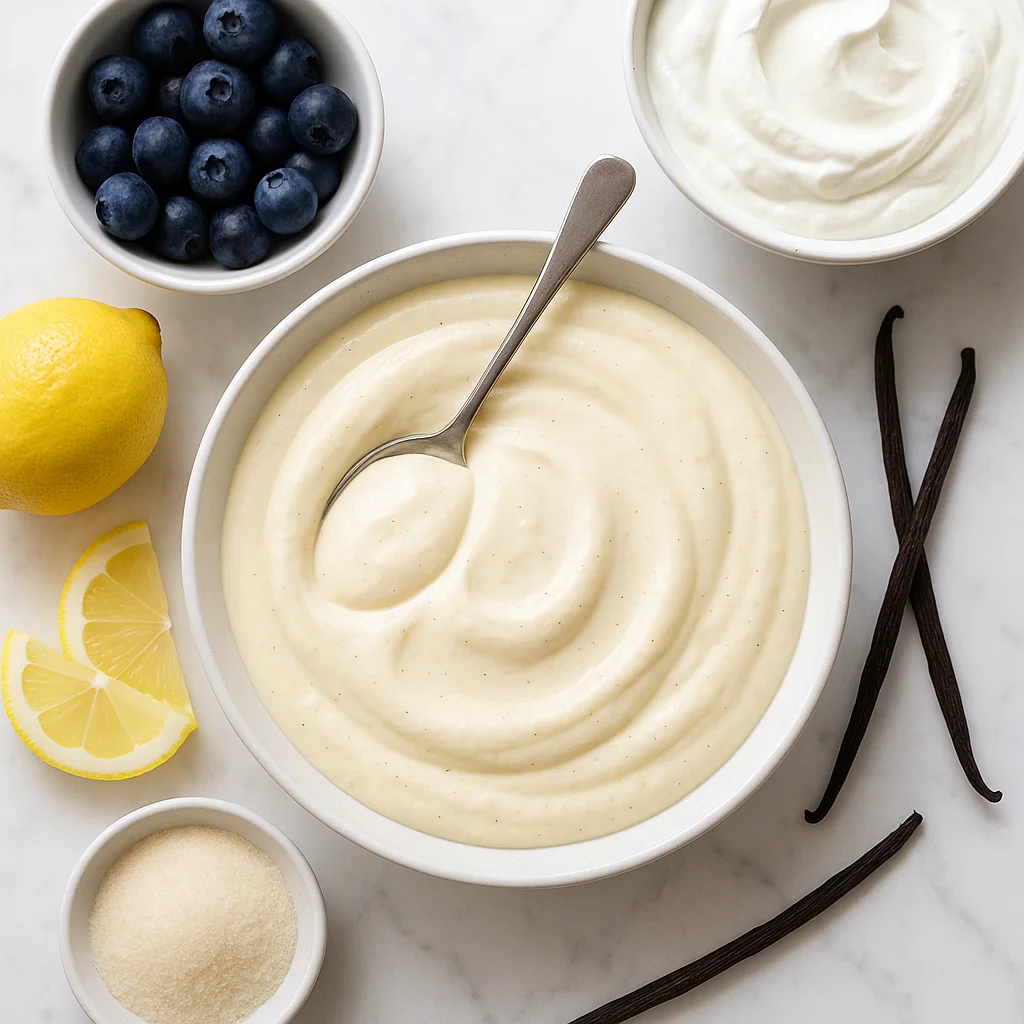
If you have been searching for a bavarian cream recipe low sugar enough to enjoy without guilt, this is the one you have been waiting for. Traditional bavarian cream is loaded with refined sugar and heavy cream, which pushes the calorie count sky high before you even add a topping. This version keeps all the velvety, moussey magic of the classic but swaps out the excess sugar for a modest drizzle of raw honey and leans on thick Greek yogurt to create that dreamy, cloud-like texture. The result is a dessert that feels genuinely indulgent while staying light enough for a weeknight treat. It works beautifully as a standalone dessert served in pretty glasses, or as a filling for crepes, tart shells or layered parfaits.
The ingredients here are doing real nutritional work, not just tasting good. Full-fat Greek yogurt brings protein and probiotics to the table, and its natural tang balances the sweetness in a way that refined sugar simply cannot replicate. Raw honey is used in a small quantity, roughly half what a classic recipe would call for, and its floral depth adds complexity that granulated sugar lacks. Real vanilla bean paste rather than extract gives those gorgeous flecks of vanilla throughout every spoonful, along with a richer, more rounded flavour. The eggs provide structure and creaminess from within, while the gelatine gives this cream its signature set without needing to pile in stabilisers or thickeners. A small amount of lightly whipped single cream is folded in at the end, keeping the fat content manageable while still giving that signature lightness.
Texture-wise, this bavarian cream sits somewhere between a mousse and a panna cotta. It is firm enough to hold a gentle shape when turned out of a ramekin, yet soft enough to melt almost instantly on your tongue. The vanilla bean and honey flavours come through clean and bright, with a subtle yogurt tang underneath that makes it taste more sophisticated than your average sweetened cream dessert. For serving, fresh berries are the natural partner here, especially raspberries or sliced strawberries, since their sharpness plays beautifully against the creamy sweetness. A light dusting of freeze-dried raspberry powder across the top makes it look stunning with barely any effort. You could also serve it alongside a small oat biscuit or a slice of almond sponge if you want something more substantial on the plate.
From a health perspective, this recipe delivers a meaningful upgrade on the classic. Each serving comes in under 160 calories compared to upwards of 300 in a traditional bavarian cream, and the sugar content is kept to around 7 grams per serving thanks to the honey substitution and the natural sweetness of the yogurt. The Greek yogurt also bumps the protein up to roughly 6 grams per serving, which helps you feel more satisfied and slows the absorption of the natural sugars. There is no refined sugar anywhere in this recipe, so it qualifies as refined sugar free. It is also gluten free as written, making it a genuinely inclusive dessert option when you are hosting guests with different dietary needs. The gelatine means it is not suitable for vegans, but there is an agar-agar swap included in the substitutions below for anyone who needs a plant-based version. Overall, this is one of those recipes where eating healthier genuinely does not mean eating less deliciously.
Ingredients
- 3 large egg yolks (free-range if possible)
- 2 tbsp raw honey (or pure maple syrup)
- 1 tsp vanilla bean paste (or seeds from 1 vanilla pod)
- 250 ml whole milk (semi-skimmed also works)
- 6 g unflavoured gelatine powder (or 3 gelatine sheets, soaked in cold water)
- 2 tbsp cold water (to bloom the gelatine powder)
- 150 g full-fat Greek yogurt (thick strained yogurt works best)
- 100 ml single cream (lightly whipped to soft peaks)
- 1 pinch fine sea salt
Instructions
- 1
Sprinkle the gelatine powder over the cold water in a small bowl and leave it to bloom for 5 minutes. It will swell and become spongy. Set it aside.
If using gelatine sheets, submerge them in a bowl of cold water for 5 to 10 minutes until soft and pliable, then squeeze out excess water before using.
- 2
In a medium heatproof bowl, whisk together the egg yolks, honey, vanilla bean paste and a pinch of sea salt until the mixture looks slightly pale and a little thicker, about 2 minutes of whisking.
Whisking the yolks with the honey first helps prevent them curdling when the hot milk is added.
- 3
Pour the milk into a small saucepan and heat over medium-low heat until it just begins to steam and small bubbles form around the edges. Do not let it boil fully.
- 4
Very slowly pour the hot milk into the egg yolk mixture, adding just a tiny splash at first and whisking constantly. This tempers the eggs so they do not scramble. Once you have added about half the milk, pour in the rest in a steady stream while continuing to whisk.
Pour slowly and keep whisking. Rushing this step is the most common cause of lumpy bavarian cream.
- 5
Pour the combined mixture back into the saucepan and place over low heat. Stir constantly with a heatproof spatula, scraping the bottom of the pan, until the custard thickens enough to coat the back of a spoon, about 5 to 7 minutes. It should reach around 80 degrees Celsius.
Do not let it boil or the eggs will curdle. If you see it starting to bubble, lift the pan off the heat immediately and keep stirring.
- 6
Remove the pan from the heat. Add the bloomed gelatine to the hot custard and stir until completely dissolved, about 1 minute. Pour the mixture through a fine mesh sieve into a clean bowl to remove any cooked egg bits.
- 7
Allow the custard to cool to room temperature, about 20 minutes. You can speed this up by placing the bowl over a larger bowl of iced water and stirring gently until it cools and just begins to thicken slightly at the edges.
Do not let it set fully at this stage. You want it still pourable but starting to have some body.
- 8
Whisk the Greek yogurt until smooth in a separate bowl. In another bowl, whip the single cream to very soft peaks. Fold the yogurt into the cooled custard gently, then fold in the whipped cream using a large metal spoon or spatula, keeping the mixture as light and airy as possible.
Use a figure-of-eight folding motion rather than stirring to preserve the lightness.
- 9
Divide the mixture evenly between 4 individual ramekins or serving glasses. Smooth the tops lightly with the back of a spoon.
- 10
Cover each ramekin loosely with cling film and refrigerate for at least 4 hours, or overnight, until fully set and firm.
Overnight chilling gives the best texture and lets the vanilla flavour develop fully.
- 11
Serve straight from the ramekin or run a thin knife around the edge and turn out onto a small plate. Top with fresh berries, a light dusting of freeze-dried raspberry powder, or a few drops of honey.
Nutrition per serving
155kcal
Calories
6g
Protein
11g
Carbs
9g
Fat
0g
Fibre
7g
Sugar
75mg
Sodium
Pro Tips
- ✓
Always temper your eggs slowly. Adding hot milk too fast is the top reason bavarian cream turns grainy.
- ✓
Let the custard cool until it just starts to thicken before folding in the yogurt and cream. Too warm and it will deflate everything.
- ✓
Greek yogurt must be at room temperature before folding in, otherwise it can cause the gelatine to set too quickly and create lumps.
- ✓
For a cleaner set, use powdered gelatine rather than sheets. It disperses more evenly in custard-based mixtures.
- ✓
If you want to turn the cream out of ramekins easily, lightly grease the insides with a tiny amount of neutral oil before pouring in the mixture.
Frequently Asked Questions
Variations
- •
Lemon Bavarian Cream
Add the finely grated zest of one unwaxed lemon to the milk as it heats, then strain it out with the sieve. Add a teaspoon of fresh lemon juice to the cooled custard before folding in the yogurt. Bright, citrusy and refreshing.
- •
Strawberry Swirl
Blend 80 grams of fresh strawberries with a teaspoon of honey to make a quick coulis. Once you have poured the cream mixture into the glasses, drop a few small spoonfuls of coulis on top and use a cocktail stick to swirl it through the surface.
- •
Coffee Bavarian Cream
Dissolve 1 teaspoon of instant espresso powder into the warm milk before tempering the eggs. The coffee deepens the flavour beautifully and pairs wonderfully with a few dark chocolate shavings on top.
- •
Coconut Version
Replace the whole milk with full-fat coconut milk and swap the Greek yogurt for coconut yogurt. This creates a dairy-free, lightly tropical version that still sets beautifully with gelatine or agar.
Substitutions
- •Gelatine powder → Agar-agar powder (Use half the quantity (3g). Add to warm milk rather than blooming in cold water first. Sets firmer than gelatine.)
- •Raw honey → Pure maple syrup or liquid monk fruit sweetener (Maple syrup is a 1-to-1 swap and adds a warm caramel note. Monk fruit syrup keeps it virtually sugar free.)
- •Full-fat Greek yogurt → Coconut yogurt (Makes the recipe dairy free. Use a thick, unsweetened variety for the best texture.)
- •Single cream → Coconut cream (chilled and scooped) (Whips to soft peaks when chilled overnight. Works well for a dairy-free version.)
- •Whole milk → Oat milk or almond milk (Choose an unsweetened variety. The custard will be slightly less rich but still very flavourful.)
🧊 Storage
Store covered with cling film or in an airtight container in the refrigerator for up to 3 days. Do not freeze. Keep away from strong-smelling foods as the cream can absorb odours easily.
📅 Make Ahead
This recipe is ideal for making ahead. Prepare the creams up to 24 hours in advance and store in the fridge until ready to serve. Add fresh fruit and any toppings only just before serving so they stay vibrant.
More German Desserts Recipes
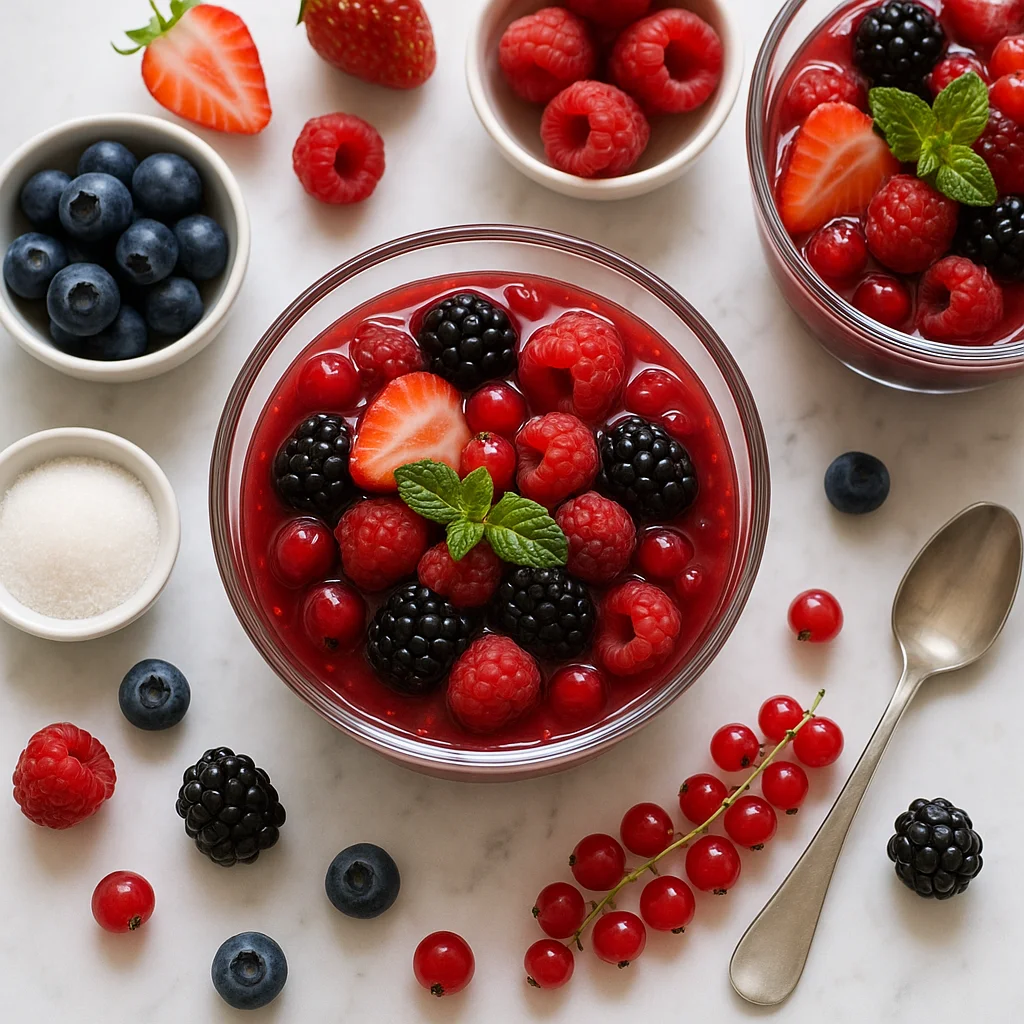
Healthy Rote Grütze Red Berry Pudding Recipe with Less Sugar
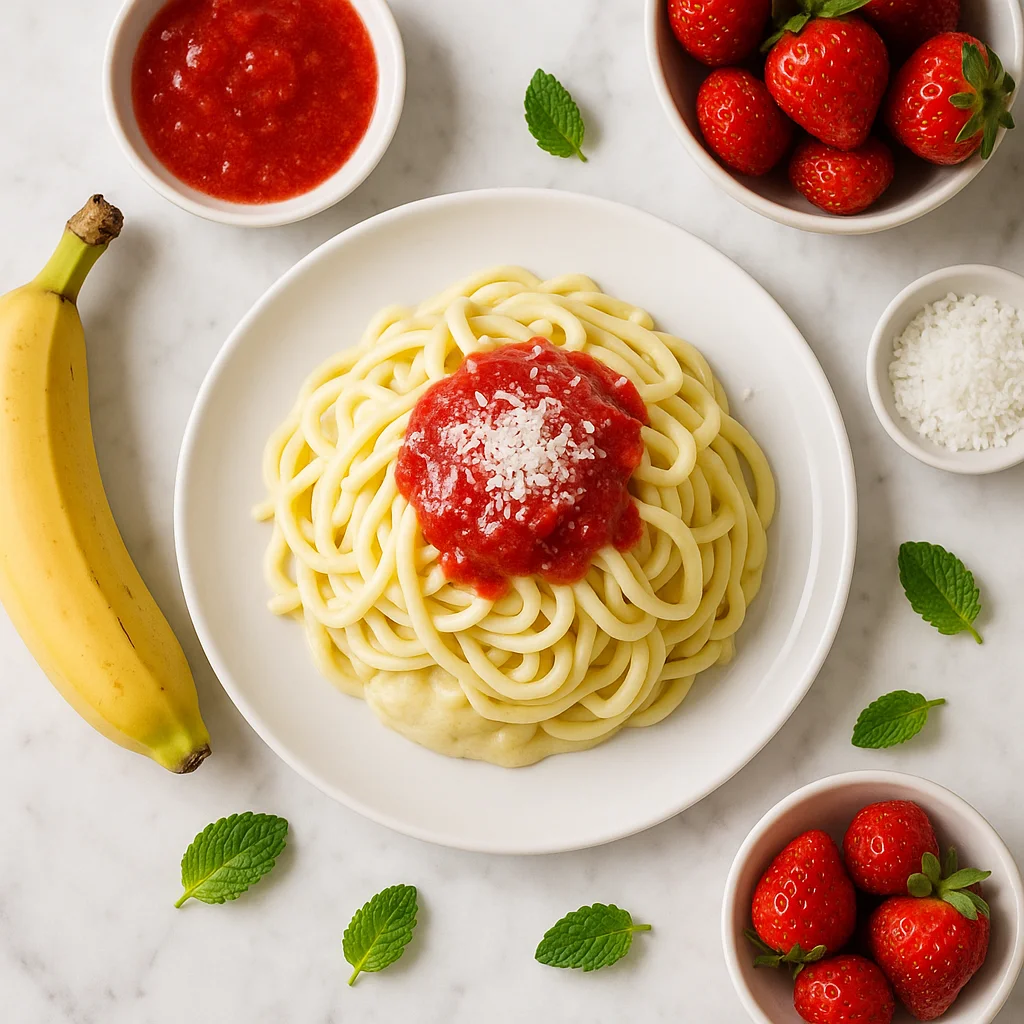
Healthy Spaghetti Ice Cream Spaghettieis Recipe with Frozen Banana Base
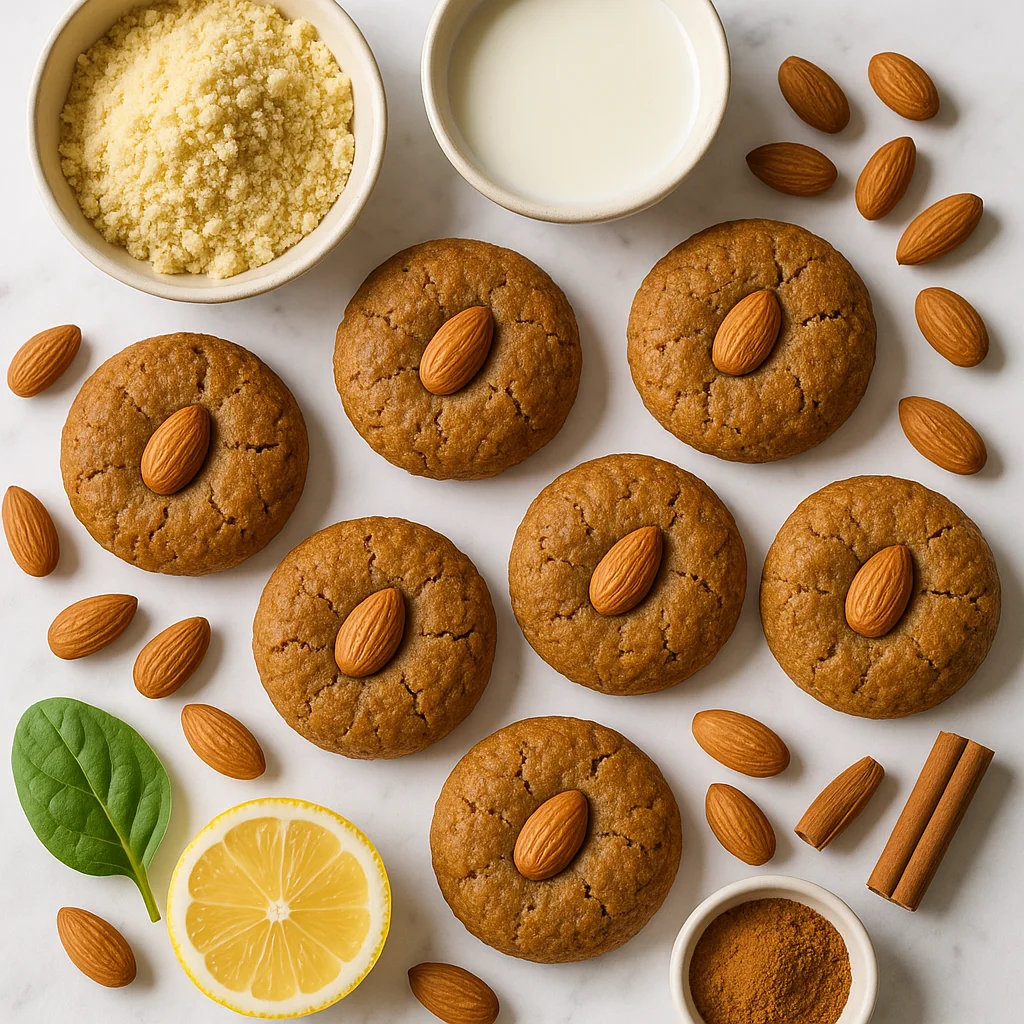
Healthy Lebkuchen German Gingerbread Cookies Recipe with Almond Flour