Healthy Galatopita Greek Milk Pie with Oat Semolina and Honey
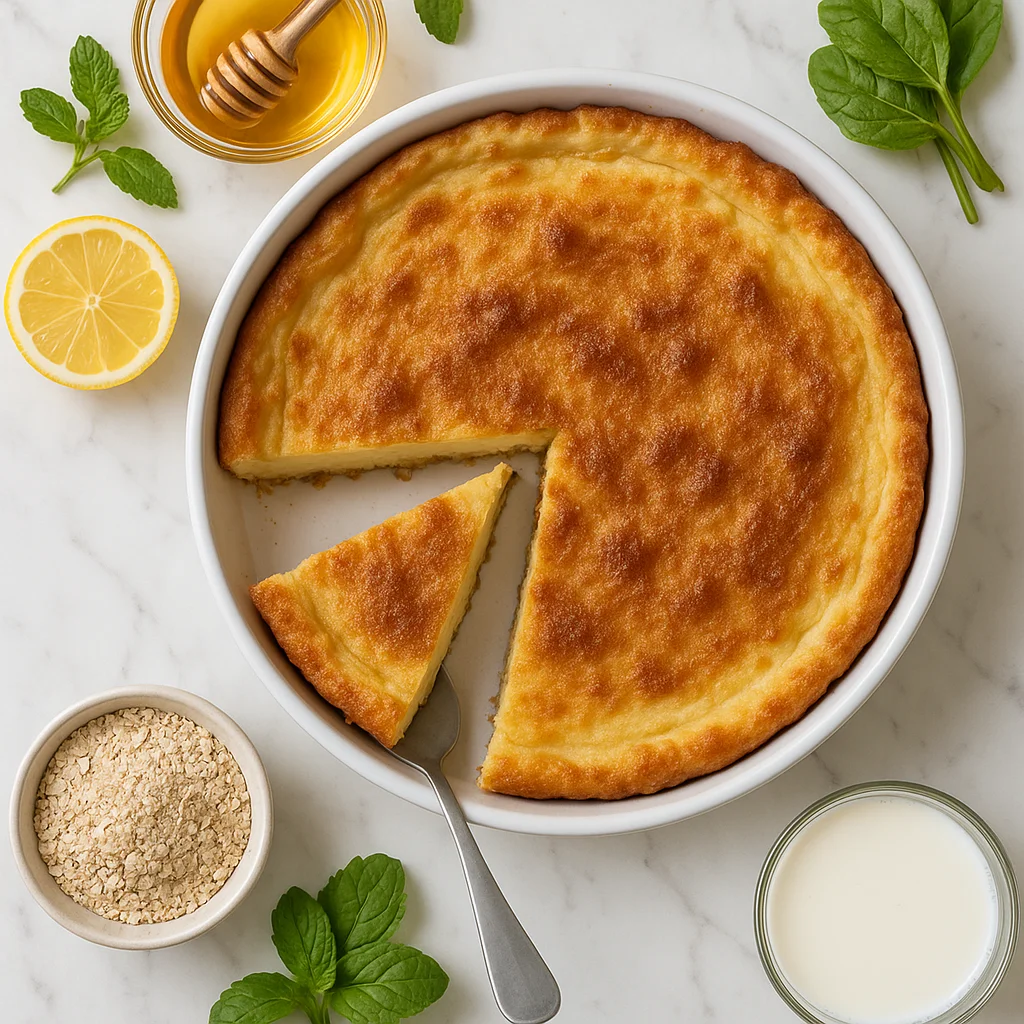
If you have ever wanted to make a galatopita Greek milk pie but felt put off by the sugar and butter load in traditional recipes, this version was made for you. It delivers everything you love about the classic, that silky, lightly set custard, the warm cinnamon top, the gentle sweetness that somehow tastes both simple and indulgent, but with a genuinely healthier nutritional profile. This is the kind of dessert you can share at a family gathering or Easter table without any guilt, and without anyone suspecting it has been lightened up at all. It is comforting, fuss-free, and uses no pastry or phyllo, so there is nothing complicated about pulling it together on a weekday evening.
The ingredient swaps here are thoughtful rather than dramatic. Instead of full-fat milk, low-fat cow's milk keeps the custard creamy while cutting saturated fat noticeably. Raw honey replaces refined white sugar, bringing a floral depth of flavour and a lower glycaemic impact, so you get sweetness without the sharp blood sugar spike. Fine semolina remains the structural hero of the dish, doing the same job it has always done in Greek kitchens, thickening the custard into that distinctive soft, sliceable texture. A small amount of rolled oat flour is stirred in alongside it, boosting the fibre content naturally and adding a very subtle nuttiness that works beautifully with the cinnamon topping. Just a teaspoon of extra virgin olive oil replaces most of the butter, honouring the Mediterranean spirit of the dish and cutting saturated fat even further.
Once baked, this galatopita sets into a pale golden slab with a lightly bronzed top dusted in cinnamon. The texture is firm enough to slice cleanly yet soft and yielding when you eat it, somewhere between a custard tart filling and a very tender semolina pudding. It tastes best cold, straight from the fridge, when the custard has had time to firm up fully and the flavours have had a chance to settle and deepen. Serve it in neat squares with an extra dusting of cinnamon, a few fresh berries on the side, or simply on its own with a small cup of Greek coffee. It also works wonderfully as a light after-dinner dessert when you want something sweet but not heavy.
From a nutritional standpoint, each serving comes in at a fraction of the calories you would find in a traditional galatopita, without sacrificing any of the satisfaction. The protein from eggs and milk supports muscle repair and keeps you fuller for longer. The honey provides natural sugars alongside trace antioxidants, and the oat flour contributes beta-glucan fibre, which research links to healthy cholesterol levels and improved digestive function. This is a dessert that fits naturally into a balanced Mediterranean diet, celebrating wholesome ingredients, minimal processing, and the pleasure of eating well. Whether you are discovering galatopita for the first time or returning to a beloved childhood flavour, this recipe makes the journey feel completely worth it.
Ingredients
- 900 ml low-fat cow's milk (semi-skimmed works well)
- 80 g fine semolina (not coarse or flour)
- 30 g rolled oat flour (blitz rolled oats in a blender if needed)
- 60 ml raw honey (or pure maple syrup as alternative)
- 3 large eggs (at room temperature)
- 1 tsp pure vanilla extract
- 1 tsp extra virgin olive oil (replaces most of the butter)
- 1 tsp unsalted butter (just for greasing and a small amount in custard)
- 1 tbsp fresh lemon juice
- 1 strip lemon zest (peeled with a vegetable peeler)
- 1 pinch fine sea salt
- 1 tsp ground cinnamon (for dusting the top)
Instructions
- 1
Preheat your oven to 170 degrees Celsius (fan) or 180 degrees Celsius (conventional). Lightly grease a 22 cm square baking dish with the teaspoon of butter and set it aside.
A glass or ceramic baking dish gives the most even heat for a custard like this.
- 2
Pour the milk into a medium heavy-based saucepan and add the lemon zest strip. Place over a medium-low heat and warm gently until steaming but not boiling, stirring occasionally. This takes about 5 minutes.
Watch the milk carefully so it does not scorch on the base of the pan.
- 3
Remove the lemon zest strip. Reduce the heat to low and gradually pour in the fine semolina and oat flour in a slow, steady stream, whisking constantly as you add them to prevent lumps forming.
Keep whisking the whole time. If you stop, the semolina can clump quickly.
- 4
Continue stirring with a wooden spoon or heatproof spatula over low heat for 6 to 8 minutes until the mixture thickens to a soft porridge consistency that coats the back of the spoon. Remove from the heat.
The mixture will continue to thicken slightly as it cools, so do not over-reduce it at this stage.
- 5
Stir in the honey, vanilla extract, olive oil, lemon juice, and sea salt. Mix thoroughly. Allow the mixture to cool for 10 minutes before adding the eggs, so the heat does not scramble them.
Set a timer. Ten minutes of cooling is genuinely important here for a smooth custard.
- 6
Crack the eggs into a small bowl and beat them lightly with a fork. Add them to the semolina mixture one at a time, stirring quickly and thoroughly after each addition until fully incorporated and the custard looks smooth and glossy.
Adding eggs one at a time gives you much more control and a smoother final texture.
- 7
Pour the custard mixture into the prepared baking dish and smooth the surface with a spatula. Dust the top generously and evenly with the ground cinnamon.
Use a fine sieve for dusting cinnamon to get an even, elegant finish.
- 8
Bake for 38 to 45 minutes until the top is golden and the custard is set at the edges but has just a slight wobble in the very centre when you gently shake the dish.
Ovens vary, so start checking at the 38-minute mark. A slight wobble is fine as it will firm up during chilling.
- 9
Remove the dish from the oven and allow the galatopita to cool completely at room temperature. This takes about 30 minutes. Then transfer to the fridge and chill for at least 60 minutes before slicing.
Chilling is not optional for a clean slice. The custard needs the cold to set up fully.
- 10
Once chilled and firm, cut into 9 even squares. Dust each piece with a little extra cinnamon if you like, and serve cold or at room temperature.
A warm knife dipped in hot water and dried quickly will give you the cleanest slices.
Nutrition per serving
148kcal
Calories
7g
Protein
21g
Carbs
4g
Fat
1.4g
Fibre
10g
Sugar
85mg
Sodium
Pro Tips
- ✓
Use fine semolina rather than coarse or semolina flour. The texture of the finished custard depends on it.
- ✓
Do not rush the cooling step before adding eggs. A mixture that is too hot will curdle the eggs and ruin the custard.
- ✓
The galatopita genuinely tastes better the next day, so making it the evening before you plan to serve it is a smart move.
- ✓
For a slightly firmer custard, add an extra tablespoon of semolina to the mixture.
- ✓
If your honey is very thick and crystallised, warm it gently in a small bowl of hot water first so it blends in easily.
- ✓
Make sure you are using fine semolina and not cornmeal or polenta, which will give a completely different result.
Frequently Asked Questions
Variations
- •
Orange Blossom Galatopita
Replace the lemon juice and zest with orange zest and a teaspoon of orange blossom water stirred in at the end. This gives the custard a fragrant, floral note that pairs beautifully with cinnamon.
- •
Vanilla Bean Galatopita
Split a vanilla bean and scrape the seeds into the milk as it warms, then remove the pod before adding the semolina. This intensifies the vanilla flavour and makes the custard smell extraordinary while baking.
- •
Phyllo-Topped Galatopita
Lay two sheets of wholegrain phyllo pastry over the top of the custard before baking, brushing lightly with olive oil between layers. This adds a crispy, rustic topping while keeping the recipe lighter than a fully encased phyllo version.
- •
Coconut Milk Galatopita
Swap half the low-fat milk for light coconut milk for a tropical twist. The coconut adds a gentle sweetness and richness. Dust with toasted desiccated coconut instead of cinnamon for a fun finish.
Substitutions
- •Raw honey → Pure maple syrup (Use the same quantity. Maple syrup has a slightly more caramel-like flavour that works very well in this custard.)
- •Low-fat cow's milk → Full-fat oat milk (Adds a mild natural sweetness and keeps the recipe dairy-free. The custard may be slightly softer so consider adding an extra tablespoon of semolina.)
- •Rolled oat flour → Fine semolina (Simply increase the total semolina to 110g if you do not have oat flour. The custard will have a slightly less fibrous profile but will taste just as good.)
- •Extra virgin olive oil → Coconut oil (Use refined coconut oil to avoid a coconut flavour, or unrefined if you like a hint of coconut in the custard.)
- •Fresh lemon juice → Orange juice (A tablespoon of fresh orange juice and a strip of orange zest gives a warmer, sweeter citrus note to the custard.)
🧊 Storage
Store leftover galatopita covered with cling film or in an airtight container in the refrigerator for up to 4 days. Keep it cold at all times as it contains eggs and milk. Do not leave it at room temperature for more than 2 hours.
📅 Make Ahead
This recipe is an excellent make-ahead dessert. You can bake it up to 24 hours in advance, chill it overnight, and it will be perfectly set and ready to slice when your guests arrive. The flavour actually deepens overnight, making it taste even better the following day.
More Greek Desserts Recipes
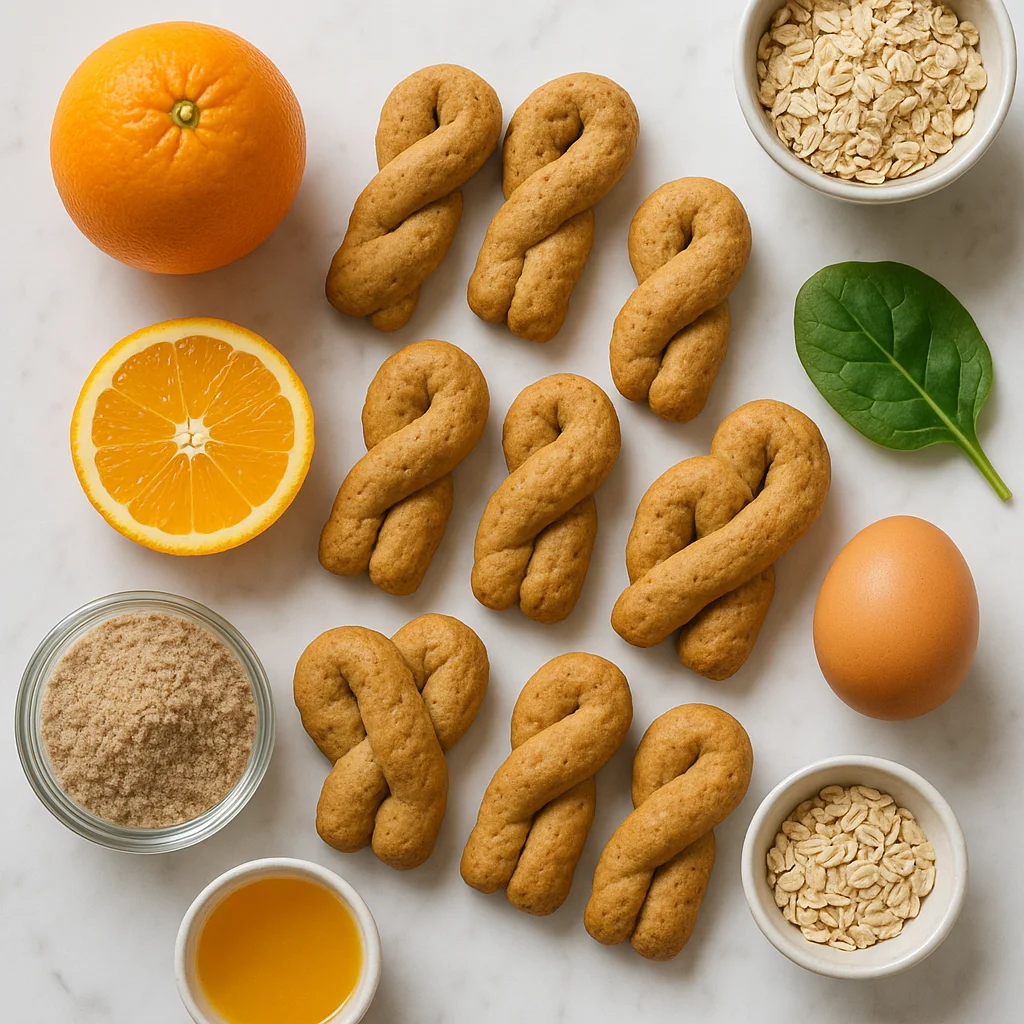
Healthy Koulourakia Greek Easter Cookies with Spelt and Orange
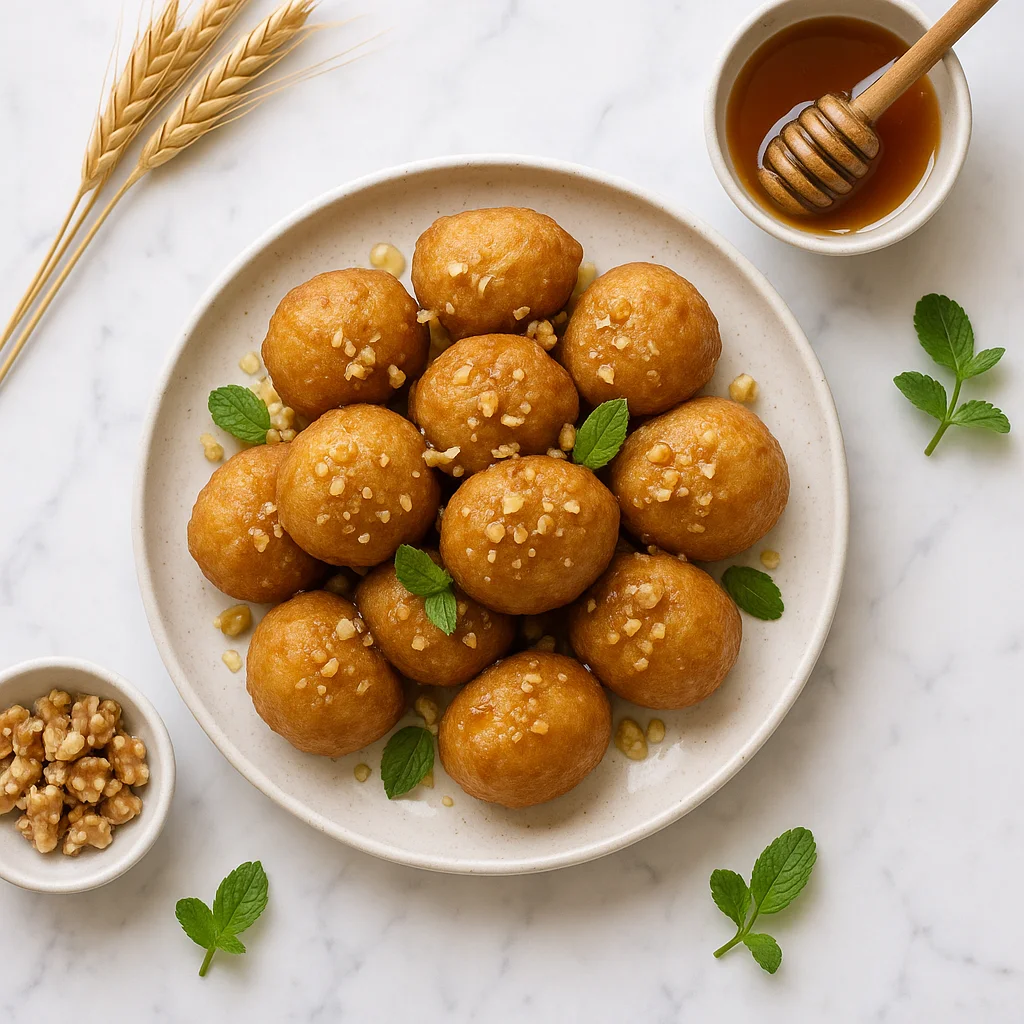
Healthy Loukoumades Greek Honey Donuts with Spelt and Raw Honey
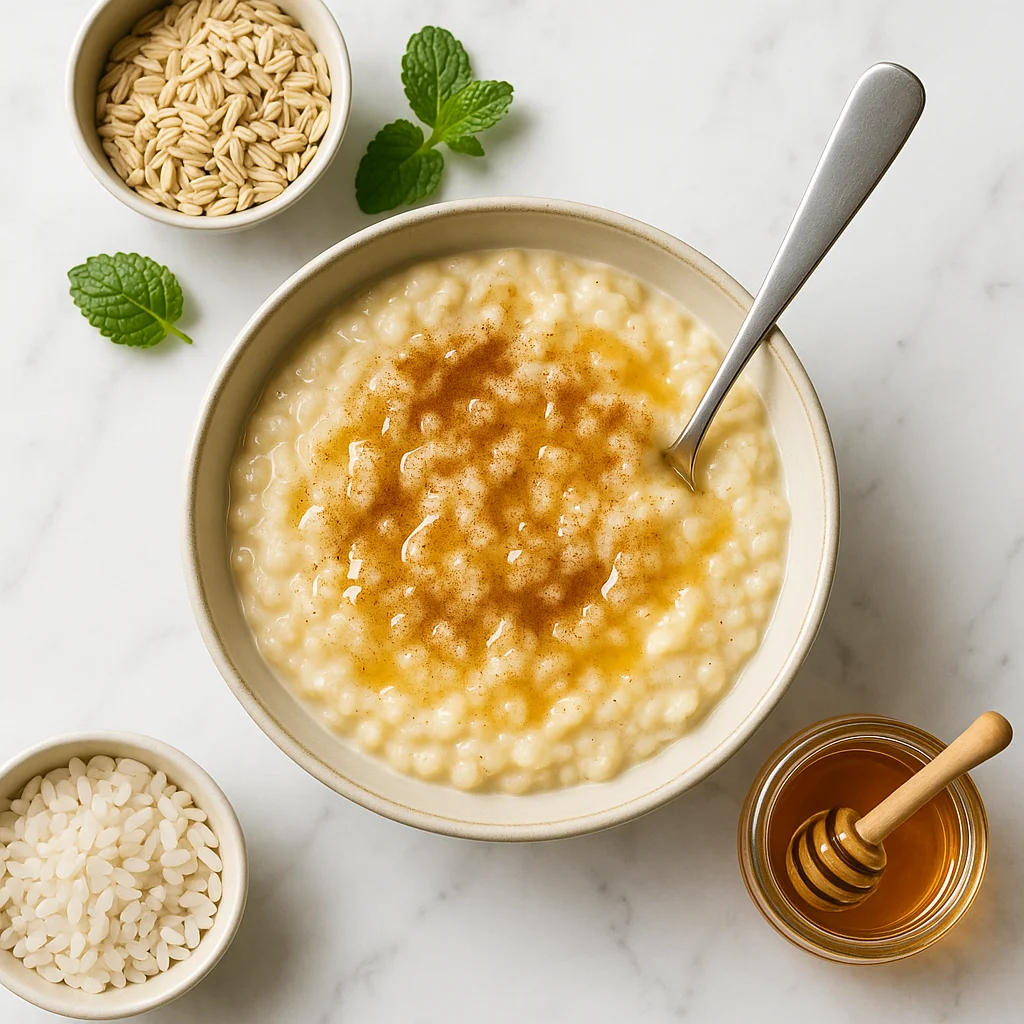
Healthy Rizogalo Greek Rice Pudding with Oat Milk and Honey