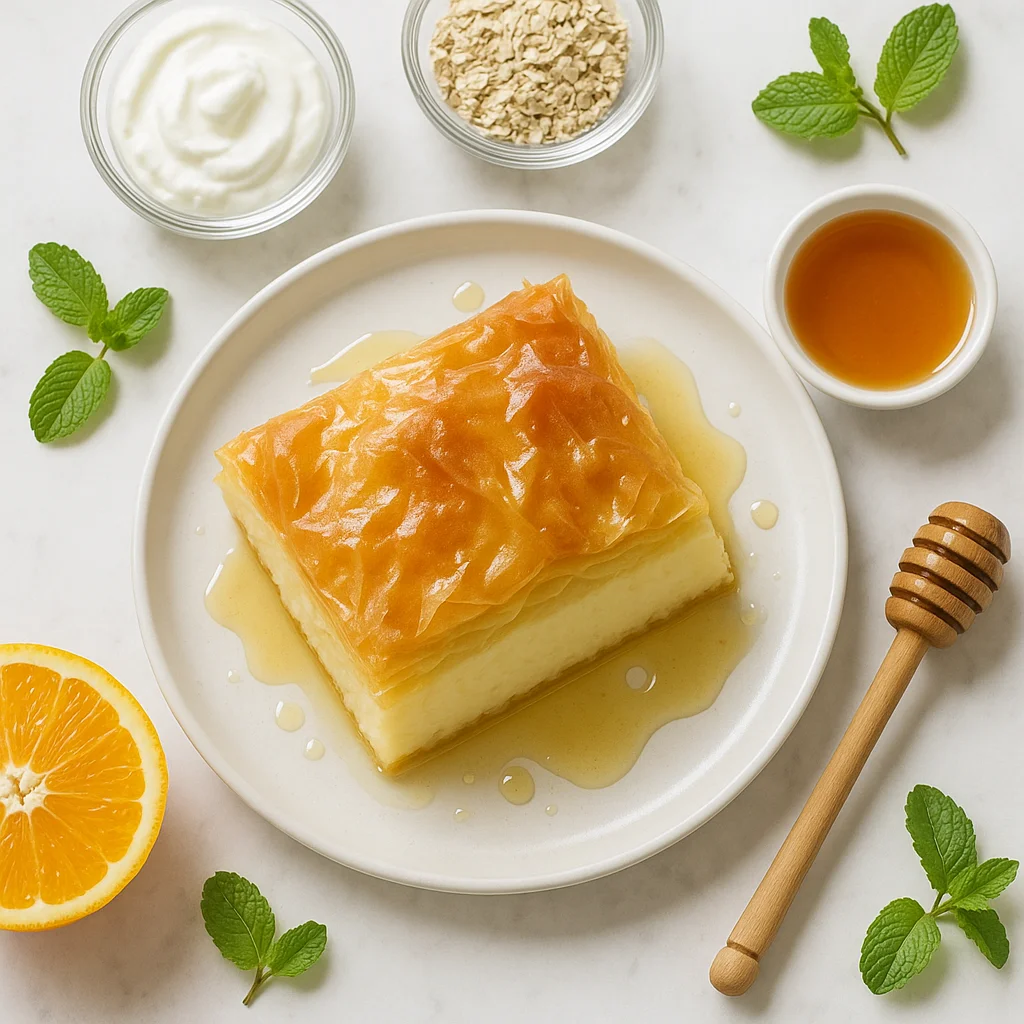
If you have ever fallen for the creamy, syrup-soaked charm of galaktoboureko Greek custard pie, you already know it is one of those desserts that is genuinely hard to say no to. This lighter version keeps everything you love about the original, the flaky phyllo, the silky semolina custard, the fragrant syrup, while cutting back on refined sugar, swapping full-fat milk for a blend of low-fat milk and unsweetened almond milk, and using raw honey instead of processed white sugar in the syrup. It is the kind of recipe that works beautifully for a weekend baking project, a celebration spread, or simply when you want a slice of something genuinely special without the usual post-dessert regret. Health-conscious home bakers who miss Greek pastry shop flavours will find this version hits every right note.
The custard filling is built on fine semolina, which provides a gentle, natural thickness without the need for heavy cream or excessive egg yolks. Semolina is a surprisingly good source of plant-based protein and has a lower glycaemic impact than refined white flour, making it a smart base for a healthier custard. The recipe uses just three whole eggs and two extra egg whites rather than the five or six full yolks found in many traditional versions, which keeps the fat content in check without sacrificing that luscious, set texture. A small amount of coconut sugar sweetens the custard itself, adding a subtle caramel depth that white sugar simply cannot match. Vanilla bean paste and a strip of lemon zest bring warmth and brightness to every single bite. The phyllo sheets are brushed lightly with a mix of olive oil and a touch of melted butter, giving you all the golden crispness with a fraction of the saturated fat compared to purely butter-brushed layers.
The finished pie has a texture that is genuinely dreamy. The custard is smooth, just firm enough to slice cleanly, and carries that delicate semolina grain that makes galaktoboureko so distinctly satisfying. The phyllo bakes to a deep golden colour, staying crisp on top while softening slightly where it meets the custard below. The honey syrup, sharpened with fresh lemon juice and a curl of orange peel, soaks into the warm pie just enough to make it fragrant and moist without turning it soggy. Serve it at room temperature for the best texture, with a small scoop of plain Greek yoghurt on the side if you like. A dusting of ground cinnamon over each slice is completely optional but highly recommended.
Nutritionally, this recipe delivers a meaningful upgrade over the classic. Each serving comes in at around 230 calories, compared to the 380 to 420 calories typical of a traditional slice. The use of almond milk reduces overall saturated fat, while the semolina contributes more fibre than a standard flour-thickened custard would. Coconut sugar and raw honey both carry trace minerals and have a gentler effect on blood sugar than refined white sugar, though they are still sweeteners and should be enjoyed as part of a balanced diet. This galaktoboureko Greek custard pie is not a sugar-free dessert, but it is a genuinely more nourishing one. It is also naturally nut-free, making it suitable for most households. For those avoiding gluten, the recipe notes include a tested semolina substitution worth trying.
Ingredients
- 12 sheets phyllo pastry (thawed overnight in the fridge if frozen)
- 2 tbsp light olive oil (for brushing phyllo)
- 1 tbsp unsalted butter (melted, mixed with the olive oil for brushing)
- 500 ml low-fat milk (2% fat)
- 300 ml unsweetened almond milk (or oat milk works too)
- 90 g fine semolina (not coarse semolina, fine gives a smoother custard)
- 60 g coconut sugar (packed)
- 3 large whole eggs (room temperature)
- 2 large egg whites (room temperature)
- 1 tsp vanilla bean paste (or the seeds of one vanilla pod)
- 1 strip lemon zest (peeled with a vegetable peeler, no white pith)
- 1 pinch fine sea salt
- 120 ml raw honey (use a mild-flavoured honey like acacia)
- 80 ml water
- 2 tbsp fresh lemon juice
- 1 strip orange peel (for the syrup)
- 1 small stick cinnamon (for the syrup)
- 0.5 tsp ground cinnamon (for dusting when serving, optional)
Instructions
- 1
Take your phyllo out of the packaging and lay the sheets flat under a barely damp clean tea towel. This stops them drying out while you work. Preheat your oven to 170C fan or 190C conventional.
Phyllo tears easily when cold and dry. Give it 10 minutes to come to room temperature under the towel before you start layering.
- 2
Mix the olive oil and melted butter together in a small bowl. Lightly grease a 9x13 inch baking dish with a little of this mixture.
Using a pastry brush gives you much more control than pouring, so you use far less fat overall.
- 3
Lay one sheet of phyllo into the dish, letting the excess drape over the sides. Brush lightly with the oil and butter mixture. Repeat with five more sheets, brushing each one. You should have six layers on the base.
Do not saturate each sheet. A light, even coat is all you need for crispness.
- 4
Now make the custard. Pour the low-fat milk and almond milk into a medium saucepan along with the lemon zest strip. Warm over a medium-low heat until it just begins to steam, then remove the zest strip.
Do not let the milk boil at this stage. You just want it warm enough to dissolve the semolina smoothly.
- 5
In a large bowl, whisk together the whole eggs, egg whites, coconut sugar, vanilla bean paste and salt until well combined and slightly pale, about two minutes of brisk whisking.
Whisking the eggs with the sugar first helps them resist scrambling when you add the hot milk.
- 6
Gradually pour the warm milk into the egg mixture in a thin, steady stream while whisking constantly. This is your temper step. Once combined, pour everything back into the saucepan and add the fine semolina.
Pouring the milk slowly and whisking without stopping is what keeps the eggs from curdling. Take your time here.
- 7
Cook the custard over a medium-low heat, stirring constantly with a wooden spoon or silicone spatula, for about 8 to 10 minutes until it thickens noticeably and leaves a trail when you draw the spoon across the bottom. Remove from the heat.
The custard will continue to thicken as it cools and again in the oven, so pull it off the heat when it is thick but still pourable.
- 8
Pour the warm custard evenly over the layered phyllo base in the baking dish. Smooth the top gently with a spatula.
- 9
Fold the overhanging phyllo edges back over the custard. Lay the remaining six sheets of phyllo on top, brushing each one lightly with the oil and butter mixture as before. Tuck any excess phyllo edges down the inside walls of the dish neatly.
Tucking the edges rather than trimming them creates a neater border and stops the top layers from sliding.
- 10
Using a sharp knife, score the top phyllo layers only into 12 portions. Do not cut all the way through to the custard. This scoring prevents the phyllo from shattering when you cut the finished pie.
Score gently with just the tip of the knife. Three scores one way and four the other will give you 12 neat rectangles.
- 11
Bake for 45 to 50 minutes until the top phyllo is deep golden and the custard is set with just a very slight wobble in the very centre. Remove from the oven and set on a wire rack.
If the phyllo top is browning too quickly after 30 minutes, loosely tent a sheet of foil over the dish.
- 12
While the pie bakes, make the honey syrup. Combine the honey, water, lemon juice, orange peel strip and cinnamon stick in a small saucepan. Bring to a gentle simmer over medium heat and cook for 5 minutes, stirring occasionally. Remove the orange peel and cinnamon stick and allow the syrup to cool for 10 minutes.
A slightly cooled syrup added to a hot pie gives better absorption than boiling syrup on boiling pie, which can make the pastry soggy.
- 13
Spoon the warm syrup slowly and evenly over the hot pie, going along the scored lines so it seeps into the custard layer. Let the pie absorb the syrup and cool at room temperature for at least 30 minutes before slicing.
Pour the syrup in three or four passes rather than all at once, giving each addition time to soak in before adding more.
- 14
Slice along the scored lines, dust with ground cinnamon if you like, and serve at room temperature. Store any leftovers covered in the fridge.
Nutrition per serving
228kcal
Calories
7g
Protein
30g
Carbs
8g
Fat
1g
Fibre
14g
Sugar
148mg
Sodium
Pro Tips
- ✓
Keep phyllo covered with a damp towel at all times when not actively working with it. It dries out in minutes and becomes brittle.
- ✓
Fine semolina is key here. Coarse semolina will give a grainy, unpleasant custard texture.
- ✓
Room temperature eggs incorporate far more evenly into warm milk than cold eggs, reducing the risk of a lumpy custard.
- ✓
Always add warm syrup to a hot pie or cool syrup to a cooled pie. Mixing temperatures causes soggy pastry.
- ✓
Scoring the top before baking is not just decorative. It genuinely prevents the phyllo from cracking and shattering when you slice it after baking.
- ✓
This pie tastes even better the next day once the flavours have had time to settle and the syrup has fully soaked through.
Frequently Asked Questions
Variations
- •
Orange Blossom Galaktoboureko
Add one teaspoon of orange blossom water to the custard along with the vanilla, and replace the lemon zest strip with orange zest in the custard. Use orange juice instead of lemon juice in the syrup. The floral, citrus flavour combination is a popular regional variation across Greece.
- •
Rose Water and Pistachio
Stir half a teaspoon of rose water into the finished custard before pouring it into the dish, and scatter two tablespoons of finely chopped unsalted pistachios between the phyllo layers on top. This gives a beautifully fragrant Middle Eastern twist and adds a little extra healthy fat and crunch.
- •
Individual Galaktoboureko Rolls
Instead of a baking dish, roll spoonfuls of custard in single phyllo sheets, brushed lightly with the oil and butter mix, to make individual cigar-shaped pastries. Bake at the same temperature for about 25 minutes and pour the syrup over while still hot. These are great for serving at parties.
Substitutions
- •Low-fat milk → Full-fat oat milk (Oat milk gives a creamier, slightly sweeter custard and keeps the recipe dairy-free. The custard may need an extra minute of cooking to thicken fully.)
- •Coconut sugar → Light muscovado sugar (Muscovado has a similar caramel note to coconut sugar and works at the same quantity. Avoid swapping for granulated white sugar as it lacks the depth that balances the honey syrup.)
- •Raw honey → Pure maple syrup (Maple syrup makes the recipe vegan-friendly. Use the same quantity and expect a subtly different but equally delicious flavour in the syrup.)
- •Vanilla bean paste → One teaspoon of good quality vanilla extract (Extract works perfectly well here. Avoid vanilla flavouring, which is synthetic and does not carry the same depth.)
- •Fine semolina → Fine polenta (certified gluten-free) (For a gluten-free custard filling. Use the same quantity but cook for an extra two to three minutes as polenta absorbs liquid slightly more slowly. Note you will also need gluten-free phyllo for the full recipe to be gluten-free.)
🧊 Storage
Store covered loosely with cling film or in an airtight container in the refrigerator for up to 4 days. Bring individual slices to room temperature for 20 minutes before eating for the best texture. The phyllo top will soften slightly in the fridge, which is normal.
📅 Make Ahead
This recipe is ideal for making ahead. Bake and syrup the pie the day before, allow it to cool fully, then refrigerate overnight. The flavour deepens and the custard sets more firmly, making it easier to slice cleanly. Simply remove from the fridge 20 to 30 minutes before serving.
More Greek Desserts Recipes
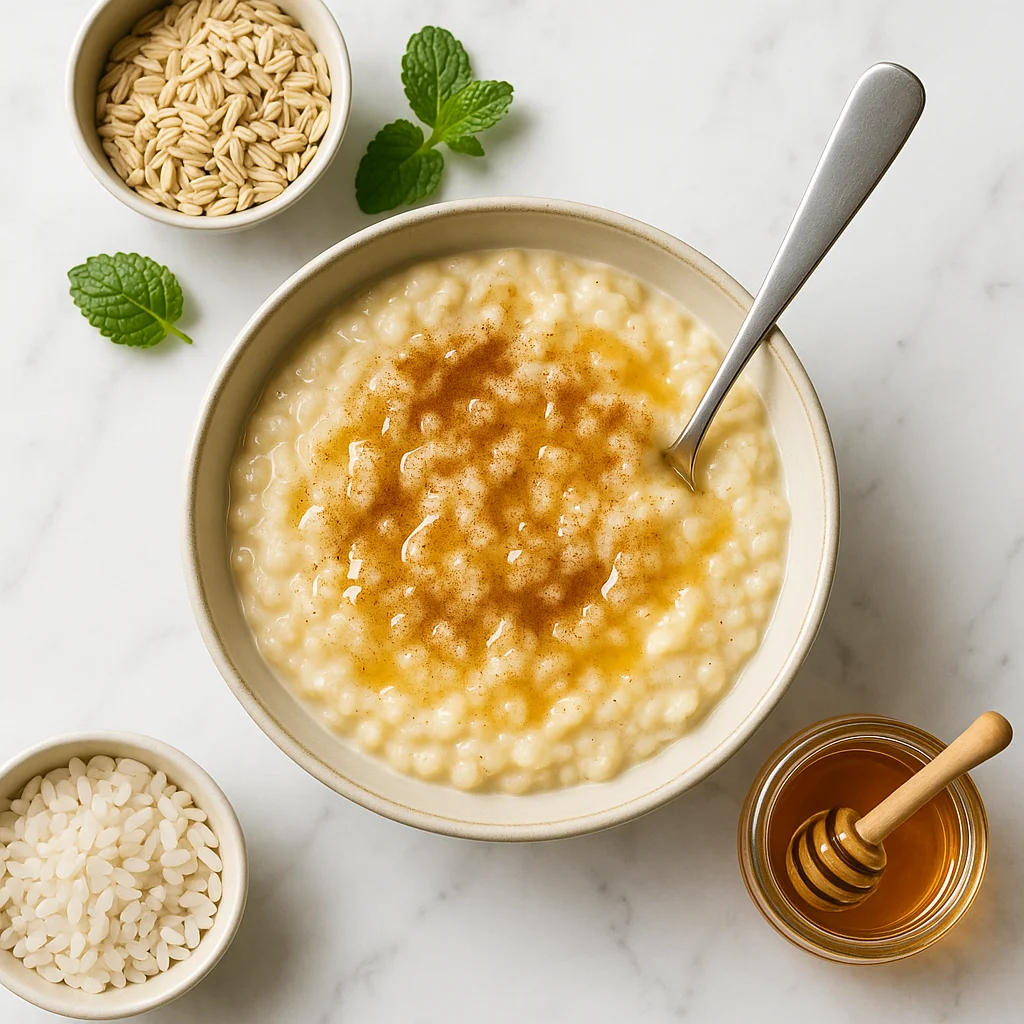
Healthy Rizogalo Greek Rice Pudding with Oat Milk and Honey
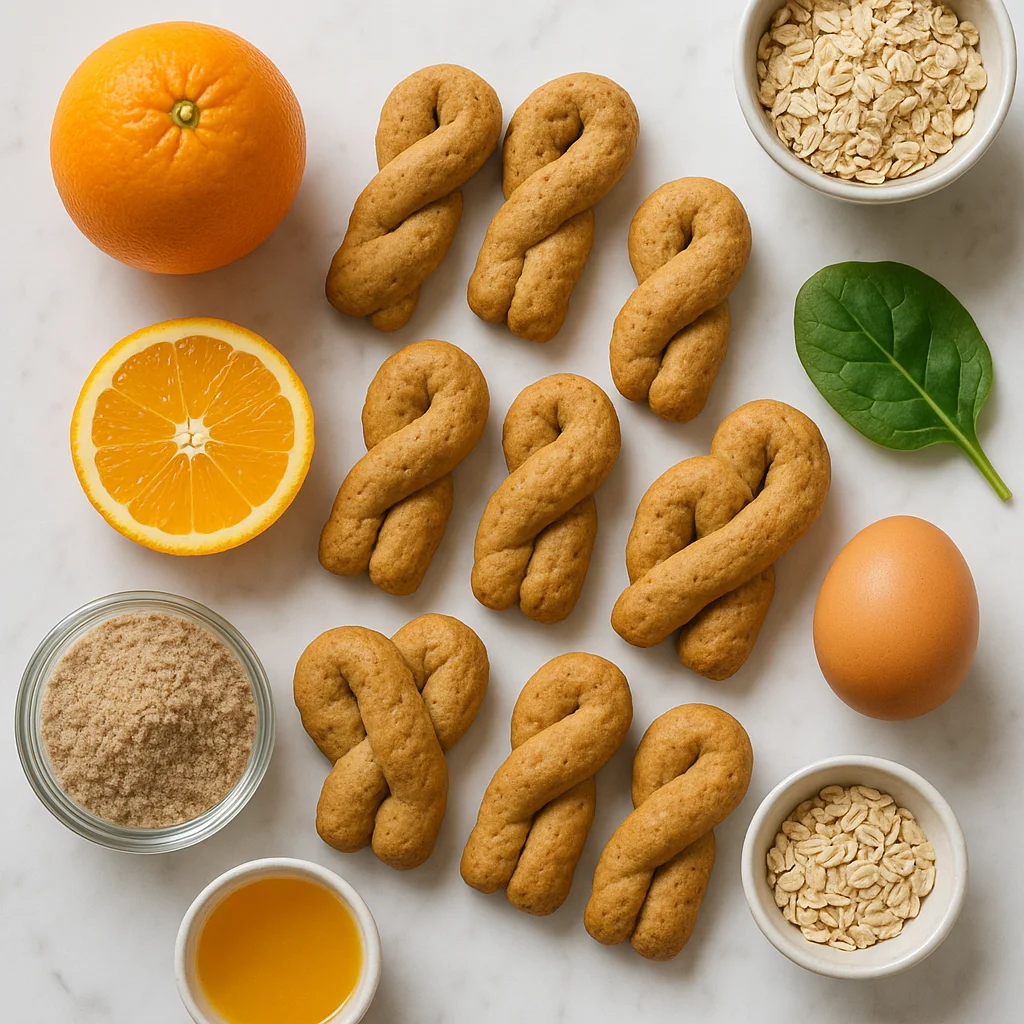
Healthy Koulourakia Greek Easter Cookies with Spelt and Orange
Healthy Loukoumades Greek Honey Donuts with Spelt and Raw Honey