Creamy Vegan Rice Pudding with Coconut Milk and Maple Syrup
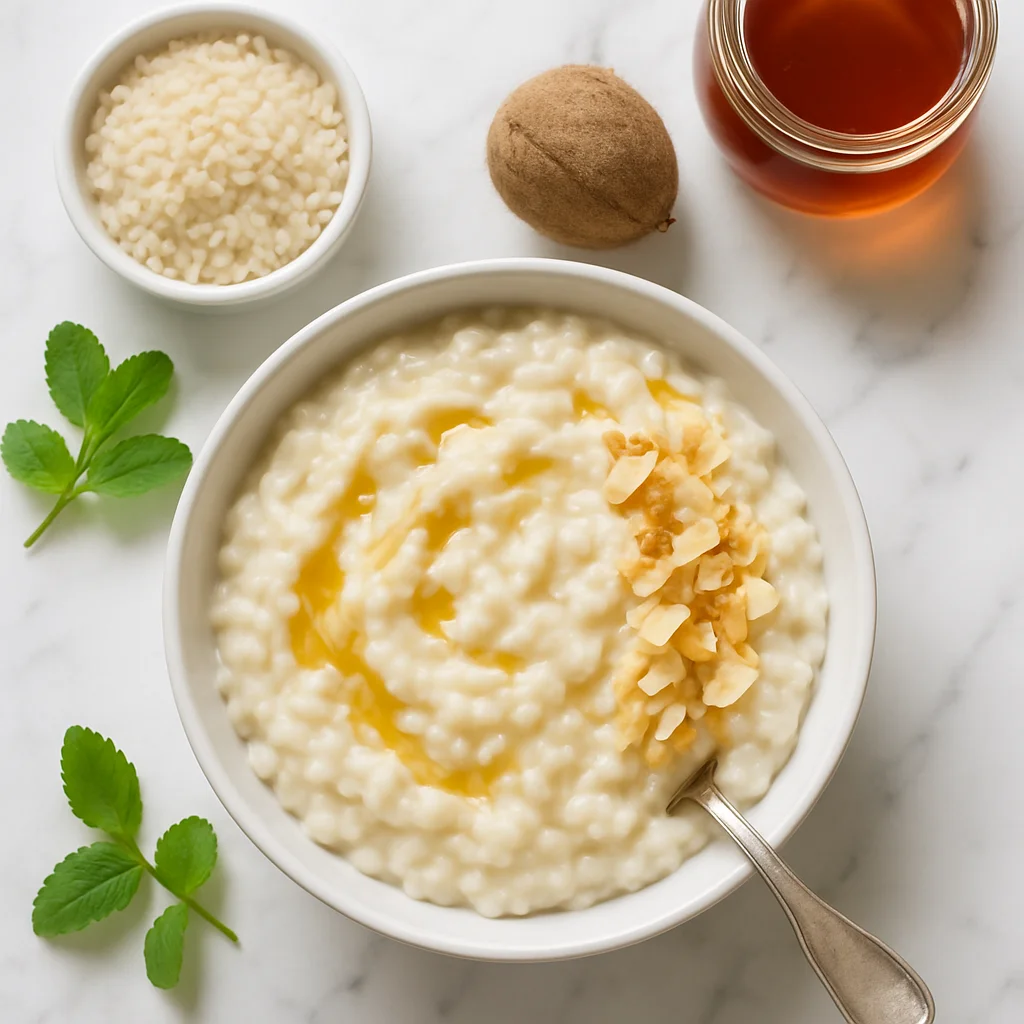
If you have ever craved a bowl of warm, creamy rice pudding but wanted something that fits a plant-based lifestyle without sacrificing that indulgent texture, this vegan rice pudding with coconut milk is about to become your new favourite dessert. It is silky, gently spiced, naturally sweetened, and genuinely healthier than the traditional dairy-laden versions you grew up with, yet it delivers every bit of the cosy satisfaction you are looking for. Whether you serve it warm on a chilly evening or chilled straight from the fridge on a summer afternoon, this recipe hits that sweet spot between wholesome and deeply comforting.
Traditional rice pudding recipes typically rely on whole milk, heavy cream, and large amounts of refined white sugar. A single serving can clock in at well over 300 calories with very little fibre or nutritional value beyond carbohydrates. This version flips the script entirely. By using light coconut milk blended with unsweetened oat milk, we achieve that rich, velvety consistency without the saturated fat overload of full-fat dairy. Pure maple syrup replaces refined sugar, bringing a complex, caramel-like sweetness with a fraction of the glycaemic impact.
We use short-grain brown rice instead of white rice, which significantly increases the fibre content and adds a subtle nutty depth that makes the pudding taste even more interesting. The secret to truly creamy rice pudding lies in the starch content of your rice. Short-grain varieties, including arborio, which is famous for making risotto so luxuriously thick, release starch gradually as they cook, creating that signature pudding-like consistency without any need for eggs, cornstarch, or other thickeners. Brown rice takes a little longer to cook than white, but the payoff is a more filling, nutrient-dense dessert that keeps you satisfied for longer.
The starring ingredient here is light coconut milk, and it does extraordinary work in this recipe. Its natural creaminess provides a luxurious mouthfeel while contributing medium-chain triglycerides, a form of fat the body processes more efficiently than long-chain fats found in dairy cream. The subtle tropical flavour of coconut pairs beautifully with warm cinnamon and a hint of vanilla, creating a pudding that feels exotic yet familiar at the same time. A pinch of cardamom adds an unexpected floral warmth that elevates the whole bowl.
We have kept the maple syrup quantity intentionally modest. Just three tablespoons is enough to sweeten four generous servings, giving each portion around 8 grams of sugar, significantly lower than the 18 to 25 grams typically found in a standard rice pudding recipe. The natural sugars in oat milk also contribute a mild background sweetness, so you rarely need as much added sweetener as you might expect. A tip borrowed from experienced rice pudding makers: taste and adjust sweetness only at the very end, once the pudding has thickened, because the flavours concentrate considerably during cooking.
One technique that makes a real difference is soaking the rice before you begin. Even a 30-minute soak in cold water, or up to an hour if you have the time, helps the grains absorb liquid more evenly during cooking, leading to a creamier, more uniform texture. If you are short on time, the recipe works perfectly well without soaking, but it is a worthwhile step if you want to take the pudding to the next level.
This recipe is incredibly versatile and forgiving. Once you have mastered the base, you can customise it endlessly. Fresh mango and toasted coconut flakes turn it into a tropical parfait. A spoonful of homemade berry compote swirled on top adds a vibrant, antioxidant-rich contrast. You could stir in a tablespoon of almond butter for added protein and healthy fats, or fold in a spoonful of your favourite jam at the end for a fruity ripple effect, a technique popular with many plant-based cooks.
For those with dietary restrictions beyond veganism, this recipe is naturally gluten-free, dairy-free, egg-free, and refined-sugar-free, making it one of the most inclusive desserts you can serve at a gathering. It is also surprisingly simple to make, no oven required, no special equipment beyond a medium saucepan and a wooden spoon, and the process is mostly hands-off gentle simmering with occasional stirring.
From a nutritional standpoint, each serving of this vegan rice pudding with coconut milk provides around 210 calories, 4 grams of fibre, and a modest 8 grams of sugar. The brown rice provides B vitamins and manganese, coconut milk contributes immune-supporting lauric acid, and oat milk brings a small amount of beta-glucan, a soluble fibre linked to heart health.
Serve this pudding in small bowls with a dusting of cinnamon, a drizzle of extra maple syrup, and perhaps a scattering of fresh pomegranate seeds, raisins, or sliced almonds for texture. It keeps beautifully in the fridge for up to four days, making it an ideal meal-prep dessert or a quick healthy breakfast option for busy mornings. Once you try this plant-based version, it is very hard to imagine going back to the traditional recipe.
Ingredients
- 3 cup short-grain brown rice (rinsed well under cold water; arborio rice is an excellent substitute for extra creaminess)
- 1 can (400ml) light coconut milk (shake the can well before opening; not full-fat — reduces calories while keeping creaminess)
- 1.5 cups unsweetened oat milk (oat milk gives the best creamy result; soy milk works well for higher protein; almond milk makes a slightly thinner pudding)
- 3 cup water (used for the initial rice-cooking stage; can substitute with additional oat milk for a richer result)
- 3 tablespoons pure maple syrup (plus extra to taste; add at the end of cooking once you can judge the concentrated sweetness)
- 1 teaspoon pure vanilla extract (add off the heat to preserve its aroma; vanilla bean paste is a beautiful upgrade)
- 1 teaspoon ground cinnamon (plus extra for serving; a whole cinnamon stick added during cooking adds even deeper flavour — remove before serving)
- 1 teaspoon ground cardamom (optional but highly recommended — adds floral warmth that complements coconut beautifully)
- 1 teaspoon fine sea salt (do not skip — salt balances sweetness and brings out the coconut flavour)
- 1 teaspoon lemon zest (optional but adds a bright, fresh contrast to the richness; orange zest works equally well)
Instructions
- 1
Rinse the brown rice in a fine-mesh sieve under cold running water for about 30 seconds until the water runs mostly clear. This removes excess surface starch and prevents the pudding from becoming gluey.
For an even creamier result, soak the rinsed rice in cold water for 30 minutes to 1 hour before cooking, then drain. This helps the grains cook more evenly and release starch more gradually.
- 2
Combine the rinsed rice, water, and a pinch of the sea salt in a medium heavy-bottomed saucepan. Bring to a boil over medium-high heat, then reduce to a gentle simmer, cover, and cook for 20 minutes until the water is mostly absorbed.
Using a heavy-bottomed saucepan — ideally a Dutch oven or enamelled pot — distributes heat evenly and significantly reduces the risk of scorching on the bottom.
- 3
Pour in the light coconut milk and oat milk. Stir well to combine, scraping any rice from the bottom of the pan. Add the maple syrup, cinnamon, cardamom, and remaining sea salt. Stir again to incorporate.
Shake the can of coconut milk well before opening to recombine any separated cream and liquid. Add the milks gradually while stirring to prevent splattering.
- 4
Bring the mixture to a gentle simmer over medium heat, then reduce to low. Cook uncovered, stirring every 4 to 5 minutes, for 30 to 35 minutes until the rice is very tender and the pudding has thickened to a creamy, spoonable consistency.
The pudding will continue to thicken significantly as it cools, so pull it from the heat when it looks slightly looser than your target consistency. Low, steady heat is the key — do not rush this stage.
- 5
Remove the pan from heat and stir in the vanilla extract and lemon zest if using. Taste and adjust sweetness by adding a little more maple syrup if desired.
Adding vanilla off the heat preserves its delicate aromatic compounds that evaporate quickly at high temperatures. This is also the best moment to taste and adjust sweetness — the flavour will be more concentrated now than it was mid-cook.
- 6
Spoon into serving bowls. Serve warm immediately with a dusting of extra cinnamon, or allow to cool for 15 minutes before refrigerating to serve chilled. Top with fresh fruit, toasted coconut flakes, a swirl of jam, or a drizzle of maple syrup as desired.
If serving chilled, press a sheet of cling film directly onto the surface of the pudding before refrigerating to prevent a skin from forming. Stir in a splash of oat milk before serving to restore the creamy consistency.
Nutrition per serving
210kcal
Calories
4g
Protein
36g
Carbs
6g
Fat
4g
Fibre
8g
Sugar
95mg
Sodium
Pro Tips
- ✓
Short-grain rice varieties, including arborio, produce the creamiest pudding because their higher starch content creates a naturally thick, velvety texture without any thickeners. If you substitute arborio for brown rice, reduce the total cooking time by about 15 minutes.
- ✓
Stir the pudding every 4 to 5 minutes during the final simmering stage. Regular stirring prevents the bottom from scorching and encourages the rice to release its starch gradually into the liquid, which is what creates that signature creamy consistency.
- ✓
If your pudding thickens too much upon cooling, whisk in warm oat milk a few tablespoons at a time until you reach your desired consistency. Cold milk added directly can cause uneven texture, so always warm it briefly first.
- ✓
For a richer, more indulgent pudding, swap light coconut milk for full-fat coconut milk. The result will be noticeably more luscious and closer to a traditional rice pudding texture, just note it will increase the calorie and saturated fat count per serving.
- ✓
Toast a small handful of coconut flakes in a dry pan over medium heat for 1 to 2 minutes, stirring constantly, until golden. Add these on top just before serving for a gorgeous contrasting crunch and a toasty, nutty flavour.
- ✓
For meal prep, divide the cooled pudding into individual 250ml glass jars with lids. Store in the fridge for up to 4 days and add toppings fresh each morning, this makes an excellent grab-and-go breakfast as well as a healthy dessert.
Frequently Asked Questions
Variations
- •
Tropical Mango Rice Pudding
Stir 1/4 teaspoon of turmeric into the pudding for a golden hue, and top each serving with fresh diced mango, toasted coconut flakes, and a squeeze of lime juice.
- •
Spiced Chai Rice Pudding
Add 1/4 teaspoon each of ground ginger, ground cloves, and ground nutmeg alongside the cinnamon and cardamom for a warming chai-spiced version. Top with a black tea reduction drizzle.
- •
Berry Compote Rice Pudding
Simmer 1 cup of mixed frozen berries with 1 teaspoon of maple syrup and a squeeze of lemon juice for 5 minutes to make a quick compote. Swirl over the finished pudding before serving.
- •
Chocolate Coconut Rice Pudding
Whisk 2 tablespoons of unsweetened cocoa powder into the milk mixture before adding to the rice. Top with cacao nibs and a few raspberries for a decadent-feeling yet healthy dessert.
- •
Peanut Butter Banana Rice Pudding
Stir 1 tablespoon of natural peanut butter into each warm serving and top with sliced banana and a sprinkle of hemp seeds for added protein and healthy fats.
Substitutions
- •Short-grain brown rice → Short-grain white rice or arborio rice (Reduces cook time by about 15 minutes but also reduces fibre content significantly.)
- •Oat milk → Almond milk, soy milk, or rice milk (Soy milk provides the highest protein content. Rice milk will make the pudding sweeter and thinner. Almond milk works well but yields a slightly less creamy result.)
- •Maple syrup → Agave nectar, coconut sugar, or date syrup (Coconut sugar will slightly alter the colour to a more golden-brown tone. Date syrup adds extra fibre and minerals. Agave has a milder flavour.)
- •Light coconut milk → Full-fat coconut milk (Will significantly increase richness and creaminess but also increases calories and saturated fat per serving.)
- •Ground cardamom → Ground nutmeg (Nutmeg provides warmth but has a slightly more pungent flavour, use a very small pinch as it can overwhelm.)
🧊 Storage
Store leftover rice pudding in an airtight container in the refrigerator for up to 4 days. When ready to serve, reheat gently on the stovetop over low heat or in the microwave in 30-second intervals, stirring between each, and add a splash of oat milk or coconut milk to restore creaminess. This pudding is not suitable for freezing as the texture becomes grainy upon thawing.
📅 Make Ahead
This vegan rice pudding is an excellent make-ahead dessert. Prepare the full recipe up to 4 days in advance and store refrigerated. It actually tastes wonderful cold straight from the fridge, simply add a splash of plant milk and a fresh topping before serving. For meal prep, divide into individual airtight jars or containers for grab-and-go portions.
More Vegan Desserts Recipes
Vegan Banana Nice Cream
Vegan Chocolate Chia Pudding
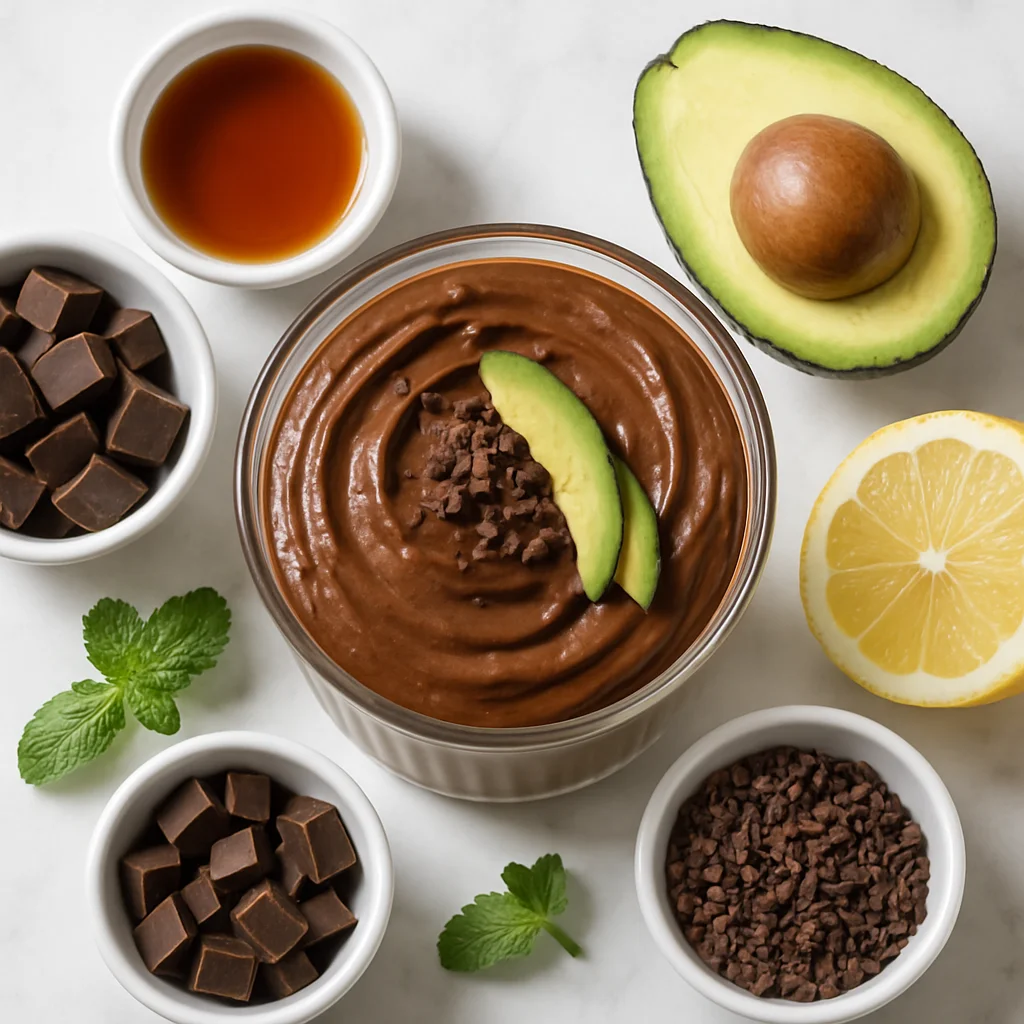
Creamy Vegan Chocolate Avocado Mousse (5 Ingredients, No Refined Sugar)