Olive Oil Lemon Cake Mediterranean Diet Style with Almond Flour and Honey
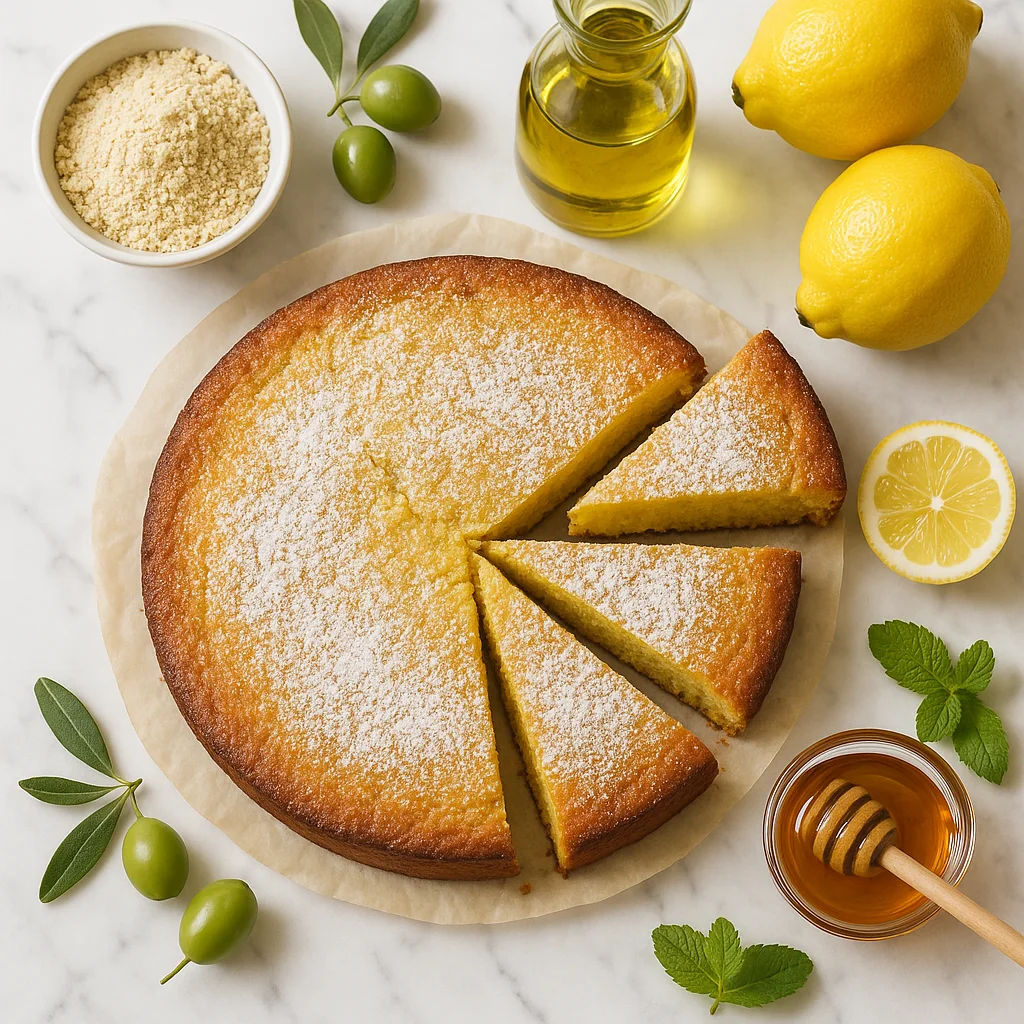
Olive oil in cake batter sounds wrong until you consider that olive oil is used in Mediterranean baking the way butter is used in Northern European baking: as the primary fat that provides richness, moisture and flavour. Greek and Italian bakers have been making olive oil cakes for centuries, long before the health narrative around olive oil became part of the reason people sought these recipes out. The result is a cake that is denser and moister than a butter cake, with a fruity, slightly savoury undertone from the oil that works particularly well with lemon and almond. This version, made with almond flour and honey, leans into the Mediterranean tradition completely and produces a cake that improves over two days as the oil and lemon flavours develop.
Why this recipe works
Extra-virgin olive oil contributes heart-healthy monounsaturated fats and a distinctive fruity flavour that no other fat can replicate in this context. Using a mild or medium olive oil rather than an aggressively robust one keeps the oil flavour present but not dominant, allowing the lemon and almond to remain the primary notes. Almond flour produces the dense, moist crumb characteristic of the best Mediterranean olive oil cakes. Honey provides sweetness with depth and a golden colour that caramelises beautifully on the surface.
Getting it right
Use a good quality extra-virgin olive oil, but not one with an extremely strong or peppery flavour. A mild, fruity Ligurian or Greek olive oil works better here than a robust Sicilian or Cretan variety that might overpower the lemon.
The batter will look very wet compared to a butter-based cake batter. This is correct. Almond flour absorbs the liquid differently to wheat flour and the batter firms during baking.
Common mistakes
Overbaking is the most common issue with olive oil and almond flour cakes. They can look done before they are fully set, and a few extra minutes turns a moist, fudgy crumb into a dry, slightly crumbly one. Test with a skewer and remove the moment it comes out with just a few moist crumbs.
Using a low-quality or flavourless olive oil produces a cake that tastes of almond and lemon without the olive oil character that makes this recipe distinctive.
Substitutions
Blood orange juice and zest replace lemon for a visually striking pink-tinged cake with a sweeter, more complex citrus flavour. A tablespoon of Greek yogurt stirred into the batter adds extra moisture. Chopped pistachios scattered over the top before baking add colour and crunch.
Serving suggestion
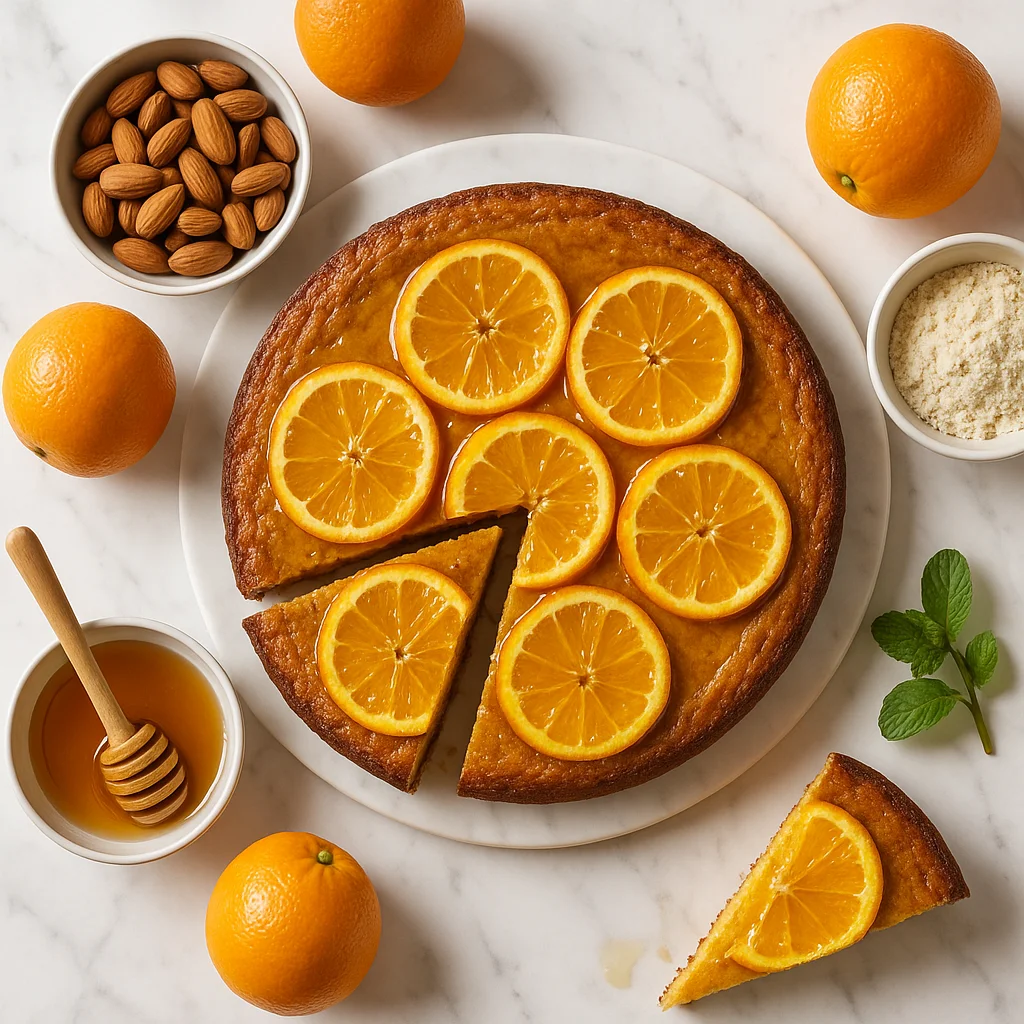
Serve at room temperature, dusted with icing sugar and accompanied by a few orange slices. The cake keeps well in an airtight container for four days and is at its best on the second and third day. A glass of sweet white wine or a cup of strong Greek coffee alongside is entirely appropriate.
Ingredients
- 2 cups blanched almond flour (packed and levelled)
- 3 tbsp tapioca flour (helps bind and lift)
- 1 tsp baking soda
- 1 tsp fine sea salt
- 3 large eggs (at room temperature)
- 1 cup raw honey (or pure maple syrup for a more neutral sweetness)
- 1 cup extra virgin olive oil (use a mild, fruity variety)
- 3 tbsp fresh lemon juice (approximately 1 large lemon)
- 2 tbsp fresh lemon zest (approximately 2 large lemons, finely grated)
- 1 tsp pure vanilla extract
- 2 tbsp unsweetened almond milk (or any plant milk)
- 1 tbsp poppy seeds (optional but adds lovely texture)
Instructions
- 1
Preheat your oven to 170C (340F). Line a 9-inch round cake tin with parchment paper, greasing the sides lightly with a little olive oil.
Use a springform tin if you have one. It makes removing the cake much cleaner.
- 2
In a large mixing bowl, whisk together the almond flour, tapioca flour, baking soda and sea salt until evenly combined with no lumps.
Sift the almond flour if it looks at all clumpy. This gives a smoother crumb.
- 3
In a separate bowl, whisk the eggs vigorously for about 60 seconds until slightly frothy. Add the honey, olive oil, fresh lemon juice, lemon zest, vanilla extract and almond milk. Whisk again until everything is fully combined and the mixture looks glossy.
Room temperature eggs blend far more smoothly with the oil. Take them out 30 minutes before you start.
- 4
Pour the wet ingredients into the dry ingredients and fold gently with a spatula until a smooth, thick batter forms. Fold in the poppy seeds if using. Avoid over-mixing.
- 5
Transfer the batter into your prepared tin and smooth the top with the back of a spoon or a small offset spatula. The batter will be slightly thick.
Give the tin a gentle tap on the counter twice to release any air bubbles trapped in the batter.
- 6
Bake on the middle rack for 35 to 38 minutes, until the top is deep golden and a toothpick inserted into the centre comes out clean or with just a few dry crumbs attached.
Almond flour cakes can brown quickly on top. If yours looks dark at the 25-minute mark, lay a loose piece of foil over the top and continue baking.
- 7
Remove from the oven and allow the cake to cool in the tin for 15 minutes before transferring to a wire rack. Let it cool completely before slicing.
The cake firms up significantly as it cools. Cutting it warm will cause crumbling, so patience pays off here.
- 8
Serve slices at room temperature. Dust with a little powdered monk fruit sweetener or freeze-dried lemon powder for a pretty finish, or simply enjoy the golden crust as it is.
Nutrition per serving
210kcal
Calories
6g
Protein
14g
Carbs
16g
Fat
2.8g
Fibre
9g
Sugar
115mg
Sodium
Pro Tips
- ✓
Use the freshest lemons you can find. The zest carries most of the fragrant citrus oil, so dull or waxed lemons will give a flat result.
- ✓
A mild or light extra virgin olive oil works best here. A very robust, peppery oil can overpower the lemon, though some people love that contrast.
- ✓
Do not skip the resting time after baking. The flavour genuinely deepens overnight and the texture becomes more cohesive.
- ✓
If your honey is crystallised, warm it gently in a bowl of hot water for a few minutes before measuring. Liquid honey blends far more evenly.
- ✓
For a higher protein slice, serve alongside a spoonful of plain Greek yoghurt. It pairs naturally with the lemon and adds creaminess.
Frequently Asked Questions
Variations
- •
Lemon Poppy Seed Version
Double the poppy seeds to 2 full tablespoons for a classic lemon poppy seed flavour and extra crunch throughout each slice.
- •
Orange and Olive Oil Cake
Swap the lemon juice and zest for equal amounts of fresh orange juice and zest. Add a small pinch of cinnamon for a warm, Moroccan-inspired twist.
- •
Lemon Blueberry Variation
Fold 3/4 cup of fresh or frozen blueberries into the batter just before pouring into the tin. The berries burst during baking and create pockets of jammy sweetness.
- •
Cardamom Lemon Cake
Add 1/2 teaspoon of ground cardamom to the dry ingredients. This gives the cake a fragrant, Middle Eastern warmth that complements the citrus and honey beautifully.
Substitutions
- •Raw honey → Pure maple syrup (Use the same quantity. Maple syrup is slightly less sweet so the result is a little more subtle.)
- •Tapioca flour → Arrowroot powder or cornstarch (Both work as a 1:1 swap and perform the same binding role.)
- •Almond milk → Any plant-based milk or even water (The small quantity means the flavour difference is minimal. Oat milk adds a tiny bit of extra sweetness.)
- •Extra virgin olive oil → Avocado oil (Avocado oil is more neutral in flavour and keeps the cake just as moist. It is a good choice if you want the lemon to be front and centre.)
- •Blanched almond flour → Oat flour (For a nut-free version, oat flour works at the same quantity. The texture will be slightly lighter and less dense. The cake will no longer be grain-free.)
🧊 Storage
Store the cooled cake in an airtight container at room temperature for up to 2 days, or refrigerate for up to 5 days. Bring slices to room temperature before serving for the best texture. The cake can also be frozen in individual slices, wrapped tightly in cling film and placed in a freezer bag, for up to 2 months. Thaw overnight in the refrigerator.
📅 Make Ahead
This cake is an excellent make-ahead bake. Prepare it the day before you plan to serve it. The lemon flavour intensifies and the crumb settles into a more cohesive, sliceable texture after resting overnight in the refrigerator. Remove from the fridge at least 30 minutes before serving.
More Mediterranean Diet Desserts Recipes
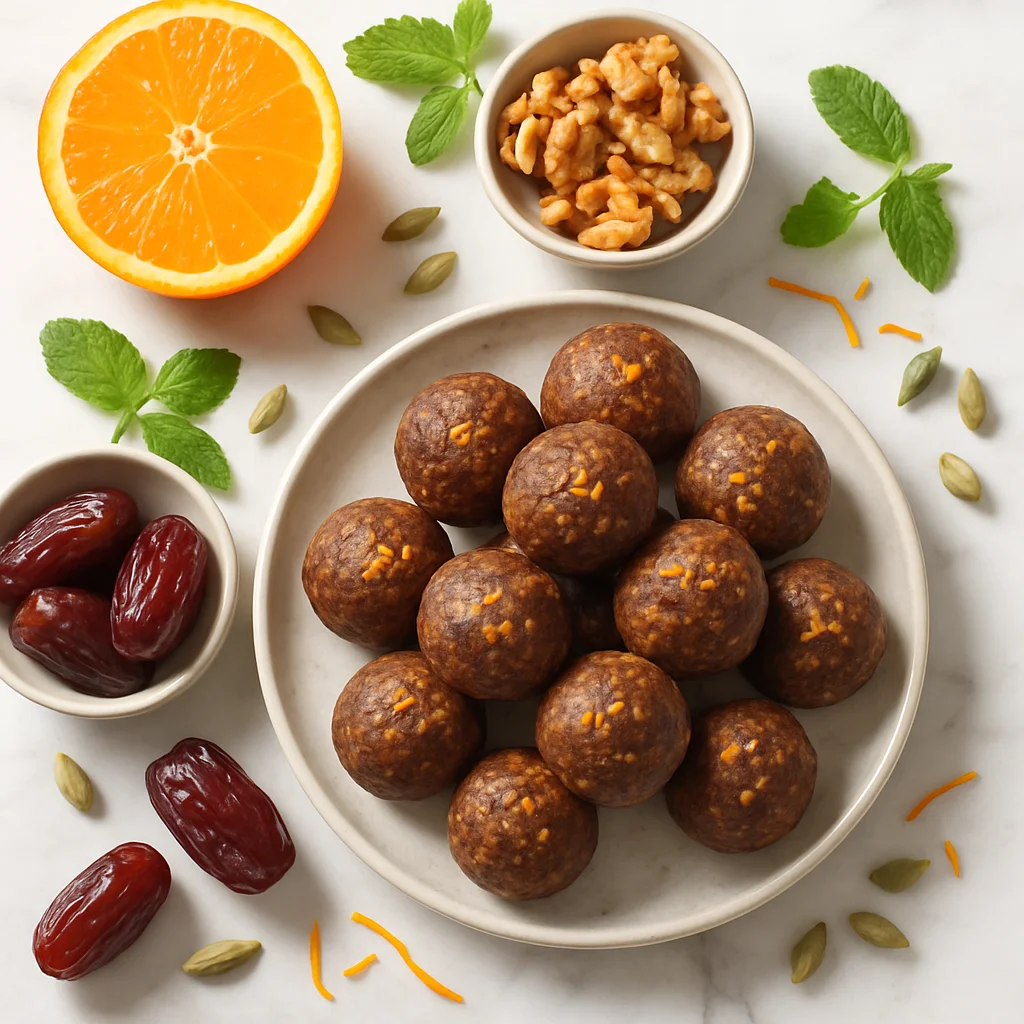
Mediterranean Walnut Date Energy Balls with Orange Zest and Cardamom
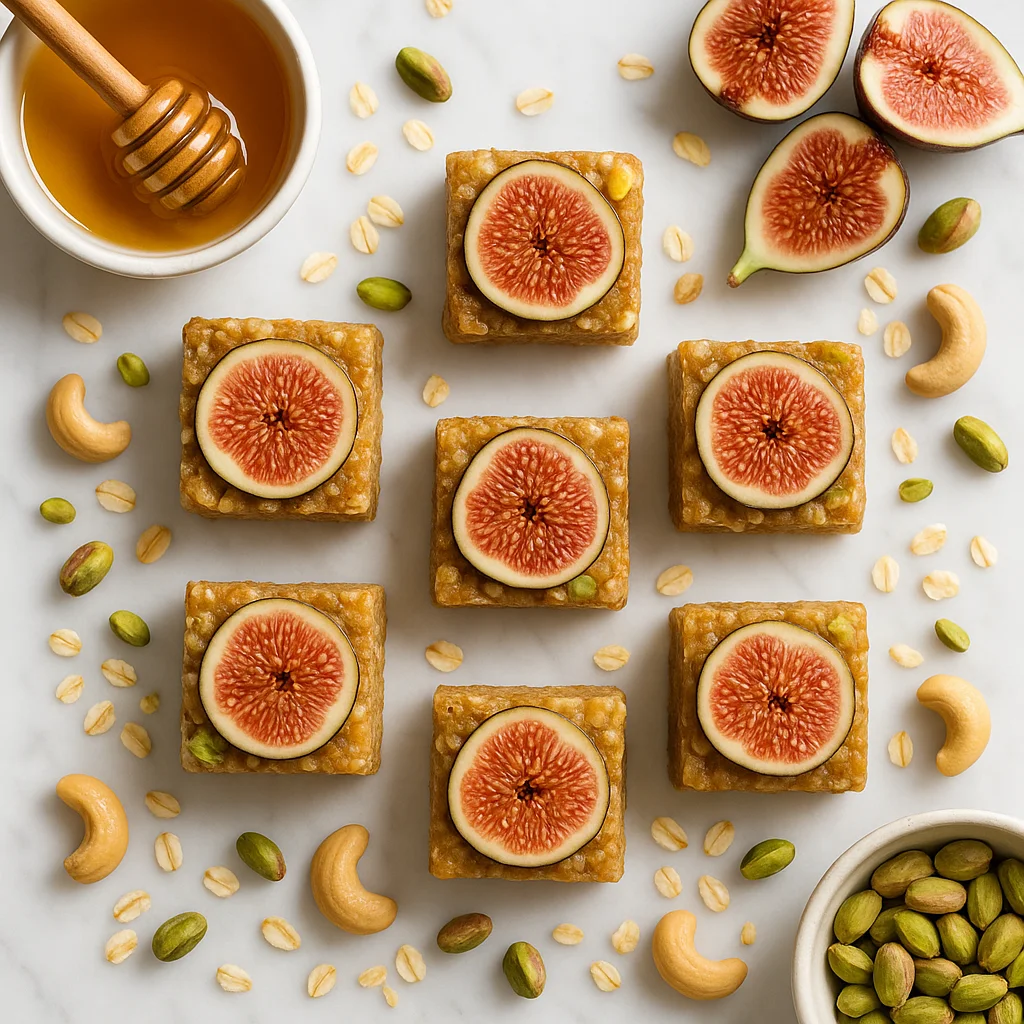
Mediterranean Fig Honey Bites No Bake
Honey-Sweetened Almond Orange Flourless Cake with Whole Boiled Oranges