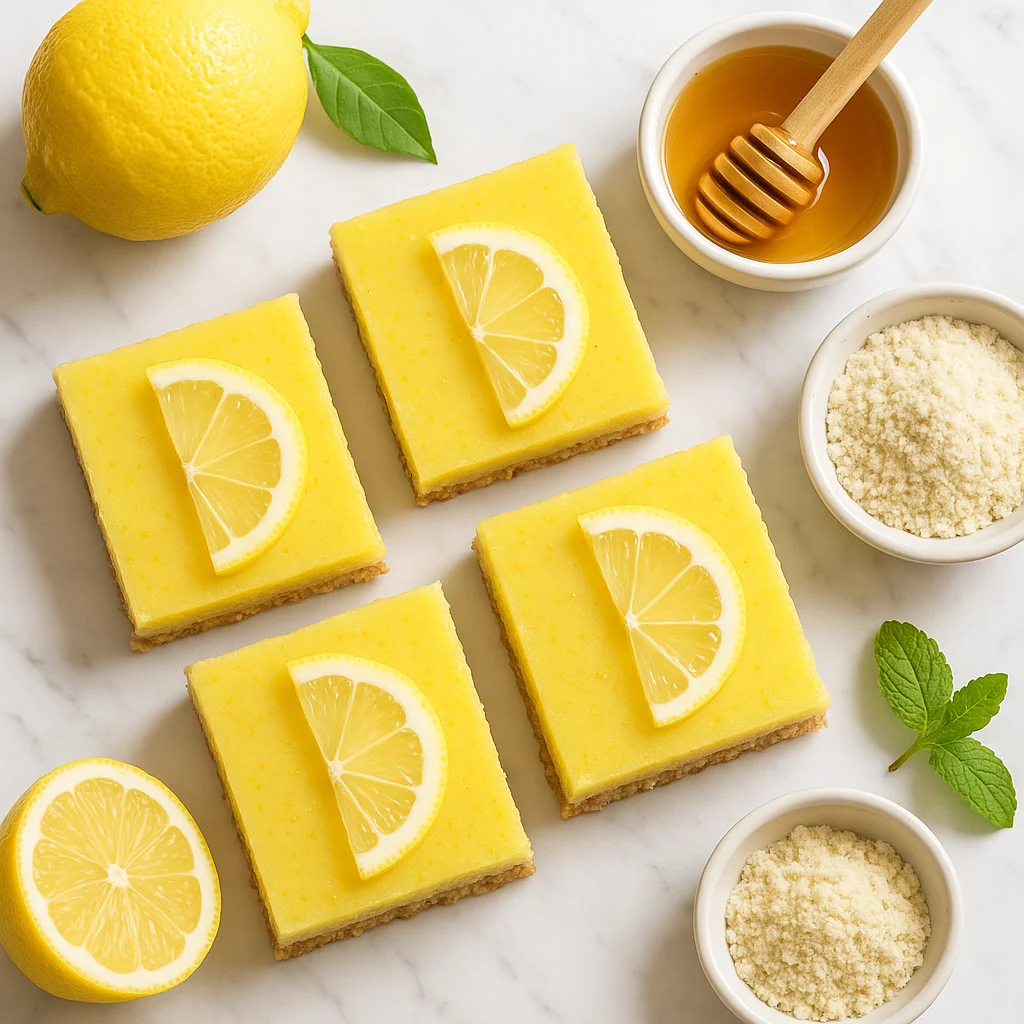
No Bake Vegan Lemon Cheesecake with a Date and Oat Crust
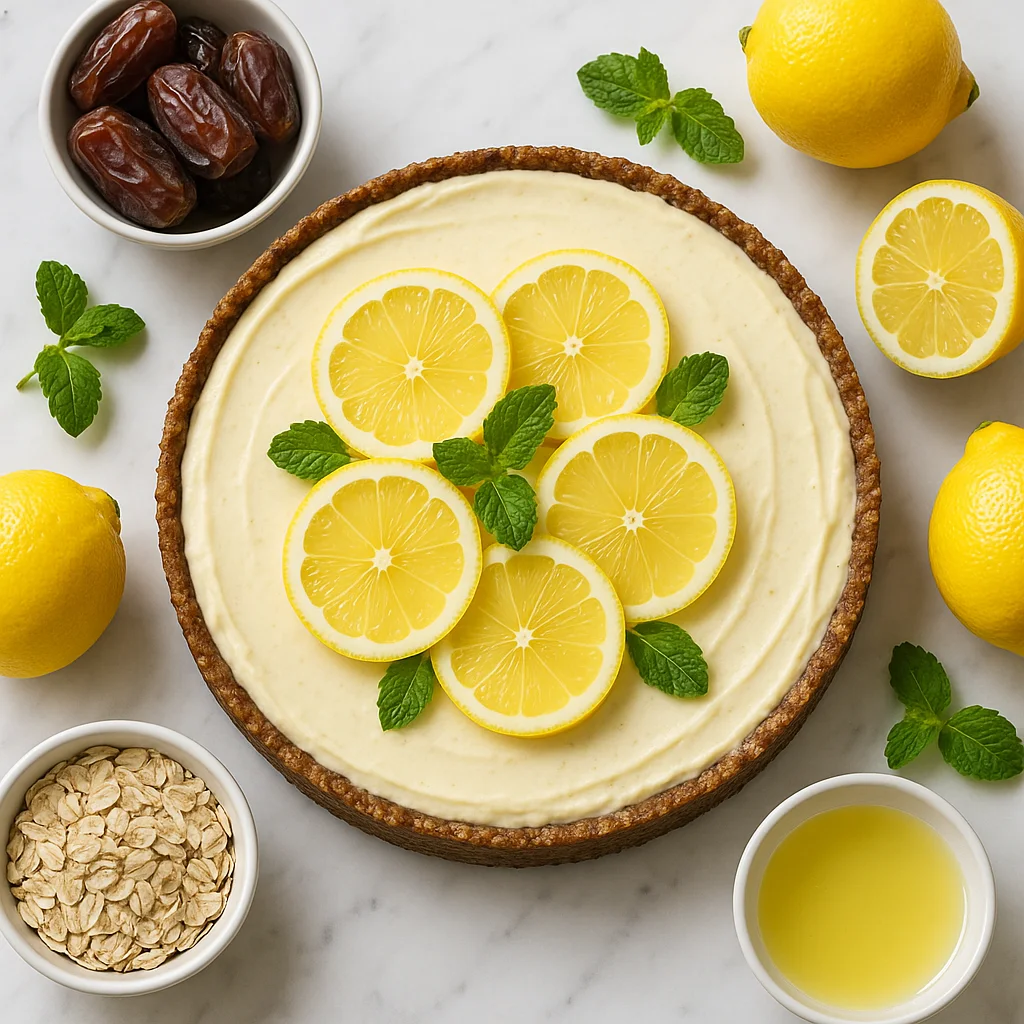
If you have been searching for a dessert that feels indulgent but actually does your body a favour, this no bake vegan lemon cheesecake is the answer. It is bright, creamy and properly lemony, the kind of dessert that makes guests ask for the recipe before they have even finished their slice. There is no refined sugar here, no dairy, no baking required and absolutely no compromise on flavour. The whole thing comes together in about 20 minutes of active prep, then the fridge does the hard work for you. It suits anyone following a plant-based diet, and it is equally brilliant for anyone who simply wants a lighter, cleaner dessert that still feels like a treat.
The base is built from rolled oats and soft Medjool dates, blitzed together until they form a sticky, fudgy dough that presses easily into a tin. Medjool dates bring natural caramel sweetness and a good dose of fibre, while the oats add slow-release carbohydrates and a satisfying chew. The filling starts with raw cashews that have been soaked overnight, which transforms them into something genuinely silky when blended. Soaked cashews are one of the most useful tools in plant-based baking because they create that thick, creamy texture without any cream cheese or heavy dairy. Coconut cream adds body and richness, fresh lemon juice brings the sharp citrus tang you need for a proper cheesecake flavour, and lemon zest layers in a fragrant, aromatic depth that juice alone cannot deliver. A small amount of pure maple syrup sweetens everything gently without spiking the sugar content, and a touch of coconut oil helps the filling set firm in the fridge.
The texture of this cheesecake is genuinely impressive. Once it has had four hours to chill, the filling slices cleanly and holds its shape on the plate. It is dense and creamy in the way a good cheesecake should be, not icy or grainy like some frozen versions can be. The flavour is boldly lemony with a gentle sweetness that never tips into cloying territory. Serve it straight from the fridge with a scatter of fresh lemon zest on top, a few thin lemon slices fanned across the surface, or a handful of fresh raspberries for a pop of colour and a fruity contrast. It works beautifully as a dinner party dessert because you can make it the day before and it only improves overnight as the flavours settle and the filling firms up further.
From a nutritional standpoint, this recipe carries some genuine advantages over a traditional lemon cheesecake. A conventional slice can contain upwards of 400 calories and carries significant amounts of refined sugar and saturated fat from cream cheese and butter. This version sits closer to 240 calories per slice, uses only whole food sources of fat, and gets its sweetness entirely from dates and a modest amount of maple syrup. Cashews are rich in magnesium and copper, both important for energy metabolism and immune function. The oat base adds beta-glucan fibre, which supports heart health and keeps you feeling full for longer. The whole dessert is also naturally gluten-free if you use certified gluten-free oats, making it accessible for a wider range of guests. It is a dessert you can feel genuinely good about serving, and even better about eating.
Ingredients
- 200 g rolled oats (use certified gluten-free oats if needed)
- 200 g Medjool dates (pitted, roughly 12 large dates)
- 3 tbsp coconut oil (melted, divided)
- 1 pinch fine sea salt
- 280 g raw cashews (soaked in cold water for at least 8 hours, then drained)
- 160 ml coconut cream (from a chilled tin, use the thick part only)
- 80 ml fresh lemon juice (approximately 3 large lemons)
- 2 tsp lemon zest (finely grated, plus extra to serve)
- 60 ml pure maple syrup (adjust to taste)
- 1 tsp vanilla extract
- 2 tbsp coconut oil (melted, for the filling)
- 1 tbsp arrowroot powder (helps the filling set firmly)
Instructions
- 1
Line the base and sides of a 20cm springform tin with baking paper. Set it aside while you prepare the crust.
Lightly greasing the tin before adding the baking paper helps it stay in place while you press in the crust.
- 2
Add the rolled oats to a food processor and blitz for about 30 seconds until they form a rough flour. Add the pitted Medjool dates, 1 tablespoon of the melted coconut oil and the pinch of sea salt. Process for a further 60 to 90 seconds until the mixture clumps together when pressed between your fingers.
If your dates feel dry, soak them in warm water for 10 minutes first and pat dry before using. The mixture should feel like wet sand that holds together when squeezed.
- 3
Tip the crust mixture into the prepared tin. Use the back of a spoon or the base of a flat glass to press it firmly and evenly across the bottom. Place the tin in the freezer for 15 minutes to firm up while you make the filling.
- 4
Drain and rinse the soaked cashews thoroughly. Add them to a high-speed blender along with the coconut cream, fresh lemon juice, lemon zest, maple syrup, vanilla extract, the remaining 2 tablespoons of melted coconut oil and the arrowroot powder.
A high-speed blender is really important here. A regular food processor will not get the cashews smooth enough and the filling may turn out slightly grainy.
- 5
Blend the filling on high speed for 2 to 3 minutes, scraping down the sides as needed, until the mixture is completely smooth and creamy with no visible cashew pieces. Taste and add a little extra lemon juice or maple syrup if you feel it needs adjusting.
The filling should be thick enough to coat the back of a spoon. If it seems too thin, add another teaspoon of arrowroot powder and blend again.
- 6
Remove the tin from the freezer. Pour the lemon filling over the chilled crust and smooth the top with a spatula or the back of a spoon. Tap the tin gently on the counter a few times to release any air bubbles.
- 7
Cover the tin loosely with cling film or a plate and place it in the fridge. Chill for a minimum of 4 hours, though overnight is better for the cleanest slices and the most developed flavour.
Resist the urge to move it to the freezer to speed things up. A slow fridge chill gives you a creamy, scoopable texture rather than a frozen solid one.
- 8
Once fully set, run a thin knife around the edge of the tin before releasing the springform clasp. Slide the cheesecake onto a serving plate, scatter over extra lemon zest and decorate as you like. Slice with a sharp, clean knife for neat portions.
Dipping your knife in hot water and wiping it dry between cuts gives you much cleaner slices.
Nutrition per serving
242kcal
Calories
6g
Protein
26g
Carbs
13g
Fat
3g
Fibre
12g
Sugar
48mg
Sodium
Pro Tips
- ✓
Soaking the cashews overnight in the fridge gives the creamiest, smoothest filling. If you are short on time, cover them in boiling water for 1 hour instead.
- ✓
Chill your tin of coconut cream in the fridge overnight so the thick cream separates from the liquid, making it easier to scoop out just the thick part.
- ✓
Always zest your lemons before juicing them. It is almost impossible to zest a juiced lemon.
- ✓
For the cleanest slices, chill the cheesecake overnight and cut with a warm, dry knife.
- ✓
This recipe scales up easily. Double the quantities and use a 24cm springform tin for a larger gathering.
Frequently Asked Questions
Variations
- •
Lemon and Blueberry
Press a handful of fresh blueberries into the top of the cheesecake just before chilling. The berries sink slightly as it sets and create a beautiful jewelled topping. A swirl of lightly crushed blueberries stirred through the top layer of filling before chilling also looks stunning.
- •
Lemon and Ginger
Add 1 teaspoon of ground ginger and a tablespoon of finely grated fresh ginger to the crust mixture. The warmth of the ginger against the bright citrus filling is a genuinely lovely combination, especially in autumn and winter.
- •
Lime and Coconut
Swap the lemon juice and zest for lime juice and zest, and add 2 tablespoons of desiccated coconut to the crust. Top with toasted coconut flakes and thin lime slices for a tropical twist.
- •
Mini Cheesecake Bites
Press the crust into a silicone muffin tray and divide the filling between the cups. Chill as directed. These individual portions are brilliant for parties and set slightly faster than a full cheesecake.
Substitutions
- •Medjool dates → regular dried dates (Soak regular dried dates in warm water for 20 minutes and drain well before using. They are less caramel-rich than Medjool dates but work well as a budget-friendly swap.)
- •Coconut cream → silken tofu (Use 160g of well-drained silken tofu for a lower-fat filling. Blend it very thoroughly. The flavour will be slightly less rich but the texture is still very smooth and the calorie count drops further.)
- •Maple syrup → agave nectar (Agave has a slightly more neutral flavour than maple syrup and works in equal quantity. Brown rice syrup is another option but has a mild caramel note that competes slightly with the lemon.)
- •Arrowroot powder → cornstarch (Use the same quantity of cornstarch as a direct swap. Both help firm up the filling. Arrowroot is preferred as it is grain-free, but cornstarch works just as well.)
- •Rolled oats → almond flour (Replace with 180g of almond flour for a grain-free, lower-carb crust. The texture is slightly softer and the flavour has a pleasant nuttiness that pairs well with the lemon filling.)
🧊 Storage
Store the cheesecake covered in the fridge for up to 5 days. Keep it in the tin or transfer slices to an airtight container. The flavour actually improves on day 2 as the lemon settles into the filling. Do not leave it at room temperature for more than 2 hours.
📅 Make Ahead
This cheesecake is an excellent make-ahead dessert. Prepare it the evening before you need it and let it chill overnight in the fridge. The longer chill time results in a firmer set and deeper, more developed lemon flavour. Add any fresh toppings just before serving.
More Lemon Desserts Recipes
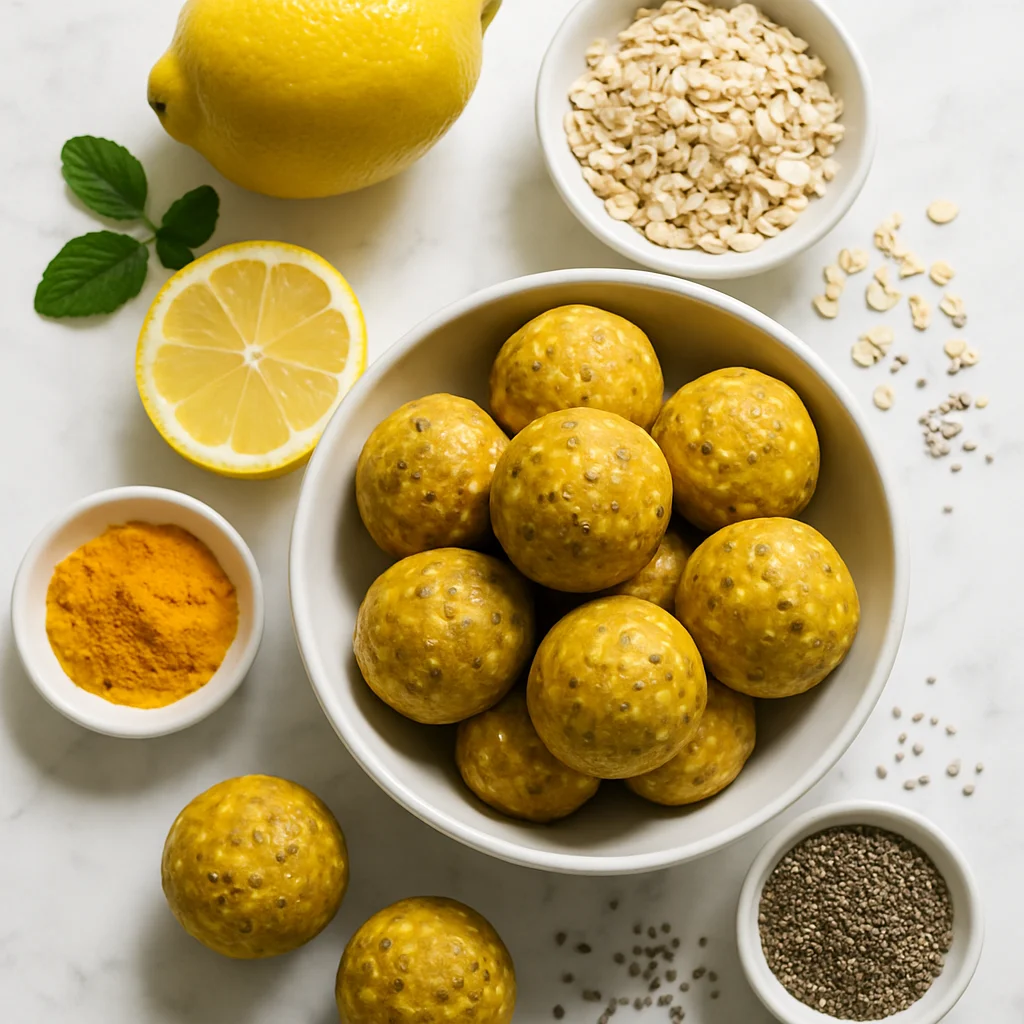
Lemon Turmeric Energy Balls with Oats and Chia Seeds
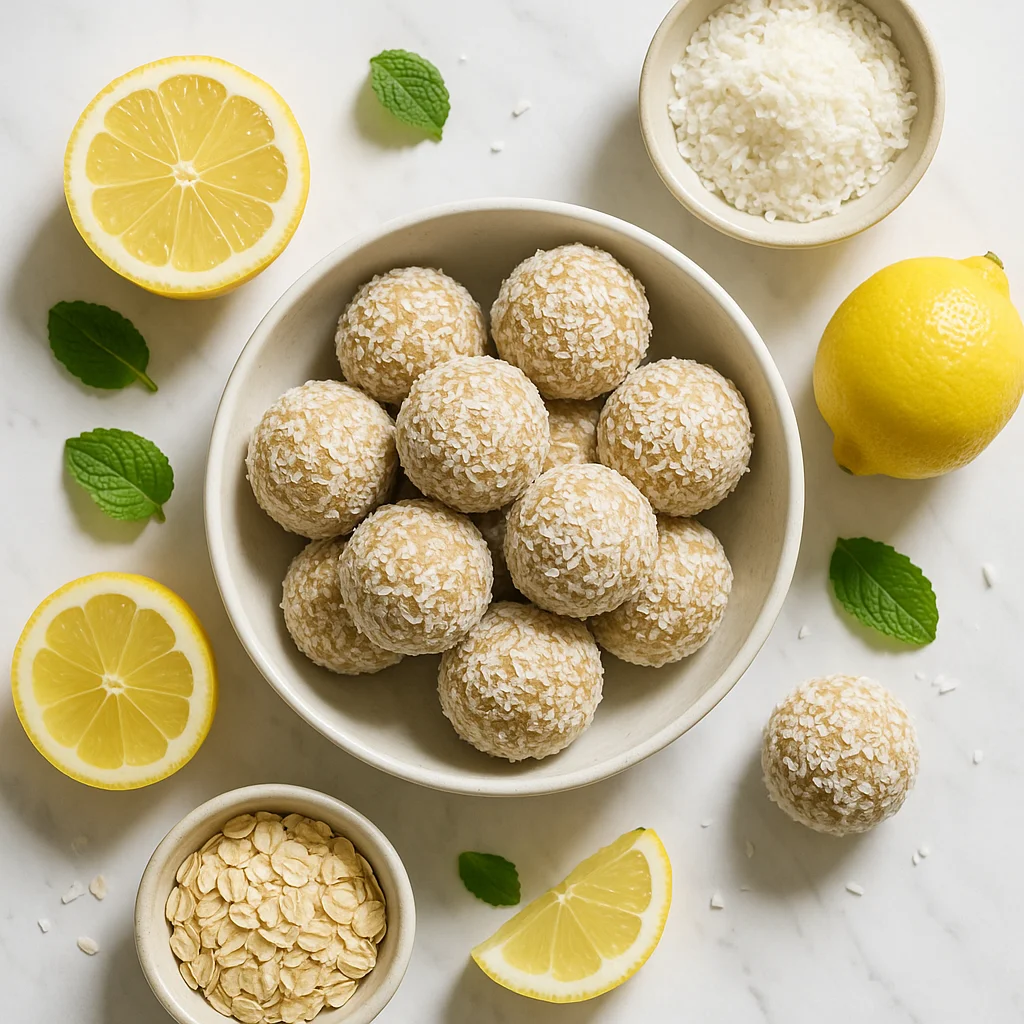
Lemon Coconut Energy Balls (Healthy, No-Bake, Refined Sugar Free)
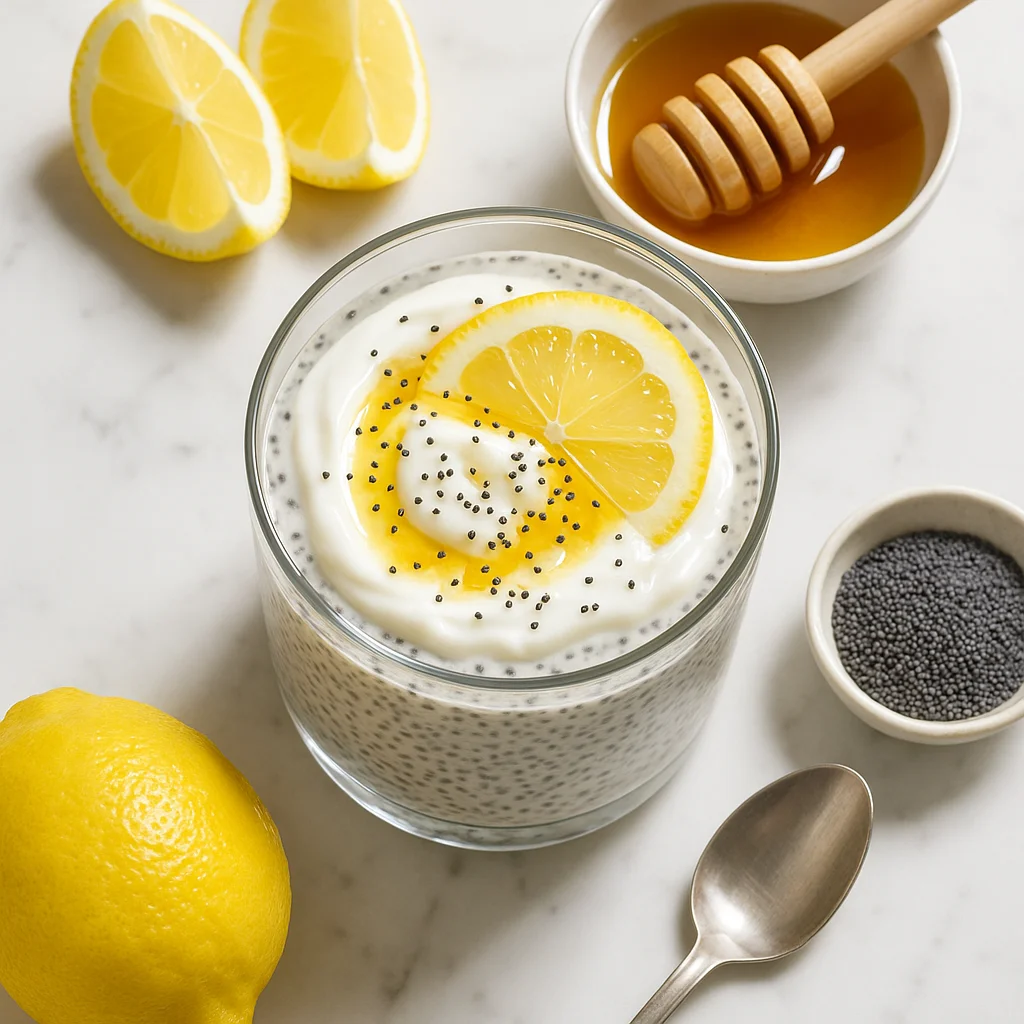
Lemon Poppy Seed Chia Pudding with Greek Yogurt and Honey