No Bake Vanilla Cheesecake with Greek Yogurt (Light & Creamy)
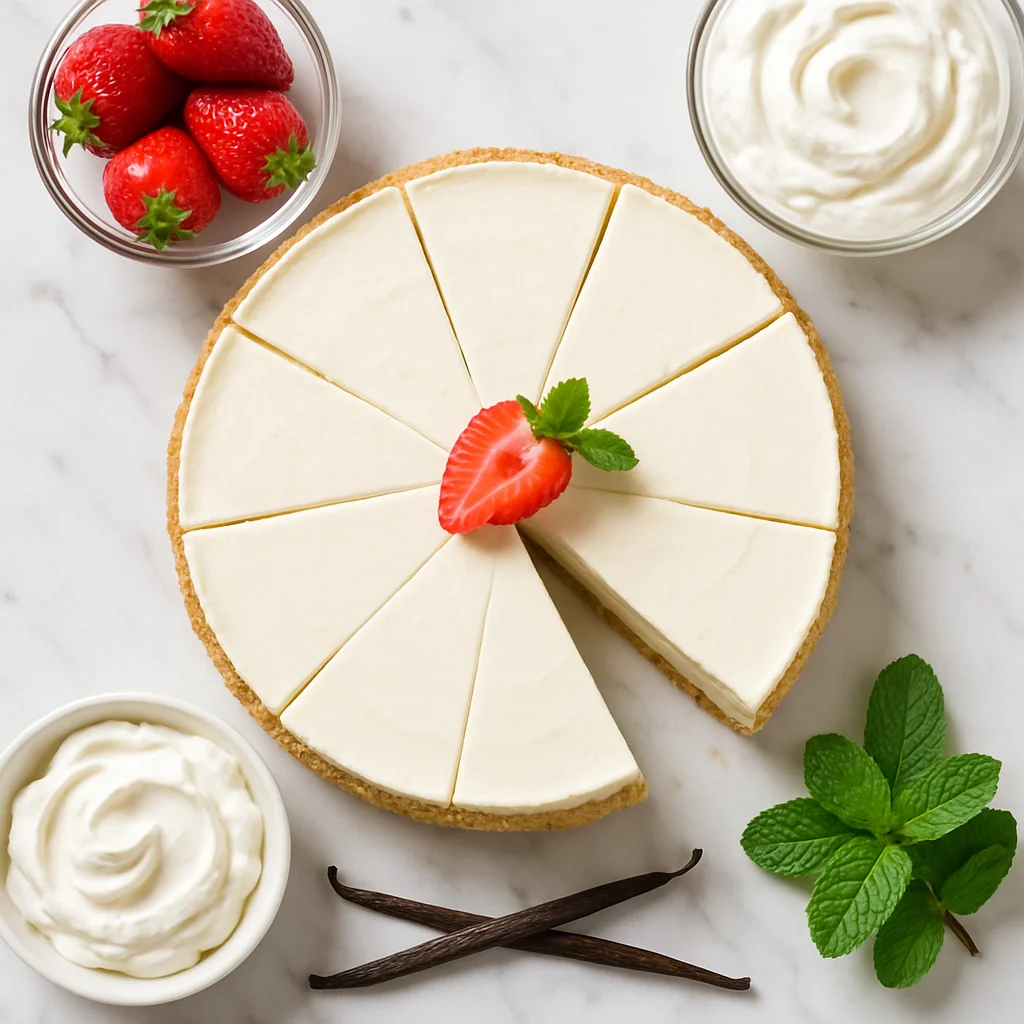
If you have been searching for a dessert that feels indulgent but actually supports your health goals, this no bake vanilla cheesecake with greek yogurt is exactly what you need. It delivers everything you love about a classic cheesecake, that thick, creamy, silky texture with a buttery crust and sweet vanilla flavour, but with a genuinely healthier nutritional profile that you can feel good about. No oven required, no complicated techniques, and no lengthy ingredient lists full of things you cannot pronounce. Just wholesome, simple ingredients transformed into something truly spectacular.
Traditional cheesecake recipes are notoriously high in calories, saturated fat, and refined sugar. A single slice from a standard restaurant or bakery cheesecake can easily clock in at 400 to 600 calories, with very little protein and almost no fibre. This version flips that script completely. By swapping out a significant portion of the full-fat cream cheese for thick, strained Greek yogurt, we dramatically increase the protein content of every slice while simultaneously cutting down on saturated fat and total calories. Greek yogurt also brings a beautiful natural tang that actually enhances the vanilla flavour and gives the filling that classic cheesecake bite without any artificial additives.
The crust in this recipe is made from rolled oats, almond flour, and Medjool dates, which are blended together to create a naturally sweet, fibre-rich base. This is a world away from the crushed digestive biscuits and melted butter typically used in no-bake cheesecakes. Dates provide natural fructose for sweetness alongside fibre, potassium, and antioxidants. Oats contribute beta-glucan, a type of soluble fibre linked to improved heart health and better blood sugar management. Almond flour brings healthy monounsaturated fats and a subtle nuttiness that complements the vanilla beautifully. The result is a crust that is not only more nutritious but arguably more flavourful too.
For the filling, we combine reduced-fat cream cheese with full-fat plain Greek yogurt, a touch of raw honey or pure maple syrup for sweetness, pure vanilla extract, and a small amount of fresh lemon juice that brightens the entire flavour profile. The lemon juice is not there to make this a lemon cheesecake, it simply adds a subtle tang that balances the richness, just as it would in a classic cheesecake recipe. The key to achieving that perfectly set, sliceable texture without baking or gelatin is to use a very thick, well-strained Greek yogurt. We recommend buying a strained variety or straining your own yogurt overnight through a fine mesh sieve or cheesecloth. This removes excess whey, concentrating the protein and ensuring your cheesecake sets up firm and sliceable rather than soft and soupy.
One of the most important things to understand about this recipe is that the cream cheese must be fully softened to room temperature before you begin mixing. Cold cream cheese will not blend smoothly and will leave lumps throughout your filling that are nearly impossible to beat out. Take the cream cheese out of the fridge at least one hour before you plan to start. Similarly, avoid over-beating the filling once all the ingredients are combined, too much air incorporated at this stage can cause the surface to crack slightly as the cheesecake sets in the fridge.
One of the best things about this recipe is how versatile it is. The base recipe is a blank canvas for endless flavour variations. You can fold in fresh berries, swirl in a spoonful of natural peanut butter, or top with a vibrant raspberry compote. The vanilla base pairs beautifully with citrus zest, warm spices like cardamom, or even a drizzle of dark chocolate. We have included several variation ideas within this recipe to inspire your creativity.
This recipe is also completely gelatin-free, which makes it suitable for vegetarians and those who prefer to avoid animal-derived setting agents. The combination of well-strained Greek yogurt, cream cheese, and a sufficient chill time is all you need for a clean, sliceable result, no gelatin, no agar agar, no cornstarch required.
From a nutritional standpoint, each slice of this no bake vanilla cheesecake with greek yogurt delivers a meaningful amount of protein, roughly 10 to 12 grams per serving, which helps with satiety and makes this a dessert that actually keeps you feeling full rather than leaving you reaching for more within the hour. The total sugar content is kept well below that of traditional recipes by relying on the natural sweetness of dates in the crust and using just a small amount of honey or maple syrup in the filling. Fibre content is notably higher than a standard cheesecake thanks to the oat and date crust, supporting digestive health and steady blood sugar levels.
This recipe is also a fantastic make-ahead option. The cheesecake needs at least four hours in the refrigerator to set properly, and it actually improves with an overnight chill, making it perfect for dinner parties, meal prep, or celebrations where you want to get ahead without any last-minute stress. It keeps well in the fridge for up to five days and can even be frozen in individual slices for up to two months.
Whether you are a seasoned healthy baker looking for a lighter take on a classic favourite, or a complete beginner who wants an impressive dessert without turning on the oven, this no bake vanilla cheesecake greek yogurt recipe will become a permanent fixture in your rotation. It is simple, satisfying, genuinely nourishing, and proof that healthy desserts absolutely do not have to compromise on flavour or texture.
Ingredients
- 1 cup rolled oats (use certified gluten-free oats if needed; old-fashioned rolled oats give the best texture — avoid instant oats)
- 3 cup almond flour (blanched almond flour works best; do not substitute almond meal as it is coarser and produces a grittier crust)
- 10 whole Medjool dates (pitted; soak in warm water for 10 minutes if firm — they should be soft enough to press between your fingers before blending)
- 2 tablespoons coconut oil (melted and cooled to room temperature; refined coconut oil has no coconut flavour if you prefer a neutral-tasting crust)
- 1 teaspoon fine sea salt (for the crust; salt balances the sweetness of the dates and enhances the overall flavour)
- 400 g reduced-fat cream cheese (must be softened to room temperature — remove from the fridge at least 1 hour before using; do not substitute fat-free cream cheese)
- 400 g full-fat plain Greek yogurt (strain overnight through a sieve lined with cheesecloth for best results — you need a very thick, almost labneh-like consistency; Fage Total 5% or Skyr work excellently)
- 3 tablespoons raw honey or pure maple syrup (adjust to taste; both work equally well — honey adds floral notes, maple syrup adds subtle caramel depth)
- 2 teaspoons pure vanilla extract (use a high-quality pure extract, not imitation vanilla; vanilla bean paste can be used 1:1 for a more intense flavour with visible specks)
- 1 tablespoon fresh lemon juice (about half a lemon; adds tang that balances richness without making this taste like a lemon cheesecake — do not skip it)
- 1 teaspoon lemon zest (optional but highly recommended — zest contains aromatic oils that add brightness without extra liquid)
- 2 tablespoons powdered erythritol or icing sugar (optional for extra sweetness; powdered erythritol dissolves smoothly and keeps the recipe refined-sugar-free — taste the filling before adding)
Instructions
- 1
If your Greek yogurt is not already very thick and strained, place it in a fine mesh sieve lined with cheesecloth over a bowl and refrigerate for at least 4 hours or overnight. Discard the liquid whey. You should end up with about 300g of thick strained yogurt.
This is the single most important step for a firm, sliceable cheesecake. Even yogurt labelled 'thick' or 'strained' often has excess moisture. After straining, your yogurt should be almost as dense as cream cheese — if you can still see it pooling or moving freely when you tilt the bowl, strain it longer.
- 2
Line the base and sides of an 8-inch springform pan with parchment paper. Lightly grease the sides with a little coconut oil.
A springform pan makes it much easier to remove the cheesecake cleanly for slicing and serving. If you do not have one, a deep 8-inch round cake tin lined fully with overhanging parchment paper works as a substitute — use the paper as handles to lift the cheesecake out.
- 3
Add the rolled oats to a food processor and pulse 8 to 10 times until they are broken down into a rough flour with some texture remaining. Add the almond flour, pitted dates, melted coconut oil, and sea salt. Process for 60 to 90 seconds until the mixture clumps together when pressed between your fingers.
If the mixture seems too dry and crumbly, add one teaspoon of water at a time and pulse again until it just clumps together. If it seems too wet and sticky, add one tablespoon of rolled oats and pulse briefly. The mixture should hold its shape when pressed between two fingers without crumbling.
- 4
Transfer the crust mixture into the prepared springform pan. Using the back of a measuring cup or your fingers, firmly press the mixture evenly across the base and about 1.5 cm up the sides. Place in the freezer for 15 minutes to firm up while you prepare the filling.
Use the flat bottom of a measuring cup or a straight-sided glass to press the crust firmly and evenly. Pay particular attention to the corners and edges where the base meets the sides — a loose crust here will crumble when sliced. The crust should feel compact and solid, not loose or powdery.
- 5
In a large mixing bowl, beat the softened cream cheese with an electric hand mixer on medium speed for 2 minutes until completely smooth and fluffy. Scrape down the sides of the bowl.
Room temperature cream cheese is non-negotiable. If it is even slightly cold, it will not beat smooth and you will end up with a lumpy filling. If you forgot to take it out early, unwrap the blocks and microwave on 50% power in 10-second bursts, checking between each, until soft but not melted.
- 6
Add the strained Greek yogurt, honey or maple syrup, vanilla extract, lemon juice, and lemon zest to the cream cheese. Beat on medium speed for 1 to 2 minutes until the filling is completely smooth, creamy, and well combined. Taste and add powdered erythritol or extra honey if you prefer a sweeter filling.
Mix on medium speed only and stop as soon as the filling looks smooth and creamy — overbeating at this stage incorporates too much air, which can cause the surface to crack slightly as the cheesecake sets. Taste the filling before pouring and adjust sweetness now, as it is much easier to correct at this stage than after chilling.
- 7
Remove the crust from the freezer. Pour the filling into the crust and use an offset spatula or the back of a spoon to spread it into an even, smooth layer.
Tap the pan firmly on the counter 5 to 6 times after spreading to release any trapped air bubbles. You can also run a toothpick through the surface in a zigzag pattern to pop any visible bubbles before chilling.
- 8
Cover the cheesecake loosely with cling film or a plate and refrigerate for a minimum of 4 hours, or ideally overnight, until fully set and firm enough to slice cleanly.
For the very cleanest slices, overnight chilling is strongly recommended over the 4-hour minimum. The flavour also improves significantly — the vanilla deepens and the filling becomes noticeably more cohesive and luxurious after a full night in the fridge.
- 9
When ready to serve, carefully release the springform pan. Transfer the cheesecake to a serving plate or board. Top with fresh berries, a drizzle of honey, or a light dusting of freeze-dried raspberry powder if desired. Slice and serve chilled.
Run a thin palette knife or butter knife gently all the way around the inside edge of the pan before releasing the springform clasp — this prevents the cheesecake from tearing at the edges. For the cleanest slices, dip your knife in hot water and wipe completely dry between each cut.
Nutrition per serving
220kcal
Calories
11g
Protein
22g
Carbs
10g
Fat
3g
Fibre
13g
Sugar
185mg
Sodium
Pro Tips
- ✓
Straining the yogurt overnight is the single most important step, it makes the difference between a firm, sliceable cheesecake and a runny one. Set it in a cheesecloth-lined sieve over a bowl in the fridge and let gravity do the work.
- ✓
Always bring your cream cheese to room temperature for at least one hour before mixing. Cold cream cheese will not incorporate smoothly and will leave lumps in the filling that even an electric mixer cannot fully beat out.
- ✓
Do not over-beat the filling once the yogurt and cream cheese are combined. Mix just until smooth and creamy, overbeating incorporates excess air that can cause the surface to crack as it sets.
- ✓
For perfectly clean, restaurant-quality slices, run your knife under very hot water, wipe it completely dry, then make each cut in one smooth downward motion. Repeat between every single slice.
- ✓
The cheesecake genuinely improves after 24 hours in the fridge, the vanilla flavour deepens, the texture becomes firmer and more cohesive, and the crust softens slightly to a pleasantly dense consistency. Make it the day before for best results.
- ✓
Do not use low-fat or fat-free cream cheese in this recipe. These varieties contain more water and additional stabilisers that interfere with the setting process and can result in a filling that remains too soft to slice cleanly even after overnight chilling.
Frequently Asked Questions
Variations
- •
Lemon Blueberry
Add an extra teaspoon of lemon zest and one tablespoon of fresh lemon juice to the filling. Top the set cheesecake with a quick blueberry compote made by simmering 200g of blueberries with one tablespoon of maple syrup and a squeeze of lemon juice for 5 minutes until slightly thickened.
- •
Strawberry Swirl
Blend 100g of fresh strawberries with one teaspoon of honey into a smooth puree. Once the filling is poured into the crust, drop spoonfuls of the strawberry puree on the surface and use a toothpick to swirl it into a decorative pattern before chilling.
- •
Chocolate Chip Cookie Dough
Fold 3 tablespoons of mini dark chocolate chips and one tablespoon of natural almond butter into the vanilla filling before pouring it into the crust. Add a pinch of cinnamon to the crust mixture for a cookie-dough-inspired flavour.
- •
Mango Passionfruit
Blend 150g of ripe mango flesh until smooth and swirl half through the filling. Top the finished cheesecake with fresh mango slices and the pulp of two passionfruit for a tropical twist.
- •
Spiced Chai
Add half a teaspoon of ground cinnamon, a quarter teaspoon of ground cardamom, and a pinch of ground ginger to the filling mixture. Replace the vanilla extract with half vanilla and half almond extract for a fragrant, warming version perfect for autumn.
Substitutions
- •Medjool dates → regular dried dates or dried figs (Soak in warm water for 20 minutes before using to ensure they blend smoothly. The sweetness level will be similar but the flavour slightly different.)
- •Almond flour → sunflower seed flour or oat flour (Sunflower seed flour makes the recipe nut-free. Oat flour creates a softer crust. Use the same quantity as almond flour.)
- •Coconut oil in crust → unsalted butter or ghee (Use the same quantity. Butter will give a slightly richer flavour but removes the dairy-free option for the crust.)
- •Reduced-fat cream cheese → full-fat cream cheese (Full-fat cream cheese creates an even richer, creamier filling and sets slightly firmer. Calorie and fat content will increase.)
- •Raw honey or maple syrup → agave nectar or monk fruit sweetener syrup (Agave has a neutral flavour and works well. Monk fruit syrup keeps the recipe low-sugar and suitable for keto adaptations. Use the same quantity.)
- •Greek yogurt → Skyr or labneh (Both Skyr and labneh are naturally thick and high in protein, making them excellent substitutes. Labneh will give a slightly tangier, more savoury note.)
🧊 Storage
Store the cheesecake covered with cling film or in an airtight container in the refrigerator for up to 5 days. Keep it away from strong-smelling foods as the filling can absorb odours. For longer storage, freeze individual slices wrapped tightly in cling film for up to 2 months. Thaw overnight in the fridge before serving. Do not store at room temperature.
📅 Make Ahead
This cheesecake is an excellent make-ahead dessert. Prepare the entire cheesecake up to 48 hours before serving and store it covered in the refrigerator. The flavour and texture actually improve after 24 hours as the filling fully sets and the vanilla flavour deepens. Add any fresh fruit toppings just before serving to prevent them from weeping moisture onto the cheesecake surface.
More No-Bake Desserts Recipes
No Bake Raspberry Chia Seed Pudding with Vanilla and Coconut Milk
No Bake White Chocolate Coconut Truffles (Healthy & Refined Sugar-Free)
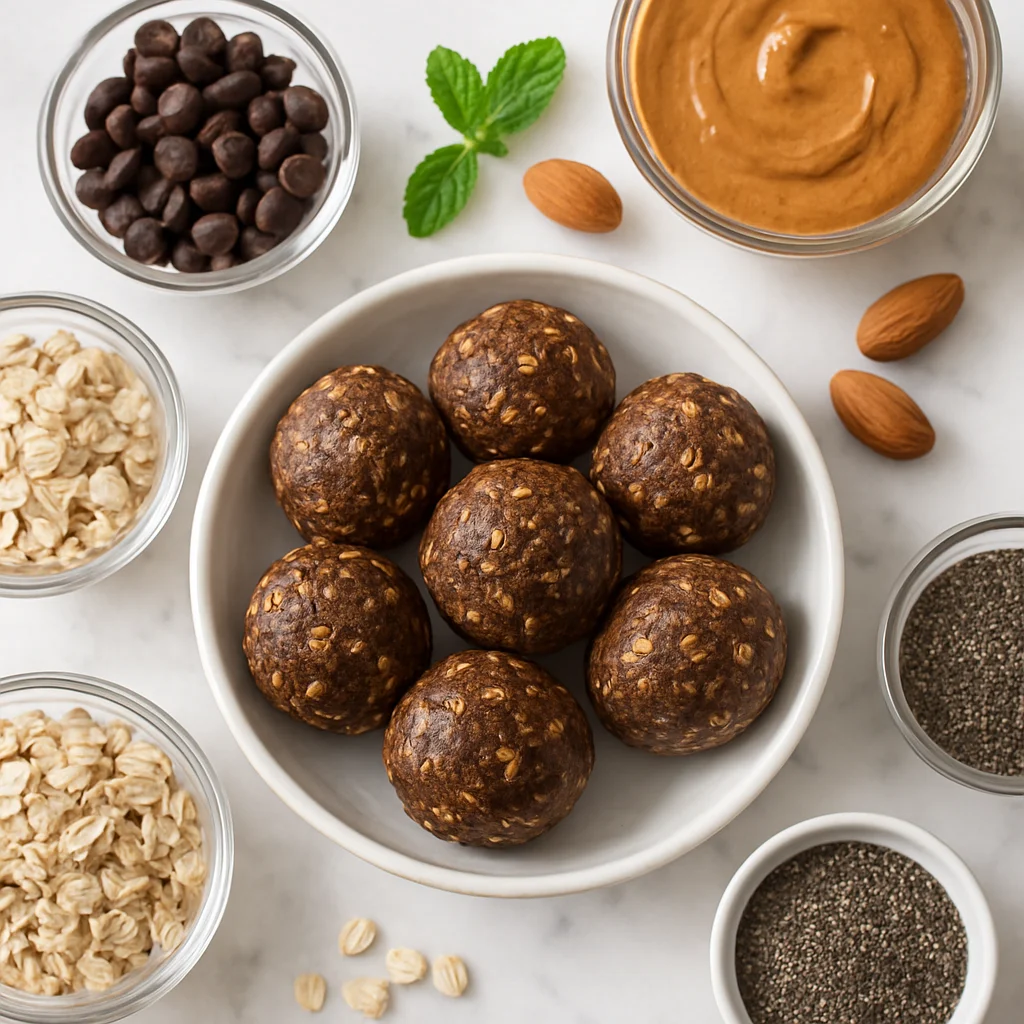
No Bake Chocolate Oat Energy Balls with Chia and Almond Butter