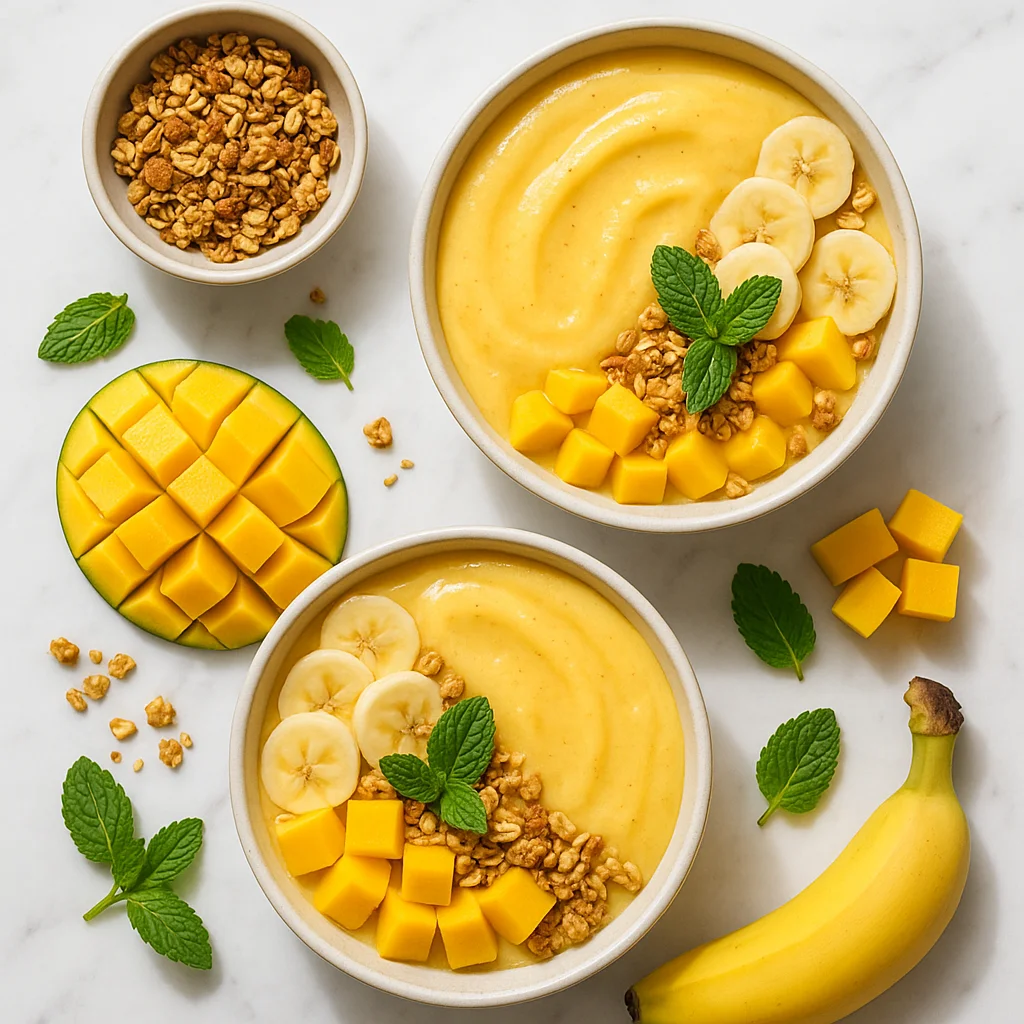
Creamy Mango Pudding Dairy Free Paleo with Coconut and Ginger
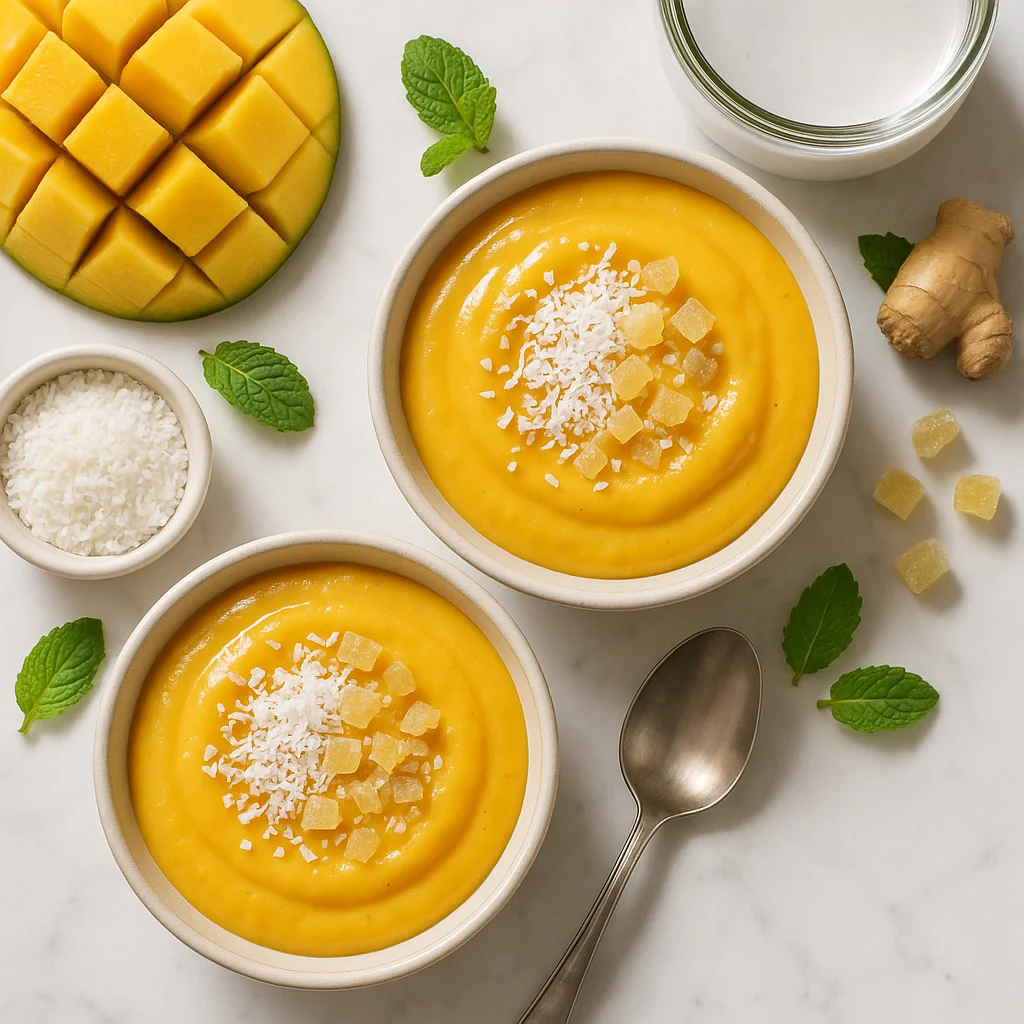
If you have been searching for a dessert that feels indulgent but actually supports your health goals, this mango pudding is exactly what you need. Made without any dairy, refined sugar or grains, it sits happily within a paleo lifestyle while still tasting like something you would order at a fancy restaurant. The texture is thick and mousse-like, the colour is that gorgeous deep golden yellow that makes you feel like summer arrived early, and every spoonful carries a bright, tropical flavour that genuinely satisfies a sweet craving. This recipe works brilliantly for anyone following a paleo or dairy-free diet, and it is simple enough that you can pull it together on a weeknight without any stress.
The star of the show is ripe mango, and ripe really does matter here. A deeply sweet, fragrant mango does most of the sweetening work on its own, which means you only need a very small drizzle of raw honey or pure maple syrup to round out the flavour. Full-fat coconut milk provides the rich, creamy body that makes this pudding feel luxurious without a drop of dairy. Grass-fed gelatin sets everything into that perfectly wobbly, spoonable consistency. A small amount of fresh ginger adds a gentle warmth that lifts the mango beautifully, and a squeeze of lime juice brightens the whole thing and stops it from tasting flat. These ingredients are all whole, minimally processed and genuinely nourishing, which is exactly what a healthy dessert should be built from.
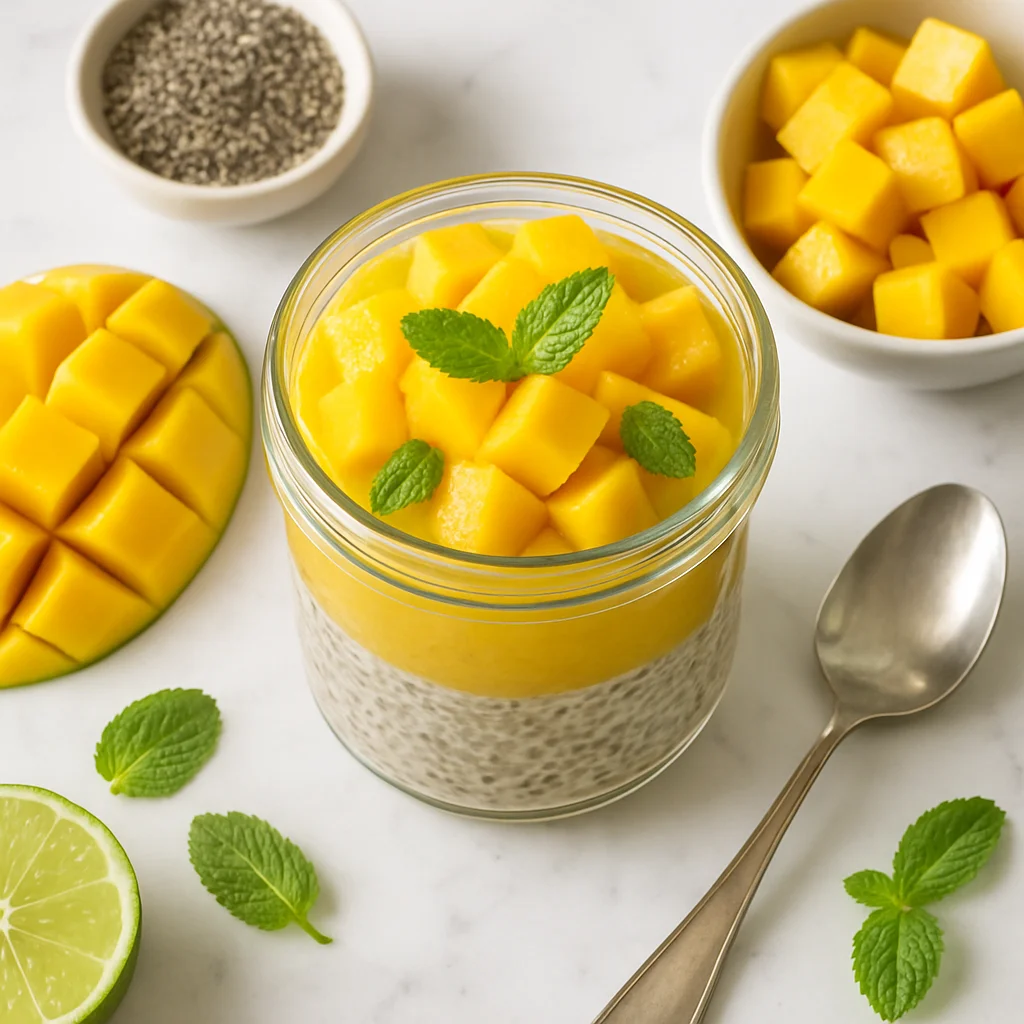
The finished pudding sets into individual serving glasses or jars with a smooth, velvety surface and a consistency somewhere between a classic panna cotta and a thick mousse. It is cool and refreshing straight from the fridge, making it one of those rare desserts that actually gets better the longer you leave it to chill. Serve it topped with a few thin slices of fresh mango, a small handful of toasted coconut flakes and a tiny squeeze of lime for a presentation that looks far more impressive than the effort involved. You can also layer it into glasses with a little crushed freeze-dried mango for added texture and a concentrated fruit hit. It is the kind of dessert you bring out when guests come over and everyone assumes you have spent hours in the kitchen.
From a nutritional standpoint, this pudding punches well above its weight. Each serving clocks in at a modest calorie count compared to traditional dairy-based mango puddings, which often rely on condensed milk and heavy cream. The natural fruit sugars from the mango provide energy alongside a dose of vitamin C, vitamin A and folate. Coconut milk contributes medium-chain triglycerides, a type of fat that the body processes efficiently for fuel rather than storing. Gelatin, particularly the grass-fed variety, is a source of collagen-supporting amino acids that benefit joint health, gut lining integrity and skin elasticity. The fresh ginger brings anti-inflammatory compounds called gingerols into the mix, and lime juice adds a small but meaningful boost of antioxidants. Compared to a standard mango pudding recipe made with full-fat dairy, sweetened condensed milk and cornstarch thickener, this version is lower in total sugar, lower in overall calories and free from any refined carbohydrates. It is a genuinely better choice that does not ask you to compromise on flavour or enjoyment.
Ingredients
- 2 cups fresh ripe mango flesh (roughly 2 large mangoes, chopped)
- 1 can full-fat coconut milk (400ml, shaken well)
- 2.5 tsp grass-fed gelatin powder (unflavoured)
- 3 tbsp cold water (for blooming the gelatin)
- 1 tbsp raw honey or pure maple syrup (adjust to taste based on mango sweetness)
- 1 tsp freshly grated ginger (or 0.5 tsp ground ginger)
- 1 tbsp fresh lime juice (approximately half a lime)
- 0.3 tsp pure vanilla extract (alcohol-free if preferred)
- 1 pinch fine sea salt
Instructions
- 1
Sprinkle the gelatin powder over the cold water in a small bowl. Stir briefly and leave it to sit for 5 minutes so it can bloom and absorb the liquid fully.
Do not skip the blooming step. Gelatin that has not properly hydrated will leave lumps in your pudding.
- 2
Add the mango flesh, coconut milk, honey or maple syrup, grated ginger, lime juice, vanilla extract and sea salt to a high-speed blender. Blend on high for about 60 seconds until completely smooth and creamy.
Taste the blended mixture at this point and adjust sweetness with a little extra honey if your mango was not very ripe.
- 3
Pour roughly half a cup of the blended mango mixture into a small saucepan and warm it over a low heat. You want it warm but not simmering, around 60 to 70 degrees Celsius. Remove from heat.
Heating the full batch can degrade some of the vitamin C in the mango, so warming just a portion is a good compromise.
- 4
Add the bloomed gelatin to the warm mango mixture in the saucepan and whisk immediately until the gelatin is fully dissolved and no granules remain. This should take about 60 to 90 seconds of whisking.
If you see any undissolved granules, return the pan to a very low heat for 30 seconds while continuing to whisk.
- 5
Pour the gelatin mixture back into the blender with the remaining mango and coconut milk base. Blend briefly for about 15 seconds on low to combine everything evenly.
Blend on low rather than high at this stage to avoid creating too many bubbles on the surface of your pudding.
- 6
Divide the mixture evenly between four serving glasses or jars. Place them on a flat tray and transfer carefully to the refrigerator.
Covering each glass loosely with a small piece of cling wrap prevents the surface from developing a skin while chilling.
- 7
Chill for a minimum of 3 hours, or ideally overnight, until the pudding is fully set and holds its shape when tilted gently. Serve straight from the fridge topped with fresh mango slices, toasted coconut flakes and a small squeeze of lime.
The pudding continues to firm up over the first 12 hours, so overnight chilling gives you the best texture.
Nutrition per serving
198kcal
Calories
4g
Protein
22g
Carbs
12g
Fat
2g
Fibre
18g
Sugar
55mg
Sodium
Pro Tips
- ✓
Use the ripest, most fragrant mango you can find. Ataulfo or Alphonso varieties are particularly sweet and work beautifully here.
- ✓
Shake your coconut milk can very well before opening. If the cream and liquid have separated significantly, pour both into the blender to ensure a creamy result.
- ✓
If you prefer a firmer, more sliceable pudding, increase the gelatin to 3 teaspoons.
- ✓
For a lighter texture closer to a mousse, reduce the gelatin to 2 teaspoons.
- ✓
Make sure all components are fully combined before pouring into glasses. Any unmixed gelatin will cause uneven setting.
- ✓
Fresh ginger delivers a brighter flavour than ground, but ground ginger works perfectly well if that is what you have on hand.
Frequently Asked Questions
Variations
- •
Mango Turmeric Pudding
Add half a teaspoon of ground turmeric and a tiny pinch of black pepper to the blender with the other ingredients. Turmeric deepens the golden colour beautifully and adds a gentle earthy warmth alongside meaningful anti-inflammatory benefits.
- •
Mango Passion Fruit Pudding
Replace two tablespoons of the mango with fresh passion fruit pulp and stir it through the blended mixture before pouring into glasses. The tartness of passion fruit creates a lovely contrast with the sweet mango base.
- •
Layered Mango and Coconut Pudding
Make a plain coconut layer by warming coconut milk with a little honey and vanilla, dissolving a separate small portion of gelatin in it, and pouring it into the glass first. Let this set for one hour before adding the mango pudding layer on top. The result is a striking two-tone dessert.
- •
Spiced Mango Cardamom Pudding
Add a quarter teaspoon of ground cardamom and a small pinch of cinnamon to the blender. Cardamom pairs exceptionally well with mango and gives this pudding a warmly aromatic quality inspired by South Asian mango desserts.
Substitutions
- •Grass-fed gelatin → Agar agar powder (Use 1 teaspoon of agar agar and simmer it in the warm coconut milk portion for 2 minutes before combining. This makes the recipe vegan. The texture will be slightly firmer.)
- •Raw honey → Pure maple syrup (A one-to-one swap that keeps the recipe paleo-friendly. Maple syrup has a slightly different flavour profile but works beautifully with mango and coconut.)
- •Fresh ginger → Ground ginger (Use half the quantity of ground ginger compared to fresh. Half a teaspoon of ground ginger replaces one teaspoon of freshly grated.)
- •Fresh lime juice → Fresh lemon juice (Lemon juice works as a straight swap and still provides the brightness needed to lift the flavour, though the result will be slightly less tropical in character.)
- •Fresh mango → Frozen mango, fully thawed (Drain well before using and expect a slightly less intense flavour. Still produces a great result and is much more accessible outside of mango season.)
🧊 Storage
Store covered in the refrigerator for up to 4 days. Keep the pudding in individual sealed glasses or transfer to an airtight container. Do not freeze, as freezing breaks down the gelatin structure and results in a grainy, watery texture once thawed.
📅 Make Ahead
This pudding is an ideal make-ahead dessert. Prepare it the evening before you need it and let it set overnight in the fridge. The flavour actually deepens and improves after 12 to 24 hours of chilling, making it one of those rare recipes where planning ahead genuinely pays off.
More Mango Desserts Recipes
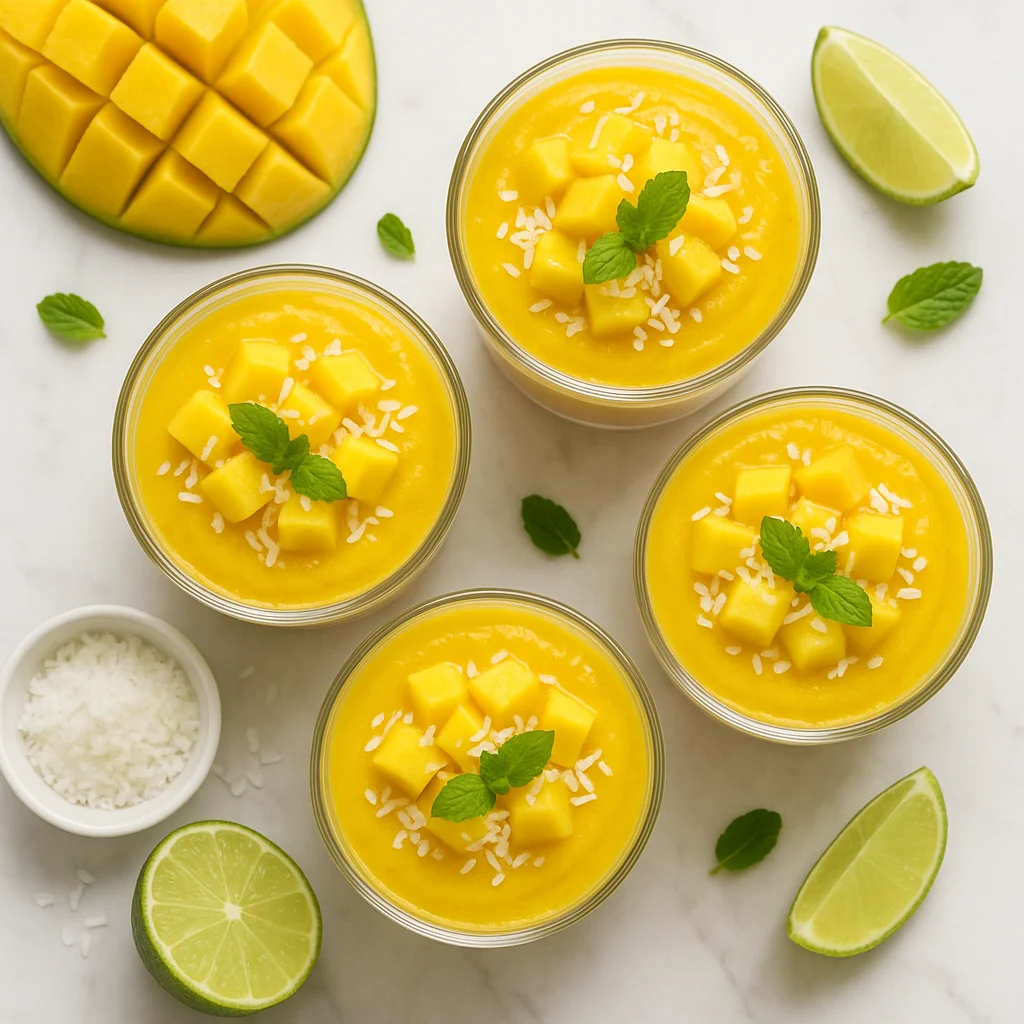
Creamy Mango Lime Coconut Cream Dessert Cups
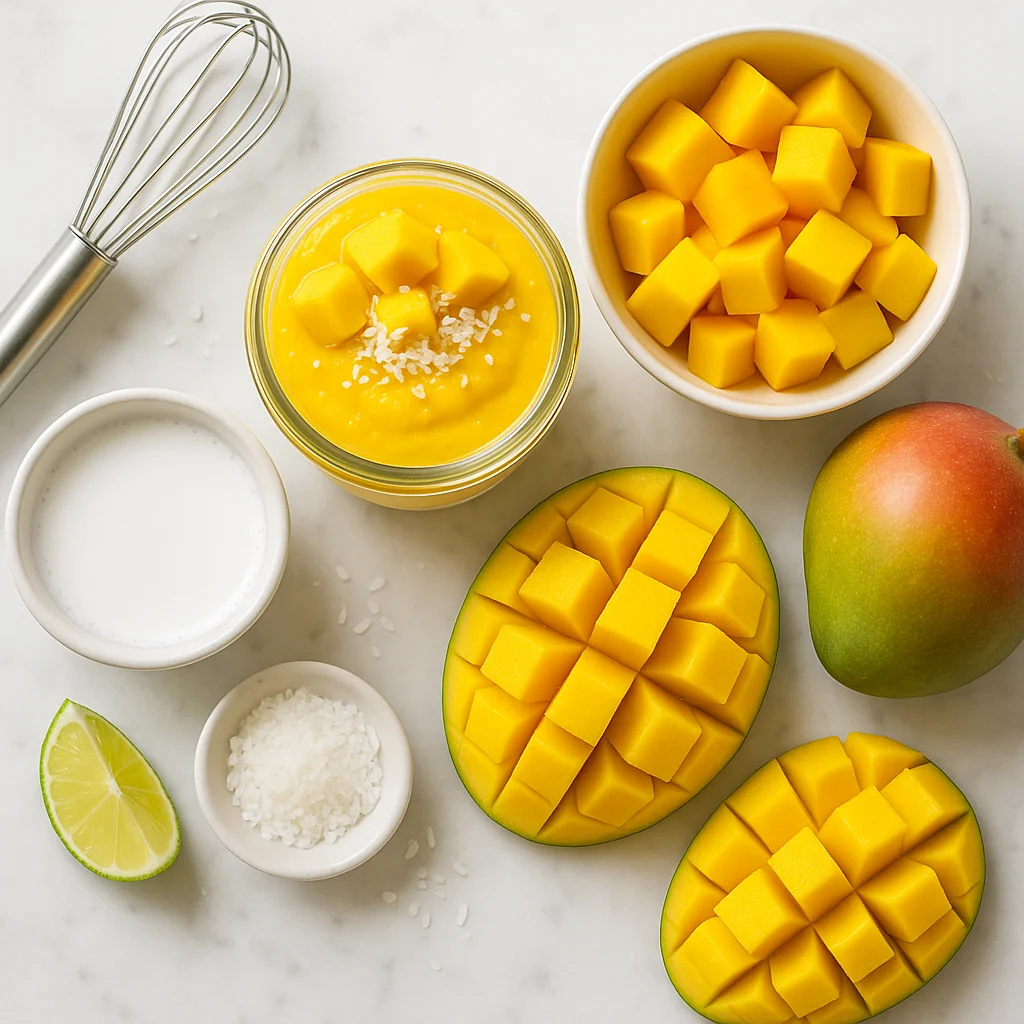
Mango Cream Dessert with Coconut Milk (No Sugar, No Bake)
Mango Chia Pudding: A Healthy Summer Breakfast You'll Make on Repeat