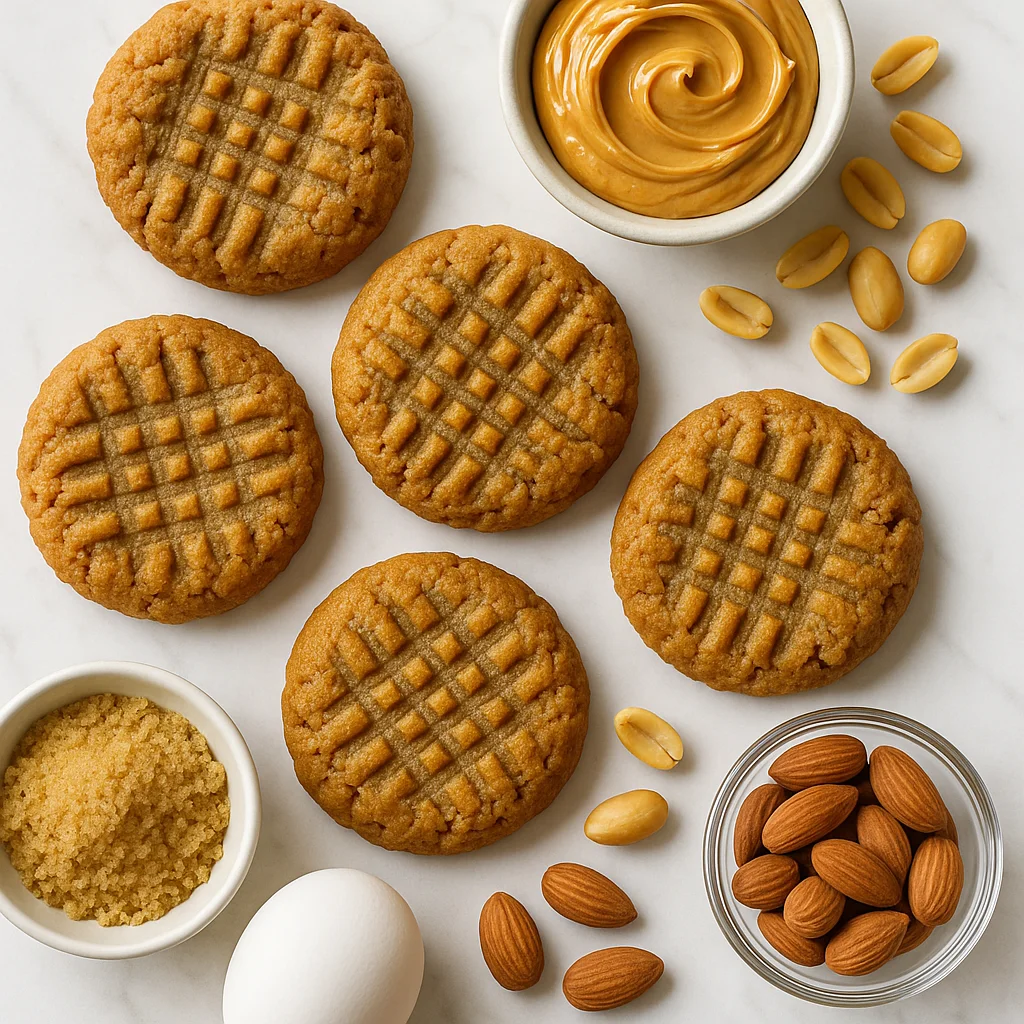
Zesty Lemon Low Carb Coconut Flour Cookies with Chia Seeds
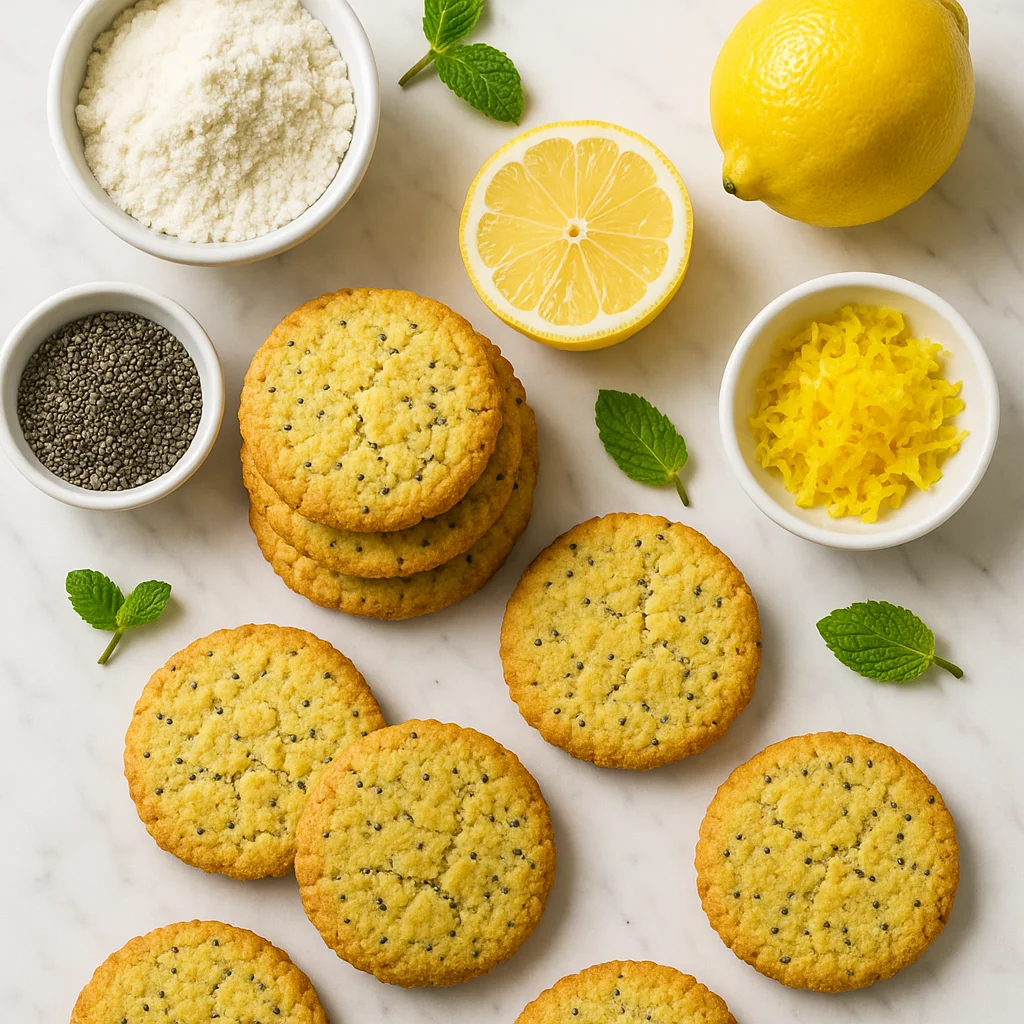
If you have been searching for the perfect low carb coconut flour cookies, your search ends right here. These zesty lemon and chia seed coconut flour cookies are soft, lightly crisp at the edges, and genuinely satisfying without any of the blood-sugar spikes that come with traditional baked cookies. Whether you are following a ketogenic diet, managing your carbohydrate intake for health reasons, or simply trying to make smarter choices in the kitchen, these cookies deliver on every front.
Coconut flour is one of the most underrated low carb baking ingredients available today. Unlike refined wheat flour, coconut flour is naturally high in dietary fibre, providing roughly 5 grams of fibre per two-tablespoon serving. This means that even a small amount of coconut flour goes a long way in both bulking up a recipe and keeping you fuller for longer. It is also naturally grain-free and gluten-free, making it suitable for people with coeliac disease or gluten sensitivity, as well as those following paleo or primal eating plans.
What makes this particular recipe stand out from other low carb coconut flour cookies is the combination of chia seeds and fresh lemon zest. Chia seeds bring an additional fibre boost alongside omega-3 fatty acids, and they also act as a natural binder, which is especially useful when baking without gluten. Their subtle crunch adds a pleasant textural contrast to the soft, tender crumb. The lemon zest adds a bright, uplifting citrus flavour that keeps these cookies tasting fresh and vibrant rather than dense or overly rich. Using both lemon zest and a small splash of fresh lemon juice intensifies that citrus character beautifully.
The sweetener used in this recipe is powdered erythritol, a naturally derived sugar alcohol that has virtually no impact on blood glucose levels. It measures and bakes similarly to regular icing sugar, but contains essentially zero calories and zero net carbs. Combined with a small amount of pure vanilla extract, it creates a delicately sweet flavour profile that complements the natural nuttiness of the coconut flour beautifully.
One thing to understand about baking with coconut flour is that it is extremely absorbent, far more so than almond flour or wheat flour. A little goes a very long way, which is why most coconut flour recipes use a fraction of the cup quantity you might expect. The eggs in this recipe are essential for binding and moisture, and the melted coconut oil adds richness and healthy medium-chain triglycerides (MCTs), which are a preferred fuel source for the brain and body on a low carb diet. Allowing the dough to rest for two full minutes after mixing is a non-negotiable step: it gives the coconut flour time to fully hydrate, transforming what initially looks like a loose batter into a shapeable dough.
These cookies come together in one bowl in under 10 minutes of prep time and bake in just 12 minutes. That means you can have a batch of genuinely healthy, low carb treats on the table in well under half an hour. The texture is soft and slightly tender in the centre with a lightly golden edge, and they firm up beautifully as they cool, so resist the temptation to judge them straight from the oven.
Each cookie contains approximately 78 calories, 4.2 grams of fat, 5.8 grams of total carbohydrates, and 3.1 grams of fibre, giving a net carb count of just 2.7 grams per cookie. With 2.4 grams of protein per serve, these cookies are a genuinely smart snack or dessert option that aligns with low carb, keto, gluten-free, and refined sugar-free lifestyles.
This recipe is also incredibly versatile. Once you have mastered the base, you can swap the lemon zest for lime or orange zest, fold in some sugar-free dark chocolate chips, or add a pinch of cinnamon and cardamom for a warming spiced version. The dough is forgiving and easy to work with, and the cookies hold their shape well during baking since coconut flour cookies do not spread the way traditional cookies do, what you shape is what you get.
For those baking vegan, a flax egg substitution works well here: one tablespoon of ground flaxseed mixed with three tablespoons of water, rested for five minutes, replaces each egg. The result is slightly denser but still delicious, and the chia seeds in the recipe add extra binding support.
Whether you are new to low carb baking or a seasoned grain-free baker looking for a reliable go-to cookie recipe, these low carb coconut flour cookies are about to become a staple in your kitchen. They store beautifully for up to five days at room temperature or can be frozen in batches for up to three months, making them ideal for meal prepping healthy snacks in advance.
Let us get baking.
Ingredients
- 1 cup coconut flour (sifted, approximately 56g — spoon into your measuring cup and level off rather than scooping directly to avoid packing in too much)
- 2 tablespoons chia seeds (white or black both work — white chia seeds give a slightly cleaner appearance in the finished cookie)
- 1 cup powdered erythritol (or powdered monk fruit sweetener — must be powdered, not granulated, to avoid a gritty texture in the finished cookie)
- 2 large eggs (room temperature — cold eggs can cause the coconut oil to solidify and create an uneven dough)
- 3 tablespoons coconut oil (melted and slightly cooled — refined coconut oil gives a neutral flavour; unrefined adds a mild coconut taste)
- 1 teaspoon pure vanilla extract (use pure extract rather than imitation for the cleanest flavour)
- 1 tablespoon fresh lemon zest (from approximately 1 large lemon — zest only the bright yellow outer layer and avoid the bitter white pith beneath)
- 1 teaspoon baking powder (aluminium-free — check it is fresh and active for the best lift)
- 1 pinch fine sea salt (enhances sweetness and balances the citrus — do not skip this)
Instructions
- 1
Preheat your oven to 175 degrees Celsius (350 degrees Fahrenheit) and line a large baking sheet with parchment paper. Set aside.
Make sure the oven is fully preheated before the cookies go in. An underheated oven causes spreading and uneven baking — give it at least 10 minutes to reach full temperature.
- 2
In a medium mixing bowl, whisk together the sifted coconut flour, chia seeds, powdered erythritol, baking powder, and sea salt until evenly combined.
Sifting the coconut flour is important as it tends to clump. Any lumps will create dense pockets in the finished cookie. Use a fine mesh sieve and press any stubborn pieces through with the back of a spoon.
- 3
In a separate small bowl or jug, whisk together the eggs, melted coconut oil, vanilla extract, and fresh lemon zest until well combined.
Ensure your coconut oil is not too hot when adding it to the eggs or it may begin to cook them. Allow it to cool for a minute or two after melting. If your kitchen is cold and the oil starts to resolidify, briefly warm the finished wet mixture for a few seconds.
- 4
Pour the wet ingredients into the dry ingredients and stir with a spatula until a soft, slightly sticky dough forms. Allow the dough to rest for 2 minutes so the coconut flour can fully absorb the moisture.
The dough will look soft and almost loose at first but will thicken noticeably as the coconut flour absorbs the liquid. Trust the process and do not add extra flour — the two-minute rest is essential.
- 5
Using a tablespoon measure or small cookie scoop, portion the dough into 14 equal balls. Place them onto the lined baking sheet spaced about 5 cm apart. Flatten each ball gently with the palm of your hand or the bottom of a glass to about 1 cm thickness. The cookies will not spread much during baking.
For uniform cookies, use a cookie scoop and level it off. Dampen your palm slightly with water to prevent sticking when pressing the dough flat. Aim for consistent thickness so all cookies bake evenly.
- 6
Bake in the preheated oven for 11 to 13 minutes, until the edges are lightly golden and the tops look just set. The cookies will feel slightly soft to the touch when hot but will firm up as they cool.
Do not overbake. Coconut flour cookies can go from perfectly done to dry very quickly. The cookies should look just barely set on top with lightly golden edges — they will continue to cook slightly from residual heat after leaving the oven.
- 7
Remove the baking sheet from the oven and allow the cookies to cool on the tray for at least 10 minutes before transferring to a wire rack. They will continue to firm up as they cool.
Coconut flour cookies are quite fragile when warm. Do not attempt to lift them immediately or they may break. The 10-minute rest on the tray is what allows them to set into their final texture.
Nutrition per serving
78kcal
Calories
2.4g
Protein
5.8g
Carbs
4.2g
Fat
3.1g
Fibre
0.4g
Sugar
52mg
Sodium
Pro Tips
- ✓
Always spoon coconut flour into your measuring cup and level off with a straight edge rather than scooping directly from the bag. Scooping can pack up to 30 percent more flour into the cup, resulting in dry, crumbly cookies that do not hold together well.
- ✓
For a more intense lemon flavour, add one teaspoon of fresh lemon juice to the wet ingredients alongside the zest. This small addition brightens the citrus character noticeably without adding enough liquid to affect the dough structure. Avoid adding more than one teaspoon.
- ✓
If your dough feels too dry or crumbly after the two-minute rest, add water half a teaspoon at a time, mixing between each addition, until the dough just comes together. Coconut flour absorbency varies between brands, so minor adjustments are completely normal.
- ✓
For a crisper, more shortbread-like texture, bake for the full 13 minutes and allow the cookies to cool completely on the tray without transferring them. This extra time produces a firmer, snap-worthy result that is excellent alongside coffee or tea.
- ✓
These cookies make a wonderful base for low carb sandwich cookies. Once fully cooled, pair two together with a filling of softened cream cheese mixed with a teaspoon of powdered erythritol and a little lemon zest. The filling sets in the fridge for an elevated, protein-richer treat.
- ✓
Store cookies in a single layer or separated by parchment paper in an airtight container. Stacking warm cookies causes them to steam against each other, softening the tops and making them stick. Always cool completely before storing.
Frequently Asked Questions
Variations
- •
Cinnamon Spice Low Carb Coconut Flour Cookies
Replace the lemon zest with one teaspoon of ground cinnamon and a quarter teaspoon each of ground ginger and cardamom. Add a small pinch of nutmeg for a warming, festive flavour profile that pairs beautifully with chai tea.
- •
Sugar-Free Chocolate Chip Coconut Flour Cookies
Omit the lemon zest and fold in three tablespoons of sugar-free dark chocolate chips or roughly chopped 85 percent dark chocolate into the dough after mixing. The slight bitterness of the dark chocolate balances the natural sweetness of the coconut flour perfectly.
- •
Vanilla Almond Coconut Flour Cookies
Replace the lemon zest with half a teaspoon of pure almond extract in addition to the vanilla. Press a single whole almond into the centre of each cookie before baking for an elegant, marzipan-inspired flavour. Note this variation is no longer nut-free.
- •
Coconut and Lime Protein Cookies
Add two tablespoons of unflavoured or vanilla protein powder to the dry ingredients and replace the lemon zest with lime zest. Reduce the coconut flour by one tablespoon to compensate for the additional dry ingredient. This variation provides an extra 2 to 3 grams of protein per cookie.
Substitutions
- •coconut oil → unsalted butter or ghee (Use the same quantity. Butter adds a richer, more traditional cookie flavour. Ghee keeps the recipe dairy-free and adds a slightly nutty depth. Both work well.)
- •powdered erythritol → powdered monk fruit sweetener (Use as a one-for-one replacement. Monk fruit has a slightly different aftertaste to erythritol but is equally keto-friendly and has zero glycaemic impact.)
- •chia seeds → ground flaxseed (Use the same quantity. Ground flaxseed provides a similar fibre and binding benefit. The flavour is slightly more earthy but works well in this recipe.)
- •fresh lemon zest → dried lemon peel or orange zest (Use half a teaspoon of dried lemon peel in place of one tablespoon of fresh zest. Orange zest can be used in the same quantity as the fresh lemon zest for a sweeter citrus alternative.)
- •eggs → flax eggs (Mix one tablespoon of ground flaxseed with three tablespoons of water per egg and rest for 5 minutes before using. Use for a vegan version. Expect a slightly denser texture.)
🧊 Storage
Store cooled cookies in an airtight container at room temperature for up to 5 days. For longer storage, refrigerate for up to 10 days or freeze for up to 3 months. Layer cookies between sheets of parchment paper to prevent sticking.
📅 Make Ahead
The cookie dough can be prepared up to 24 hours in advance and stored covered in the refrigerator. Allow it to sit at room temperature for 5 to 10 minutes before shaping and baking. Alternatively, shape the raw dough balls and freeze them unbaked on a tray, then transfer to a bag and bake from frozen, adding 2 to 3 extra minutes to the baking time.
More Low-Carb Desserts Recipes
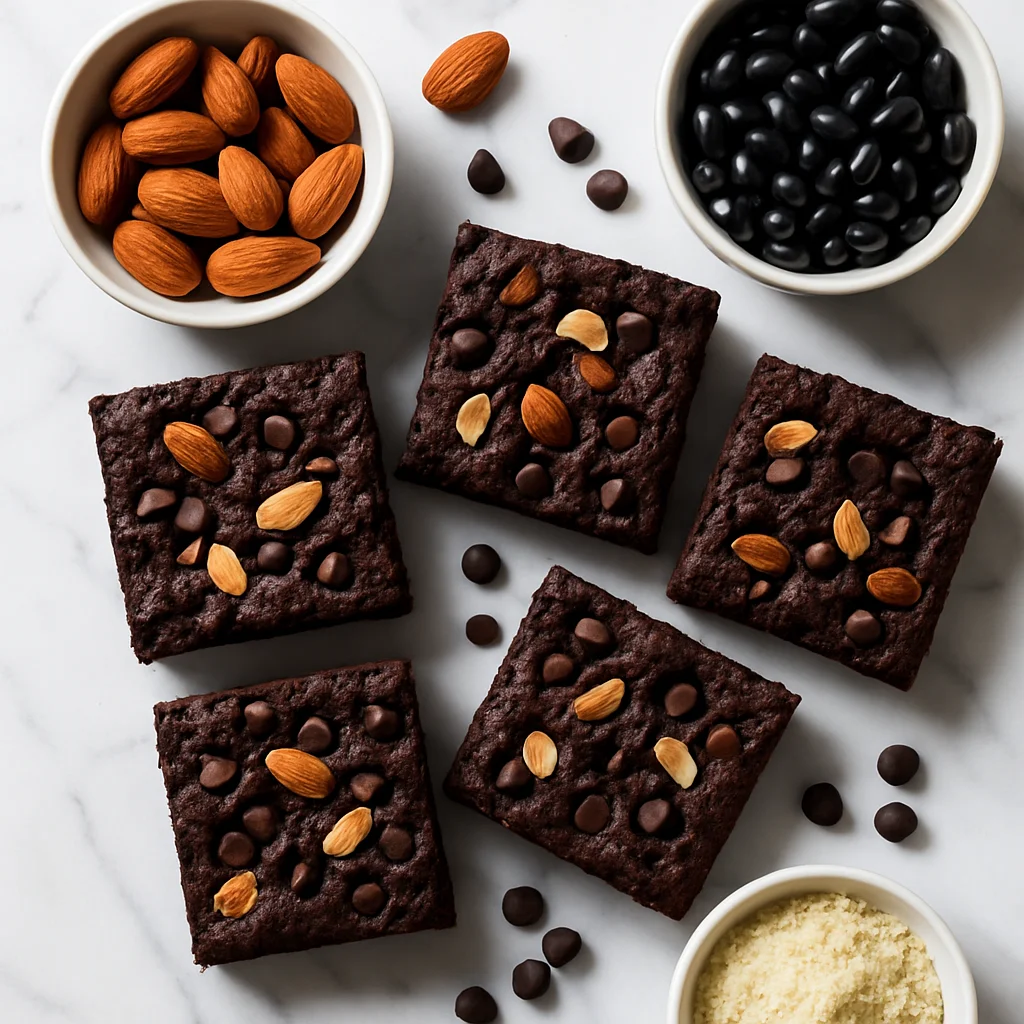
Dark Chocolate Low Carb Almond Flour Brownies with Black Bean Boost
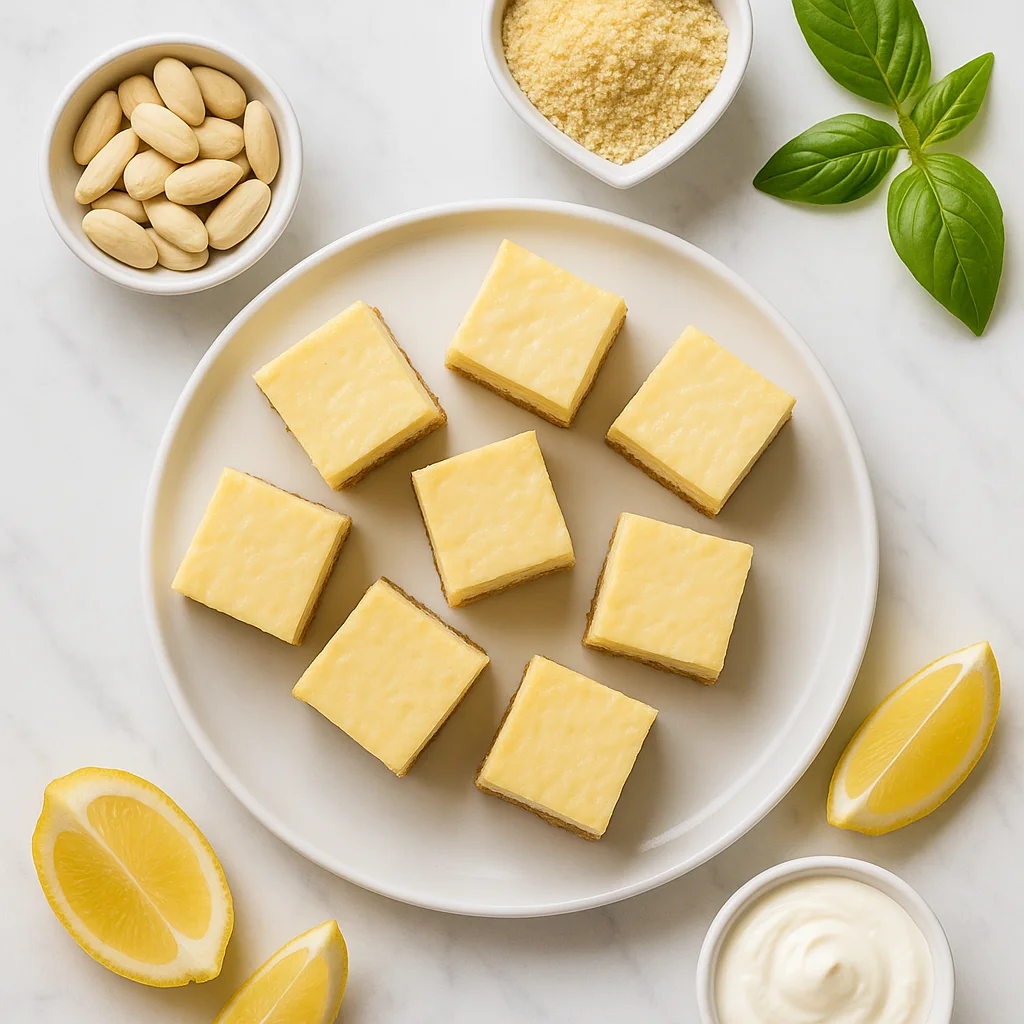
Low Carb Cheesecake Bites with Almond Flour Crust
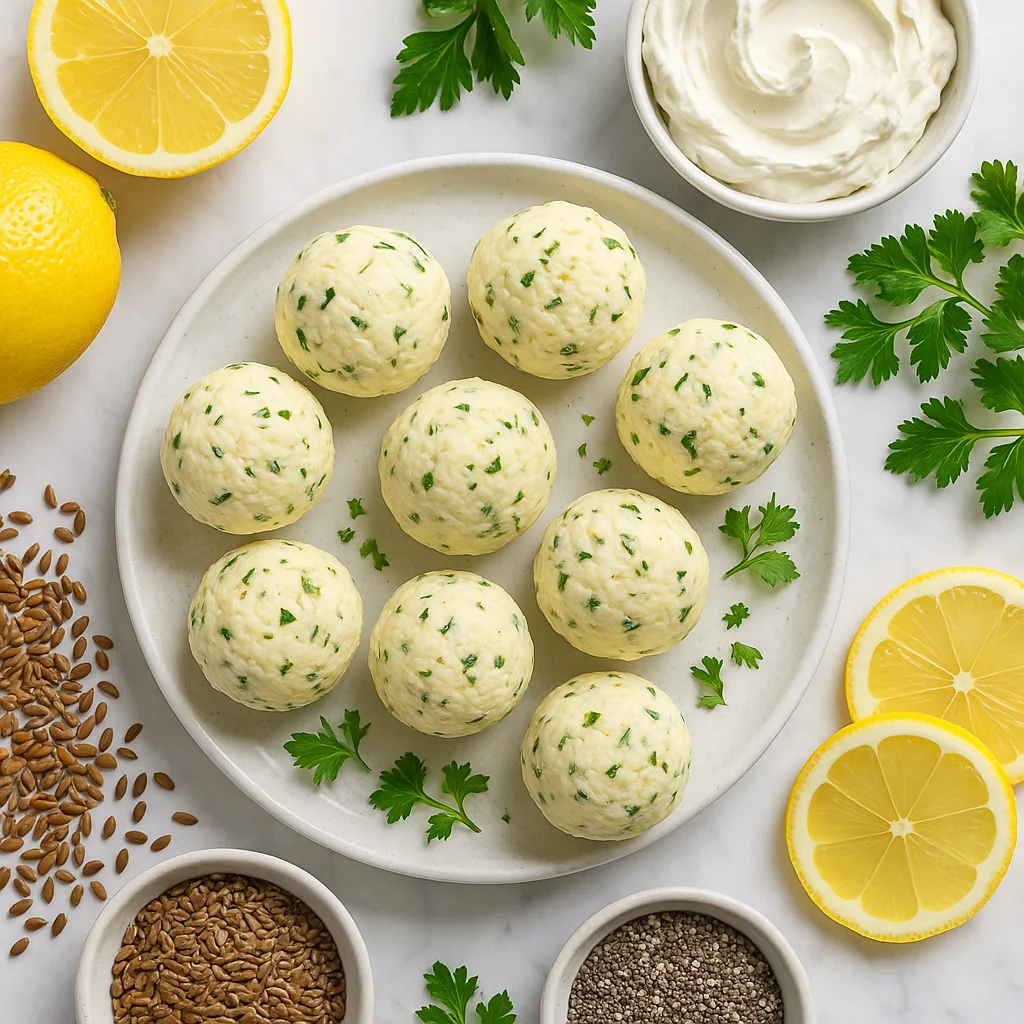
Lemon Herb Low Carb Cream Cheese Fat Bombs with Chia & Flaxseed