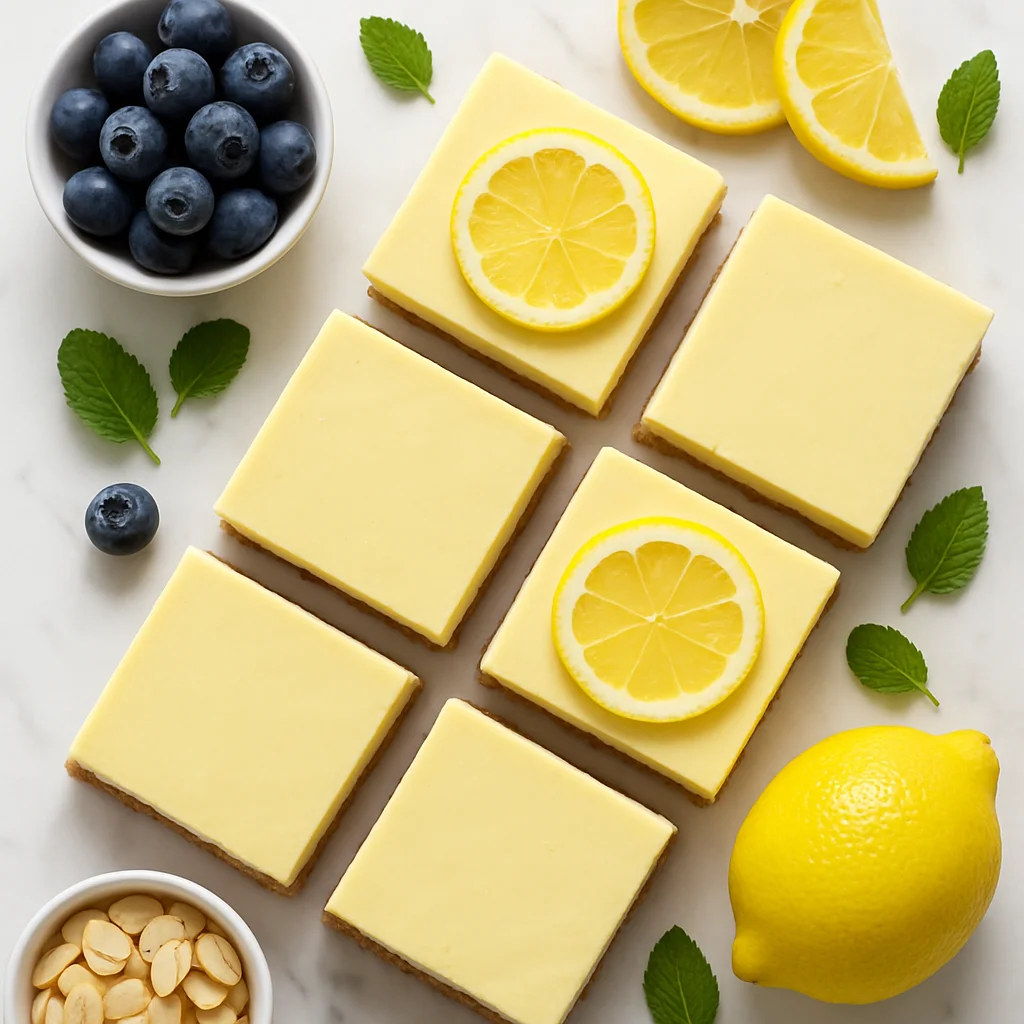
If you have been searching for a dessert that feels indulgent without derailing your low-carb lifestyle, these keto lemon cheesecake bars with almond crust are about to become your new favourite treat. Bright, tangy lemon filling meets a buttery, golden almond flour crust to create a dessert that is every bit as satisfying as the traditional version, but with a fraction of the sugar and carbohydrates. Whether you are following a strict ketogenic diet, eating low-carb for health reasons, or simply looking for a refined sugar-free dessert that actually tastes amazing, this recipe delivers on every level.
Traditional lemon cheesecake bars are loaded with refined sugar, high-carb graham cracker crust, and often contain condensed milk or other ingredients that send blood sugar soaring. This healthier version swaps all of that out without sacrificing the creamy, melt-in-your-mouth texture you expect from a great cheesecake bar. The crust is made entirely from blanched almond flour, which is naturally gluten-free and packed with healthy fats, vitamin E, and a modest amount of fibre. Combined with melted butter and a pinch of sea salt, it bakes into a perfectly crisp, nutty base that holds the lemon filling beautifully, almost like a tender shortbread that melts on your tongue.
For the filling, full-fat cream cheese forms the rich, creamy backbone. Sweetness comes exclusively from a powdered erythritol and monk fruit blend, which measures and tastes just like powdered sugar but contains zero glycaemic impact. Fresh lemon juice and a generous amount of lemon zest provide that vivid, sunshine-bright flavour that makes these bars so irresistible. Two whole eggs give the filling structure, while a small splash of vanilla extract rounds out the flavour profile with warmth and depth. The result is a filling that is silky, tangy, and luxuriously creamy, everything a great cheesecake bar should be.
One of the things that makes this recipe especially appealing is how straightforward it is. You do not need a water bath, a springform pan, or any complicated cheesecake techniques. Everything comes together in a standard 8x8-inch square baking pan, making it completely beginner-friendly. The crust is pressed in and pre-baked for just twelve minutes to create a stable, firm base. The filling is whisked together and poured directly on top before the whole thing goes back into the oven for another twenty to twenty-two minutes. After a brief cooling period and a couple of hours in the refrigerator, you are left with perfectly set, sliceable bars that are ready to serve.
The key to the smoothest, most professional-looking filling is patience with your ingredients. Both the cream cheese and eggs must be fully at room temperature before you begin, cold cream cheese will leave stubborn lumps that no amount of beating will fully smooth out. Allow your cream cheese to sit on the counter for at least an hour before starting. Similarly, do not rush the mixing process: beat the cream cheese thoroughly before adding any other ingredients, and switch to low speed the moment your eggs go in. Overmixing after adding eggs incorporates too much air, which is the most common cause of cracking on the surface of baked cheesecake bars.
Each bar comes in at approximately 195 calories with just 4 grams of net carbohydrates, making them genuinely keto-friendly rather than just keto-adjacent. The almond flour crust contributes fibre that you simply do not get from a conventional wheat-based crust, which helps slow digestion and keeps you feeling satisfied for longer. The high fat content from the cream cheese and almond flour also supports ketosis and provides sustained energy without the blood sugar spike and crash associated with sugar-laden desserts.
From a flavour standpoint, the combination of lemon and cream cheese is a timeless classic for good reason. The tartness of the lemon cuts through the richness of the cream cheese in a way that feels bright and refreshing rather than heavy. Using both lemon juice and zest ensures you get the full spectrum of lemon flavour, the juice provides acidity while the zest delivers the fragrant, aromatic oils that give real lemon desserts their distinctive character. If you want an even more intense lemon flavour, a small amount of pure lemon extract can be added to the filling without affecting the texture or macros in any meaningful way.
These bars are also incredibly versatile. They can be made up to three days in advance and stored in the refrigerator, making them ideal for meal prepping, entertaining, or keeping a healthy dessert option on hand throughout the week. In fact, they taste even better the next day, the lemon flavour deepens and the texture firms up to a perfect sliceable consistency after an overnight chill. They also freeze well for up to two months, which means a batch made on a lazy Sunday can provide dessert well into the following weeks. Simply slice them before freezing and layer between sheets of parchment paper for easy individual portions.
For those with dietary restrictions beyond keto, it is worth noting that this recipe is naturally gluten-free and refined sugar-free. It is not dairy-free or vegan in its original form, but the variations and substitutions sections of this recipe include guidance on how to adapt it using dairy-free cream cheese alternatives and coconut oil for those who need that option.
Whether you dust them with a little extra powdered sweetener, top them with a fresh raspberry or two, or enjoy them plain straight from the refrigerator, these keto lemon cheesecake bars with almond crust are the kind of recipe you will return to again and again. Simple, wholesome, genuinely delicious, and proof that eating low-carb never has to mean eating less joyfully.
Ingredients
- 2 cups blanched almond flour (finely ground, not almond meal — coarser almond meal will produce a gritty, dense crust rather than a tender shortbread-like base)
- 3 tbsp unsalted butter (melted and slightly cooled — hot butter can make the crust oily; slightly cooled is ideal)
- 2 tbsp powdered erythritol monk fruit blend (for the crust — sift if clumped)
- 1 pinch fine sea salt (for the crust — do not skip; it balances the sweetness and enhances the almond flavour)
- 16 oz full-fat cream cheese (2 blocks, softened to room temperature for at least 60 minutes — full-fat is essential for the right texture and richness; reduced-fat versions contain more water and will produce a loose filling)
- 2 cup powdered erythritol monk fruit blend (for the filling — always sift before adding to avoid lumps and any residual grittiness in the final bars)
- 2 large eggs (room temperature — cold eggs can cause the cream cheese to seize and create lumps in the filling)
- 3 tbsp fresh lemon juice (approximately 2 medium lemons — always use fresh, never bottled; juice lemons after zesting them)
- 2 tsp lemon zest (finely grated, packed — zest only the bright yellow outer layer; avoid the white pith underneath which is bitter)
- 1 tsp pure vanilla extract (use pure extract rather than imitation for the cleanest flavour)
- 1 tsp pure lemon extract (optional but recommended for a more vibrant, pronounced lemon flavour — add alongside the lemon juice in step 8)
Instructions
- 1
Preheat your oven to 325°F (163°C). Line an 8x8-inch square baking pan with parchment paper, leaving overhang on two sides to act as handles for easy removal later.
Lightly grease the pan with a little butter or cooking spray before placing the parchment — this anchors it and stops it sliding around when you press in the crust.
- 2
Make the almond crust: In a medium bowl, stir together the almond flour, 2 tablespoons powdered sweetener, and sea salt. Add the melted butter and mix until the mixture resembles damp sand and holds together when pressed.
Do not add extra butter even if the mixture seems slightly crumbly. It will compact and bind as it bakes. Over-buttering the crust makes it greasy and prevents it from setting to that firm shortbread texture.
- 3
Transfer the crust mixture to the prepared pan. Use the flat bottom of a measuring cup or glass to press it evenly and firmly into the base. Bake for 12 minutes, or until the edges are just beginning to turn golden.
Watch the crust carefully after the 10-minute mark — almond flour can go from golden to overbrown very quickly. Pull it as soon as the edges show the first hint of colour.
- 4
Remove the crust from the oven and allow it to cool for 10 minutes while you prepare the filling. Leave the oven on.
Do not pour filling onto a hot crust — a 10-minute rest prevents the filling from partially cooking at the base before the bars go back in the oven, which can cause uneven setting.
- 5
Make the lemon filling: In a large bowl, beat the softened cream cheese with a hand mixer on medium speed for 1 to 2 minutes until completely smooth with no lumps.
Room temperature cream cheese is absolutely essential here. If yours still feels cool or firm, cut it into small cubes and microwave in 10-second bursts until just softened — not warm, just pliable.
- 6
Add the sifted powdered sweetener to the cream cheese and beat on low speed until combined, then increase to medium and beat for 1 minute until fluffy.
Adding the sweetener on low speed first prevents a cloud of fine powder from coating your workspace and ensures even incorporation before you increase the speed.
- 7
Add the eggs one at a time, mixing on low speed after each addition just until incorporated. Overmixing after adding eggs can cause the filling to crack during baking.
Scrape down the sides and bottom of the bowl with a rubber spatula between each egg addition — cream cheese can cling to the bowl and leave unmixed pockets in the batter.
- 8
Add the fresh lemon juice, lemon zest, vanilla extract, and lemon extract if using. Mix on low speed until just combined and smooth.
Zest your lemons before juicing them — it is much easier to zest a whole lemon than a squeezed one. Add the zest and juice together so the liquid helps distribute the zest evenly throughout the filling.
- 9
Pour the lemon filling evenly over the cooled almond crust. Spread gently with a spatula to ensure an even layer.
Tap the pan gently on the counter two or three times after spreading to release any air bubbles trapped in the filling. This helps prevent surface pitting as the bars bake.
- 10
Bake at 325°F (163°C) for 22 to 24 minutes. The edges should be set and the centre should still have a very slight jiggle — it will firm up as it cools.
Do not overbake. The centre should wobble like set jelly — not slosh like liquid — when you gently nudge the pan. If the entire surface looks completely firm in the oven, it is already overbaked.
- 11
Remove from the oven and allow the bars to cool completely at room temperature, approximately 45 minutes, before transferring to the refrigerator.
Placing hot cheesecake bars directly into the refrigerator causes rapid temperature change that can lead to condensation on the surface and a rubbery texture around the edges. Always cool to room temperature first.
- 12
Refrigerate for at least 2 hours, or overnight, until fully set and cold. Lift the bars out using the parchment overhang, slice into 12 even bars, and serve chilled. Dust with a little extra powdered sweetener if desired.
For the cleanest, most professional slices, chill overnight rather than just 2 hours. Use a sharp chef's knife dipped in hot water and wiped completely dry between every single cut. Score the surface lightly first to mark even portions before committing to full cuts.
Nutrition per serving
195kcal
Calories
5g
Protein
6g
Carbs
17g
Fat
2g
Fibre
1g
Sugar
145mg
Sodium
Pro Tips
- ✓
Always use room temperature cream cheese and eggs, take them out of the refrigerator at least 60 minutes before you start. Cold cream cheese creates stubborn lumps that will not smooth out no matter how long you beat the mixture.
- ✓
Sift the powdered sweetener before adding it to the filling. Erythritol and monk fruit blends can clump during storage, and un-sifted sweetener will leave a slightly gritty texture in the final bars even after baking.
- ✓
Fresh lemon juice and zest are non-negotiable for the best flavour. Bottled lemon juice tastes flat and slightly metallic by comparison. For maximum zest yield, microwave your lemons for 10 seconds before zesting, the warmth releases the oils.
- ✓
Do not skip pre-baking the crust. Pouring wet filling onto an unbaked almond flour crust will result in a soggy, underdone base. Those 12 minutes in the oven set the structure and develop a nutty, shortbread-like flavour that makes the bars exceptional.
- ✓
Pull the bars from the oven when the centre still has a visible jiggle, it should look like set jelly rather than liquid. The residual heat will continue cooking the filling as it cools, and overbaking is the number one cause of a dry, cracked top.
- ✓
For perfectly clean, bakery-style slices, chill the bars overnight rather than just 2 hours. Use a sharp knife dipped in hot water and wiped dry between every single cut. This prevents the filling from dragging and gives you neat, professional edges.
Frequently Asked Questions
Variations
- •
Lemon Blueberry Cheesecake Bars
Scatter 1/2 cup of fresh or frozen blueberries over the lemon filling before baking. The berries will sink slightly into the filling and create beautiful pockets of jammy fruit that complement the lemon perfectly.
- •
Lemon Raspberry Swirl Bars
Warm 3 tablespoons of sugar-free raspberry jam until just pourable, then dollop over the filling before baking and swirl with a toothpick for a striking marbled effect.
- •
Coconut Lemon Cheesecake Bars
Add 1/4 cup of unsweetened desiccated coconut to the almond crust mixture for a tropical twist. A few drops of coconut extract in the filling amplifies the coconut flavour.
- •
Lime Cheesecake Bars
Swap the lemon juice and zest for an equal amount of fresh lime juice and zest to create a zingy key lime-inspired variation. Add a drop of green food colouring to the filling if desired.
Substitutions
- •Blanched almond flour → Sunflower seed flour (Use a 1:1 swap for a nut-free alternative. The crust will have a slightly earthier flavour and may take on a greenish tint due to a natural reaction between sunflower seeds and baking, this is harmless.)
- •Unsalted butter → Melted coconut oil (Works well as a 1:1 substitute for a dairy-free crust. The flavour will be subtly coconutty, which pairs nicely with lemon.)
- •Full-fat cream cheese → Dairy-free cream cheese block (Use a high-quality, firm dairy-free cream cheese for best results. Avoid cream cheese spreads in tubs as they contain too much water and will result in a runny filling.)
- •Powdered erythritol monk fruit blend → Powdered pure erythritol or powdered allulose (Both work as 1:1 substitutes. Allulose produces a softer set and slightly more browning. Avoid granulated sweeteners in the filling.)
- •Fresh lemon juice → Bottled organic lemon juice (Use only as a last resort. Fresh lemon juice provides a significantly brighter and more complex flavour. If using bottled, reduce the quantity by about 1 teaspoon as it can taste sharper.)
🧊 Storage
Store bars in an airtight container in the refrigerator for up to 4 days. Place a sheet of parchment paper between layers to prevent sticking. For longer storage, freeze individual bars wrapped in cling film inside a freezer-safe bag or container for up to 2 months. Thaw in the refrigerator for 4 to 6 hours before serving.
📅 Make Ahead
These bars are ideal for making ahead. They actually taste better after an overnight chill as the flavours meld and the texture firms up perfectly. Prepare the full recipe up to 2 days before serving and store covered in the refrigerator. Slice just before serving for the neatest presentation.
More Keto Desserts Recipes
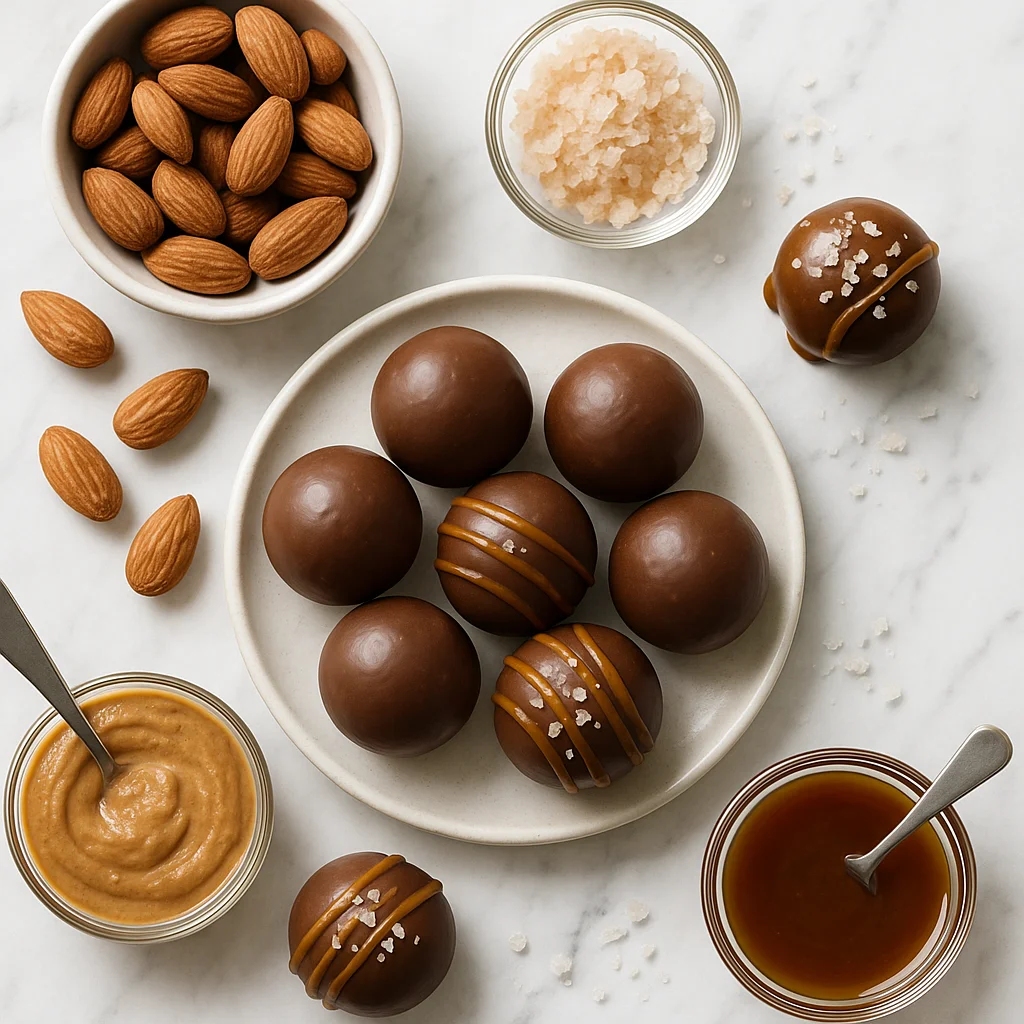
Keto Salted Caramel Truffles with Almond Butter and Sea Salt
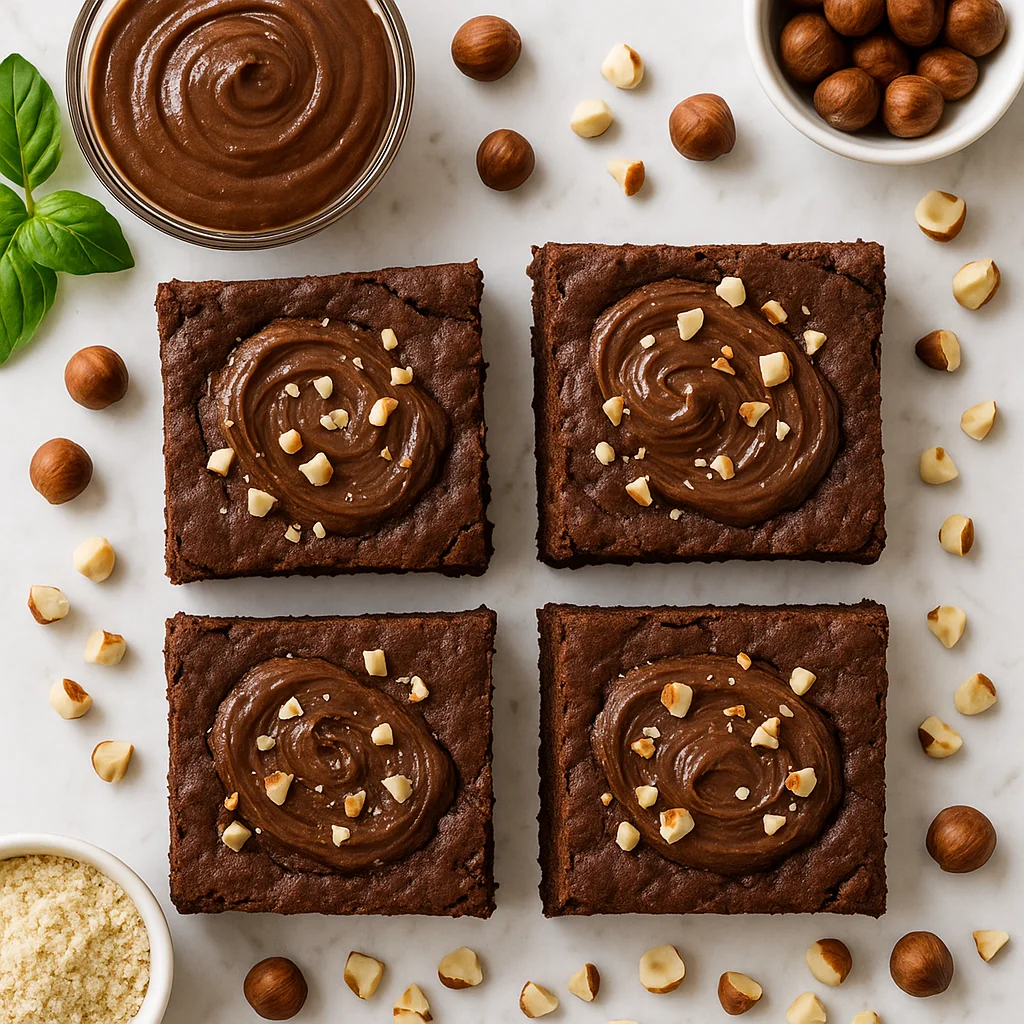
Keto Chocolate Hazelnut Spread Brownies (Fudgy, Low-Carb & Gluten-Free)
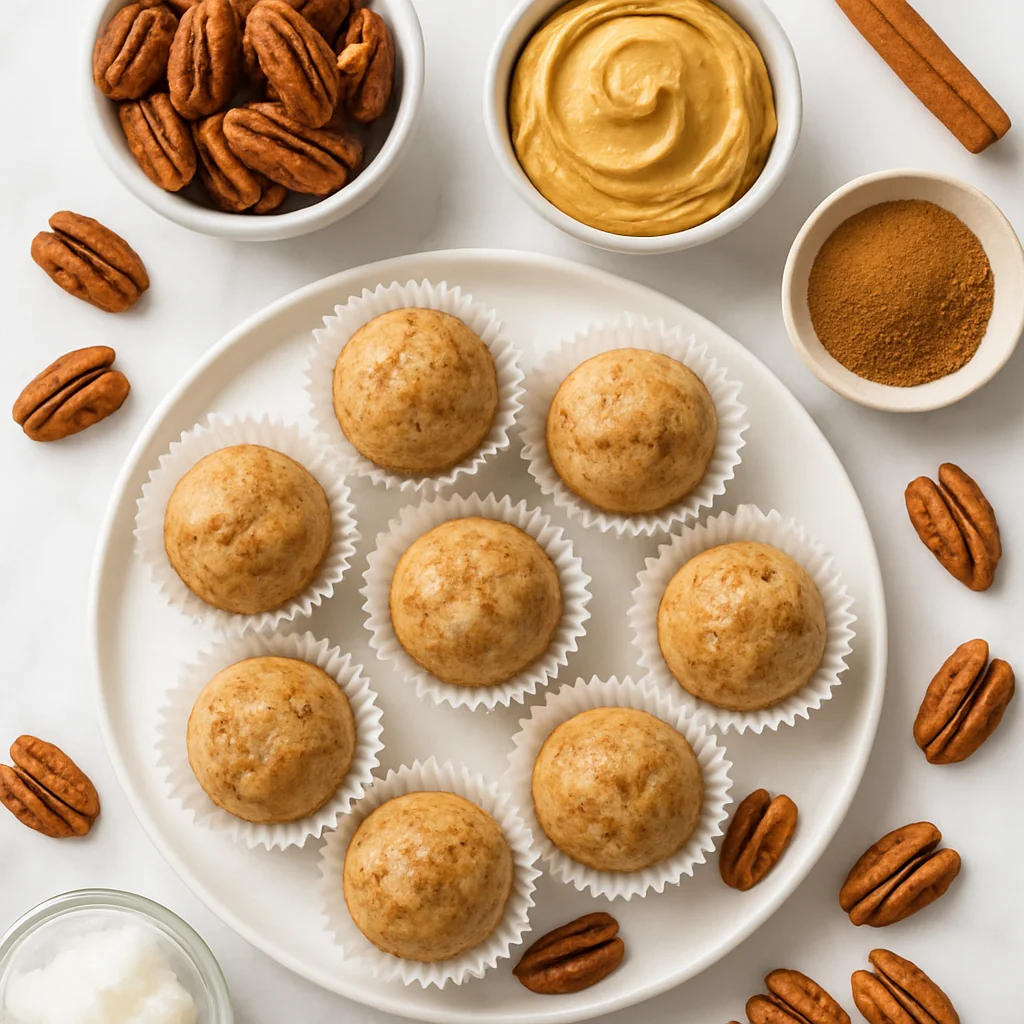
Keto Cinnamon Butter Pecan Fat Bombs (No-Bake, 5-Ingredient)