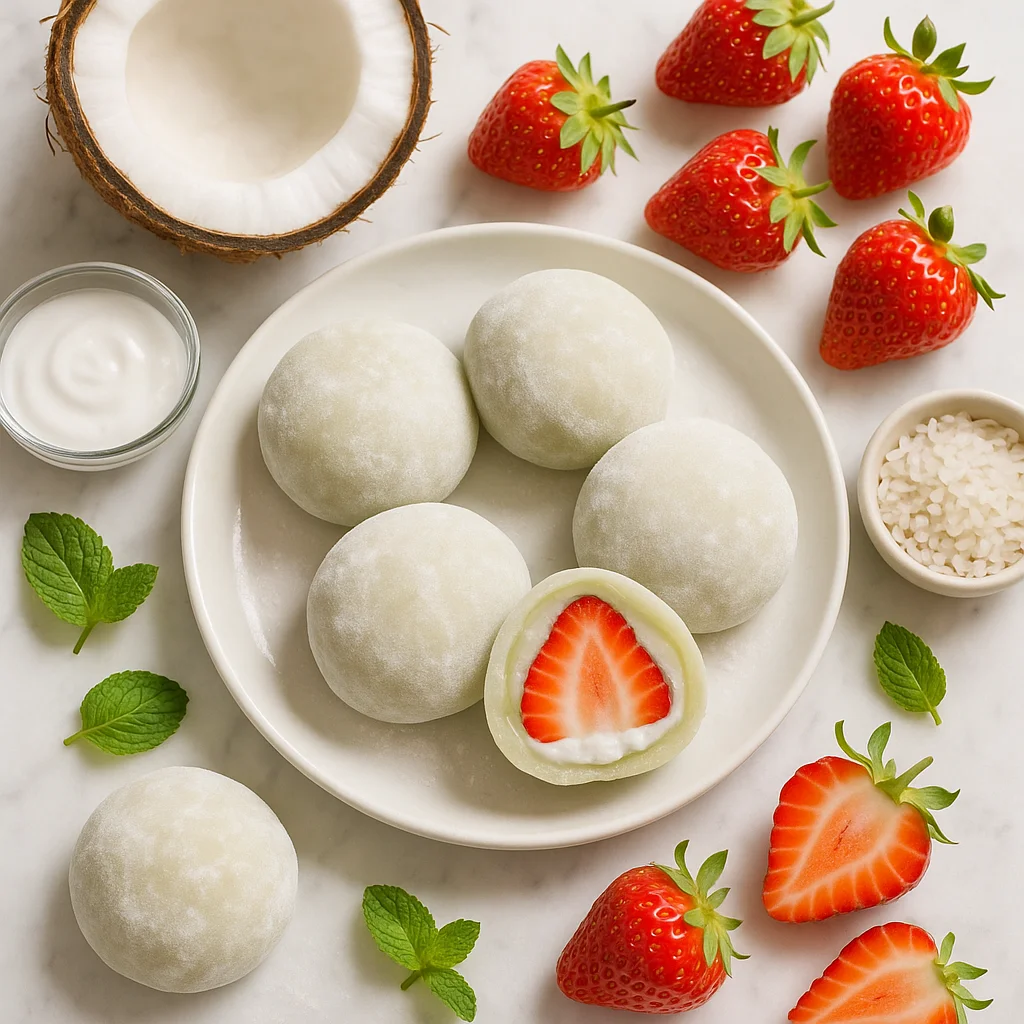
Japanese Matcha Mochi Ice Cream (Healthy, Lower-Sugar Recipe)
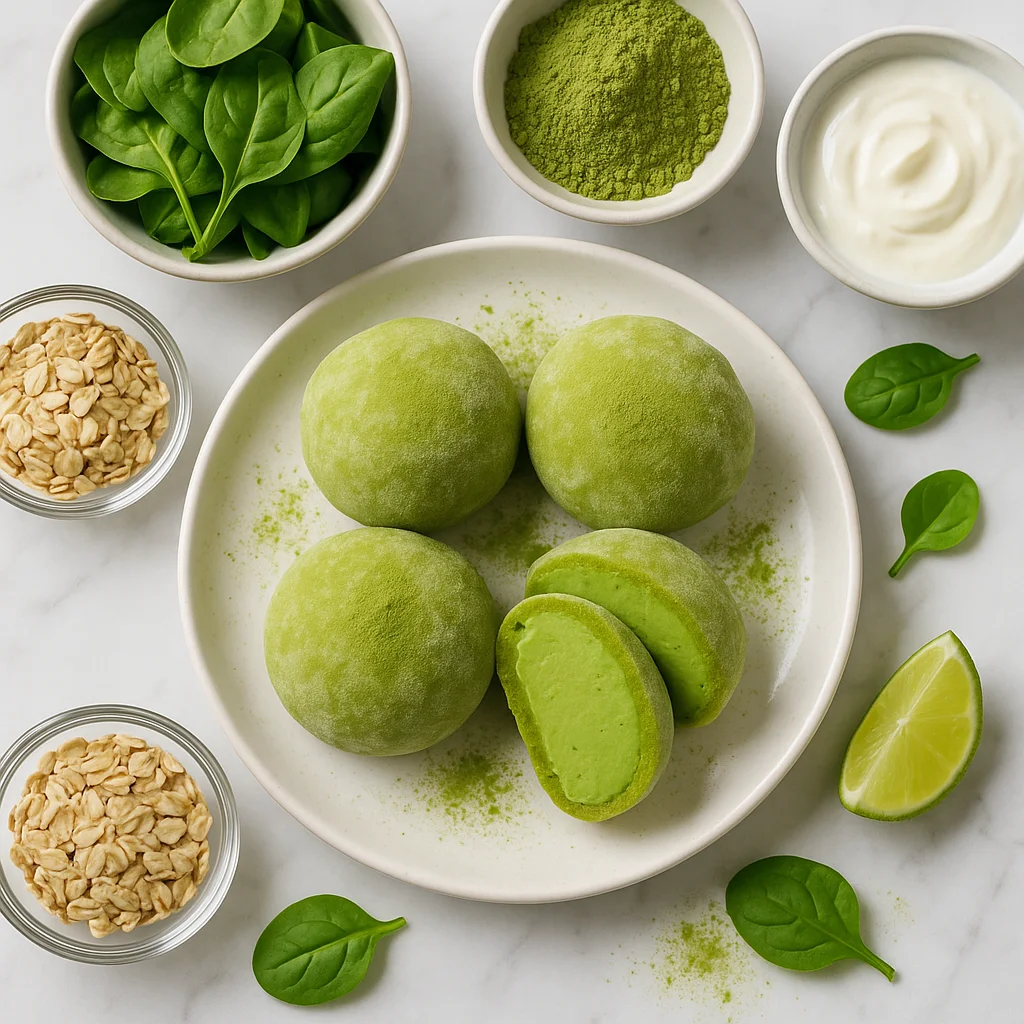
If you have ever wandered through a Japanese grocery store or spotted the soft, pillowy rounds in the freezer aisle and wondered whether you could make a healthier version at home, this recipe is exactly what you have been searching for. Japanese matcha mochi ice cream combines two of Japan's most beloved culinary traditions: the chewy, tender rice cake known as mochi and the vibrant, antioxidant-rich green tea powder called matcha. Together, they create a frozen dessert that is as visually stunning as it is satisfying to eat. Our version takes the best elements of this classic Japanese treat and reimagines them for the health-conscious home baker, slashing refined sugar, cutting calories, and keeping every bite genuinely nourishing.
Traditional mochi ice cream is typically made with sweetened condensed milk, heavy cream, and generous amounts of white sugar in both the mochi shell and the ice cream filling. While undeniably delicious, a single piece can contain upwards of 120 calories and over 20 grams of sugar. Our healthy Japanese matcha mochi ice cream swaps full-fat coconut cream for the dairy base, uses pure maple syrup and a touch of monk fruit sweetener to bring natural sweetness without the blood sugar spike, and relies on ceremonial-grade matcha powder to deliver deep, complex flavour along with a meaningful dose of L-theanine and EGCG antioxidants.
The mochi shell itself is made from shiratamako, a fine-ground glutinous rice flour that produces an exceptionally smooth, elastic dough. Unlike wheat-based doughs, shiratamako is naturally gluten-free and requires no leavening agents. We sweeten the shell lightly with just a tablespoon of maple syrup per batch, which keeps each piece well under 90 calories while preserving the authentic chewy texture that makes mochi so irresistible. A dusting of toasted rice flour on the outside prevents sticking without adding any noticeable flavour or unnecessary fat.
Matcha deserves special attention here because not all matcha powder is created equal. For this recipe, ceremonial-grade matcha is strongly recommended. It has a naturally sweeter, less bitter flavour profile compared to culinary-grade matcha, which means you can achieve bold green tea intensity without needing extra sweetener to mask bitterness. Ceremonial matcha also carries a higher concentration of chlorophyll and catechins, making it a genuinely functional ingredient rather than just a colouring agent. One serving of this recipe provides a meaningful amount of matcha's well-documented cognitive and metabolic benefits.
The coconut cream ice cream filling is rich, creamy, and scoops beautifully after chilling in the freezer. Because coconut fat contains medium-chain triglycerides, it provides a satisfying sense of fullness that helps prevent over-eating, a real advantage over traditional dairy ice cream. We blend in a small amount of cashew butter for extra creaminess and a subtle nutty depth that complements the earthy matcha beautifully. The result is a filling that is dairy-free, egg-free, and suitable for vegan diets without any compromise in texture or indulgence.
One of the most useful tricks borrowed from experienced mochi makers is keeping the dough well-dusted at every stage. Glutinous rice dough is inherently tacky, and a generous hand with the toasted rice flour or potato starch is the single biggest factor separating a frustrating experience from a smooth, enjoyable one. Similarly, keeping your filling rounds deeply frozen, not merely cold, is critical. Even a few minutes at room temperature can cause the filling to soften enough to make wrapping messy and the final shape difficult to maintain.
Assembling Japanese matcha mochi ice cream at home does require a little patience and planning, but it is far more approachable than most people expect. The ice cream filling is prepared and pre-frozen into small rounds the day before, which makes wrapping them in the warm mochi dough significantly easier and less messy. We walk you through every step clearly, including how to handle the hot mochi dough safely, how to prevent tearing, and how to seal the packages neatly. With our detailed instructions and practical tips, even first-time mochi makers consistently achieve beautiful, professional-looking results.
This recipe makes twelve pieces, making it ideal for a dinner party dessert, a special weekend project with children, or a batch-cooked healthy treat to keep in the freezer for the week ahead. Each piece contains approximately 88 calories, 2 grams of protein, 13 grams of carbohydrates, and a genuinely modest 6 grams of natural sugar. Compared to store-bought versions, that represents a reduction of roughly 30 percent in calories and over 40 percent in sugar per piece.
Whether you are a matcha devotee, a mochi enthusiast, or simply someone looking for a creative, healthy frozen dessert that impresses without guilt, this Japanese matcha mochi ice cream recipe belongs in your repertoire. It celebrates authentic Japanese flavours and techniques while aligning perfectly with a balanced, health-forward lifestyle.
Ingredients
- 400 ml full-fat coconut cream (chilled overnight in the fridge; the cream should be completely solid when scooped — avoid brands with stabilisers or added gums as they whip less reliably)
- 2 tbsp pure maple syrup (for the ice cream filling; grade A or B both work, grade B has a stronger, more caramel-like flavour)
- 2 tbsp unsalted cashew butter (smooth and runny consistency; adds creaminess and helps the filling hold together when frozen — stir well before measuring)
- 2 tsp ceremonial-grade matcha powder (for the ice cream filling; always sift before adding to avoid green lumps; look for a bright, vivid green colour as an indicator of freshness and quality)
- 1 tsp pure vanilla extract (use pure extract rather than imitation for the cleanest flavour)
- 1 pinch fine sea salt (for the filling; enhances the matcha flavour and rounds out the sweetness)
- 150 g shiratamako glutinous rice flour (also called sweet rice flour; do not substitute with regular rice flour or plain rice flour — they are completely different products and will not produce a stretchy mochi texture; find it at Asian grocery stores or online)
- 180 ml cold filtered water (for the mochi dough; cold water helps control the cooking speed in the microwave and produces a smoother dough)
- 1 tbsp pure maple syrup (for the mochi dough; keeps the shell lightly sweetened without overpowering the matcha flavour)
- 1.5 tsp ceremonial-grade matcha powder (for the mochi dough; sift thoroughly before whisking in to ensure an even, vibrant green colour throughout the shell)
- 0.5 tsp monk fruit sweetener (optional; enhances sweetness without extra calories or raising the glycaemic index; omit if you prefer a less sweet shell)
- 3 tbsp toasted rice flour or potato starch (essential for preventing sticking at every stage — dusting your hands, surface, rolling pin, and finished pieces; avoid cornstarch as it can turn gummy when frozen)
Instructions
- 1
The day before or at least 4 hours ahead, prepare the matcha coconut ice cream filling. Scoop the chilled coconut cream into a medium mixing bowl, discarding or saving any liquid for smoothies. Using a hand mixer or stand mixer, whip the coconut cream on high speed for 2 minutes until it thickens slightly. Add the maple syrup, cashew butter, sifted matcha powder, vanilla extract, and sea salt. Whip again for 1 minute until fully combined and creamy.
Make sure the coconut cream is completely solid and very cold before whipping — coconut cream at room temperature will not thicken or aerate properly. If your kitchen is warm, chill the mixing bowl in the freezer for 10 minutes before starting.
- 2
Line a small baking sheet or flat container with parchment paper. Using a tablespoon or small ice cream scoop, portion the matcha coconut cream into 12 equal rounds, each roughly the size of a large marble (about 1.5 tablespoons each). Place the rounds on the parchment, space them apart, and freeze for at least 4 hours or overnight until completely solid.
Pre-freezing the filling rounds until rock solid is the most important step — even slightly soft filling is impossible to wrap neatly in warm mochi dough and will result in misshapen pieces. When in doubt, freeze longer. Overnight is ideal.
- 3
When you are ready to make the mochi shells, generously dust a clean silicone mat or large sheet of parchment paper with toasted rice flour or potato starch. Set aside. In a microwave-safe bowl, whisk together the shiratamako, sifted matcha powder, cold filtered water, maple syrup, and monk fruit sweetener (if using) until completely smooth with no lumps.
Sift both the shiratamako and the matcha separately before whisking them together. This prevents green specks, eliminates flour lumps, and ensures a perfectly smooth, evenly coloured dough. A small fine-mesh strainer works well for sifting directly into the bowl.
- 4
Cover the bowl loosely with microwave-safe plastic wrap or a damp paper towel. Microwave on high for 1 minute. Remove and stir vigorously with a silicone spatula. Re-cover and microwave for another 45 seconds. Stir again firmly — the dough should look glossy and translucent in places. Microwave for a final 30 seconds if the dough still looks opaque or wet in the centre. The finished dough should be smooth, stretchy, and slightly tacky.
Microwave wattages vary significantly. If your microwave runs at 1200W or higher, reduce each interval by 10 seconds. The dough is fully cooked when it is uniformly glossy and pulls away from the sides of the bowl cleanly. Under-cooked dough will be sticky and raw-tasting.
- 5
Turn the hot mochi dough out onto the prepared dusted surface. Dust the top generously with more toasted rice flour to prevent sticking. Using a dusted rolling pin, roll the dough to approximately 4–5mm thickness. Work gently and do not rush — mochi dough is elastic and will resist rolling if you press too hard. Allow it to rest for 30 seconds between rolls if it springs back excessively.
Wearing food-safe silicone gloves makes handling the hot dough much more comfortable and also prevents fingerprints from sticking. The dough will be very hot immediately after cooking — allow it to sit on the dusted surface for 60 seconds before handling if it is too hot to touch comfortably, but do not let it cool completely or it will stiffen.
- 6
Using a round cutter approximately 9–10cm in diameter, cut out 12 circles from the rolled mochi dough. Re-roll scraps gently to cut additional circles if needed. Place the cut circles on a flour-dusted tray and cover loosely with cling film to prevent them from drying out while you work.
A round pastry cutter produces cleaner, sharper edges than using a glass or bowl rim, and makes it easier to achieve a consistent diameter across all 12 circles. If re-rolling scraps, combine them, press together, and allow to rest for 30 seconds before rolling again to reduce elasticity.
- 7
Working one piece at a time, retrieve a frozen filling round from the freezer. Place it in the centre of a mochi circle. Quickly fold the edges of the mochi dough up and around the filling, pinching and gathering the dough together at the top. Pinch the seam firmly to seal, then roll the completed piece gently between your palms to smooth it into a round ball. Place seam-side down on a clean parchment-lined tray dusted with rice flour.
Speed and organisation are key during wrapping. Only remove three or four filling rounds from the freezer at a time, keeping the rest frozen solid. If you notice the filling beginning to soften or the mochi dough sticking to your hands, dust more flour onto your palms immediately and return the assembled pieces to the freezer tray promptly.
- 8
Once all 12 pieces are assembled, place the tray in the freezer for at least 1 hour to firm up completely. Transfer the pieces to an airtight container with parchment between layers for storage. Before serving, allow each piece to sit at room temperature for 3–5 minutes until the mochi shell is soft and pliable — this is when the texture is at its absolute best.
Do not skip the resting time before eating. Mochi straight from the freezer will be hard and chewy in an unpleasant way. After 3–5 minutes at room temperature, the shell becomes soft, stretchy, and perfectly balanced against the cold ice cream inside. In warm weather, check at 2–3 minutes to avoid the filling softening too much.
Nutrition per serving
88kcal
Calories
2g
Protein
13g
Carbs
4g
Fat
1g
Fibre
6g
Sugar
28mg
Sodium
Pro Tips
- ✓
Use ceremonial-grade matcha for the best flavour and deepest green colour, culinary grade will taste more bitter and produce a duller, yellower hue. If ceremonial matcha is unavailable, choose the brightest-green culinary grade you can find and increase sweetener slightly to compensate.
- ✓
Keep a bowl of extra toasted rice flour or potato starch within arm's reach during assembly. Generously dusted hands, work surface, and rolling pin are the single biggest factor in stress-free, tear-free wrapping.
- ✓
Work in batches of three or four pieces at a time. Remove only a few filling rounds from the freezer at once, keeping the rest frozen solid. Soft filling is the most common cause of misshapen or leaky mochi.
- ✓
If the mochi dough tears while wrapping, press the edges back together firmly and pinch, mochi dough is naturally self-sealing and very forgiving. A small patch of extra dough pressed over a tear works perfectly.
- ✓
For perfectly uniform pieces, weigh your filling portions at 20–22g each before freezing, and use a kitchen scale to divide the mochi dough into equal portions before rolling. This ensures every piece looks and tastes consistent.
- ✓
The mochi dough stiffens quickly as it cools, so aim to cut, fill, and wrap all twelve pieces in one focused session. If the dough becomes too stiff to work with, microwave it for 10–15 seconds to restore pliability, then re-dust before continuing.
Frequently Asked Questions
Variations
- •
Strawberry Coconut Mochi Ice Cream
Replace the matcha powder in both the filling and dough with 2 tablespoons of freeze-dried strawberry powder for a naturally pink, fruity version with the same healthy base.
- •
Black Sesame Mochi Ice Cream
Swap matcha for 2 tablespoons of black sesame paste stirred into the filling and 1 tablespoon of black sesame powder added to the dough for a nutty, earthy flavour profile popular in Japanese desserts.
- •
Yuzu Mango Mochi
Use pureed frozen mango blended with a teaspoon of yuzu juice as the ice cream filling, and leave the mochi dough plain white for a bright, tropical contrast.
- •
Double Matcha Mochi
Increase the matcha in both the filling and the dough by 50 percent for an intensely green, deeply flavoured version ideal for serious matcha lovers.
Substitutions
- •Shiratamako glutinous rice flour → Mochiko sweet rice flour (Mochiko produces a slightly less smooth and elastic dough but works well and is more widely available in Western supermarkets.)
- •Full-fat coconut cream → Chilled full-fat oat cream or cashew cream (These alternatives whip less firmly than coconut cream but produce a delicious filling. Ensure the alternative is chilled thoroughly before whipping.)
- •Cashew butter → Sunflower seed butter or tahini (Both make the recipe nut-free. Tahini adds a slightly bitter, sesame note that complements matcha beautifully. Use the same quantity.)
- •Maple syrup → Agave nectar or brown rice syrup (Use the same quantities. Brown rice syrup has a milder flavour and lower glycaemic impact than maple syrup.)
- •Toasted rice flour (dusting) → Potato starch or arrowroot powder (Both work perfectly for preventing sticking and are flavourless. Avoid cornstarch as it can become gummy when frozen.)
🧊 Storage
Store assembled mochi ice cream pieces in a single layer in an airtight container in the freezer, with parchment paper between layers to prevent sticking. They keep well for up to 3 weeks. Allow each piece to rest at room temperature for 3–5 minutes before eating for the best texture.
📅 Make Ahead
The coconut matcha ice cream filling can be portioned and frozen up to 3 days before assembly. The completed mochi ice cream pieces can be made up to 3 weeks ahead and stored in the freezer, making this an excellent make-ahead dessert for dinner parties or meal prep.
More Japanese Desserts Recipes
Healthy Daifuku Mochi Recipe with Red Bean Paste (Lower Sugar)
5-Minute Microwave Mochi Recipe with Honey and Black Sesame
Raindrop Cake Mizu Shingen Mochi Agar Agar Recipe with Coconut Water and Matcha Drizzle