Light and Fluffy Japanese Cheesecake Souffle Recipe (Healthier Version)
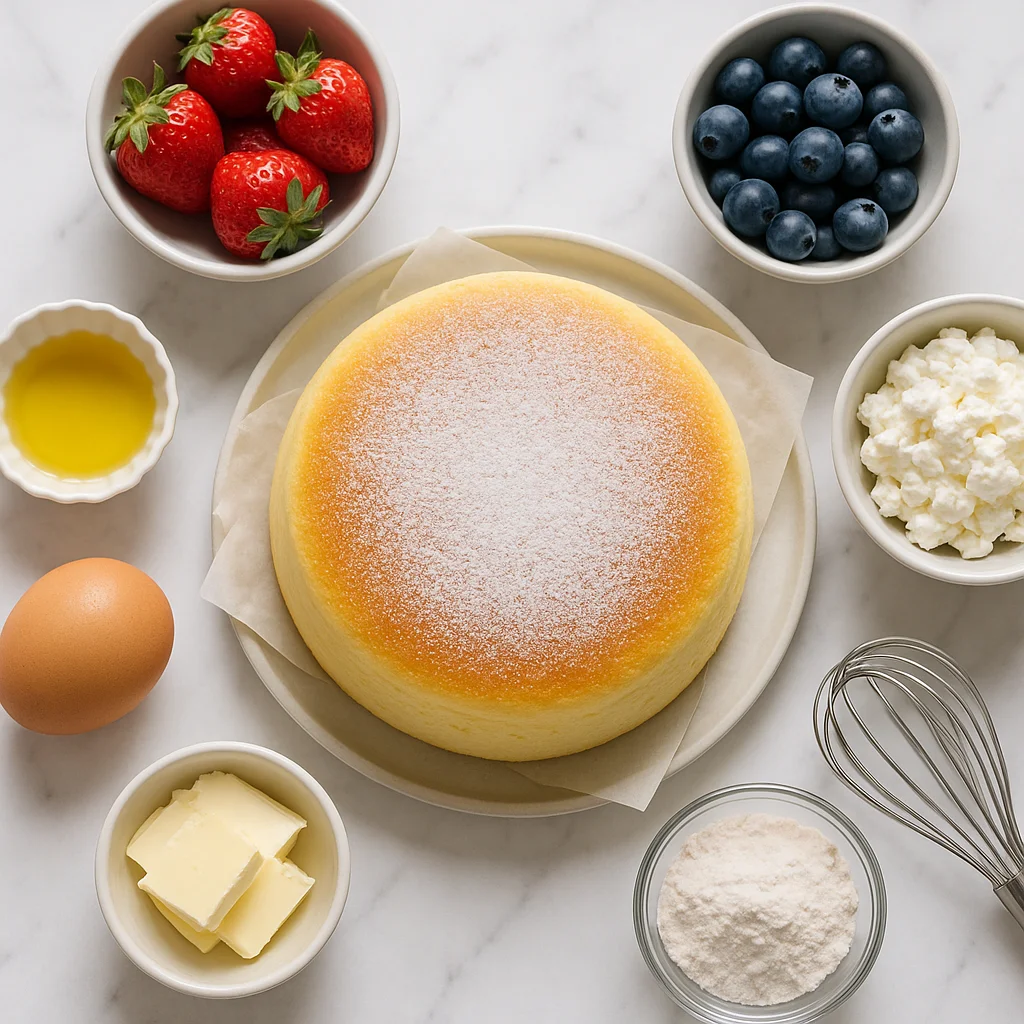
If you have ever fallen in love with the cloud-like wobble of a Japanese cheesecake, this healthier take is going to be your new favourite weekend bake. This japanese cheesecake fluffy souffle recipe keeps everything that makes the original so magical, that impossibly light, cotton-soft crumb and the gentle tang of cream cheese, while quietly swapping out the heavy calorie loads that come with traditional versions. By using reduced-fat cream cheese, Greek yogurt and a smaller amount of honey instead of refined white sugar, you get a dessert that feels indulgent without sending your nutrition goals off track. This one is for the health-conscious home baker who refuses to believe that eating lighter means eating less joyfully.
The ingredient list here is short, which is very much on purpose. Reduced-fat cream cheese gives you that signature richness without the full fat hit, and full-fat Greek yogurt steps in to add creaminess, a little extra protein and a pleasing tang. Raw honey replaces the usual cup of white sugar, bringing natural sweetness along with trace minerals and a slightly floral depth of flavour. The eggs are the real heroes though. You separate them and whip the whites into a glossy, stiff meringue, which is the classic technique that gives Japanese cotton cheesecake its legendary rise and bounce. A small amount of plain wholemeal flour (rather than refined cake flour) adds a subtle nuttiness and a modest fibre boost that you simply do not get in the original. A squeeze of fresh lemon juice brightens everything up and helps stabilise the meringue at the same time.
The texture is genuinely something special. Light as a whisper on the outside, with a barely-there golden crown, and then soft, yielding and almost custardy in the centre. Each bite melts quickly, leaving behind a creamy, mildly sweet aftertaste with the faintest hint of lemon. It is not as aggressively cheesy as a New York style cheesecake and not as airy as a chiffon cake. It sits somewhere beautifully in between, and that is precisely the point. Serve it simply, dusted with a little unsweetened cocoa powder or a few fresh berries on the side. A spoonful of plain Greek yogurt works wonderfully instead of cream if you want to lean into the healthy angle. This cake is equally at home as a dinner party centrepiece or a quiet midweek treat with a cup of green tea.
From a nutritional standpoint, this version comes in at around 155 calories per slice compared to the 280 to 350 you might find in a standard Japanese cheesecake recipe. The reduction in sugar is significant, roughly 60 percent less than a traditional version, which matters if you are managing blood sugar or simply trying to cut back on added sugars across your week. The inclusion of wholemeal flour means each slice delivers a small but meaningful amount of dietary fibre, which slows digestion and keeps you feeling satisfied longer. The protein contribution from the Greek yogurt and eggs makes this more filling than a typical dessert slice, which means you are far less likely to reach for a second piece. Naturally gluten content is low (though not fully gluten-free), and the recipe contains no refined sugar whatsoever. For anyone exploring lighter baking without sacrificing the craft and the joy of it, this japanese cheesecake fluffy souffle recipe really does deliver on every level.
Ingredients
- 220 g reduced-fat cream cheese (softened to room temperature)
- 120 g full-fat plain Greek yogurt (at room temperature)
- 4 large eggs (separated, at room temperature)
- 3 tbsp raw honey (approximately 60g, adjust to taste)
- 2 tbsp unsalted butter (melted and slightly cooled)
- 35 g plain wholemeal flour (sifted)
- 15 g cornflour (also called cornstarch)
- 1 tbsp fresh lemon juice (helps stabilise the meringue)
- 1 tsp pure vanilla extract
- 1 pinch fine sea salt
- 0.3 tsp cream of tartar (for a stable meringue)
Instructions
- 1
Preheat your oven to 150C (130C fan, 300F). Grease an 18cm round springform tin and line the base and sides with baking parchment, making sure the parchment rises at least 5cm above the rim of the tin. Place the tin inside a larger roasting tray.
The high parchment collar allows the cake to rise freely without catching on the tin edge.
- 2
In a large heatproof bowl set over a pan of barely simmering water, combine the softened cream cheese, Greek yogurt, melted butter and honey. Stir gently until the mixture is completely smooth and no lumps remain. Remove from the heat and allow to cool for five minutes.
Do not let the base of the bowl touch the water. Gentle warmth is all you need here.
- 3
Whisk the egg yolks one at a time into the warm cream cheese mixture, followed by the vanilla extract and lemon juice. Sift in the wholemeal flour, cornflour and salt, then fold gently until a smooth, thick batter forms. Set aside.
Do not overwork the batter at this stage as you want to keep as much lightness as possible.
- 4
In a spotlessly clean large bowl, use an electric hand mixer to beat the egg whites on medium speed until foamy. Add the cream of tartar, then increase to high speed and continue beating until the whites reach stiff, glossy peaks. The meringue should hold its shape but not look dry or grainy.
Even a tiny trace of yolk or grease in the bowl will prevent your whites from whipping properly. Wipe the bowl with a cut lemon before you start.
- 5
Add one third of the meringue to the cream cheese batter and stir it in to loosen the mixture. This is your sacrificial fold. Add the remaining meringue in two more additions, folding each time with a large balloon whisk or silicone spatula using wide, sweeping under-and-over motions. Stop as soon as no white streaks remain. The batter should look light, airy and slightly ribbony.
Folding too vigorously will knock out the air you have worked hard to build. Be patient and gentle.
- 6
Pour the batter slowly into the prepared tin, then gently tap the tin on the counter two or three times to release any large air bubbles. Pour boiling water into the outer roasting tray to a depth of about 2.5cm to create a water bath. Carefully transfer to the oven.
The water bath regulates temperature and keeps the cake moist, preventing cracks and rubbery edges.
- 7
Bake at 150C for 30 minutes, then reduce the temperature to 120C (100C fan) and bake for a further 35 minutes. The top should be a pale golden colour and the cake should jiggle gently in the centre when you nudge the tin, like a soft set jelly.
Resist the urge to open the oven door during baking. Sudden temperature drops are the main cause of collapse.
- 8
Turn the oven off and leave the cake inside with the door slightly ajar for 20 minutes. This slow cooling step is important for preventing the cake from sinking suddenly. After that, remove from the oven and allow to cool completely in the tin on a wire rack.
Some gentle deflation as it cools is completely normal and nothing to worry about.
- 9
Once the cake is at room temperature, refrigerate it in the tin for at least one hour, ideally two, before unclipping the springform and peeling away the parchment. Serve chilled or at room temperature, dusted with a light pinch of unsweetened cocoa powder if you like.
Chilling firms up the texture beautifully and makes slicing much cleaner.
Nutrition per serving
155kcal
Calories
7g
Protein
13g
Carbs
8g
Fat
1g
Fibre
8g
Sugar
165mg
Sodium
Pro Tips
- ✓
All dairy ingredients and eggs must be at room temperature before you start. Cold ingredients seize the batter and prevent even mixing.
- ✓
Sifting the wholemeal flour is not optional here. Those larger bran particles can deflate the meringue if they drop in too heavily.
- ✓
Use a digital kitchen thermometer to check your oven is actually running at the right temperature. Ovens can run hot or cool by up to 20 degrees.
- ✓
Always bake in a water bath. Skipping this step risks a rubbery texture and cracked surface.
- ✓
If the top of your cake starts to brown too quickly, loosely lay a sheet of foil across the top without pressing it down.
- ✓
The honey can be swapped for maple syrup if you prefer a different flavour profile, though the colour of the baked cake will deepen slightly.
- ✓
Leftover cake is honestly even better the next day once the flavours have had time to meld.
Frequently Asked Questions
Variations
- •
Matcha Japanese Souffle Cheesecake
Sift two teaspoons of high-quality ceremonial grade matcha powder in with the flour at step three. The result is a pale jade-green cake with a gentle earthy bitterness that balances the sweetness beautifully. Particularly lovely served with a few slices of fresh mandarin on the side.
- •
Lemon Blueberry Souffle Cheesecake
Double the lemon juice to two tablespoons and add one teaspoon of finely grated lemon zest to the batter. Scatter 80g of fresh or frozen blueberries across the top of the batter just before baking. The berries sink gently into the cake and burst during cooking, creating pockets of fruity flavour.
- •
Vanilla Bean and Miso Souffle Cheesecake
Add one teaspoon of white shiro miso to the cream cheese mixture at step two along with the seeds from half a vanilla pod. The miso adds an almost imperceptible savoury depth that makes the overall flavour far more complex and interesting without tasting salty.
Substitutions
- •Reduced-fat cream cheese → Full-fat cream cheese (Works perfectly and gives a richer result. The calorie count will increase by roughly 20 to 25 calories per slice.)
- •Raw honey → Pure maple syrup (Use the same quantity. Maple syrup gives a slightly deeper, more caramel-like sweetness. Both are unrefined natural sweeteners.)
- •Plain wholemeal flour → Plain white flour or gluten-free flour blend (White flour gives a slightly lighter crumb. Gluten-free blends work well but reduce the fibre content per serving.)
- •Cream of tartar → A few extra drops of fresh lemon juice (Cream of tartar is the more reliable stabiliser for meringue but a small amount of lemon juice will do the job if that is what you have available.)
- •Greek yogurt → Low-fat sour cream (The tanginess and texture are similar. The protein content will be slightly lower with sour cream.)
🧊 Storage
Store leftover cake covered loosely with cling film or in an airtight container in the refrigerator for up to three days. The texture remains lovely and slightly denser on day two onward. Do not store at room temperature for more than two hours as this is a dairy-based cake. You can freeze individual slices wrapped tightly in cling film for up to one month. Thaw overnight in the refrigerator before serving.
📅 Make Ahead
This cake is a great make-ahead dessert. Bake it the day before you need it, cool completely, then refrigerate overnight in the tin. Unmould and garnish just before serving. The flavour and texture actually improve after an overnight rest in the fridge.
More Japanese Desserts Recipes
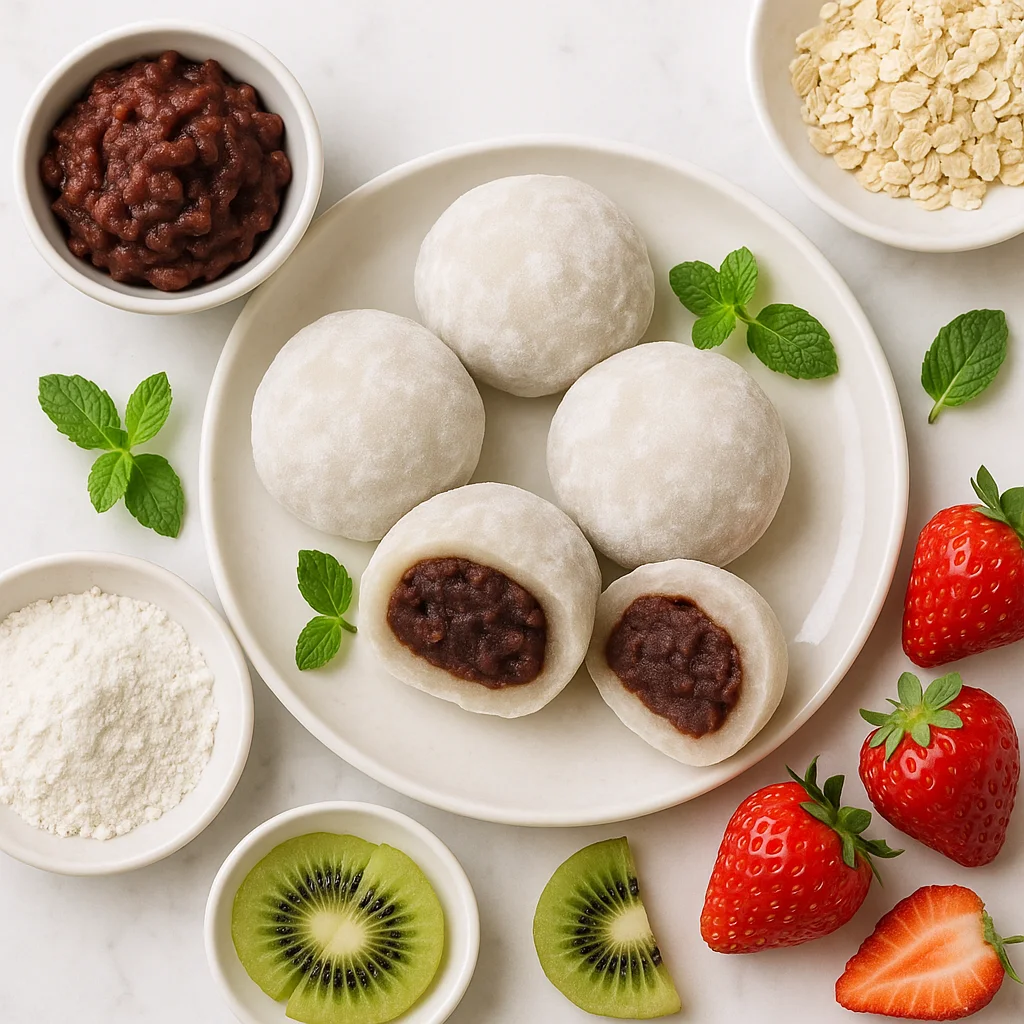
Healthy Daifuku Mochi Recipe with Red Bean Paste (Lower Sugar)
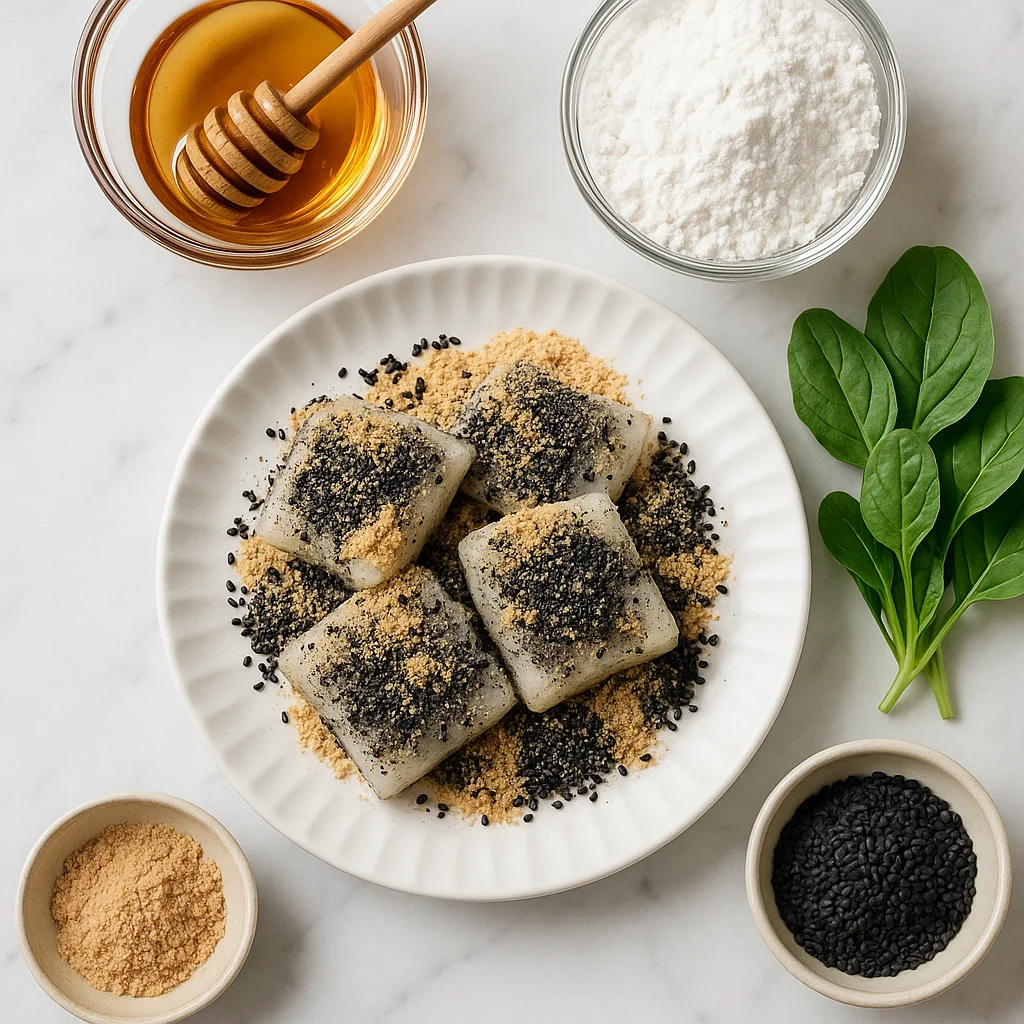
5-Minute Microwave Mochi Recipe with Honey and Black Sesame
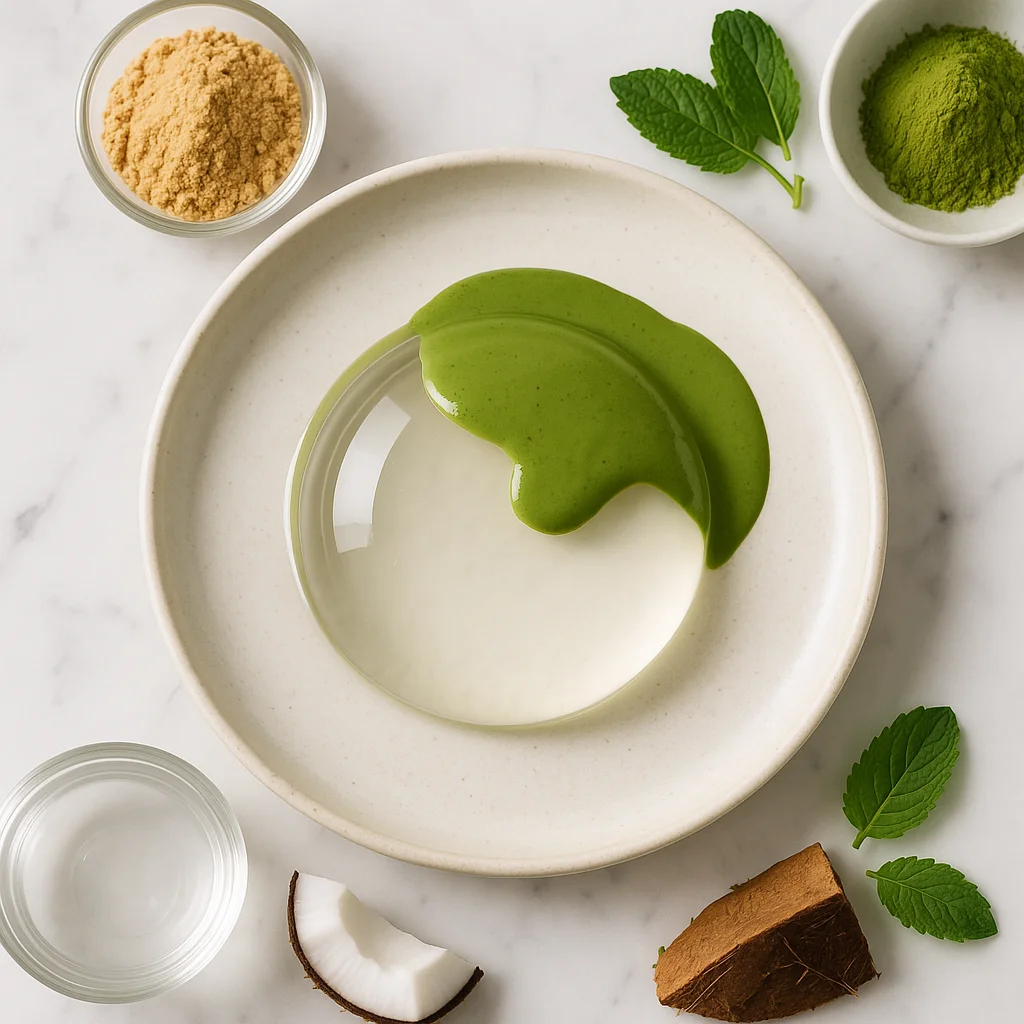
Raindrop Cake Mizu Shingen Mochi Agar Agar Recipe with Coconut Water and Matcha Drizzle