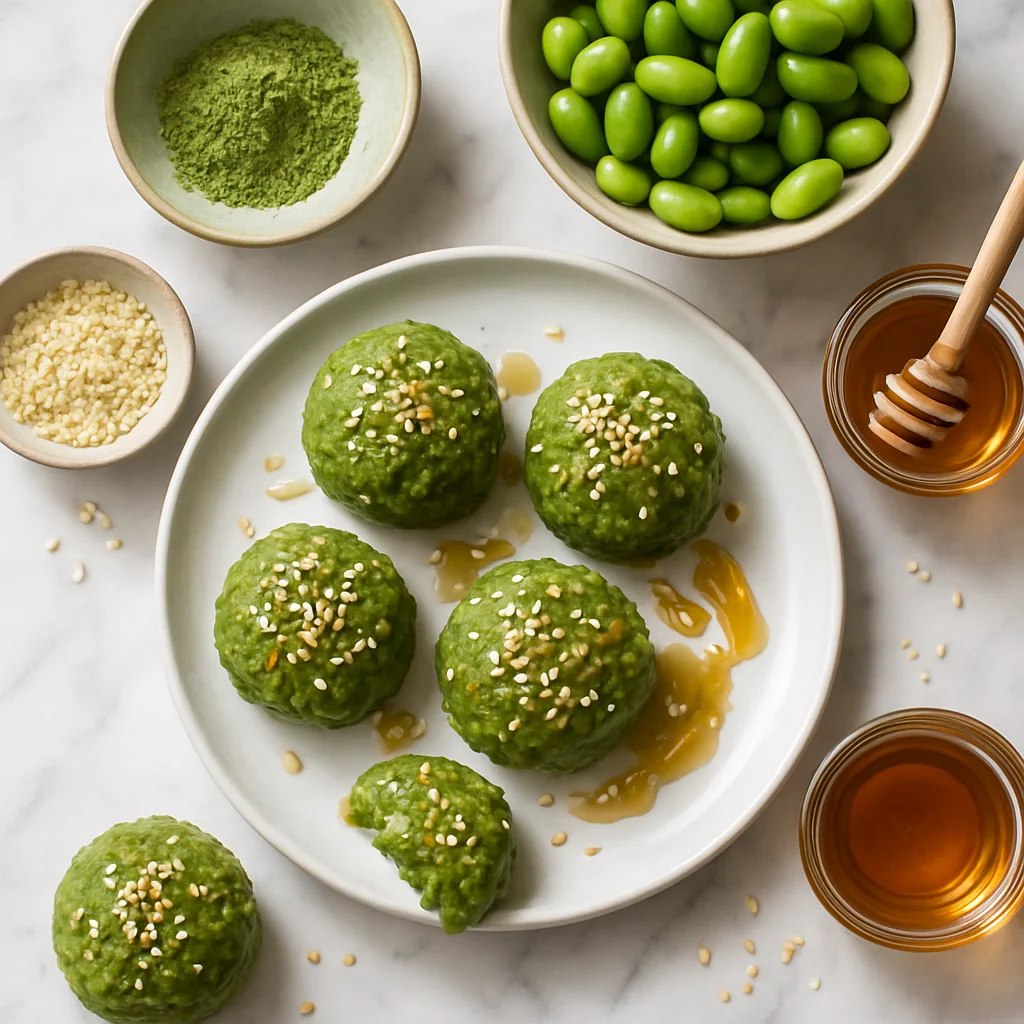
High Protein Banana Bread with Greek Yogurt and Oat Flour
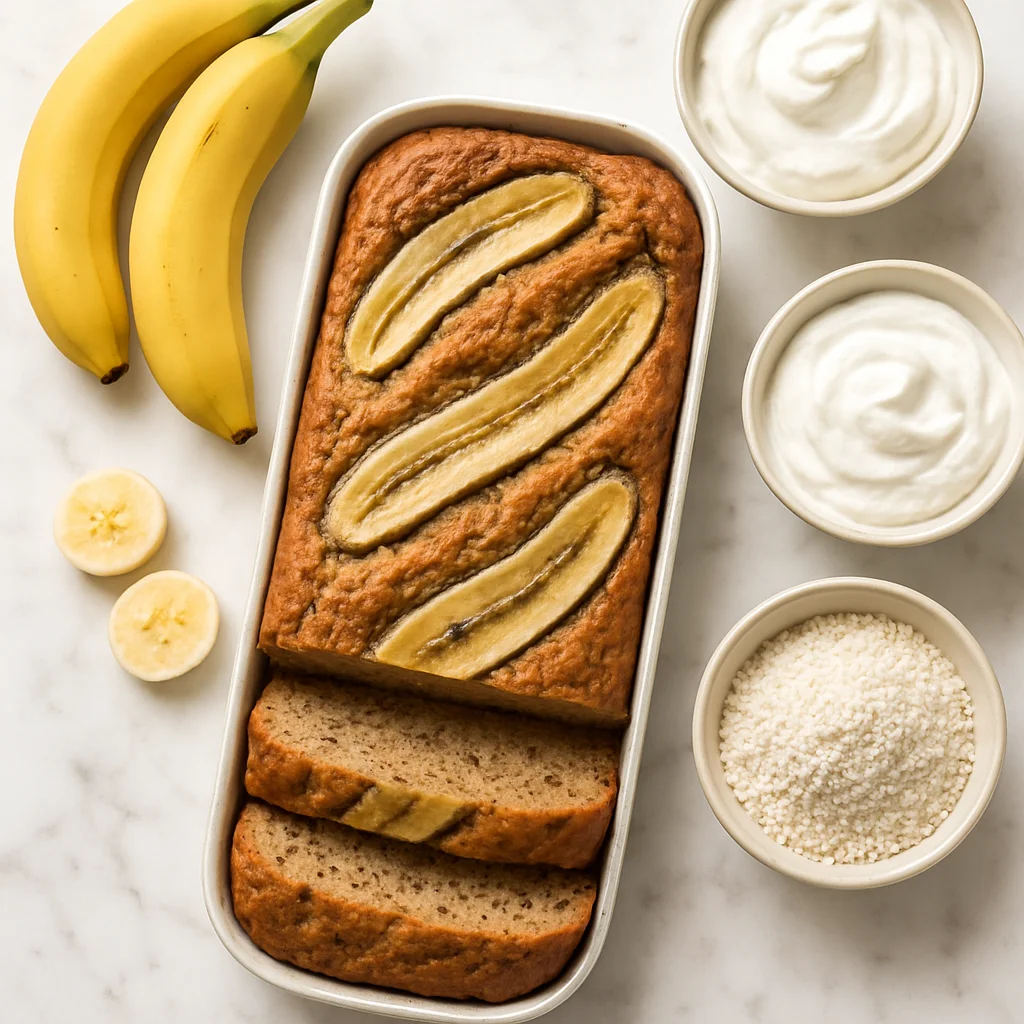
If you have ever wished your morning slice of banana bread could actually keep you full until lunch, this high protein banana bread is exactly what you have been waiting for. Unlike traditional banana bread recipes that lean heavily on butter, white flour, and heaps of sugar, this version is built around ingredients that genuinely fuel your body. Each slice packs 18 grams of protein, uses no refined sugar, and is made with whole grain oat flour for a meaningful fibre boost, all while staying moist, tender, and deeply satisfying to eat. Whether you are meal prepping for the week, refuelling after a workout, or simply trying to make smarter choices at breakfast without sacrificing flavour, this recipe delivers on every front.
The secret to the impressive protein count lies in a trio of high-quality protein sources: plain Greek yogurt, whole eggs, and a scoop of vanilla whey protein powder. Greek yogurt does double duty here, it contributes protein while also providing a creamy, slightly tangy moisture that keeps the crumb soft for days without needing any butter or oil. The eggs bind everything together and add further richness, while the protein powder blends seamlessly into the batter so you get a boost without any chalky aftertaste. Full-fat Greek yogurt is non-negotiable in this recipe: low-fat versions contain significantly more water and will produce a denser, gummier loaf rather than the tender crumb you are after.
Oat flour forms the base of this recipe and is a far more nutritious choice than all-purpose white flour. It is naturally higher in soluble fibre, particularly beta-glucan, which has been shown to support healthy blood sugar levels and sustained energy release, exactly what you want from a breakfast bread. Oat flour also gives the finished loaf a subtly nutty, wholesome flavour that plain flour simply cannot match. You can buy it ready-made or blitz rolled oats in a blender for 30 to 60 seconds to make your own for a fraction of the cost. If you need this loaf to be strictly gluten-free, just make sure your oats are certified gluten-free, as standard oats are frequently processed alongside wheat.
Ripeness really matters when it comes to the bananas. The riper the banana, the sweeter and more flavourful your bread will be, which means you can keep the added sweetener to an absolute minimum. Look for bananas with plenty of brown spots on the skin, at this stage they are softer, sweeter, and far easier to mash into a smooth puree that incorporates evenly into the batter. If your bananas are not quite ripe enough, you can speed up the process by placing unpeeled bananas on a baking tray and roasting them at 150°C for 15 to 20 minutes until the skins turn black and the flesh softens completely.
One of the things that makes this high protein banana bread so practical is how simple the method is. Everything comes together in a single bowl, which means minimal washing up, and the prep takes only about 10 minutes from start to finish. There is no creaming of butter, no complicated folding technique, and no specialist equipment beyond a standard loaf tin and a mixing bowl. Even beginner bakers will find this completely approachable. Because the batter contains both oat flour and protein powder, both of which absorb liquid differently to regular flour, it will look noticeably thicker than a standard banana bread batter. This is entirely normal and actually a sign the ratios are right.
The loaf bakes low and slow at a moderate oven temperature, which helps the centre set through evenly without the top cracking or overbrowning. A light tent of foil in the last 15 minutes of baking keeps the crust from getting too dark while the interior finishes cooking. Letting the batter rest in the tin for five minutes before baking gives the oat flour time to hydrate fully, which leads to a slightly better rise and a more even crumb. You will know it is done when a skewer inserted into the centre comes out with just a few moist crumbs, not wet batter.
Flavour-wise, this bread is warm, naturally sweet, and gently vanilla-forward with a soft, dense crumb that slices cleanly and holds together well. It is wonderful eaten plain, spread with a little almond butter, or topped with a spoonful of plain Greek yogurt and a drizzle of honey for a protein-packed post-workout snack. It also freezes beautifully, slice the loaf first, wrap individual pieces tightly, and you have a ready-made high-protein breakfast on hand for up to three months.
From a nutritional standpoint, each slice comes in at around 185 calories, with 18 grams of protein, 22 grams of carbohydrates, 5 grams of fat, and 3 grams of fibre. Compared to a traditional banana bread slice which typically has around 4 to 5 grams of protein and upwards of 300 calories, the improvement is significant. This is a recipe you can genuinely feel good about making regularly, and one that proves healthy baking does not have to mean dry, flavourless, or complicated.
Ingredients
- 3 large very ripe bananas (roughly 300g peeled weight, heavily spotted or blackened for maximum natural sweetness — the riper the banana, the less added sweetener you will need)
- 200 g plain full-fat Greek yogurt (do not substitute low-fat — full-fat keeps the crumb moist and tender; skyr works as a 1:1 swap and is even higher in protein)
- 3 large eggs (room temperature — cold eggs can cause the batter to seize slightly; sit them in warm water for 5 minutes if you forgot to take them out ahead of time)
- 1 tsp pure vanilla extract (use pure extract rather than imitation vanilla for the cleanest flavour)
- 2 tbsp pure maple syrup (or honey; reduce to 1 tbsp if bananas are very ripe and heavily spotted — overripe bananas provide plenty of natural sweetness on their own)
- 180 g oat flour (certified gluten-free if needed; make your own by blending rolled oats in a high-speed blender for 30 to 60 seconds until a fine powder forms — measure after blending, not before)
- 60 g vanilla whey protein powder (one standard scoop; brands vary in sweetness and absorbency — if your batter seems very thick, add an extra tablespoon of Greek yogurt; use a vanilla pea protein powder for a dairy-free version)
- 1.5 tsp baking powder (make sure your baking powder is fresh — old baking powder is a common cause of flat, dense loaves)
- 0.5 tsp baking soda (the baking soda reacts with the acidity in the Greek yogurt and banana to help lift the loaf)
- 0.5 tsp ground cinnamon (can increase to 1 full teaspoon for a warmer, spicier flavour profile)
- 0.3 tsp fine sea salt (do not skip — salt balances the sweetness and makes the banana and vanilla flavours pop)
- 40 g dark chocolate chips (optional but highly recommended; use 70% cocoa or higher for less sugar and a richer flavour)
Instructions
- 1
Preheat your oven to 170°C (150°C fan / 340°F). Lightly grease a standard 9x5 inch loaf tin with a little coconut oil or cooking spray and line it with a strip of baking parchment, leaving an overhang on the long sides for easy removal.
Lining with parchment prevents sticking and makes slicing much cleaner — do not skip this step. Leave a generous overhang on each long side so you can lift the loaf out easily without inverting it.
- 2
Peel the bananas and place them in a large mixing bowl. Mash thoroughly with a fork until you have a very smooth puree with as few lumps as possible. The smoother the puree, the more evenly it will distribute through the batter.
For extra-smooth banana puree, blend the bananas briefly with a hand blender or stand blender rather than mashing by fork. A completely smooth puree distributes more evenly through the batter and results in a more uniform crumb.
- 3
Add the Greek yogurt, eggs, vanilla extract, and maple syrup to the mashed banana. Whisk everything together vigorously until well combined and uniform — the mixture should look smooth and slightly frothy.
Make sure your Greek yogurt and eggs are at room temperature before mixing. Cold dairy can cause the batter to look slightly curdled — it will still bake fine, but room temperature ingredients combine more smoothly.
- 4
Sift or spoon the oat flour, vanilla protein powder, baking powder, baking soda, cinnamon, and salt directly into the wet ingredient bowl. Using a spatula or large spoon, fold gently until just combined. Stop mixing as soon as no dry streaks remain — overmixing will make the bread dense and gummy.
The batter will be noticeably thicker than a traditional banana bread batter because oat flour and protein powder both absorb more liquid than white flour. This is completely normal and a sign the ratios are right. If it seems unworkably thick, add one extra tablespoon of Greek yogurt.
- 5
If using chocolate chips, fold two-thirds of them into the batter now and reserve the rest for topping. Pour the batter into the prepared loaf tin and smooth the surface with the back of a spoon. Scatter the reserved chocolate chips over the top.
Reserving a third of the chocolate chips for the top means every slice has visible chocolate on the surface, which looks more appealing and ensures you get chocolate in every bite even if the chips sink slightly during baking.
- 6
Bake in the preheated oven for 50 to 55 minutes. At the 40-minute mark, loosely tent the top of the loaf with a piece of foil to prevent overbrowning while the centre continues to cook through.
Let the filled tin rest on the counter for 5 minutes before putting it in the oven. This short rest gives the oat flour time to absorb moisture from the wet ingredients, resulting in a slightly better rise and a more even texture throughout the loaf.
- 7
The bread is done when a skewer inserted into the centre comes out with just a few moist crumbs attached — not wet batter. Remove from the oven and allow the loaf to cool in the tin for 15 minutes before lifting out using the parchment overhang.
Oven temperatures vary considerably. Start checking for doneness at 48 minutes by inserting a skewer into the thickest part of the loaf. A few moist crumbs clinging to the skewer are fine — wet batter means it needs more time.
- 8
Transfer to a wire rack and allow to cool completely before slicing — at least 30 minutes. Slice into 10 even pieces and serve as desired.
For the cleanest slices, use a serrated bread knife with a gentle sawing motion rather than pressing straight down. The loaf will slice far more cleanly once fully cool — cutting too early compresses the protein-rich crumb and can make it look gummy.
Nutrition per serving
185kcal
Calories
18g
Protein
22g
Carbs
5g
Fat
3g
Fibre
8g
Sugar
210mg
Sodium
Pro Tips
- ✓
Use bananas that are heavily spotted or even completely black for maximum natural sweetness, this lets you reduce the maple syrup to just 1 tablespoon without sacrificing flavour. If you need to ripen bananas quickly, roast them unpeeled on a baking tray at 150°C for 15 to 20 minutes until the skins turn black, then cool before using.
- ✓
Do not swap the full-fat Greek yogurt for a low-fat version. The fat content is what creates a moist, tender crumb. Low-fat yogurt contains significantly more water, which causes the loaf to steam rather than bake properly, resulting in a denser, slightly gummy texture. Skyr is the only direct substitute that maintains the same protein content and moisture balance.
- ✓
Make your own oat flour easily and cheaply by blending regular rolled oats in a high-speed blender for 30 to 60 seconds until they form a fine, even powder. Always measure your oat flour after blending, oats and oat flour have very different volumes and measuring before blending will throw off the recipe.
- ✓
Different protein powder brands vary significantly in sweetness, flavour intensity, and liquid absorbency. If you switch brands and notice the batter is unusually thick, add an extra tablespoon or two of Greek yogurt to loosen it. If it seems thin, add an extra tablespoon of oat flour. Taste the raw batter and adjust sweetness if needed.
- ✓
Let the batter rest in the loaf tin for 5 minutes before putting it in the oven. This allows the oat flour to fully hydrate and the leavening agents to start activating, which results in a slightly better rise, a more even crumb, and less chance of a sunken centre.
- ✓
This loaf slices significantly better once fully cooled. If you are impatient, place it on a wire rack near an open window or in front of a fan to speed up cooling, but allow at least 30 minutes at room temperature before cutting. The crumb continues to set as it cools, and cutting too early will compress the texture and make it appear undercooked.
Frequently Asked Questions
Variations
- •
Peanut Butter Protein Banana Bread
Swap 30g of the oat flour for 60g of natural smooth peanut butter added to the wet ingredients. This boosts healthy fats and adds a rich, nutty flavour that pairs beautifully with banana. Reduce the maple syrup to 1 tablespoon as peanut butter adds its own savoury-sweet depth.
- •
Double Chocolate Protein Banana Bread
Replace 20g of the oat flour with 20g of unsweetened cocoa powder and use chocolate flavour protein powder instead of vanilla. Fold in 50g of dark chocolate chips for an intensely chocolatey, brownie-like banana bread that still hits your protein goals.
- •
Blueberry Lemon Protein Banana Bread
Add the zest of one lemon to the wet ingredients and fold 100g of fresh or frozen blueberries into the finished batter. The lemon brightens the flavour considerably and the blueberries add antioxidants and natural sweetness, making this a particularly vibrant and refreshing variation.
- •
Cinnamon Walnut Protein Banana Bread
Increase the cinnamon to 1 full teaspoon, add a quarter teaspoon of ground nutmeg, and fold 50g of roughly chopped walnuts into the batter. Walnuts add omega-3 fatty acids, a satisfying crunch, and a warm, autumnal flavour profile. Be aware this variation is no longer nut-free.
Substitutions
- •Greek yogurt → Skyr or dairy-free coconut yogurt (Skyr is an excellent 1:1 swap and is even higher in protein. Coconut yogurt works for a dairy-free version but will add a slight coconut flavour and reduce the protein content by a few grams per slice.)
- •Oat flour → Whole wheat flour or spelt flour (Use the same weight (180g). Whole wheat and spelt flours are not gluten-free but will produce a slightly denser, earthier-tasting loaf. Avoid almond flour as a direct swap, the ratios would need significant adjustment.)
- •Vanilla whey protein powder → Vanilla pea protein powder or collagen peptides (Pea protein is the best plant-based alternative. Collagen peptides are flavourless and add protein but no additional sweetness, so you may want to increase the vanilla extract to half a teaspoon extra if using collagen.)
- •Maple syrup → Honey or mashed medjool dates (Honey is a straightforward 1:1 swap. For date sweetener, blend 3 pitted medjool dates with 2 tablespoons of warm water until smooth and use the paste in place of the maple syrup for a whole-food, refined-sugar-free result.)
- •Eggs → Flax eggs (To make flax eggs, mix 1 tablespoon of ground flaxseed with 3 tablespoons of water per egg and allow to gel for 5 minutes before using. Three flax eggs will make this recipe fully vegan, though the loaf will be slightly denser and less springy than the egg version.)
🧊 Storage
Store the fully cooled loaf in an airtight container or tightly wrapped in cling film at room temperature for up to 2 days. Refrigerate for up to 5 days. To freeze, slice the loaf first and wrap individual slices in cling film before placing in a zip-lock freezer bag. Freeze for up to 3 months. Thaw individual slices at room temperature for 30 to 45 minutes or overnight in the refrigerator.
📅 Make Ahead
This loaf is an excellent make-ahead recipe. Bake it on a Sunday and refrigerate the whole loaf or pre-sliced portions for easy grab-and-go breakfasts throughout the week. The flavour actually deepens on day two as the banana and vanilla notes mellow. You can also freeze individual slices and toast them straight from frozen in a toaster oven at 160°C for 8 to 10 minutes.
More High-Protein Desserts Recipes
High Protein Almond Butter Protein Balls with Oats and Chia Seeds
High Protein Greek Yogurt Bark Frozen with Berries and Dark Chocolate
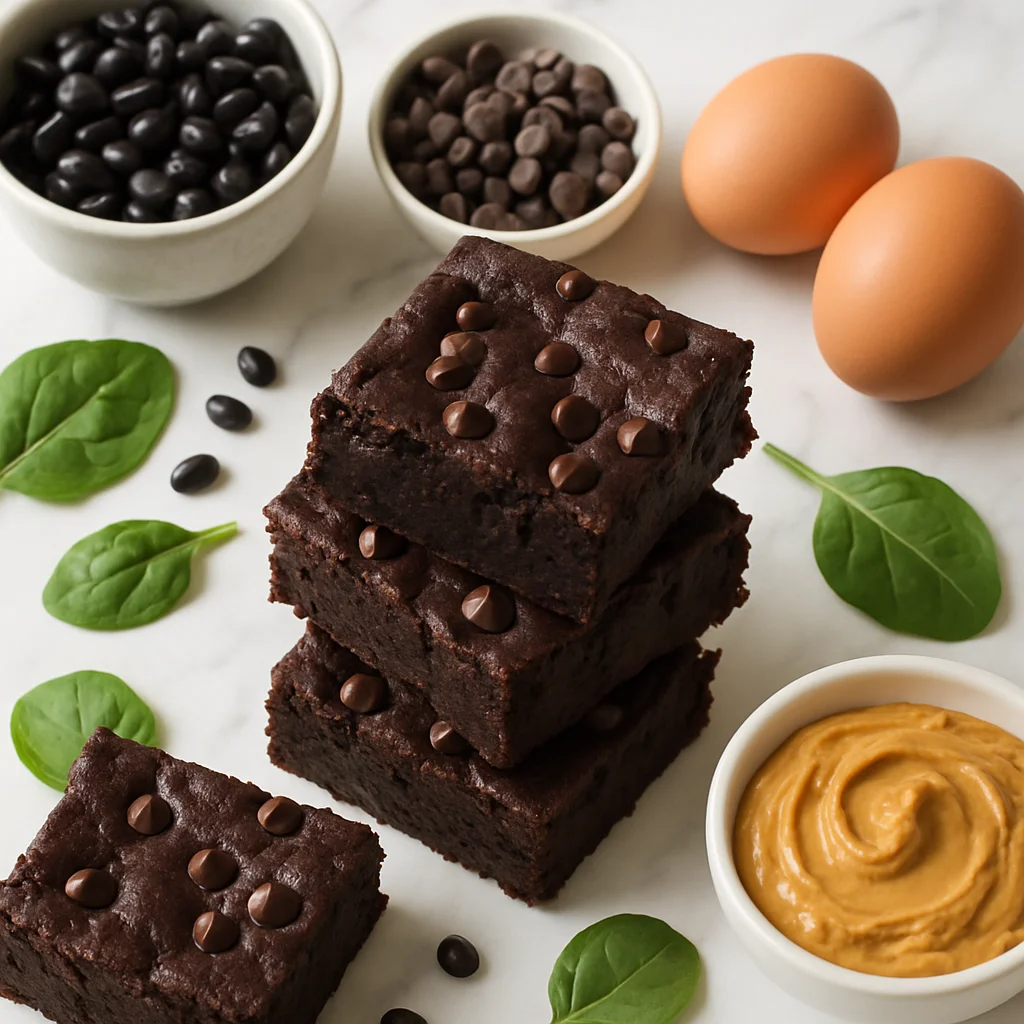
High Protein Black Bean Brownies (Fudgy, Flourless & Guilt-Free)