Honey-Sweetened Almond Orange Flourless Cake with Whole Boiled Oranges
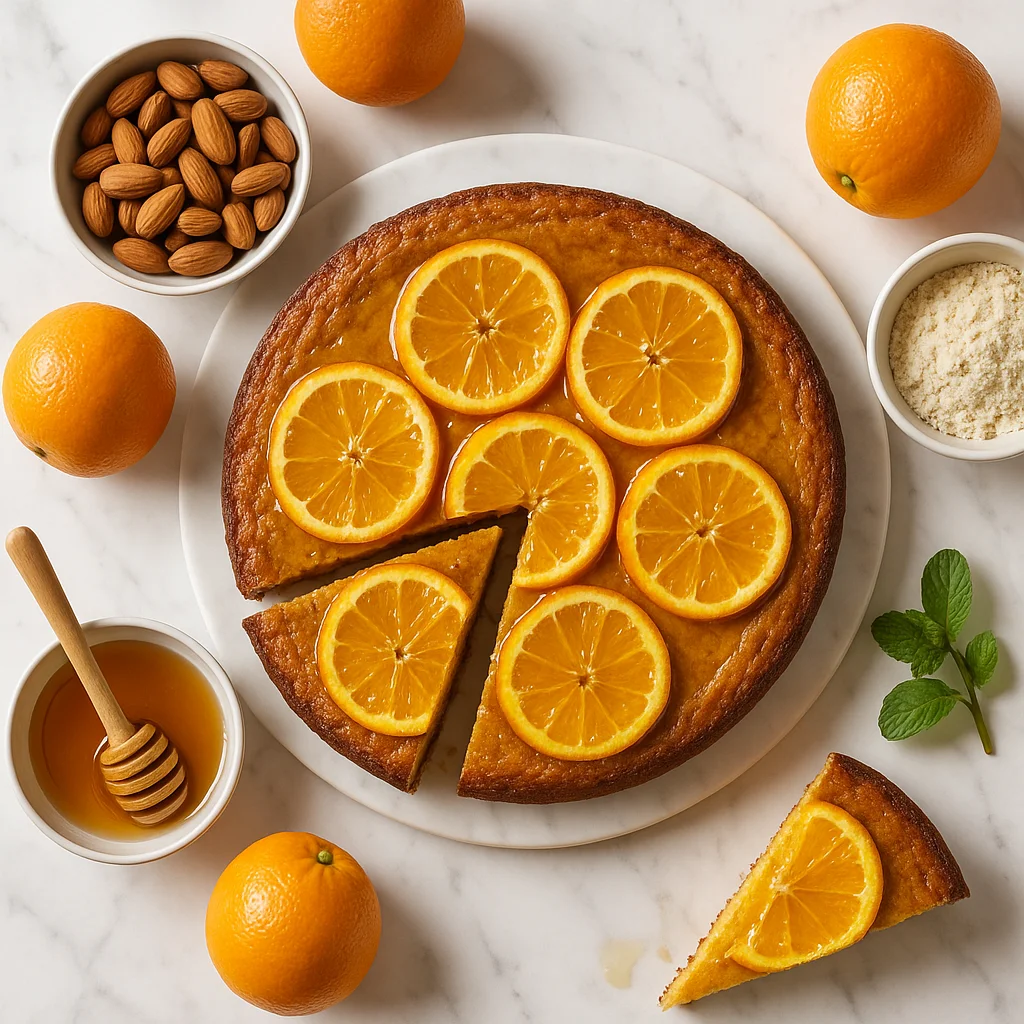
If you have never tried an almond orange flourless cake before, you are about to discover one of the most naturally wholesome and deeply satisfying cakes you can bake at home. This version is designed specifically for health-conscious home bakers who want a genuinely lighter dessert without sacrificing any of the rich, citrus-forward flavour that makes this style of cake so beloved. Unlike traditional flourless orange almond cakes that rely on generous amounts of refined white sugar, this recipe swaps in raw honey for natural sweetness and a lower glycaemic impact. The result is a cake that is not only gluten-free and dairy-free but also refined-sugar-free and packed with wholesome, nutrient-dense ingredients.
The star technique here is whole orange boiling. Rather than simply adding orange zest or juice to the batter, you boil two whole navel oranges until the pith loses its bitterness and the fruit becomes wonderfully soft and jammy throughout. Once blended, the entire orange, rind, pith, flesh, and all, becomes a thick, fragrant puree that forms the flavour backbone of the cake. This method delivers an intensity of orange flavour that no amount of zest or extract could ever match, while also contributing natural moisture that keeps the cake tender and damp for days. It is the same technique used by many celebrated flourless orange cake recipes, and once you taste the difference, you will never go back to using zest alone.
The second hero ingredient is blanched almond flour. Ground almonds are naturally high in healthy monounsaturated fats, vitamin E, magnesium, and fibre, making them a far more nutritious base than white all-purpose flour. Almond flour also gives this flourless cake its characteristic dense yet tender crumb, the kind that feels indulgent but is actually doing your body a favour with every bite. It is critical to use finely ground blanched almond flour rather than coarse almond meal made from whole almonds with their skins on. The finer grind creates a more uniform, tender crumb that holds together beautifully when sliced.
To boost the fibre content further, a small amount of ground flaxseed is whisked into the batter. Flaxseed is virtually tasteless here but adds a meaningful nutritional upgrade, contributing additional omega-3 fatty acids and soluble fibre that support digestive health and help keep blood sugar levels more stable after eating.
Eggs play a crucial structural role in this cake. Since there is no gluten network to provide lift and structure, well-beaten eggs do all the work, trapping air and giving the cake a pleasant lightness despite its dense appearance. We use four whole eggs here, which also means every slice contributes a solid hit of complete protein, a rarity in the dessert world. Room-temperature eggs are important: cold eggs straight from the refrigerator incorporate less air and can cause the batter to look slightly curdled when mixed with the orange puree.
The honey is used in a measured, restrained quantity compared to what traditional recipes call for. Combined with the natural sugars already present in the orange, it provides all the sweetness you need without tipping the cake into dessert-excess territory. A hint of vanilla extract and a pinch of cinnamon add warmth and complexity that complement the citrus beautifully. If you have access to a high-quality raw, unfiltered honey, this is a wonderful place to use it, the floral complexity of a good raw honey adds a dimension of flavour that standard supermarket honey simply cannot match.
Baking this almond orange flourless cake is refreshingly simple. There is no creaming of butter, no sifting of multiple flours, and no complicated layering. Once your oranges are boiled and cooled, everything comes together in a blender or food processor and is poured straight into a lined cake tin. The oven does the rest. The finished cake has a burnished golden top, a deeply fragrant citrus aroma, and a moist, slightly sticky interior that only gets better as it sits.
It is spectacular served at room temperature with a spoonful of plain Greek yogurt on the side, or simply dusted with a little powdered erythritol for an elegant presentation. A drizzle of extra honey just before serving elevates it further for special occasions. It keeps beautifully for up to five days, making it ideal for meal prepping healthy desserts for the week ahead.
Whether you are baking for a gluten-free guest, following a refined-sugar-free lifestyle, or simply trying to make smarter choices without giving up the joy of cake, this almond orange flourless cake delivers on every front. It is proof that healthy baking does not require compromise, only a little creativity and the right ingredients.
Ingredients
- 2 medium navel oranges (whole, unpeeled, washed well — approximately 400g total. Navel oranges are preferred for their low seed count, thick aromatic rind, and natural sweetness.)
- 4 large eggs (free-range, at room temperature. Room-temperature eggs incorporate more air and blend more smoothly with the orange puree than cold eggs straight from the fridge.)
- 80 ml raw honey (raw, unfiltered honey preferred for its depth of flavour and floral complexity. Or substitute pure maple syrup for a vegan option with a mild caramel undertone.)
- 1 tsp pure vanilla extract (use pure vanilla extract rather than imitation vanilla essence for a cleaner, more rounded flavour.)
- 280 g blanched almond flour (finely ground blanched almond flour — not coarse almond meal made from skin-on almonds. The finer grind is essential for a tender, uniform crumb.)
- 2 tbsp ground flaxseed (golden or brown flaxseed, finely ground. Adds fibre and omega-3 fatty acids with no discernible impact on flavour. Can be substituted with finely ground chia seeds.)
- 1.5 tsp baking powder (ensure gluten-free certified if baking for someone with coeliac disease, as some brands use wheat-based anti-caking agents. Check the expiry date — old baking powder loses its potency.)
- 0.5 tsp ground cinnamon (adds warmth and complexity that complements the citrus. Can be replaced with ground cardamom for a more floral, Middle-Eastern-inspired flavour.)
- 0.3 tsp fine sea salt (do not skip — a small amount of salt balances the sweetness and enhances the orange flavour.)
- 1 tbsp powdered erythritol or rice malt syrup (optional finishing touch. A light dusting of powdered erythritol gives a beautiful snowy appearance. Alternatively, a thin drizzle of extra honey adds a glossy, elegant finish.)
Instructions
- 1
Place the two whole unpeeled oranges in a medium saucepan and cover completely with cold water. Bring to a boil over high heat, then reduce to a steady simmer. Cook for 60 minutes, turning the oranges occasionally with tongs to ensure even softening. The oranges are ready when they feel completely soft when pressed gently. Drain and allow to cool for at least 30 minutes until comfortable to handle.
Do not skip or shorten the full 60-minute boil. Shorter boiling times leave residual bitterness in the white pith that will negatively affect the finished cake's flavour. If you are short on time, you can boil the oranges the day before and refrigerate them whole in an airtight container until needed.
- 2
Preheat your oven to 170°C (340°F) fan-forced or 180°C (355°F) conventional. Grease a 23cm (9-inch) round springform cake tin and line the base and sides with baking parchment.
Lining both the base and sides of the tin is important — this cake is quite moist and will stick without adequate lining. Use a springform tin rather than a fixed-base tin so you can release the cake cleanly once cooled without inverting it.
- 3
Once cooled, cut each orange into quarters and remove any visible seeds. Place the entire orange quarters — including rind and pith — into a food processor or high-powered blender. Blitz for 60 to 90 seconds until you have a smooth, thick orange puree with no large pieces of rind remaining. Scrape down the sides midway through blending.
A slightly textured puree is fine and will add pleasant character to the finished cake — you do not need a perfectly silky, completely smooth result. If using a standard blender rather than a food processor, blend in two batches for better results and scrape the sides thoroughly each time.
- 4
Add the eggs, honey, and vanilla extract to the food processor with the orange puree. Pulse for 20 to 30 seconds until everything is well combined and the mixture looks smooth and slightly frothy.
Ensure the orange puree has cooled fully to room temperature before adding the eggs. Warm puree can begin to cook the eggs on contact, resulting in a scrambled, curdled batter. If in doubt, transfer the puree to a bowl and press your palm against the outside — it should feel cool to the touch.
- 5
In a separate large mixing bowl, whisk together the almond flour, ground flaxseed, baking powder, cinnamon, and sea salt until evenly combined and free of lumps.
Whisking the dry ingredients together thoroughly before adding the wet mixture ensures the baking powder and flaxseed are evenly distributed throughout the almond flour, which helps the cake rise and set uniformly. Break up any clumps of almond flour with your fingers or a fork before whisking.
- 6
Pour the wet orange and egg mixture into the bowl of dry ingredients. Fold gently with a large spatula until just combined — do not overmix. The batter will be quite loose and pourable, which is normal for this style of cake.
A few gentle folds are all that is needed — the batter should come together in about 10 to 12 strokes. Overmixing can deflate the air beaten into the eggs and result in a denser, flatter cake. Stop folding as soon as no dry streaks of almond flour remain.
- 7
Pour the batter into the prepared cake tin and smooth the top with the back of a spoon or offset spatula. Bake on the middle rack of the preheated oven for 50 to 55 minutes, until the top is deep golden brown and a skewer inserted into the centre comes out with just a few moist crumbs attached.
If the top is browning too quickly after the 35-minute mark, tent loosely with a piece of aluminium foil for the remaining baking time. Do not open the oven door before 35 minutes — early opening can cause the cake to sink in the centre before it has had time to set.
- 8
Remove from the oven and allow the cake to cool completely in the tin on a wire rack — at least 45 minutes. Do not attempt to remove it while warm as it will be fragile. Once fully cooled, release the springform and transfer to a serving plate. Dust with powdered erythritol if desired and serve.
This cake tastes even better the next day once the flavours have had time to meld and the orange puree has further permeated the crumb. If you can, bake it the evening before serving and store covered at room temperature overnight. The texture becomes more cohesive and the citrus flavour deepens beautifully.
Nutrition per serving
218kcal
Calories
8g
Protein
14g
Carbs
16g
Fat
4g
Fibre
9g
Sugar
95mg
Sodium
Pro Tips
- ✓
Use navel oranges rather than blood oranges or mandarins for the most balanced, sweet citrus flavour. Navel oranges have a naturally low seed count, thick aromatic rind, and a sweetness that becomes even more concentrated after boiling, making them the ideal choice for this whole-orange method.
- ✓
Make sure your almond flour is finely blanched (skins removed) rather than coarse almond meal. The difference matters enormously: blanched almond flour produces a tender, uniform crumb, while skin-on almond meal results in a coarser, speckled texture with slightly more bitterness.
- ✓
Allow the boiled oranges to cool for at least 30 minutes before blending, and ensure the puree has returned to room temperature before adding your eggs. Adding warm orange puree directly to eggs can begin to partially cook them, creating an unpleasant grainy texture in the finished batter.
- ✓
This cake rises modestly, it will not puff up dramatically like a sponge cake. Expect it to rise only about 1 to 2 cm during baking. The dense, moist, slightly sticky texture is the hallmark of a great flourless orange cake, not a sign that something has gone wrong.
- ✓
For the cleanest, most professional-looking slices, use a sharp knife dipped in hot water and wiped dry between each cut. The moist, dense crumb is prone to tearing with a blunt or dry blade, so this extra step makes a noticeable difference in presentation.
- ✓
This cake tastes significantly better the day after baking. The flavours mellow and deepen overnight, and the texture becomes even more moist and cohesive as the orange puree fully permeates the crumb. If you can, bake it the evening before you plan to serve it.
Frequently Asked Questions
Variations
- •
Almond Orange and Cardamom Cake
Replace the ground cinnamon with 1 teaspoon of ground cardamom for a warmly spiced, Middle-Eastern-inspired version that pairs beautifully with rosewater-infused Greek yogurt.
- •
Dark Chocolate-Drizzled Almond Orange Flourless Cake
Once cooled, drizzle the top with 60g of melted 85% dark chocolate for a sophisticated finish. The bittersweet chocolate complements the citrus perfectly and adds antioxidant-rich flavour.
- •
Polenta-Boosted Version
Replace 40g of the almond flour with fine polenta (cornmeal) for a slightly coarser, golden crumb with a subtle graininess that echoes traditional Italian-style orange cakes.
- •
Blood Orange and Pistachio Flourless Cake
Substitute blood oranges for navel oranges and replace 50g of almond flour with finely ground raw pistachios. The result is a stunning deep-red-tinged cake with a distinctly nutty, slightly savoury depth of flavour.
Substitutions
- •Raw honey → Pure maple syrup (Use a 1:1 substitution. Maple syrup makes the cake vegan and has a slightly lower glycaemic index than honey. It imparts a mild caramel undertone.)
- •Blanched almond flour → Hazelnut flour (Use an equal weight of finely ground hazelnut flour for a richer, Nutella-adjacent flavour profile. Ensure it is finely ground for a similar crumb texture.)
- •Ground flaxseed → Chia seeds, finely ground (Finely ground chia seeds work as a 1:1 substitution and provide a similar fibre and omega-3 boost with no flavour impact on the finished cake.)
- •Navel oranges → Clementines or tangelos (Use 3 to 4 smaller clementines in place of 2 navel oranges. These are naturally sweeter and produce a lighter, more floral citrus flavour.)
- •Baking powder → Bicarbonate of soda with cream of tartar (Mix 0.5 tsp bicarbonate of soda with 1 tsp cream of tartar to replace 1.5 tsp baking powder. Ensure both are gluten-free certified if required.)
🧊 Storage
Store the cooled cake in an airtight container at room temperature for up to 3 days. For longer storage, refrigerate for up to 5 days, bring to room temperature before serving for the best flavour and texture. To freeze, wrap individual slices tightly in baking parchment and place in a freezer-safe bag or container for up to 2 months. Thaw at room temperature for 1 hour before eating.
📅 Make Ahead
This cake is an excellent make-ahead option. You can boil the oranges up to 24 hours in advance and store the cooled whole oranges in the refrigerator until needed. The fully baked cake can be made 1 to 2 days ahead, it genuinely improves in flavour and moisture as it sits, making it ideal for entertaining. Simply store covered at room temperature after baking.
More Mediterranean Diet Desserts Recipes
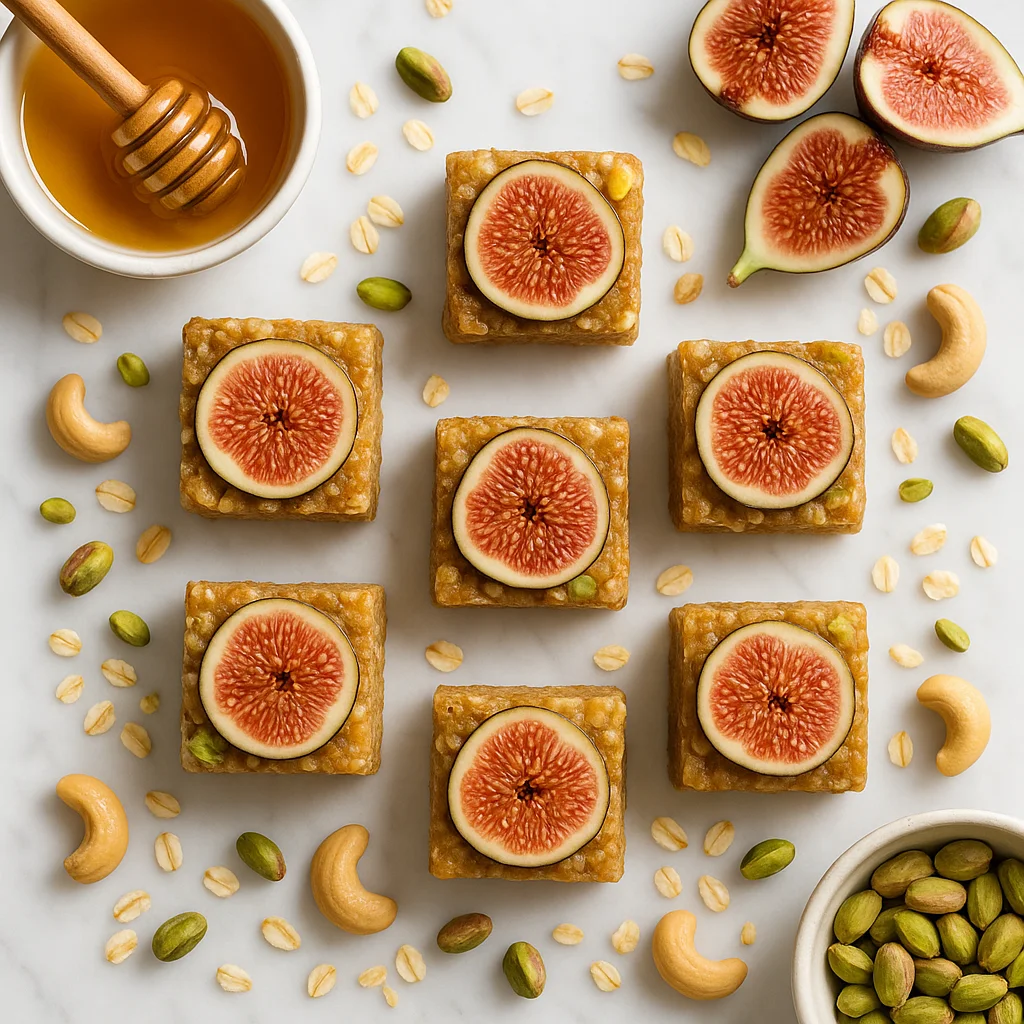
Mediterranean Fig Honey Bites No Bake
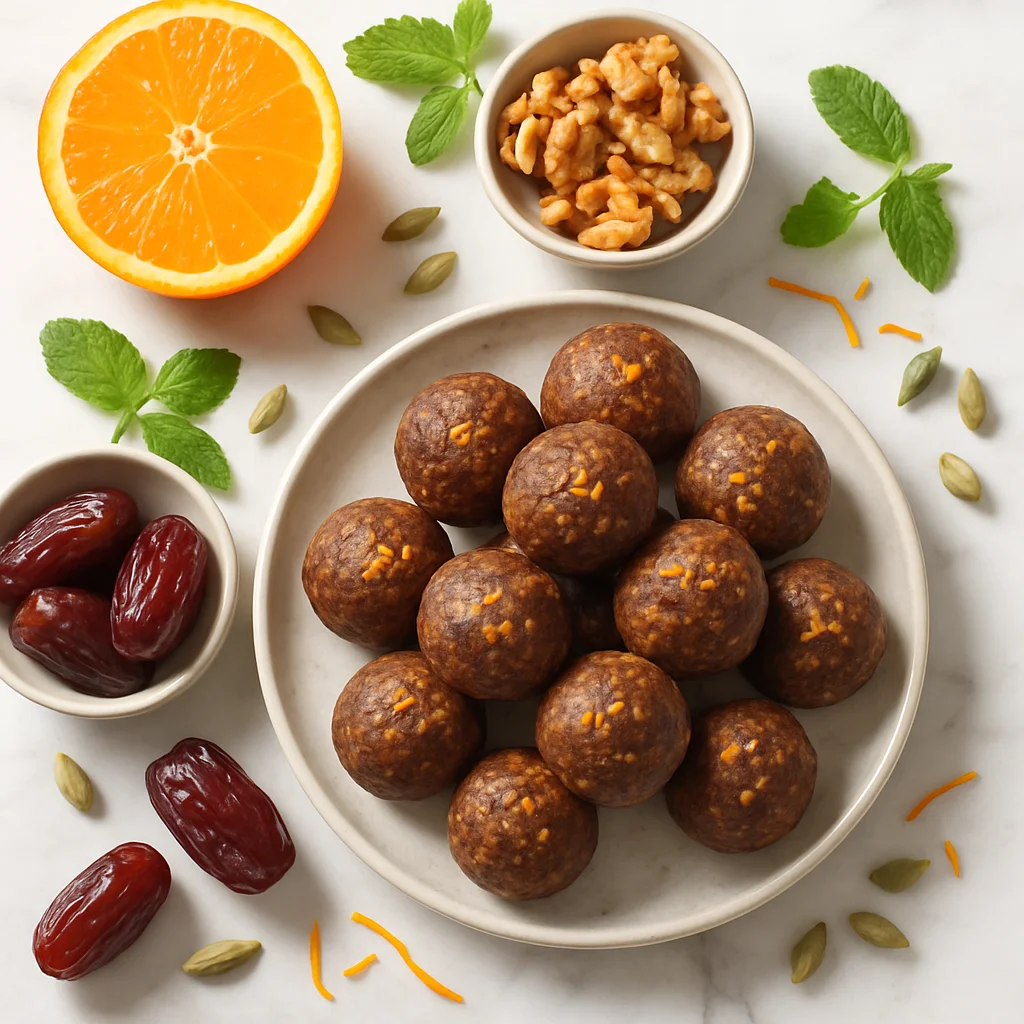
Mediterranean Walnut Date Energy Balls with Orange Zest and Cardamom
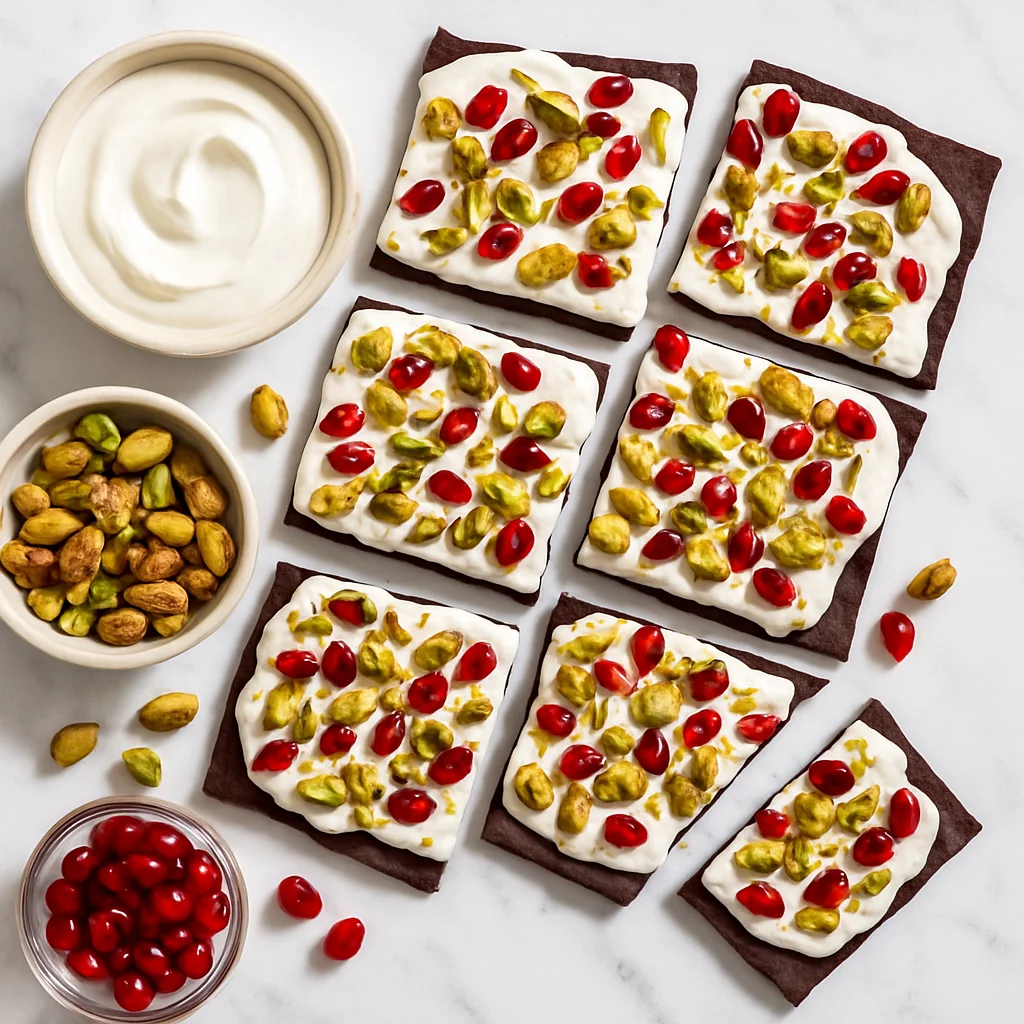
Greek Yogurt Dark Chocolate Bark with Pistachios and Pomegranate